Spotting the Signs of Health Decline
Spotting the Signs of Health Decline
It’s common for changes in an older adult’s health to appear gradually – so gradually that families may overlook them or assume they’re simply part of ageing. Yet early signs such as forgetfulness, low energy, or reduced mobility can point to emerging health concerns. Paying attention to these shifts is one of the most effective ways to protect an older person’s independence, safety, and wellbeing. This updated version keeps your meaning but refreshes the tone and flow.
Why Recognising Early Changes Matters
Identifying health changes sooner helps families to:
- Prevent small issues from becoming more serious
- Lower the risk of falls, hospital admissions, or urgent care needs
- Support older adults to stay independent at home for longer
- Improve confidence and overall quality of life
Early awareness not only protects physical health, it also offers reassurance to families who want to ensure their loved one is safe and supported.
1. Physical Indicators of Declining Health
Physical changes are often the first clues that something isn’t quite right. While ageing naturally brings some adjustments, noticeable differences in mobility, strength, or appearance may signal underlying problems.
Signs to pay attention to:
- Increased tiredness or low stamina – struggling with everday tasks may relate to heart, lung, or metabolic conditions
- Unexpected weight changes – sudden loss or gain can stem from nutritional issues, depression, thyroid problems, or medication side effects
- Reduced balance or mobility – shuffling, unsteadiness, or frequent stumbling increases fall risk and may reflect muscle weakness or neurological changes
- Declining personal care – difficulty with bathing, grooming, or laundry may point to physical limitations or cognitive decline
- Changes in skin health – bruises, dryness, or sores can indicate circulation problems, dehydration, or unnoticed injuries
2. Cognitive and Behavioural Shifts
Cognitive changes often begin subtly. Families may dismiss them as ‘just ageing’, but early signs can indicate dementia, medication issues, or other neurological conditions.
Key signs include:
- Memory lapses – misplacing items, repeating questions, or forgetting appointments
- Difficulty managing daily tasks – trouble with cooking, finances, or organising medication
- Confusion or disorientation – getting lost in familiar places or struggling to follow conversations
- Poor judgement – unusual spending, risky decisions, or susceptibility to scams
- Loss of interest in activities – often linked to depression or early cognitive decline
3. Emotional and Psychological Changes
Emotional wellbeing is just as important as physical health. Older adults, especially those living alone, may experience loneliness, anxiety, or depression.
Watch for:
- Mood changes or irritability – sudden shifts may reflect emotional distress or cognitive changes
- Reduced confidence – fear of falling, driving, or going out can lead to isolation
- Persistent sadness or worry – depression is common but frequently overlooked in older adults
- Altered sleep patterns – difficulty sleeping or sleeping too much may relate to mental health or medical issues
4. Social and Environmental Clues
Sometimes the home environment reveals more than the person does. Difficulty managing household tasks can be a strong indicator that additional support is needed.
Look for:
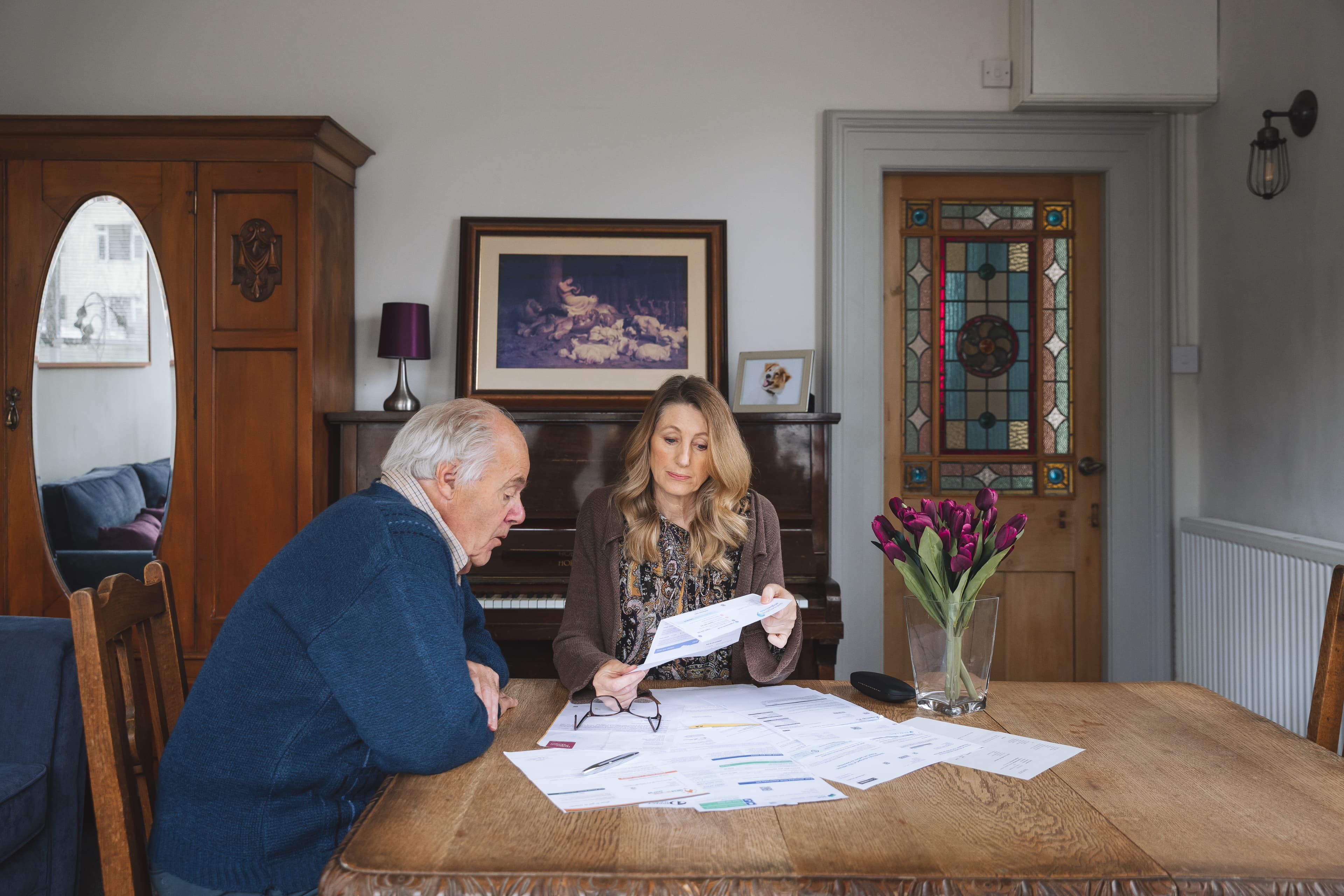
- Unopened post or unpaid bills – this may suggest memory problems or difficult managing finances
- A cluttered or unclean home – can reflect physical limitations or cognitive decline
- Limited or spoiled food – indicates challenges with shopping, cooking, or remembering to eat
- Missed appointments – forgetfulness or low motivation can lead to skipped check-ups and worsening health
How Home Care Can Offer Support
Professional home care provides tailored assistance that helps older adults stay safe, comfortable, and independent at home. Care Professionals can help with:
- Personal care and hygiene
- Medication reminders
- Meal preparation and nutrition
- Mobility support and fall prevention
- Companionship and emotional support
- Household tasks and daily routines
Regular visits from our trained Care Professionals also means that changes are noticed early and shared with families, allowing for timely action.
Knowing When to Seek Help
If you notice even small changes in a loved one’s behaviour, mobility, or general wellbeing, it may be time for a gentle conversation and possibly a professional assessment. A healthcare professional can help determine what’s behind the changes and what support might help.
Final Thoughts
Health decline often happens slowly. Recognising the early signs gives you the best chance to support your loved one effectively. Whether the concern is physical, cognitive, or emotional, timely support – including home care – can make a meaningful difference and provide peace of mind.