The Importance of Companionship in Later Life

How Home Instead Chingford help older adults stay connected, confident and part of everyday life
When people think about staying well in later life, they often focus on health checks, medication, diet and exercise. All of these matter, but one essential part of wellbeing is easy to overlook: having regular company and conversation.
As we grow older, changes in health, family life or mobility can quickly affect how connected we feel. If routines change and the days become quieter, it can be easy for someone to slip into spending more time alone than they would like.
At Home Instead Chingford, we see every day how much difference companionship makes. Ageing well is not only about care tasks. It is about feeling known, being listened to and having reasons to look forwa rd to each day. That is why companionship care is a key part of the support our Care Professionals provide.

Why companionship matters
Spending time with others is about much more than passing the hours. Regular social contact plays a direct role in:
- Physical health
- Cognitive function
- Emotional wellbeing
- Overall quality of life
Research shows that long periods of loneliness can be as harmful to long-term health as smoking or obesity. For older adults, that makes companionship a genuine health consideration, not simply a nice extra.
Older adults who enjoy steady social contact are more likely to experience:
- Better memory and clearer thinking
- Lower risk of depression and anxiety
- Improved immune response and general health
- Healthier sleep and eating patterns
- Lower blood pressure and reduced risk of heart disease
- Increased life expectancy
Companionship offers comfort and protection. It supports both mind and body.
How isolation can slowly build up
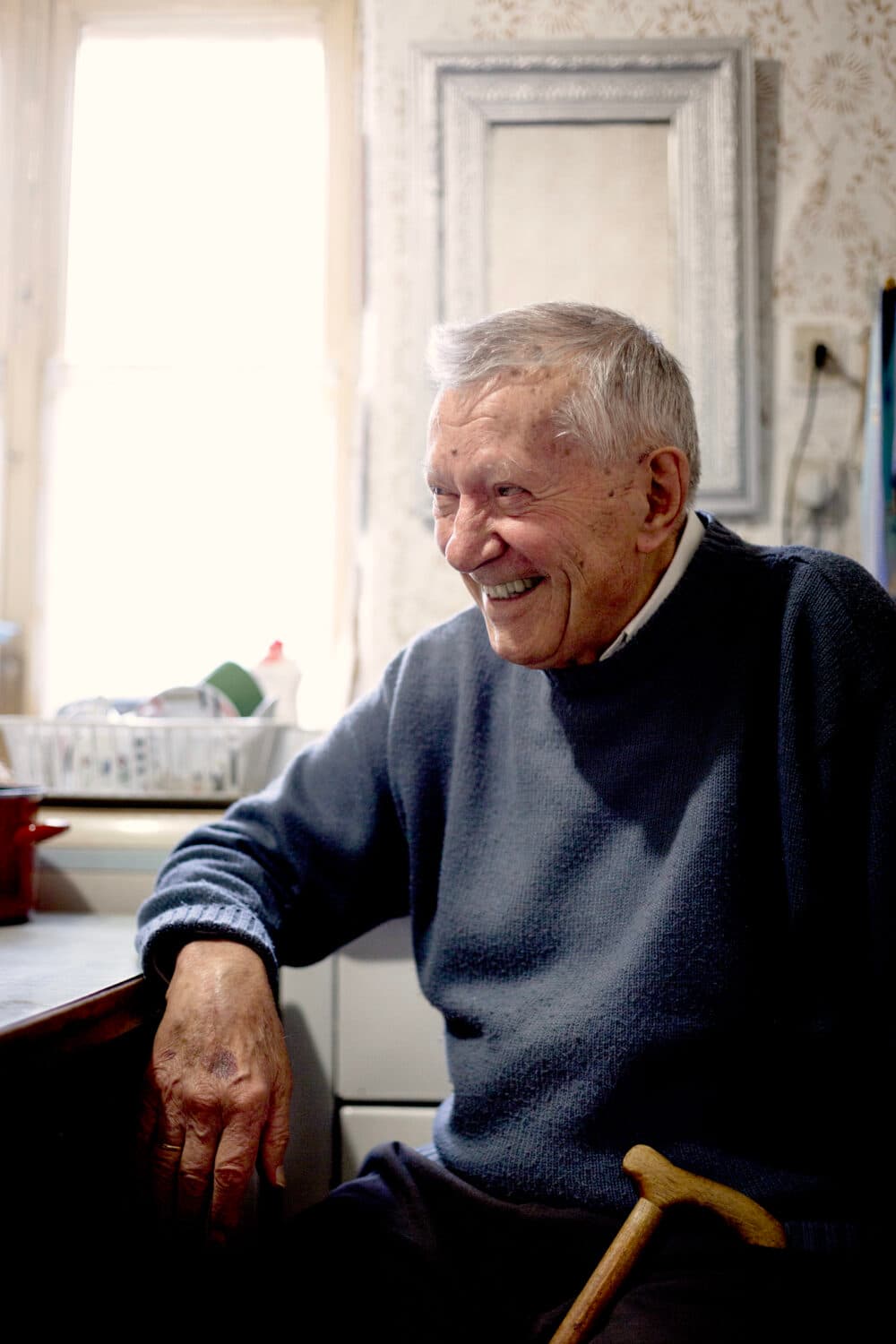
Most people do not wake up one morning and suddenly feel isolated. It often happens gradually as life changes over time. Common reasons include:
- Loss of loved ones
Bereavement is one of the biggest reasons older adults see fewer people day to day, especially if a partner or close friend has died. - Changing health
Long-term conditions, hearing loss, reduced vision or mobility issues can all make leaving the house more tiring or stressful. - Retirement and routine changes
Work often brings built in social contact. Once that ends, the structure of the week can fall away unless something new replaces it. - Transport difficulties
Giving up driving or feeling unsure about public transport can make clubs, appointments and social visits feel out of reach. - Challenges with technology
Family and friends may move more of their contact online. If someone does not feel confident using phones, tablets or computers, they can easily feel left behind. - Money worries
If finances are tight, trips out, hobbies or memberships may be the first things to be cut back. - Unhelpful attitudes to ageing
Negative stereotypes about getting older can slowly chip away at confidence and make people less likely to put themselves forward.
With so many small changes adding up, it is easy for the week to become quieter without anyone fully noticing. A person may still be living in a lively community, yet feel very alone.
The health impact of feeling lonely
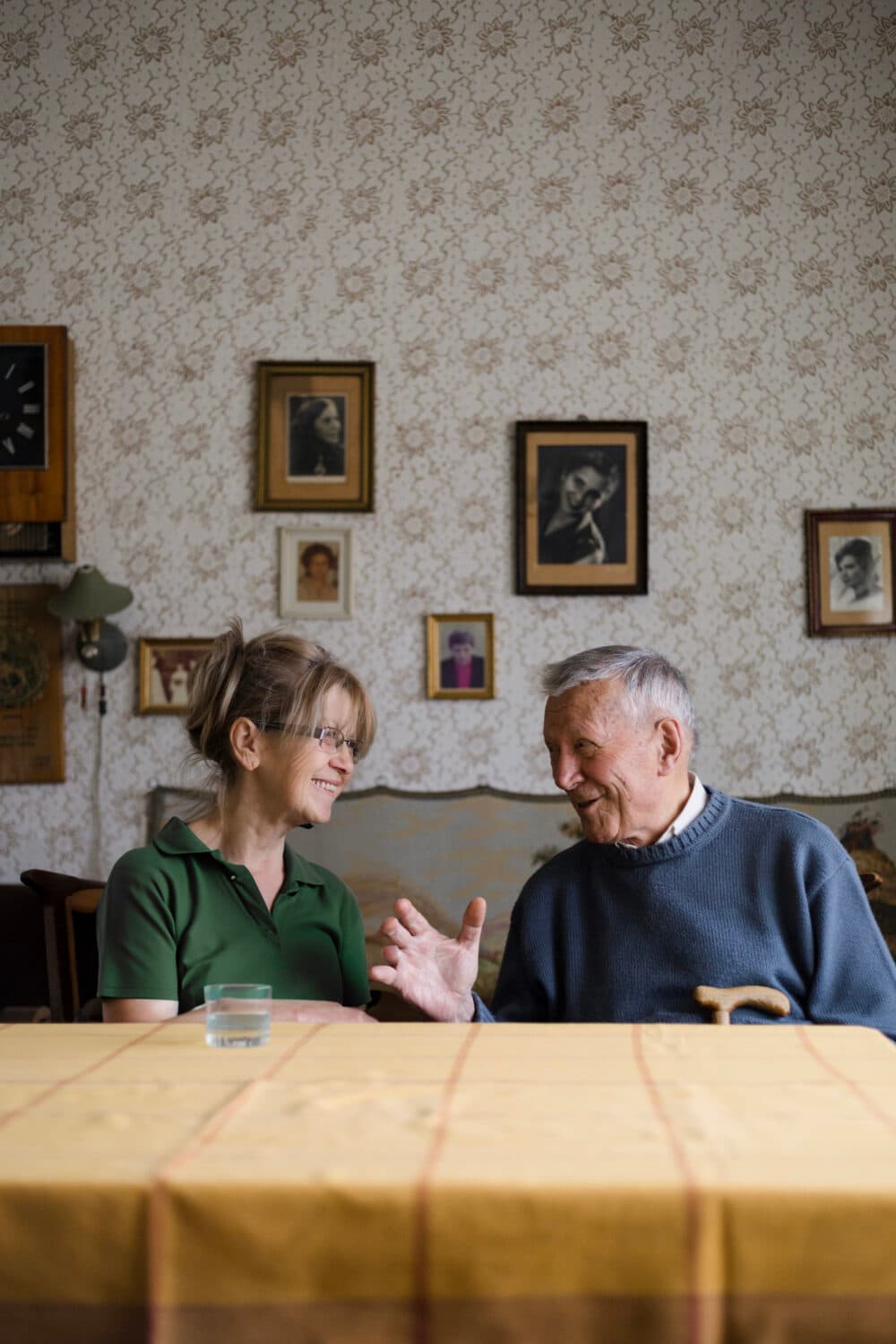
Loneliness is not just about being on your own. It is about feeling that you do not have the contact, support or closeness you need.
Two types of loneliness often appear in later life:
- Emotional loneliness
Missing a partner, family member or close friend who is no longer there. - Social loneliness
Not having a broader circle of friends, neighbours, groups or regular outings.
Both can affect health in very real ways. Loneliness has been linked with:
- Lower levels of physical activity
- Increased risk of long-term illness
- More frequent hospital admissions
- Slower recovery after illness or surgery
- Faster cognitive decline
- Higher risk of early death
The positive news is that even gentle, regular contact can help. Something as simple as a weekly visit, a familiar voice on the phone or a shared activity can start to lift mood and rebuild confidence.

Simple ways to stay connected
There is no single solution that suits everyone, but small, realistic steps can make a genuine difference.
Join a book group or discussion group
Reading can be a very social activity. Local book groups or discussion groups offer a relaxed space to talk, share opinions and enjoy company. They help keep the mind active and provide a regular date in the diary.
Try indoor gardening or creative hobbies
Looking after houseplants, herbs on the windowsill or seasonal bulbs can be calming and rewarding. Creative hobbies such as knitting, drawing, puzzles or crafts also give people something meaningful to focus on and talk about with visitors, neighbours and family.
Visit coffee mornings and memory cafés
Coffee mornings, lunch clubs and memory cafés are often run by churches, charities or voluntary groups. They offer:
- A warm welcome
- Light refreshments
- Gentle activities and conversation
- Support and information for family carers
They are suitable for many older adults, including those living with memory loss or mild dementia, and can be an important break for family members too.
Build confidence with digital contact
For those who are interested, learning a few simple digital skills can open up new ways to stay in touch. With patient support, older adults can:
- Make video calls to family and friends
- Join messaging groups
- View photos and updates
- Take part in online interest groups
A tablet or smartphone set up with clear icons and a small number of familiar contacts can make this much less daunting.

Companionship care with Home Instead Chingford
Our team offers companionship care that can be as flexible as each person needs. Visits might include:
- Time set aside simply for conversation and company
- Support to keep up with hobbies and routines
- Help to attend local groups, clubs or appointments
- Short walks, outings or trips to local shops and cafés
- Support with letters, emails, photos and digital contact
Of course, many clients also receive help with personal care, meals or medication. Companionship care means this practical support is delivered in a way that feels unhurried, respectful and human. The same familiar Care Professional visiting regularly can become a trusted presence in someone’s week.
Families often tell us that it is the little things our Care Professionals do that matter most. A shared joke, a favourite programme watched together, the way someone remembers how a client takes their tea. These details help people feel truly seen.

How family, friends and neighbours can help
Small, thoughtful actions can have a real impact on someone’s sense of connection. For example, you might:
- Arrange a regular phone call or video chat
- Drop in for a cup of tea and a catch up
- Offer a lift to a local group, GP appointment or event
- Invite an older neighbour to join a walk or activity
- Help someone find out what is happening locally that might interest them
Often, people worry about “intruding” or saying the wrong thing. In reality, most older adults are simply glad that someone has taken the time to ask how they are.

Final thoughts
Companionship is not an optional extra in later life. It is an important part of staying well, feeling confident and enjoying everyday moments.
For older adults, regular contact and conversation can protect memory, lift mood and support recovery after illness. It gives the week a structure and helps people feel part of the world around them, rather than watching from the sidelines.
At Home Instead Chingford, our Care Professionals are proud to provide companionship care that focuses on the whole person, not just the task in front of them. Whether it is a friendly visit, help to keep up with hobbies, or support to get out and about safely, our team is here to support a fuller, more connected life at home.
To find out more about companionship care and how we can support you or a loved one, visit homeinstead.co.uk/Chingford or contact our team for a friendly chat. No one should have to face later life feeling alone, and together we can help keep those important connections in place.

Areas We Serve
Chingford, Stoke Newington & the surrounding areas
E4 6, E4 7, E4 8, E4 9, N1 2, N15 3, N15 4, N15 5, N15 6, N16 0, N16 5, N16 6, N16 9, N17 0, N17 6, N17 7, N17 8, N17 9, N18 1, N18 2, N18 3, N22 5, N22 6, N22 8, N4 1, N4 2, N4 3, N4 4, N5 1, N5 2, N7 6, N7 7, N8 0, N8 9
Offices, 2nd & 3rd Floor, 35-37 Station Rd, London E4 7BJ, UK
0208 1142000