Noticing Gentle Changes That Suggest Private Care at Home Could Help
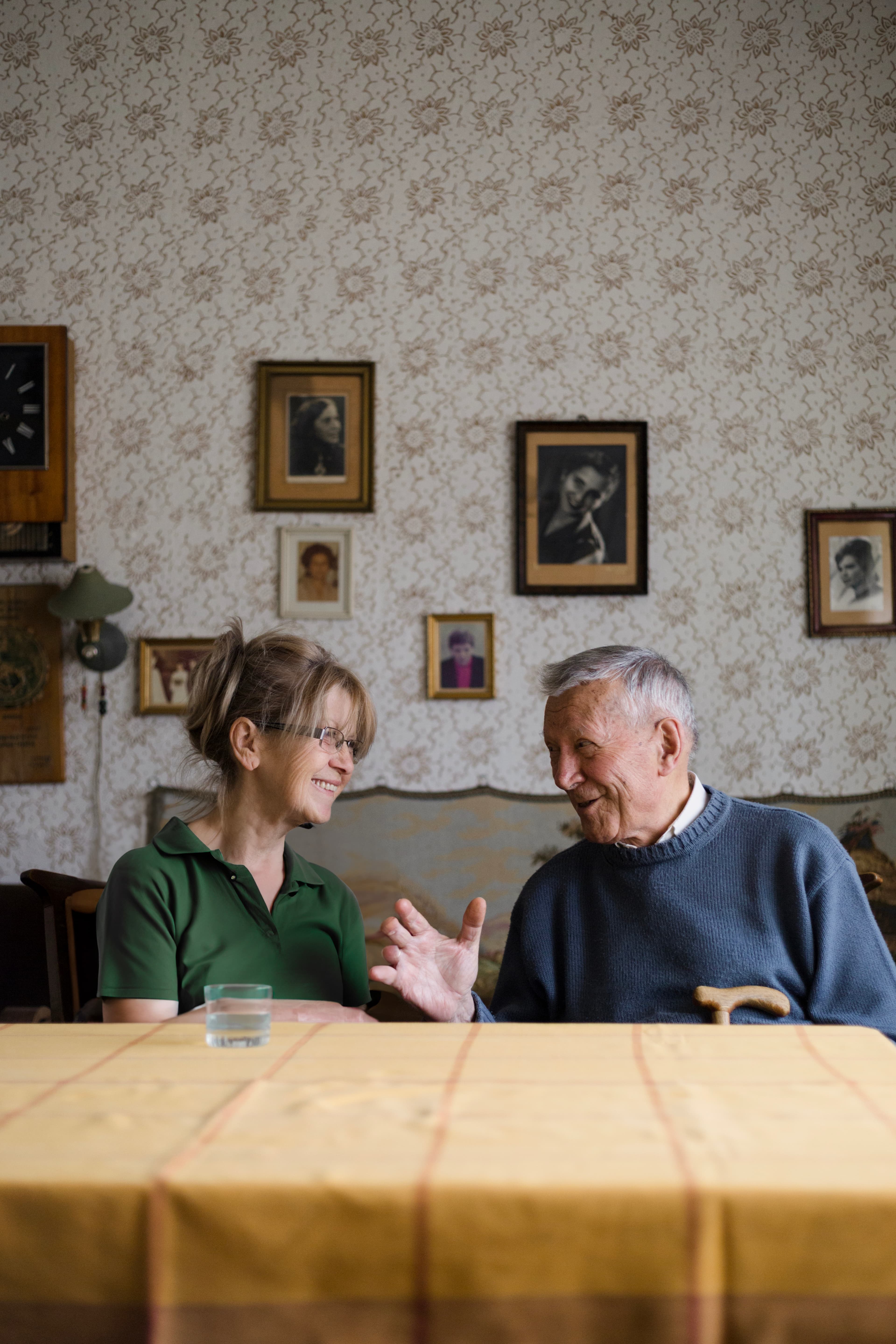
Sometimes it is the small details that gently catch your attention and make you pause. A familiar conversation feels a little different, or a routine sounds less settled than before. These moments can quietly prompt reflection, without any sense of urgency.
You may notice simple things along the way: a change in how days are organised, a task taking a little longer, or a habit that no longer fits as neatly into everyday life. It can be easy to brush these observations aside, especially when everything still feels largely familiar and reassuring.
This article explores how thoughtful support at home can help everyday life continue comfortably and independently, while keeping familiar routines in place. It is about taking time to understand what you are noticing, supporting choice and independence, and helping families feel confident and reassured as they move forward together.

Small Everyday Changes That Start To Add Up
One of the first things families notice is that day-to-day tasks seem to slip a little. On their own, these things can look minor. Over time, they can paint a clearer picture.
You might see that:
- The house is less tidy or not as clean as it once was
- Laundry piles up or the bedding is not changed as often
- There is very little fresh food in the fridge, or out-of-date items
- Simple repairs are left for longer than usual
These changes can be a sign that everyday jobs have simply become tiring or uncomfortable. Private care at home can include Home Help, such as support with light housework, laundry or shopping, so your loved one can conserve their energy for the parts of life they enjoy most.
Short sentences and plain language can make conversations about these topics feel more manageable, especially if your loved one finds the idea of “care” quite daunting at first.

Shifts in Mood, Confidence and Social Life
Emotional changes can be even more subtle than practical ones. You may notice that a usually chatty parent now gives shorter answers on the phone, or sounds more flat than before.
Other quiet signs might include:
- Stopping regular outings, groups or faith activities
- Making excuses not to see friends or family
- Becoming more anxious about going out, especially in bad weather
- Talking less about hobbies, interests or the wider world
Sometimes these changes are linked to loneliness or a loss of confidence after a health scare or bereavement. Companionship Care can offer relaxed company, conversation and gentle encouragement to get out and about again, where this feels right. A regular visit from a familiar Care Professional can make the week feel more structured and less lonely.

Concerns About Safety and Personal Care
You may also spot hints that personal care or safety is becoming harder to manage alone. Again, it is often the pattern rather than a single incident that matters.
You might notice:
- More bumps, bruises or near misses on the stairs
- Hesitation when getting in and out of the bath or shower
- Wearing the same clothes for several days
- Difficulty managing zips, buttons or shoes
- Medication bottles that are still full, or doses taken at the wrong time
These are sensitive topics, and it is normal to feel unsure about how to raise them. Private care at home can include Personal Care that is unhurried and respectful, such as support with washing, dressing and continence, alongside gentle medication prompts in line with the care plan. Having a trained Care Professional as a regular, trusted presence can make these tasks feel less daunting and more dignified.
If your loved one is living with memory loss or confusion, specialist Dementia Care at home can help keep routines familiar and reassuring, while supporting safety around the home.

When Caring Starts To Affect Your Own Wellbeing
Sometimes the first clear sign that extra support is needed shows up in your own life rather than your loved one’s. You might be:
- Juggling work, children and regular visits
- Waking in the night worrying if they are safe
- Taking on more and more tasks, with little rest
- Finding it hard to remember the last time you had a proper break
Feeling tired, guilty or pulled in many directions is very common among family carers. It does not mean you are doing anything wrong. It may simply mean that the situation has grown bigger than one person can realistically manage alone.
Inviting a Care Professional to support your loved one at home does not replace you. It can give you breathing space to be a daughter, son, partner or friend again, rather than only the organiser and problem solver.

How Private Care at Home Can Fit Around Daily Life
One of the benefits of private care at home is that support can be shaped around your loved one’s routines and preferences. It does not have to be all or nothing.
Care at Home visits can start with a small number of hours a week and increase only if and when needed. A visit might include:
- Help with getting up, washed and dressed
- Preparing a proper meal and sharing a cup of tea
- A short walk, a trip to a local shop or time with a favourite TV programme
- Support with evening routines and making sure doors and windows are secure
Companionship Care, Home Help, Dementia Care and Personal Care can be blended so your loved one receives the type of support that makes sense for them on each visit. The focus is on keeping life familiar, not turning the home into something that feels like a care setting.
Many families value seeing the same Care Professionals regularly. This continuity helps build trust and means small changes in mood, health or mobility are noticed and shared early.

Local Support From Our Home Instead Team
Home Instead Chingford has been supporting older adults and their families in Edmonton and the surrounding areas for many years. The team also supports people in Chingford, Highams Park and Stamford Hill, offering care at home that aims to fit around each person’s life rather than the other way round.
The office is rated Good by the Care Quality Commission and you can read the latest report on the Care Quality Commission website. Home Instead Chingford is also rated 9.9 out of 10 on homecare.co.uk, where families share their experiences in more detail.
If you would like to know more, you can look at our profile on homecare.co.uk or check our Google business listing for reviews and directions. The office is based at Offices, 2nd & 3rd Floor, 35-37 Station Rd, London E4 7BJ, which can be helpful to know if you prefer to pop in and speak to someone in person.

Taking The Next Step When You Feel Ready
If some of the signs in this article feel familiar, it does not mean you need to make immediate decisions. It can simply be a prompt to start gentle conversations with your loved one and to gather information about the support available in Edmonton and nearby.
Talking things through with a calm, experienced team can often make everything feel more manageable. If you feel it would help, you are very welcome to call Home Instead Chingford on 0208 114 2000 to discuss what is happening for your family and what kind of support at home might make a difference, either now or in the future.

How can we help?
We've helped thousands of families to stay safe, comfortable and happy at home. Whatever situation you're facing, or whatever the question is, Home Instead is here to help.
Are you in need of a little guidance right away?
03300 583450Other non-care-related enquiries
Areas We Serve
Chingford, Stoke Newington & the surrounding areas
E4 6, E4 7, E4 8, E4 9, N1 2, N15 3, N15 4, N15 5, N15 6, N16 0, N16 5, N16 6, N16 9, N17 0, N17 6, N17 7, N17 8, N17 9, N18 1, N18 2, N18 3, N22 5, N22 6, N22 8, N4 1, N4 2, N4 3, N4 4, N5 1, N5 2, N7 6, N7 7, N8 0, N8 9
Offices, 2nd & 3rd Floor, 35-37 Station Rd, London E4 7BJ, UK
0208 1142000