The Difference Between Being Safe and Feeling Safe at Home
Helping families understand how home care can support safety, comfort and confidence at home.

Home is where people feel most comfortable, most familiar, and most themselves. For many older adults, remaining at home while receiving support can bring reassurance, independence, and continuity. However, there is often an important difference between being safe at home and truly feeling safe at home.
A property may have secure locks, good lighting, and mobility aids in place, yet someone may still feel uncertain, anxious, or unsettled during the day or at night. Feeling safe is closely linked to confidence, routine, companionship, and knowing that support is available when needed.
For families arranging home care in Edmonton and the surrounding areas, understanding this difference can help creat e a more supportive and comfortable environment for a loved one.

Why Feeling Safe Matters Just as Much
Safety is often thought of in practical terms. This might include reducing trip hazards, helping with medication routines, or providing support with mobility around the home. These measures are important, but emotional reassurance matters too.
Many older adults experience changes that affect how secure they feel at home, including:
- Reduced mobility
- Changes in eyesight or hearing
- Memory difficulties
- Feeling isolated after bereavement
- Worry about falling
- Feeling uncertain about managing daily tasks alone
Even when there is no immediate danger, these worries can gradually affect confidence and wellbeing.
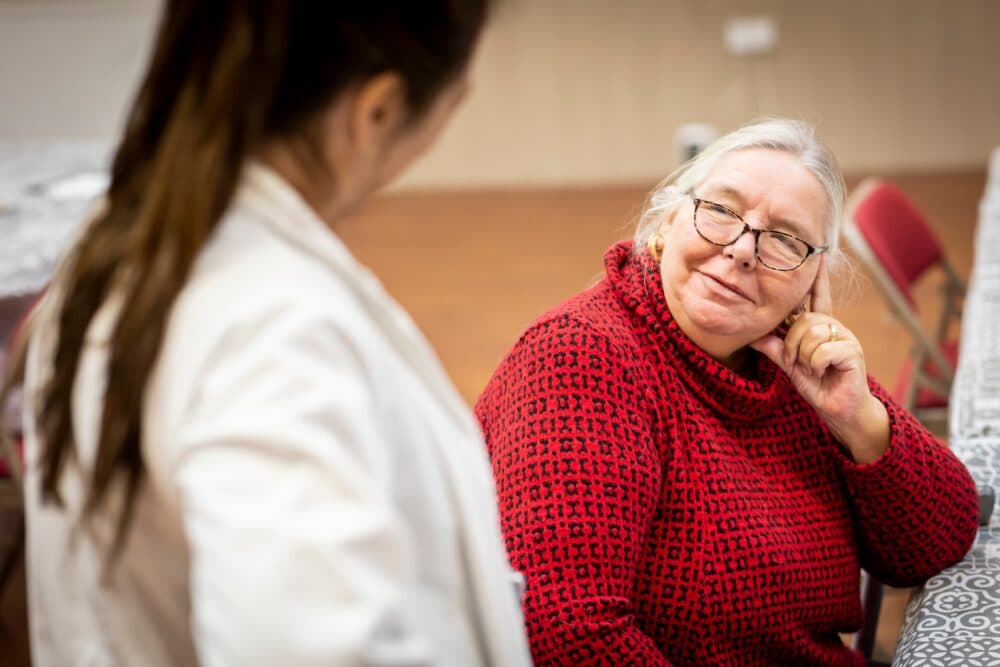
Feeling safe often comes from small but meaningful things. A familiar routine, a trusted Care Professional arriving at the same time each day, or simply having someone nearby to talk to can make a significant difference.
The Importance of Familiar Routines
Routines can provide comfort and stability. Knowing what to expect during the day can help reduce feelings of uncertainty and support emotional wellbeing.
Home care can help maintain routines that already feel familiar rather than disrupting them. This may include:
- Morning support at a preferred time
- Help preparing favourite meals
- Gentle reminders for medication
- Support with hobbies or activities
- Regular companionship visits
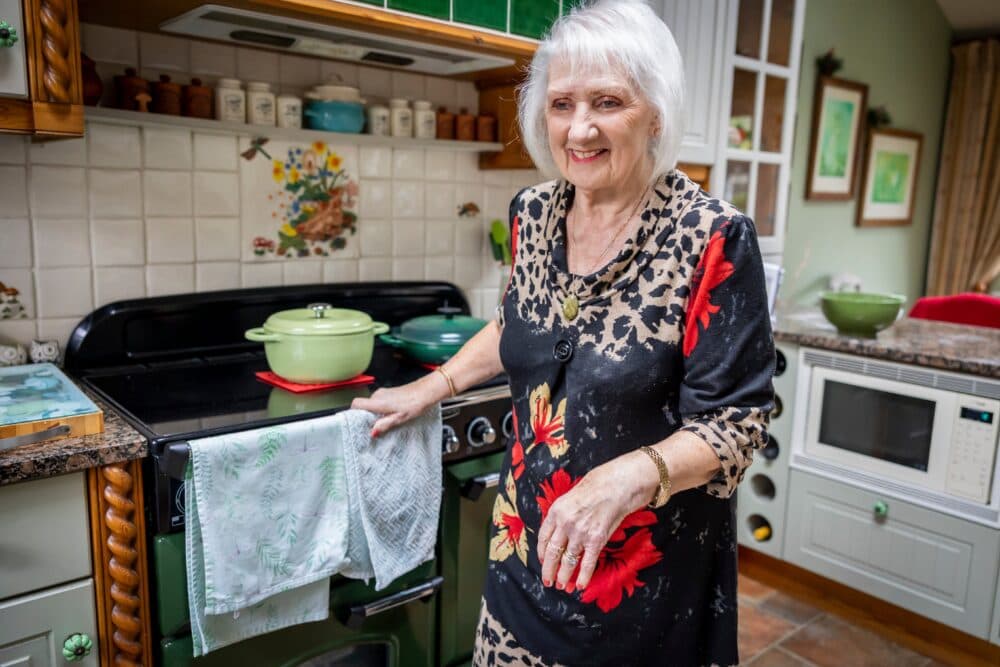
Remaining in familiar surroundings while continuing everyday routines can help people feel more settled and relaxed in their own home.

Creating a Comfortable Home Environment
Feeling safe at home is often connected to comfort and familiarity. Small adjustments can help make the home environment feel calmer and easier to manage without making it feel clinical or unfamiliar.
Some practical changes may include:
Improving Lighting
Well-lit spaces can help people move around more confidently, particularly during the evening or winter months.
Reducing Clutter
Keeping walkways clear can support safer movement around the home while also helping rooms feel more organised and comfortable.
Keeping Important Items Nearby
Having glasses, hearing aids, telephones, and favourite belongings within easy reach can help maintain independence and reduce frustration.
Maintaining Familiar Surroundings
Keeping cherished furniture, photographs, and personal items in place can provide emotional reassurance and help the home continue to feel welcoming and familiar.
Companionship and Emotional Reassurance
Feeling safe is not only about the physical environment. Emotional reassurance plays a major role too.
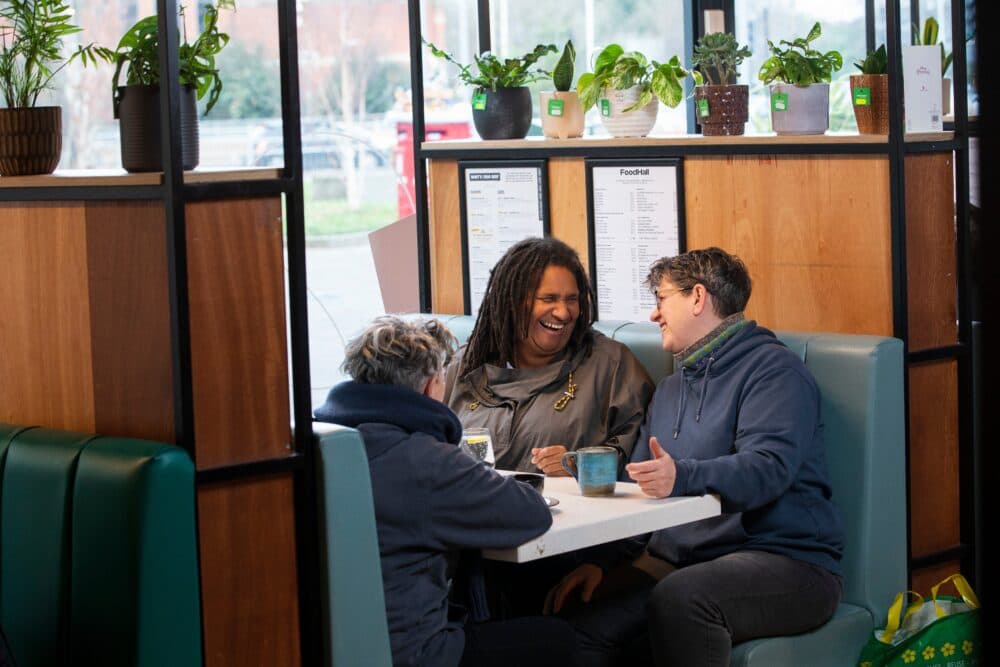
Loneliness and isolation can affect confidence, especially for older adults who spend long periods alone. Regular companionship visits can provide friendly conversation, encouragement, and reassurance throughout the week.
A trusted Care Professional can help someone feel more comfortable with daily tasks and provide peace of mind for both the individual and their family.
Simple moments such as sharing a cup of tea, chatting about local events, or enjoying a walk nearby can help people feel more connected and secure.

Support That Encourages Independence
Many people worry that asking for help means losing independence. In reality, the right support often helps people maintain their independence for longer.
Home care is designed to support people in ways that work around their lifestyle, preferences, and routines. This might involve a little support with household tasks, help getting ready in the morning, or companionship during the day.
Having reliable support available can help people feel more confident about remaining in the home they know and love.

Helping Families Feel Reassured Too
Families often carry worries about loved ones living alone, particularly if they cannot visit every day. Knowing that a trusted Care Professional is providing regular support can bring reassurance to everyone involved.
Good communication also helps families feel more informed and connected. Regular updates and consistent care routines can help reduce uncertainty and make day-to-day life feel more manageable for everyone.

Home Care in Edmonton and Nearby Areas
Every person’s idea of feeling safe is different. For some, it may mean knowing help is nearby. For others, it may be the reassurance of seeing a familiar face each week or having support to continue enjoying daily life at home.
Home care can provide gentle, personalised support that helps people feel comfortable, respected, and reassured in familiar surroundings.
Your Local Home Instead Team
At Home Instead Chingford, the local team provides compassionate home care support designed around each person’s individual needs and routines. The team supports older adults and families across Edmonton and nearby communities with care that focuses on comfort, familiarity, and reassurance.
Home Instead office name:
Home Instead Chingford
Office phone number:
0208 114 2000
Office website URL:
https://www.homeinstead.co.uk/chingford/
Google Business Profile link:
https://maps.app.goo.gl/qpGTotyhyb5zVWqz9
Areas covered (towns/villages/communities):
Finsbury Park, Edmonton, Chingford, Harringay, Islington, Stamford Hill, Stoke Newington, Tottenham
Postcodes served:
E4 6, E4 7, E4 8, E4 9, N1 2, N15 3, N15 4, N15 5, N15 6, N16 0, N16 5, N16 6, N16 9, N17 0, N17 6, N17 7, N17 8, N17 9, N18 1, N18 2, N18 3, N22 5, N22 6, N22 8, N4 1, N4 2, N4 3, N4 4, N5 1, N5 2, N7 6, N7 7, N8 0, N8 9
If you would like to learn more about home care services in Edmonton or discuss support for a loved one, the local team is available to help guide you through the options in a calm and supportive way.

Ratings and Compliance
Home Instead Chingford is committed to providing high-quality home care with a focus on professionalism, compassion, and reliability.
Homecare.co.uk rating:
9.9 out of 10
Profile link:
https://www.homecare.co.uk/homecare/agency.cfm/id/65432224887
CQC rating:
Good
CQC report link:
https://www.cqc.org.uk/location/1-3828437712/contact
To explore local home care services further or speak with the team about personalised support, you can visit the Home Instead Chingford website or contact the office directly.
Areas We Serve
Chingford, Stoke Newington & the surrounding areas
E4 6, E4 7, E4 8, E4 9, N1 2, N15 3, N15 4, N15 5, N15 6, N16 0, N16 5, N16 6, N16 9, N17 0, N17 6, N17 7, N17 8, N17 9, N18 1, N18 2, N18 3, N22 5, N22 6, N22 8, N4 1, N4 2, N4 3, N4 4, N5 1, N5 2, N7 6, N7 7, N8 0, N8 9
Offices, 2nd & 3rd Floor, 35-37 Station Rd, London E4 7BJ, UK
0208 1142000