The UK's Dementia Care Crisis: Improving Care and Support
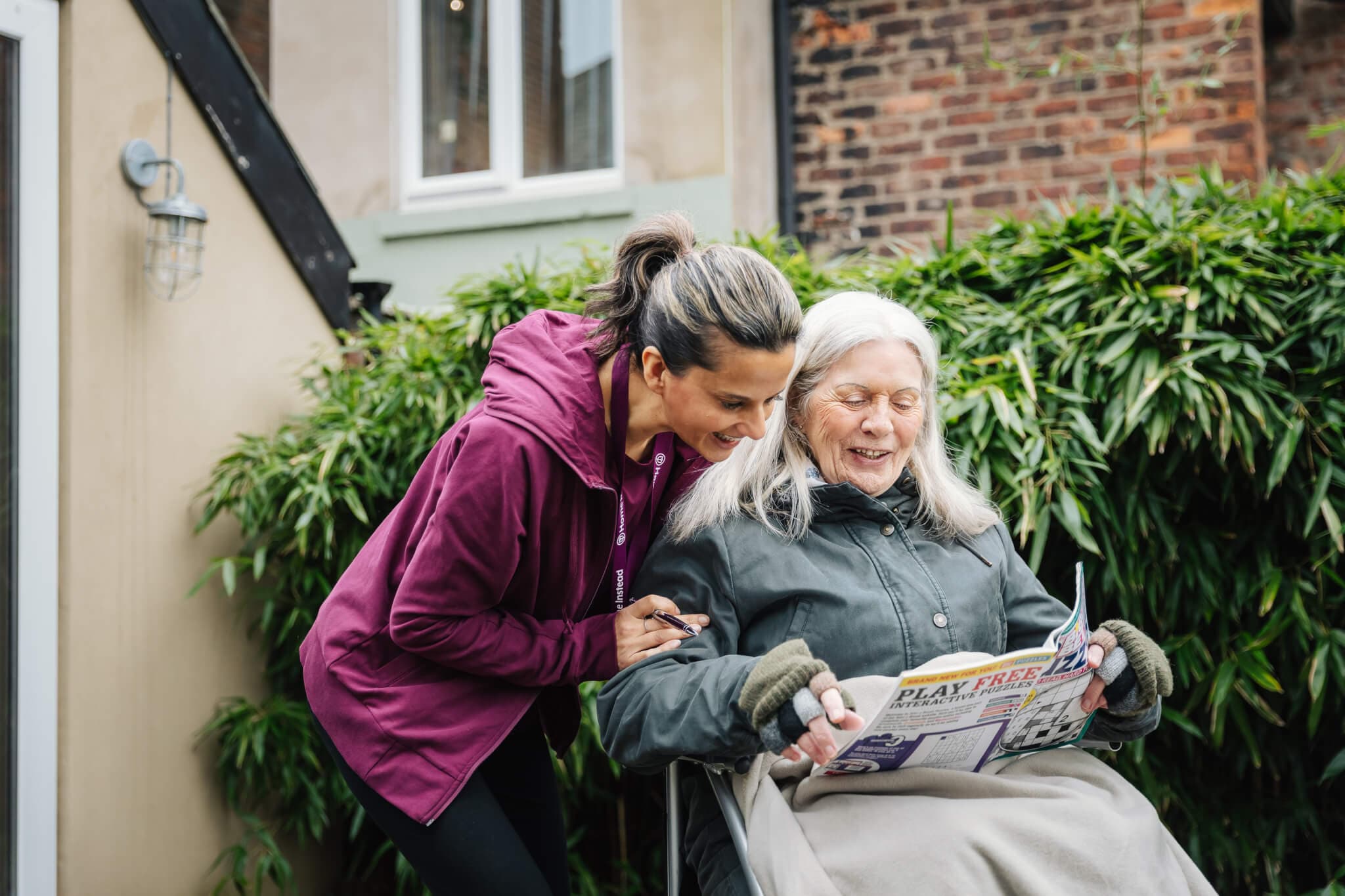
In recent months, we have had the privilege of attending various dementia support groups and engaging with dementia care providers, advocacy services and support groups as well as learning from individuals living with dementia. These experiences have provided invaluable insights into the challenges faced by those affected by and those living with dementia and the areas where improvements are needed in care and support.
One notable finding is the positive impact of technology, particularly devices like with VR and artificial intelligence like Alexa, in supporting individuals living with dementia. Reminders for medication, appointments, and events offered by Alexa have proven to be incredibly helpful in promoting independence and easing the responsibilities and stress of loved ones and care professionals. And Recreo VR provides immersive experiences tailored to support individuals living with dementia, enhancing cognitive engagement and fostering joy. Read more here: A great blog post by our friends the Alzheimer’s Society also goes into how Artificial Intelligence can benefit those living with dementia. You can read about that here!

However, amidst these technological advancements, there remain significant gaps in the provision of healthcare services for individuals living with dementia and a lack of time and consistent support for their loved ones. Follow-ups from GPs after a dementia diagnosis are often described as a “lottery,” with inconsistent levels of support and follow-up checks being offered. Similarly, annual dementia reviews, which are crucial for monitoring the progression of the condition and adjusting care plans, accordingly, are not always conducted, and when they are, they may not be carried out by professionals with sufficient experience in dementia care.
Furthermore, the administrative aspects of dementia care can be overwhelming for individuals and their families. One of the most poignant observations from my interactions with individuals living with dementia is how documents such as Respect Forms and other end-of-life-related paperwork are often presented in a daunting manner, adding unnecessary stress to an already challenging situation. Another topic brought up at Age UK’s Memory Event by Author Maxine Linnell is the importance of framing conversations in a positive and empowering manner. Rather than focusing solely on what individuals with dementia “can’t do,” it is crucial to highlight their strengths and capabilities, fostering a sense of dignity and agency.

The dementia care crisis is a pressing issue affecting countless individuals and families worldwide. With an aging population and an increase in dementia diagnoses, there’s a growing demand for specialized care services. Home Instead’s specialist dementia care aims to bridge this gap by providing tailored support that prioritizes the unique needs and challenges of those living with dementia. Our compassionate care professionals undergo extensive training to understand the complexities of dementia and deliver personalized care that enhances quality of life. From assistance with daily tasks to emotional support and companionship, our goal is to empower individuals living with dementia to live comfortably and safely in familiar surroundings while offering peace of mind to their families. By addressing the specific needs of those living with dementia, Home Instead strives to make a positive impact in the face of the dementia care crisis.
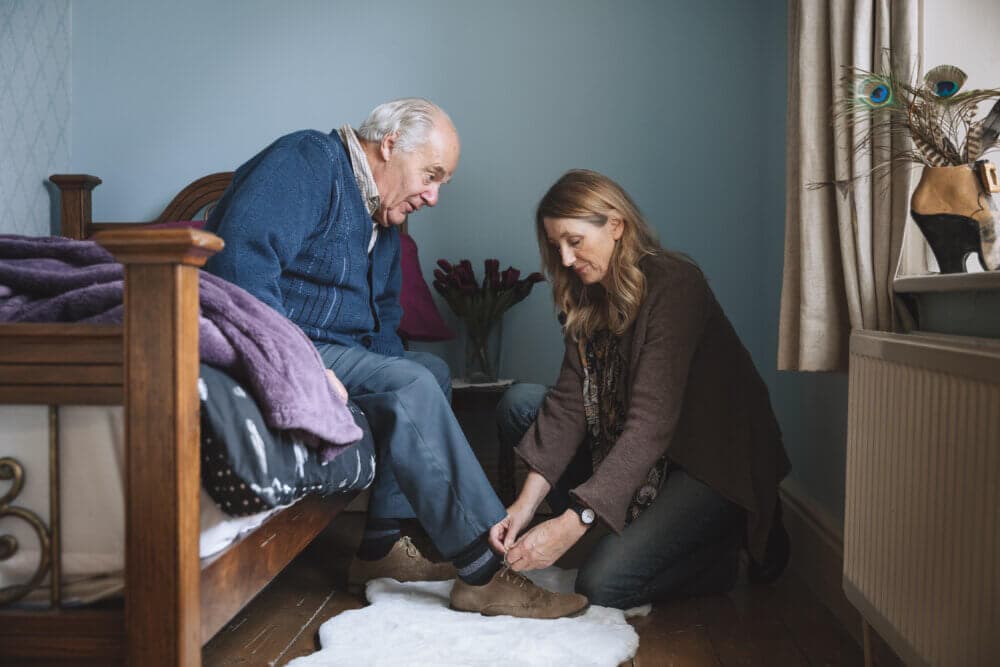
In conclusion, while advancements in technology offer promising solutions for supporting individuals living with dementia, there is still much work to be done in improving the overall quality of care and support. By addressing gaps in healthcare services, simplifying and making the administrative processes more gentle, and adopting a person-centred approach to care, we can strive towards a more compassionate and supportive environment for those living with dementia. Moreover, ensuring that individuals with dementia and their loved ones have better access to support from GPs and hospitals is crucial in this journey towards enhanced care and understanding.