How to Talk to a Loved One About Care When They Don't Think They Need It
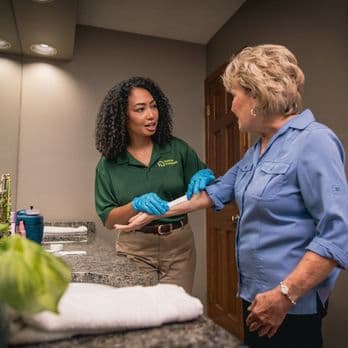
For many families, one of the most difficult conversations they will ever have is discussing care with a loved one. Whether it’s a parent, grandparent, spouse, or close relative, recognising that someone may need extra support is challenging enough. Raising the subject with someone who doesn’t believe they need help can feel even more daunting.
It’s a conversation often filled with emotion, worry, and uncertainty. Many older adults value their independence above all else and may see the suggestion of care as a threat to their freedom. However, when approached with understanding, patience, and empathy, introducing care can become a positive step towards maintaining independence rather than losing it.
Why People Often Resist Care
Before having the conversation, it’s important to understand why someone may be reluctant to accept support. Many older adults fear that accepting care means they are no longer capable of looking after themselves. Others worry about becoming a burden on their family, losing control over their daily routine, or having strangers in their home.
Sometimes, the changes that family members notice are not as obvious to the individual themselves. Gradual declines in mobility, memory, confidence, or physical health can happen so slowly that the person adapts without fully recognising the impact. Understanding these concerns can help families approach the discussion from a place of compassion rather than frustration.
Look for the Signs
Often, family members begin considering care after noticing changes such as:
- Missed medication or confusion around prescriptions
- Difficulty with household tasks
- Reduced personal hygiene
- Weight loss or poor nutrition
- Increased forgetfulness
- Falls or near misses
- Loneliness or social withdrawal
- Difficulty managing appointments or finances
- Increased reliance on family members
These signs do not necessarily mean someone requires extensive support, but they may indicate that a little extra help could improve their safety, wellbeing, and quality of life.
Choose the Right Time
Timing can make a significant difference. Avoid raising the topic during a crisis, family disagreement, or immediately after an incident unless urgent action is required. Instead, choose a calm and relaxed moment when you can talk without interruptions. Allow plenty of time for discussion and be prepared for the conversation to continue over several weeks or months rather than being resolved in a single sitting.
Start with Listening
One of the biggest mistakes families make is focusing immediately on what they think their loved one needs. Instead, begin by listening. Ask open-ended questions such as:
- How have you been finding things recently?
- Is there anything you’re finding more difficult than before?
- Are there any tasks you’d like help with?
- How confident do you feel getting out and about?
Giving someone the opportunity to express their own concerns often creates a more productive conversation than presenting a list of observations.
Focus on Independence, Not Dependence
Many people associate care with losing independence. In reality, quality home care is often about preserving it. Rather than saying:
“You need someone to look after you.”
Try saying:
“Would having a little extra support help you continue doing the things you enjoy?”
Explain that care can be tailored to their needs. It might simply involve companionship, help with shopping, support around the home, or assistance with medication rather than extensive personal care. The goal is to emphasise that support can help them remain safely and comfortably in their own home for longer.
Avoid Taking Control Away
Even when families have the best intentions, it can be tempting to make decisions on behalf of a loved one. Whenever possible, involve them in the process. Ask for their opinions. Discuss options together. Allow them to participate in choosing a care provider and deciding what support they would find beneficial. People are often far more receptive when they feel they have control over the decisions affecting their lives.
Start Small
Introducing care doesn’t have to mean making significant changes overnight. Sometimes beginning with one or two visits per week can help someone become comfortable with receiving support.
For example:
- A weekly companionship visit
- Help with shopping
- Support attending appointments
- Assistance with meal preparation
- Light housekeeping
Once trust is established and the benefits become apparent, many people naturally become more open to additional support if needed.
Involve Trusted Professionals
If your loved one remains reluctant, it can sometimes help to involve someone they trust. A GP, healthcare professional, community nurse, or trusted family friend may be able to reinforce the message in a way that feels less personal or emotional. Hearing concerns from an independent professional can often help people recognise changes they may not have previously acknowledged.
Be Patient
Perhaps the most important thing to remember is that acceptance often takes time. The first conversation may not result in immediate agreement. In fact, resistance is completely normal. What matters is keeping communication open and continuing to approach the subject with patience and understanding. Avoid arguments or ultimatums wherever possible. Instead, revisit the conversation gently over time while continuing to focus on what matters most to your loved one.
How Home Care Can Help
At Home Instead Charnwood, we understand that beginning care can feel like a significant step for both individuals and their families. Our approach focuses on building relationships, maintaining independence, and providing personalised support that fits around each person’s lifestyle and preferences. Whether someone would benefit from companionship, help around the home, personal care, or specialist support, our Care Professionals work alongside families to ensure care feels supportive, respectful, and empowering.
Final Thoughts
Talking to a loved one about care is rarely easy, but it is often one of the most important conversations a family can have. By approaching the discussion with empathy, patience, and a focus on maintaining independence, families can help their loved ones see care not as a loss of freedom, but as a way of continuing to live safely, confidently, and comfortably at home. If you’re unsure where to start, speaking with a professional care provider can help you explore options and find the right level of support for your family’s circumstances.