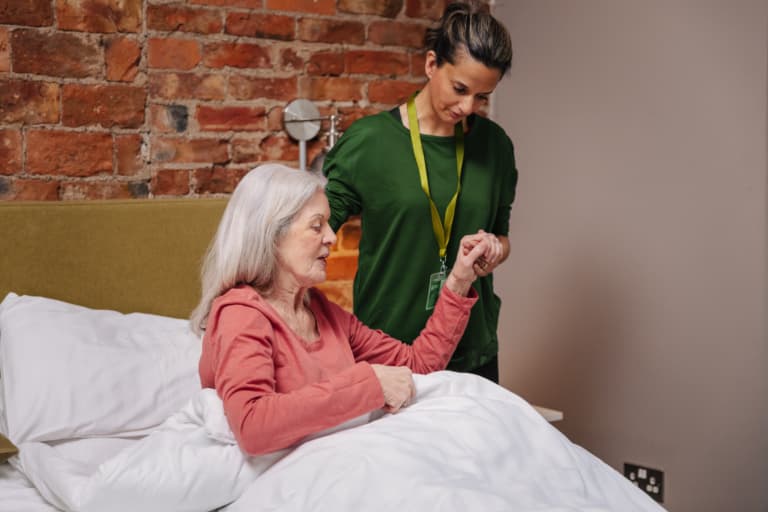
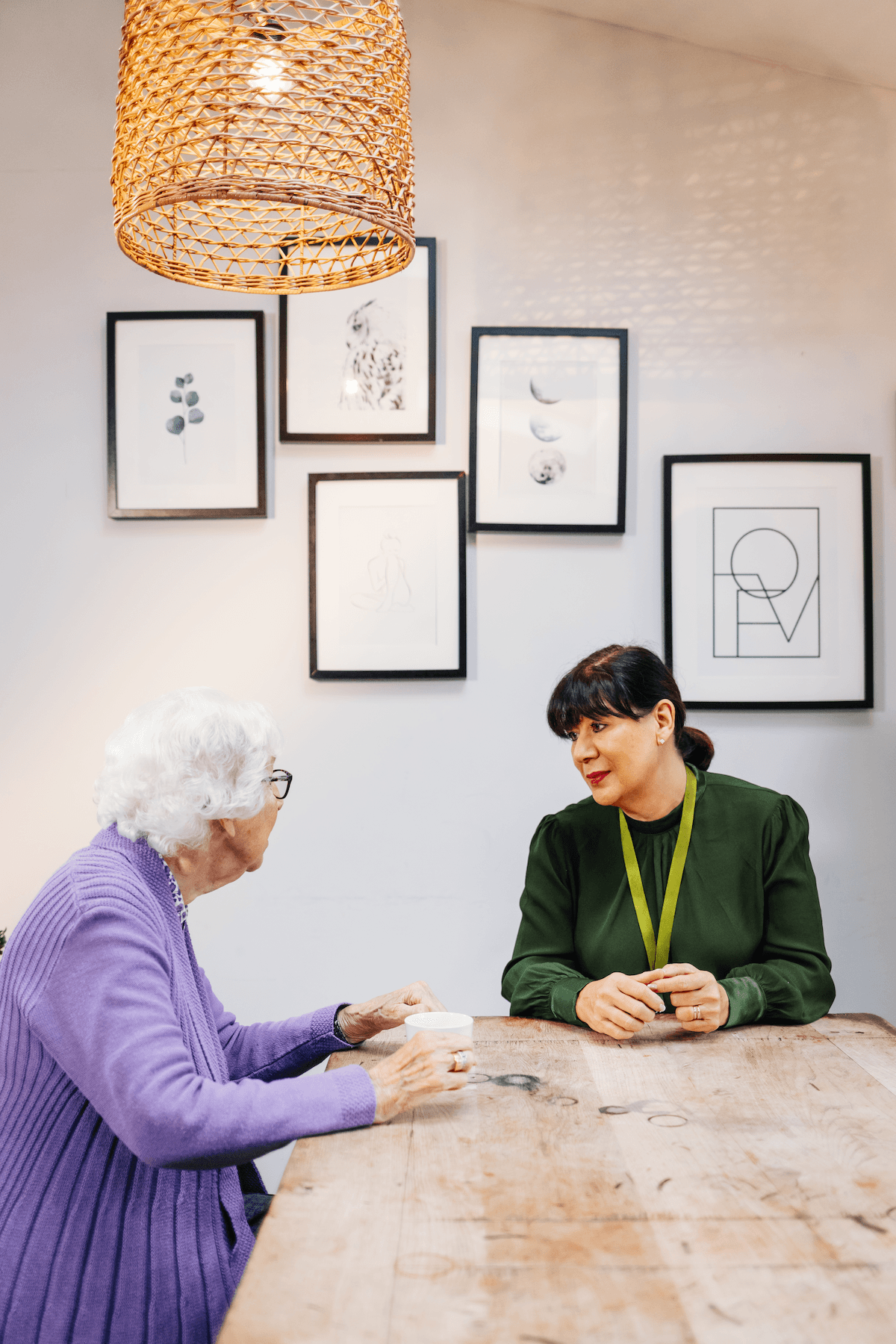
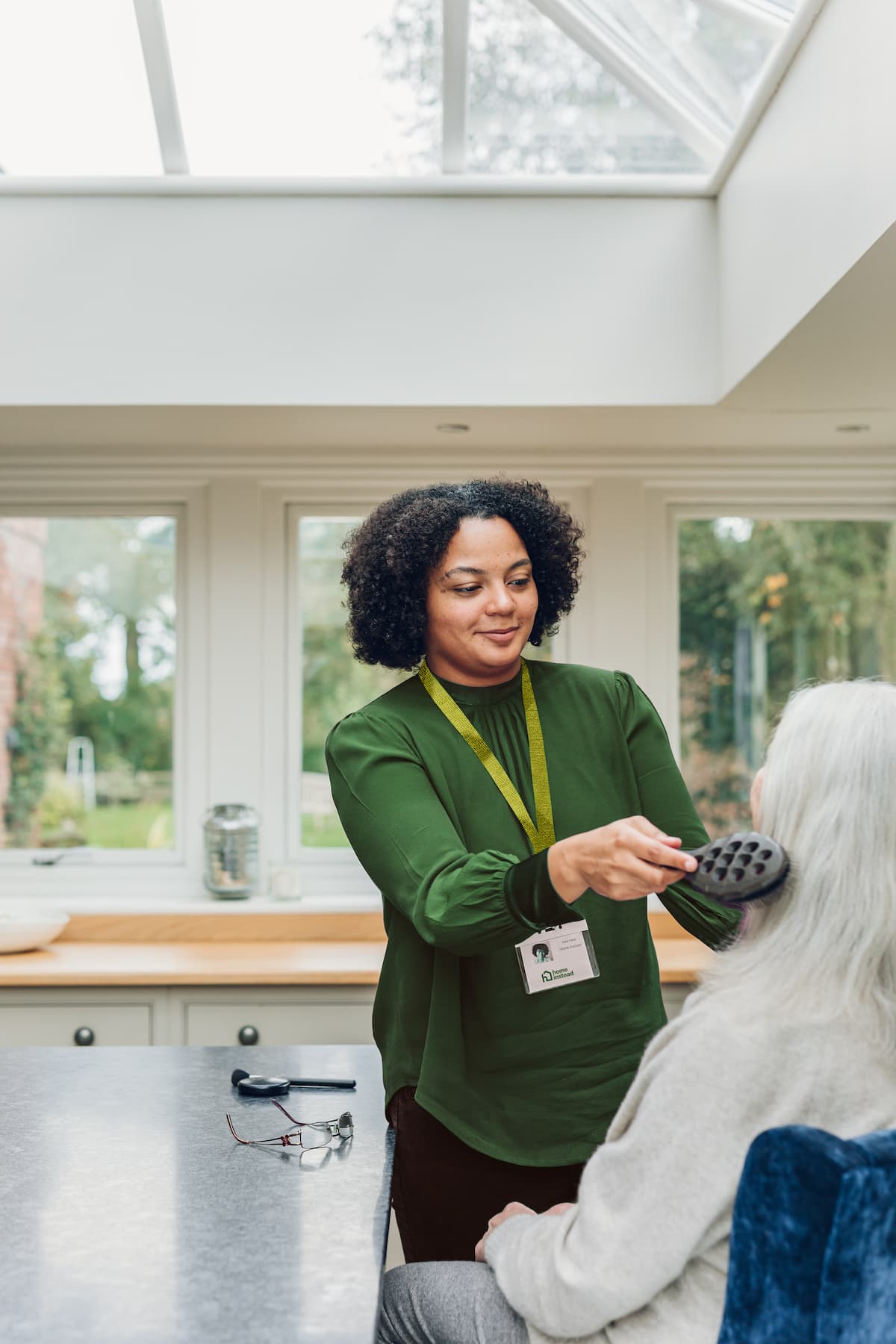
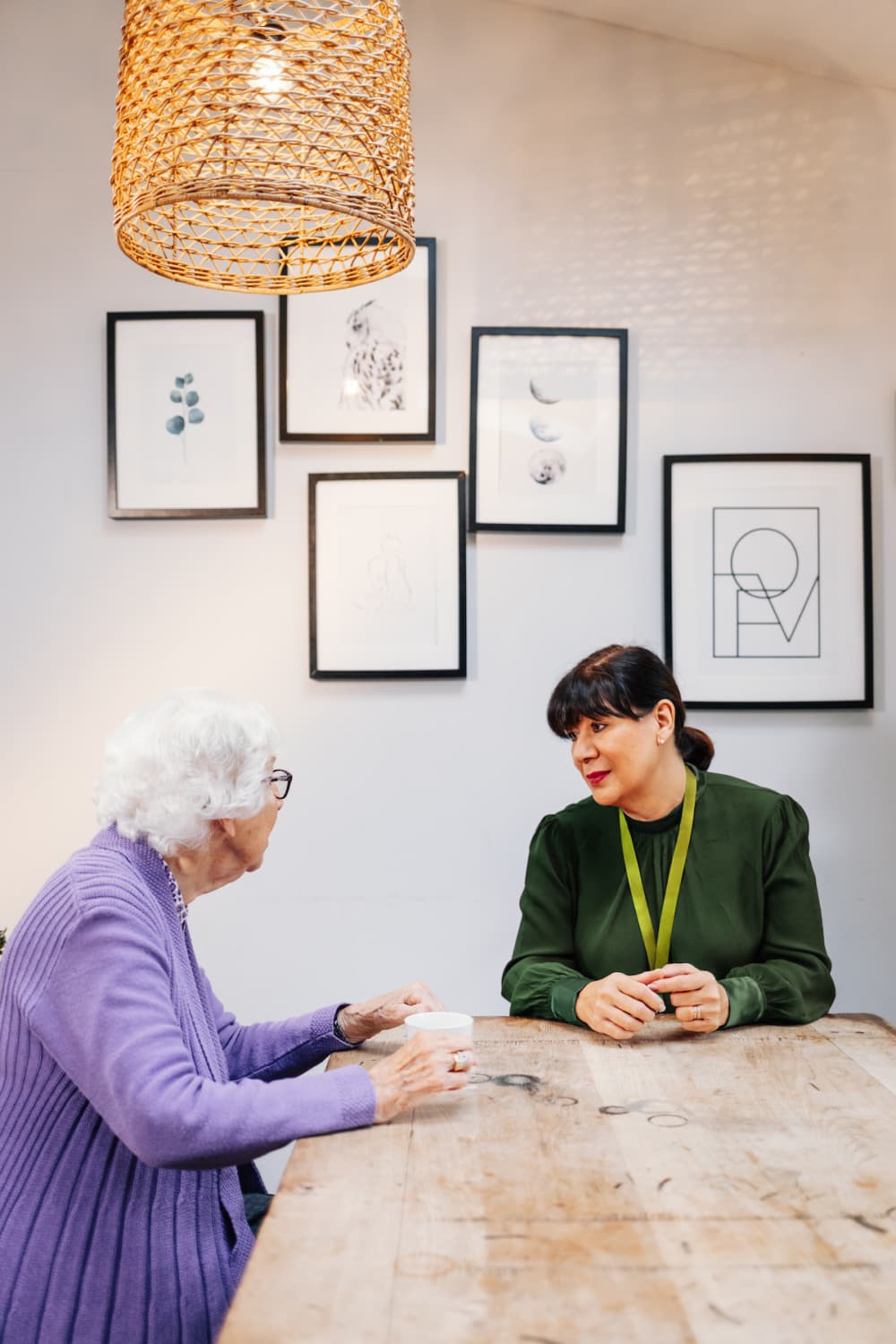
Our dementia care in West Bridgford supports people to do exactly that, with compassionate, personalised help tailored to individual needs. From gentle morning routines and dignified personal care to assistance with outings and meaningful activities linked to long-held interests and hobbies, we carefully match support to the person. Every detailed care plan reflects their unique preferences, established habits, and exactly how they like their day to go.
Highest regulatory ratingsCare for 18,000+ older peopleRecommended by 95% of our clients 10,000 trained Care ProfessionalsHomecare.co.uk rating 9.6/10
Highest regulatory ratingsCare for 18,000+ older peopleRecommended by 95% of our clients 10,000 trained Care ProfessionalsHomecare.co.uk rating 9.6/10
Why Home Instead?
Personalised dementia care that starts with listening
Your situation is unique – your care should be too. We match our Care Professionals based on their dementia training, interests and personality, so care is always tailored to you.
20 years of trusted experience
We exceed UK regulatory standards, rank highly on Homecare.co.uk, and our qualified Care Professionals are trained to the highest standard so you can have complete peace of mind.
City & Guilds Assured dementia training
Our programme was created exclusively for Home Instead, and developed alongside key dementia specialists. We focus on caring not just for the condition, but for the person behind it.
Compassionate support for complex behaviours
We work to understand your loved one's world so we can join them in it - this helps us keep them safe and calm, provide stimulating activities, and effectively soothe challenging and complex behaviours.
Your Local Office
Home Care in West Bridgford
The team here at Home Instead Central Nottingham and West Bridgford are proud to provide expert home care in West Bridgford. Get in touch to find out how we can help you or your loved ones.
Each care plan we put together is specific. We learn how someone likes their morning to start, what they enjoy eating, which tasks they're comfortable with and where they'd welcome help. Meal preparation follows familiar recipes and preferences. Light housekeeping keeps the home comfortable without rearranging anything unnecessarily.
A client who's always enjoyed green spaces might welcome a supported walk through Bridgford Park, or a visit to the Rock of Ages Seniors Club at Lutterell Hall for a hot meal and some company. We include local places and activities that already mean something to the person.
We're regulated by the CQC, and our Care Professionals complete specialist dementia training before they begin supporting clients. This includes practical techniques for encouraging engagement through personal interests, whether that's looking through a photograph album, listening to music from a particular era, or working on a familiar hobby. Medication prompts happen at consistent times each day, helping maintain a steady routine.
Whatever your situation, Home Instead can provide quality care to enable your loved one to stay where they belong: at home. Share your details here and one of our friendly advisors will reach out to answer your questions.
Thanks again for the great care you all are giving Mum, from someone so reluctant to accept care now looks forward daily to her Care Professionals. BIG achievement!
Janet, Client's Family
Loading form...
By submitting this form, you consent to Home Instead contacting you about our care services. Your data is handled in accordance with our Privacy Policy. We will never share your information with third parties for marketing purposes.
Our Home Care Services
We're ready to help you make an informed, confident choice for your loved one, with bespoke and easily-adapted packages designed around their needs.
Hourly Home Care
When your loved one begins to need more frequent support, our flexible home care solutions help them stay safe and independent at home. We don't take a one-size-fits-all approach. Instead, we personalise your experience with responsive, attentive, and genuinely compassionate care, so you can feel reassured they are in capable hands.
We understand how overwhelming it can be to leave your loved one if they live with a condition like dementia, arthritis, or diabetes. Our highly experienced Care Professionals are matched based on their specialist knowledge and expertise, so you can feel content knowing your loved one's health conditions are carefully monitored and managed.
We are proud to be the benchmark for exceptional care, so all of our qualified Care Professionals receive training that goes above and beyond the industry standard. When it comes to complex health conditions, you can rest assured that your loved one's safety and wellbeing is always a top priority.
Our live-in care provides round-the-clock support and offers a welcome alternative to residential care, empowering your loved one to remain independent in the environment they know. With person-centred care from someone they recognise, older individuals can benefit from familiarity, friendship, and a consistent care plan.
Thanks again for the great care you all are giving Mum, from someone so reluctant to accept care now looks forward daily to her Care Professionals. BIG achievement!
Janet, Client's Family
Home Instead provide first class care. My care professionals are patient, kind and very reliable. I am very happy with the service they provide
Paul, Client
As I got older, I realised that this service had made me happy in my own home.
Elisie, Client
Choosing Home Instead West Bridgford for personalised home care
The same Care Professionals visit each client regularly, becoming a recognised, welcome presence in the home. They know the person well and understand their preferences and routines, so they're quick to notice small shifts in mood, behaviour, or ability that someone less familiar might miss. This continuity means subtle changes indicating progression or simply a difficult day are spotted early and addressed appropriately.
All our Care Professionals complete City & Guilds-assured dementia training, covering communication techniques specific to each stage of the condition. This includes understanding how dementia affects perception, memory, and emotional responses. When someone is confused or upset, our team responds with calm, clear language and gentle prompts. They learn to speak slowly, use simple sentences, and maintain appropriate eye contact. They know when to offer reassurance and when to simply be a steady, quiet presence, allowing the person time to process information without feeling rushed or overwhelmed.
Our West Bridgford Team is With You Through Every Step
As dementia evolves, care plans need to keep pace. We carry out regular reviews and adjust support accordingly, liaising with GPs, occupational therapists, or social workers to ensure a coordinated approach.
Planning ahead is something we do with you, not just for you, so decisions about increasing support or trying different approaches are always collaborative. We believe families know their loved ones best, and your insights are invaluable when determining the right care approach. Your knowledge of their preferences, routines, and personality helps us provide truly personalised care. Whether adjusting daily routines, introducing new activities, or increasing personal care support, every decision is made together.
Between reviews, we're available for questions whenever they arise. If something changes unexpectedly, you won't wait for formal meetings to discuss it. Our team understands that dementia can bring sudden changes needing immediate attention.
We deliver tailored home care to the West Bridgford community to nurture wellbeing and independence.
We adapt our services to fit your life, delivering compassionate, consistent, and attentive care, enabling you to thrive in your home and community.
Our dementia care in West Bridgford is designed by experts and is City & Guilds Assured, so you know your loved one is receiving only the very best care. Our Care Professionals focus on creating an environment that's calm and consistent, while maintaining dignity and familiar routines to reduce confusion and keep clients comfortable.
Having someone stay in your home to provide care can feel daunting, but our live-in care solutions help to bring older adults more independence and enjoy a greater sense of wellbeing. If you value the peace of mind that comes with knowing there is always someone nearby, live-in care in West Bridgford could be an excellent alternative to a care home.
The right support is crucial when managing pain and end-of-life care. Our palliative care focuses on dignity and enables your loved one to remain in the place they feel happiest. We provide considerate palliative care in West Bridgford, so you can spend more meaningful moments together while we carefully manage their pain and comfort.
Taking a break from caring can feel impossible if your loved one is lonely or has challenging health conditions, but our respite care in West Bridgford is designed to step in with dependable care at any time. Whether you're recharging your batteries or managing other commitments, our Care Professionals can provide reliable support, so you can take time to yourself without disrupting routines.
Discover personalised, flexible personal care for older adults in West Bridgford, from compassionate Care Professionals focused on encouraging independence.
Discover personalised, flexible overnight care for older adults in West Bridgford, from compassionate Care Professionals focused on encouraging independence.
Discover personalised, flexible overnight care for older adults in West Bridgford, from compassionate Care Professionals focused on encouraging independence.