Elderly learning disability support
Friendly, personalised support from trusted and experienced Care Professionals, helping elderly people with learning disabilities to live independently in their own home.
What is learning disability support?
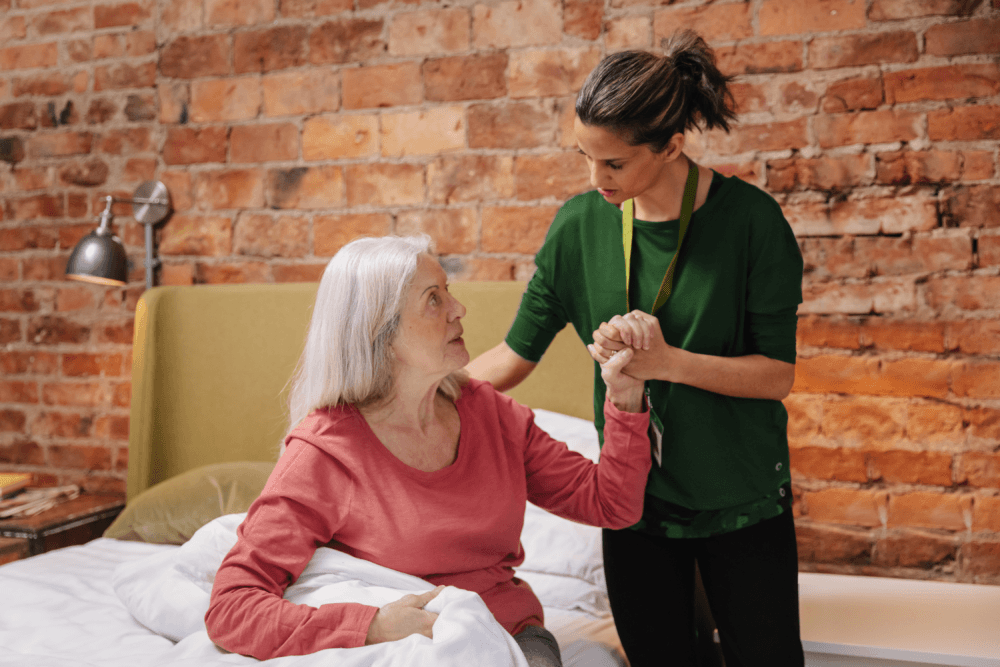
Around 1.3 million people in England have a learning disability. This affects how the brain processes information; for example, they might find it difficult to take in, understand or retain new information in order to use it in future. Although a learning disability does not impact intelligence, it may affect how they speak, read or write, as well as their ability to look after themselves at home. Learning disabilities could be slight or severe, and will look different for everyone. Our Care Professionals can help people with learning disabilities with:
- Housekeeping to maintain their home
- Meal preparation and cooking
- Companionship to foster independence
- Emotional support to encourage self-confidence
- Health monitoring and assistance, if needed
Why is learning disability support at home helpful for older adults?
For older people with learning disabilities, living independently in their own home (if possible) can improve their quality of life and confidence, and allow them to shape a life they truly enjoy with the support of loved ones or professional caregivers.
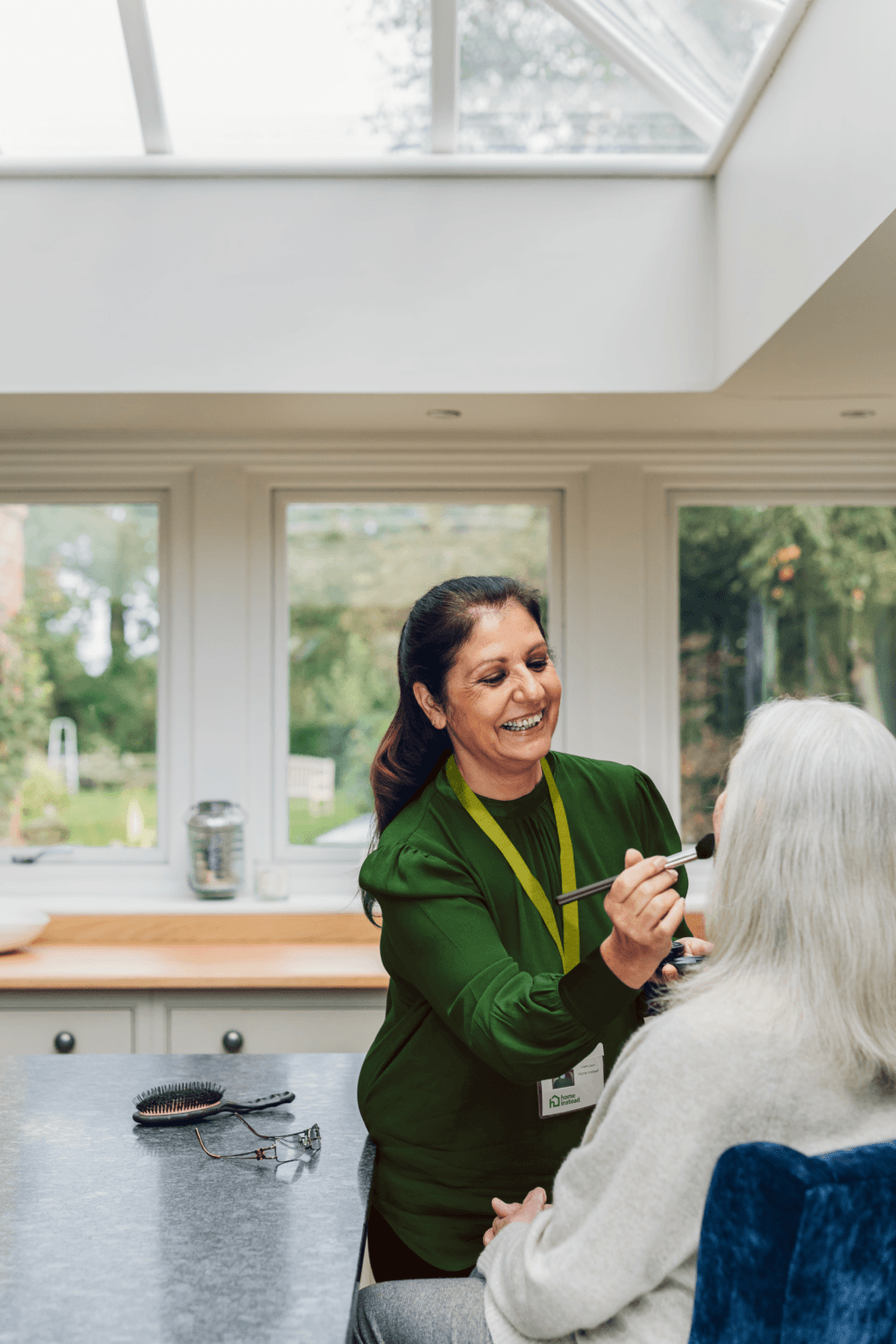
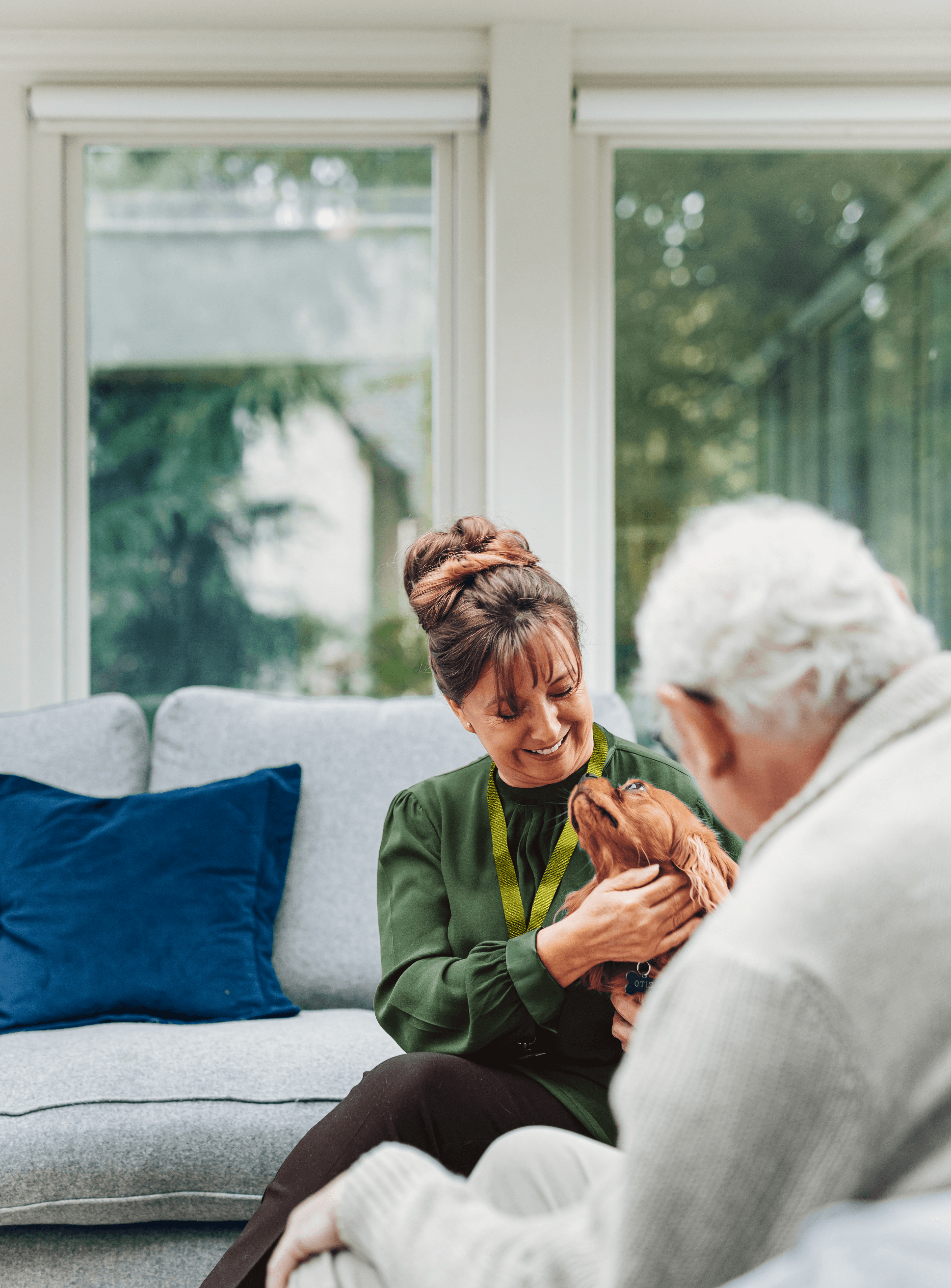
Learning disability support at home could help with practical tasks like personal care if needed, pet care, or companionship to accompany them to appointments and shopping. If more specialised care is needed, such as diabetes monitoring or mobility support, our dedicated Care Professionals can do this too, taking a holistic approach to daily support.
Whether you need regular visiting care to check in, or full-time live-in care for more intensive support, we can help.
Do I need learning disability support?
Whether you require learning disability support for yourself or a loved one, our professional caregivers enable you to design your own schedule of care with the personalised services you need to enhance your quality of life.
We can help people with Down’s Syndrome, Williams Syndrome and other conditions, as well as autism. While autism is not a learning disability in itself, often people with autism will have an additional learning disability and require home help.
If you are a caregiver for a loved one with a learning disability, we can also provide ad-hoc respite care to take over while you have a break for any reason, such as to manage other life responsibilities or to go on holiday.
How can we help?
We've helped thousands of families to stay safe, comfortable and happy at home. Whatever situation you're facing, or whatever the question is, Home Instead is here to help.
Are you in need of a little guidance right away?
03300 583450Other non-care-related enquiries
I am very happy with the support, care and kindness I receive from all the staff of Home Instead.
B.M, Client
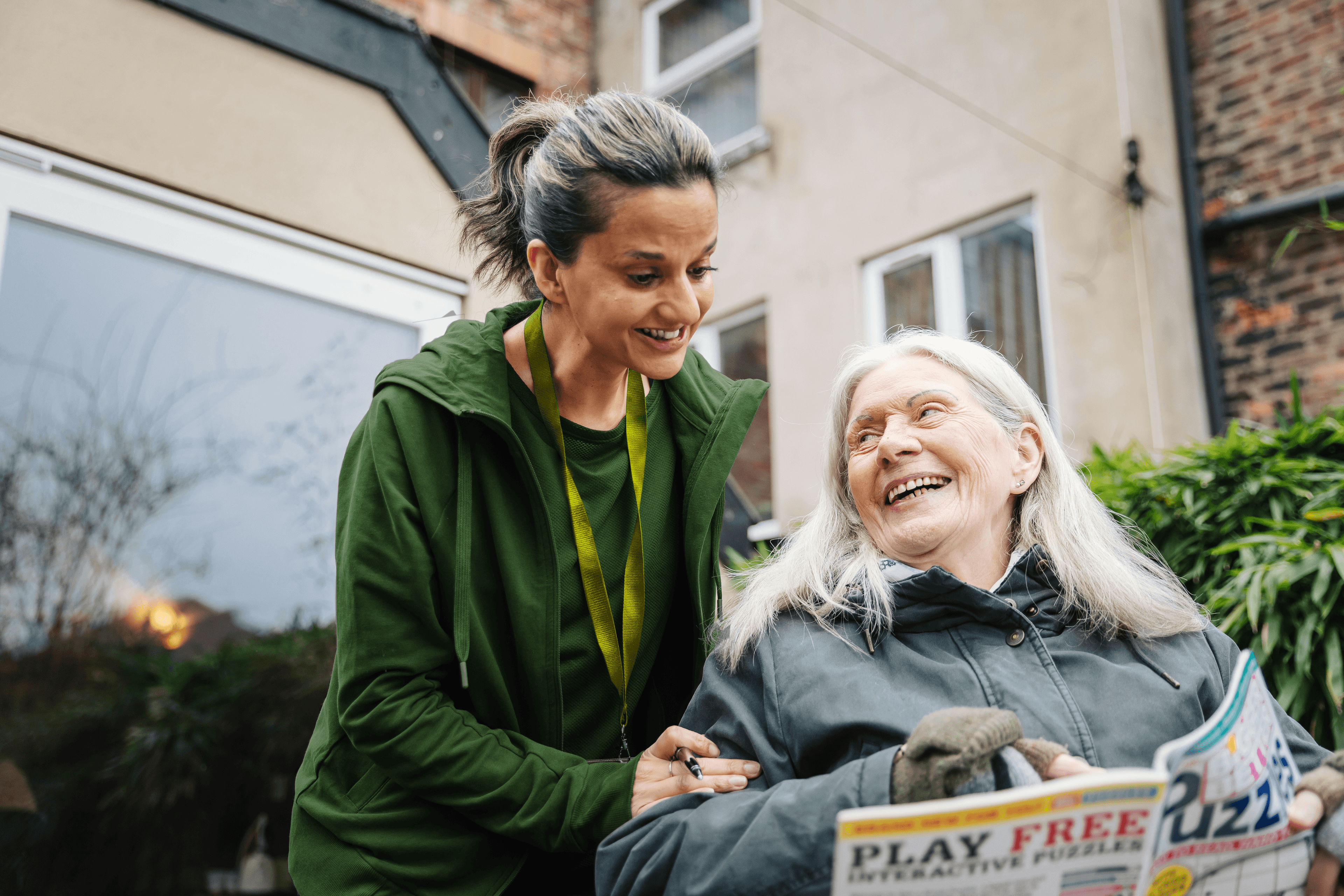
We have been relying on Home Instead for nearly five years now and they have been wonderfully helpful and flexible throughout. I don’t know what we’d do without them.
Carol, Client

Home Instead have been looking after my father for a few years now, without them we would not be able to manage having him living in his own home. They are always bright and cheerful and Dad enjoys seeing them.
Bridget, Client's Family
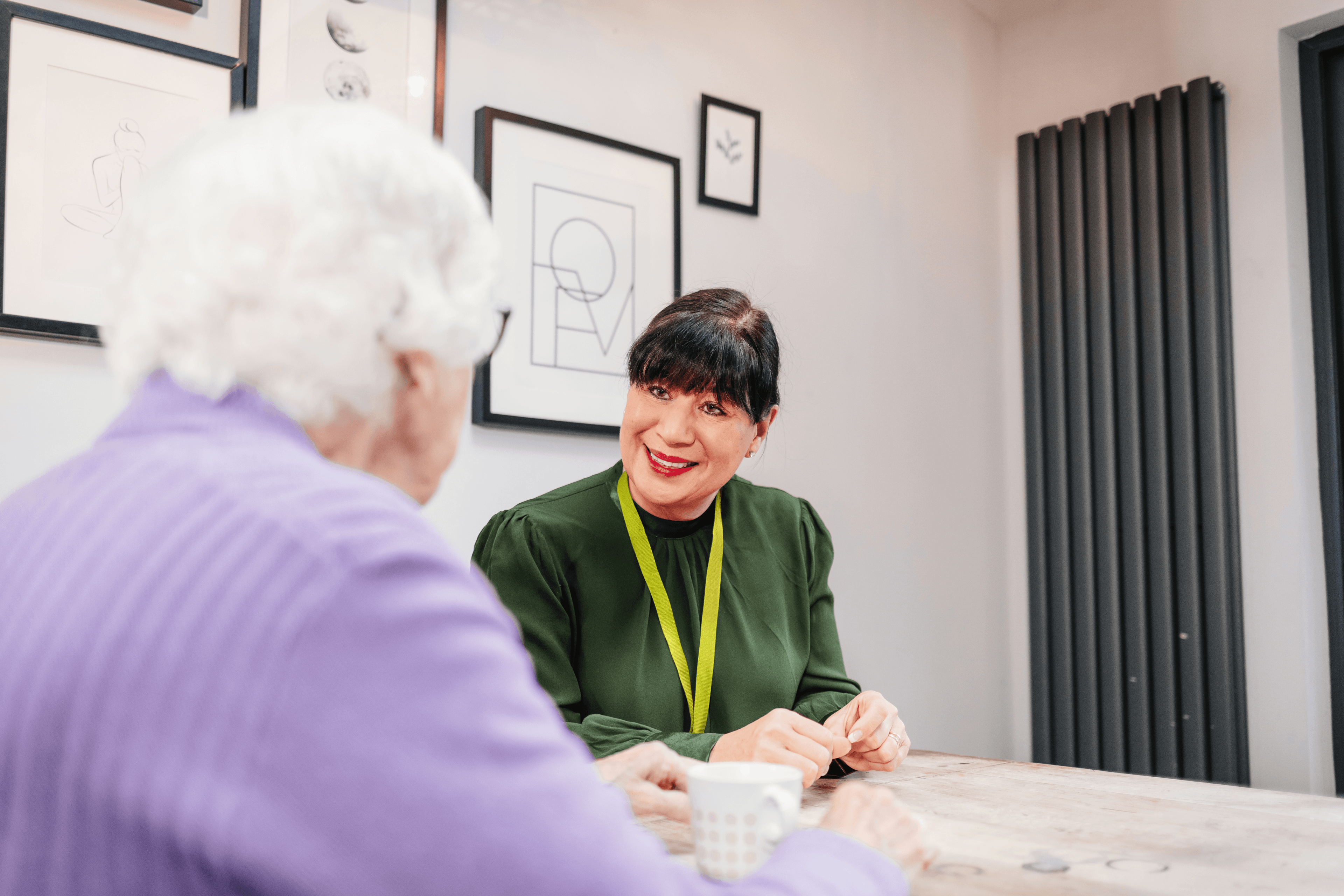
Knowing that mum has caring and genuine people to help take care of her gives me peace of mind and mum looks forward to seeing the Care Professionals. Thank you for making such a big difference to both of our lives.
Rebecca, Client's Family
Get in touch today to
see how we can help
Get in touch How to get started arranging learning disability support
If you or your loved one needs help with things at home in order to remain independent, our experienced, friendly Care Professionals can provide the support you need.
Our helpful office staff work hard to pair each and every client with a Care Professional who matches their interests, respects their preferences, and takes the time to get to know them and the things they enjoy. With our support, people with learning disabilities can continue to safely and confidently thrive in their own home.
Whatever questions you would like answered about arranging learning disability support, we’re here to help.
Why Home Instead?
Our helpful Care Professionals can become a trusted care partner for you or your loved one, stepping in to provide regular short-term care or live-in care on a long-term basis. We are proudly rated 9.6 on Homecare.co.uk, with many of our locations also rated “outstanding” by the Care Quality Commission (CQC), so you can rest assured your family will have peace of mind knowing we provide the very best care possible.
Whether you need practical assistance with personal care, housekeeping or pet care, or you would prefer more hands-off encouragement with companionship, our Care Professionals can provide the bespoke care you need.




FAQs
- How can a home care service support elderly individuals with learning disabilities?
A home care service like ours provides tailored support to help elderly individuals with learning disabilities maintain their independence while receiving the care they need. This includes assistance with daily tasks, emotional support, and personalised care plans that focus on their unique preferences and abilities. Care Professionals work to promote confidence and dignity in all areas of life.
- What specific services are available for elderly individuals with learning disabilities?
Services can include:
- Help with personal care, such as bathing, dressing, and grooming.
- Support with household tasks, including cleaning and meal preparation.
- Assistance with social activities and maintaining hobbies.
- Health monitoring and medication management to ensure overall well-being.
- Emotional support to address feelings of isolation or anxiety and boost confidence.
- How can carers promote independence for individuals with learning disabilities?
Our Care Professionals focus on empowering individuals to take an active role in their daily lives. This might involve encouraging them to help with simple household tasks, supporting participation in social or community activities, or teaching new skills. By providing just the right level of support, they aim to help individuals build confidence while ensuring their safety and comfort.
- Can care plans be personalised based on the individual’s needs?
Absolutely. Personalised care plans are created through collaboration between the individual, their family, and healthcare professionals. These plans are fully tailored to address unique needs, preferences, and goals, ensuring a high-quality care experience. Plans are also regularly reviewed and adjusted as circumstances or needs change.
- Why is at-home support beneficial for elderly individuals with learning disabilities?
At-home care allows individuals to stay in familiar surroundings, which can reduce anxiety and improve overall happiness. With professional one-on-one support, they can maintain routines, engage in meaningful activities, and stay connected with their community. Families also gain peace of mind knowing their loved one is receiving compassionate, expert care in the safety and comfort of their own home.