What is person-centred dementia care?
Person-centred care for dementia is a tailored and adaptable form of care that focuses on the individual’s unique values and preferences, giving them autonomy over their care.
Arrange person-centred dementia care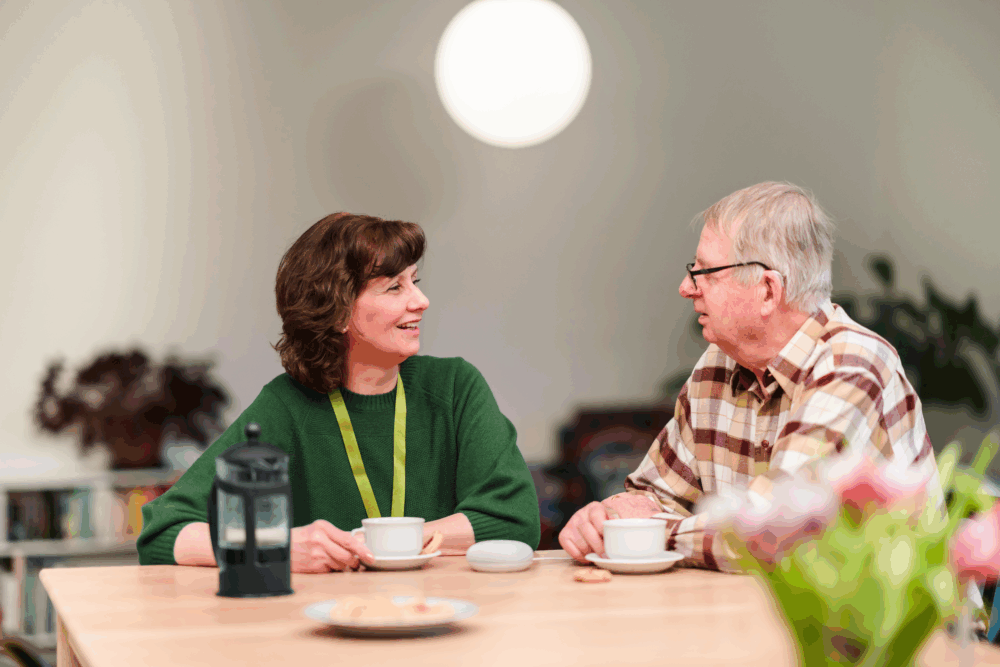
How can person-centred care support people with dementia?
Dementia care helps those with the condition to manage symptoms like memory loss and communication issues, and person-centred care puts the individual in the driving seat, giving them more options and flexibility. The Alzheimer’s Society describes person-centred care as: “…tailoring a person’s care to their interests, abilities, history and personality.” It is often most effective at home where familiar surroundings can feel safe and grounding.
Does person-centred care provide more benefits for dementia?
Person-centred care gives those with dementia control over their daily routines. Providing tailored care helps to maintain focus on who they are as an individual, so when they are distressed or overwhelmed, person-centred dementia care can help them to feel understood, compassionately supported, and more in control of their everyday life.
This approach is proven to enhance clinical outcomes according to a 2022 study on person-centred care and dementia. In addition, a 2017 study on its effectiveness for dementia found it helps to reduce agitation, depression and neuropsychiatric symptoms while improving quality of life.
What are the core principles of person-centred dementia care?
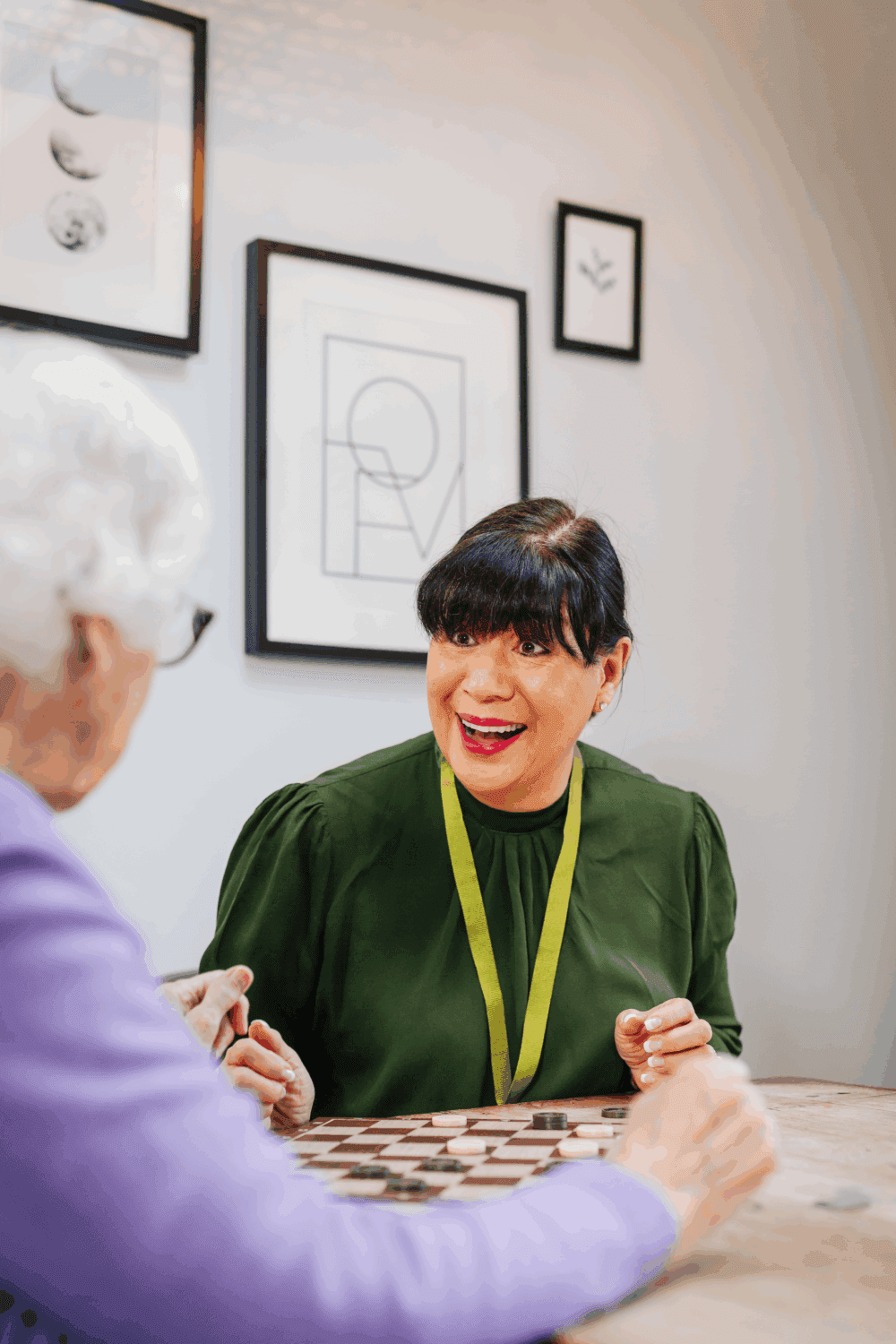
Everyone with dementia has a rich, complex life story, and person-centred care acknowledges this, focusing on their personality, not just their diagnosis. Person-centred dementia care relies on core principles that help guide daily caregiver actions, which are:
- Respect and dignity to ensure everyone is treated thoughtfully and fairly, always
- Individualised care tailored to fit the person’s preferences, cultural beliefs, lifestyle and more
- Empowerment to give the individual autonomy over how they spend their time each day
- Relationship-centred care to avoid loneliness and isolation, and create opportunities for companionship
What does person-centred dementia care look like in practice?
You might be wondering what person-centred dementia care looks like in an everyday routine. In practice, this could be:
- Allowing the person to wake, eat, bathe and do other daily tasks when they prefer to, instead of sticking to rigid schedules
- Involving them in meal choices and food preparation so they shape their own mealtimes
- Managing challenging behaviours by offering choices so they don’t feel frustrated by restriction
- Empowering them to decide on hobbies and mentally stimulating activities
- Helping them set and achieve small, fulfiling personal goals
In the later stages of dementia, person-centred care may look like tuning into their personal comforts, chatting to foster connection, and offering small but impactful choices where possible.
How can families begin arranging person-centred dementia care?
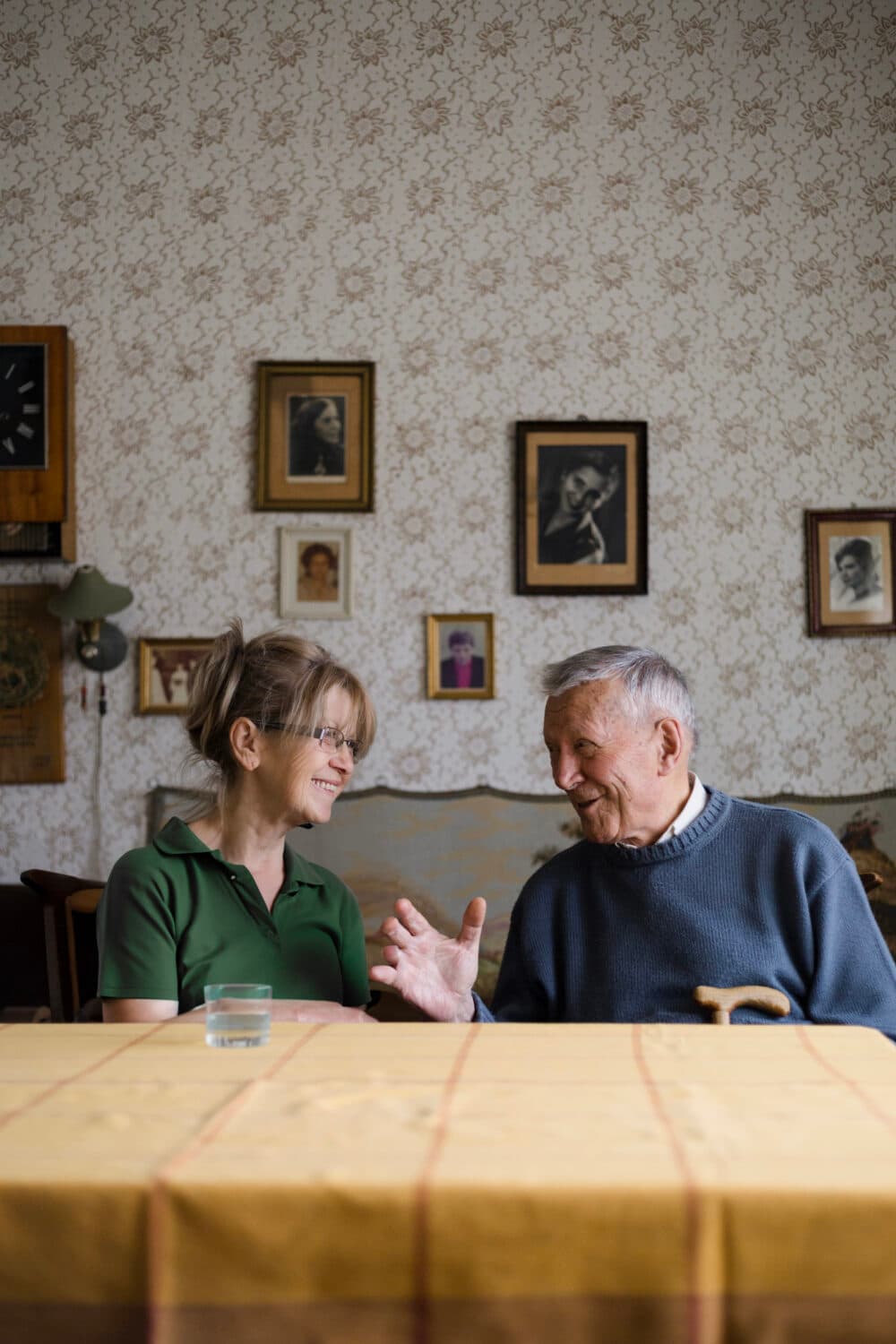
If person-centred dementia care seems like a good fit for your loved one, you can begin arranging this in one of two ways:
- Arrange a Care Needs Assessment through their GP. A team from the local council will visit your loved one’s home to discuss options and funding. Person-centred care is an objective of the Care Act, so the caregiver you are matched with should be able to provide this.
- Reach out to a private care agency like Home Instead. Sometimes council-funded care can be restrictive, so person-centred care may be better implemented by a private carer. We get to know your family and care goals, and select Care Professionals based on their experience and personality so your loved one feels at ease when they visit their home.
How do we use this in our approach at Home Instead?
While staff in residential care facilities may find it difficult to provide person-centred dementia care with multiple residents to look after, home care makes this type of care more manageable. Our unique dementia carer training programme is City & Guilds Assured, and developed with leading dementia specialists and key medical practitioners from around the world. We are proudly rated 9.6 on Homecare.co.uk, with many of our locations rated “outstanding” by the Care Quality Commission (CQC).
Our Care Professionals work hard to get to know your loved one’s personality and preferred home routines, while encouraging their independence where possible. This allows them to make more decisions and take the reins of their own life.
Get in touch today to
see how we can help
Get in touch 




Tim Howell , Learning and Development Partner
For the past 16 years, I have been dedicated to the care sector, progressing from Care Professional to Care Manager, and later assuming roles such as Specialist Training Manager. Currently, as a Learning and Development Partner at Home Instead’s National Office, I develop and review training programs, collaborate with external organizations like the Alzheimer’s Society, and manage various impactful projects.
My passion for dementia care has guided much of my work, from engaging with advanced dementia support initiatives, such as those offered by the End of Life Partnership, to staying informed through events like the annual Dementia Summit. These efforts reflect my deep commitment to enhancing the care and quality of life for individuals living with dementia