Respite Care in Calderdale
Relationship-led and supportive Respite Care in Calderdale from compassionate and experienced home care professionals.
Enquire about care
The Calderdale Respite Care team, here to help every step of the way
Respite Care from Home Instead Calderdale provides temporary or long-term regular respite for family carers who may be struggling to provide the necessary support an older parent or family member requires. From three hours a week to daily or live-in care our Respite service enables a family carer to take regular time-out from caring or a longer break. Our Care Professionals are carefully selected to provide compassionate care that is sensitive to the person and family’s needs. Our expertise gathered over many years gives families the confidence to leave their loved one in our capable and caring hands.

Award-winning service you can rely on


Get in touch today to
see how we can help
Get in touch Why Respite Care may be right for you
Caring day-in day-out for a partner of loved-one can take a huge toll on your wellbeing, affecting your ability to work or live a relatively normal life. Rather than struggle for weeks, months or years a Home Instead Care Professional can remove some of the strains you are experiencing. We always work in partnership with families to ensure our respite care meets everyone’s needs and is delivered within existing routines.

What we do to care for your loved ones
- We carefully match Care Professionals with clients to ensure a meaningful bond is created.
Home help & meal prep
Keeping the home environment clean, safe, and nourishing with home-cooked meals.Personal care
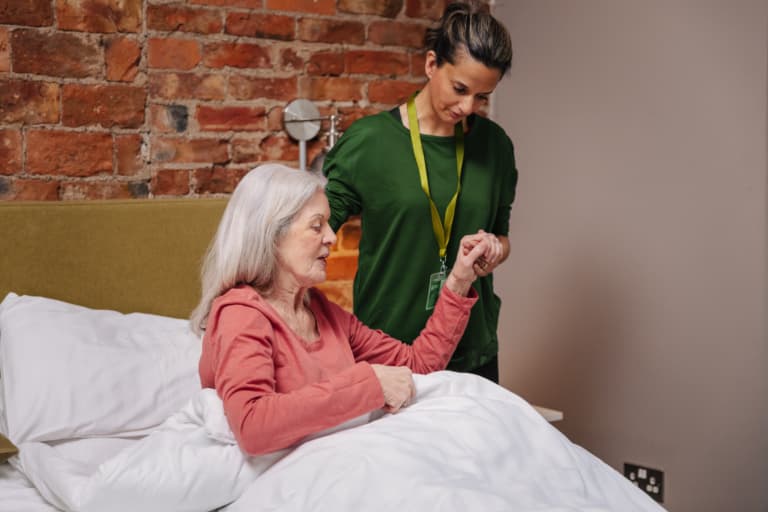
Assistance with bathing, dressing, and personal hygiene, always respecting the dignity of your loved one.Mobility support
Helping your loved one move around their home safely, including transfers and positioning.Health appointment management
We support you to attend those important health appointments.Community engagement
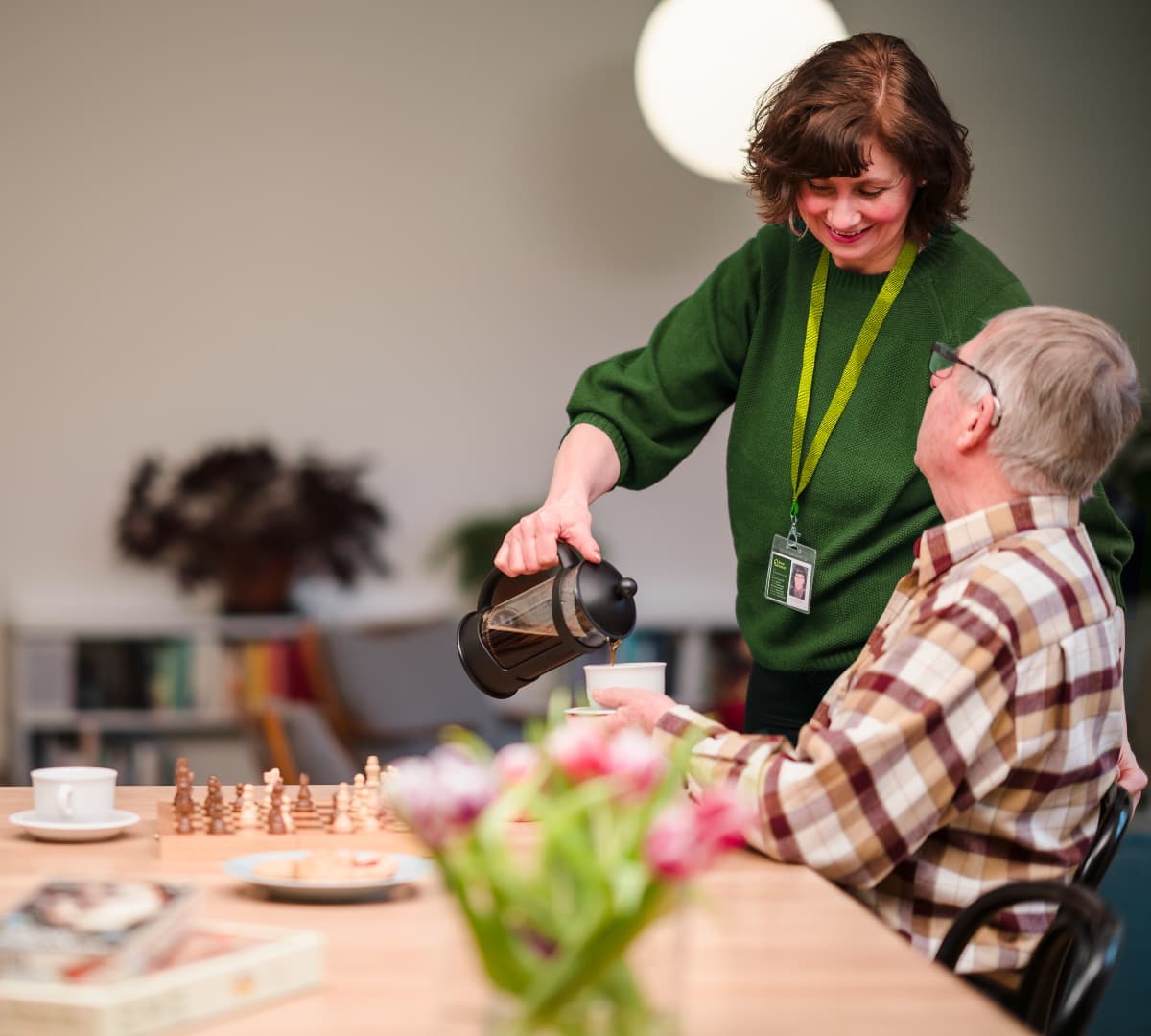
We enable you to continue to do the things you enjoy, be it a visit to the garden centre or your local art group.Transportation
Assistance getting you from A to B, whether it be to go visit a friend or help with your shopping.Medication management
Ensuring medicines are taken correctly and on time, supporting overall health.

Home Instead cared for my mother and then father over a three year period. They were very professional in identifying needs and devising a care plan. They were very reliable and never missed a call (my parents had four a day). When I needed to add calls they were accommodating. I would recommend them to anyone else who finds themselves needing help looking after their parents.
Paul M – Clients Family

My parents really looked forward to visits from the carers at Home Instead Calderdale. Without fail everyone was caring, friendly, cheerful and very practical in dealing with my parents’ care needs. They also always turned up on time, which was important when my Dad was at home on his own. On several occasions they went above and beyond to help with minor emergencies and always kept us informed about what was going on. Amazingly they also found time to sit and chat with my parents, which made the visits feel more social than formal care.
Louise S – Clients Family

I cannot praise this organisation highly enough! Thanks to Home Instead, my elderly aunt was able to remain in her own home until the end of her life, despite increasing frailty and suffering from dementia. Initially, she had regular daily visits and then 24/7 live-in care. This meant so much to her and her family, as a move into care after decades in the same home would have been confusing and very distressing for her.
Adrian B – Nephew of Client Pt 1

The Home Instead team were brilliant and everyone I spoke to was friendly and full of care for her.
When there were things I needed to know, they would always contact me to update me, without being over-intrusive. They treated my aunt with total dignity and respect at all times, organising her social life, arranging a birthday party for her 90th birthday and many of them came to her funeral too, to pay their final respects, where it was clear the genuine love and affection they had for her.
Adrian B – Nephew of Client Pt 2

A big thank you to the staff and carers from Home instead, who without their support, we could not have managed to keep Dad in his own home. Such a caring, supportive, helpful and reliable team. Our main caregiver, was truly dedicated, to my father, ensuring his personal care and appearance was of a high standard. The house was kept clean and tidy and the bedding and clothing washed and dried. They were friendly, helpful and became great friends and felt like one of the family. Any problems or issues were reported to us and dealt with. They even arranged with the relevant departments re the acquisition of equipment for the house.
Fiona - Clients Family

This is a really wonderful organisation. The carers are lovely, patient and professional. The admin team are super, responsive and friendly. I cannot praise them enough for the care they provided to our mum in her last months at home. They certainly afforded our family peace of mind at this time. I would highly recommend them to any family considering home care for a senior loved one. Thank you all again!
Maria B – Daughter of Client

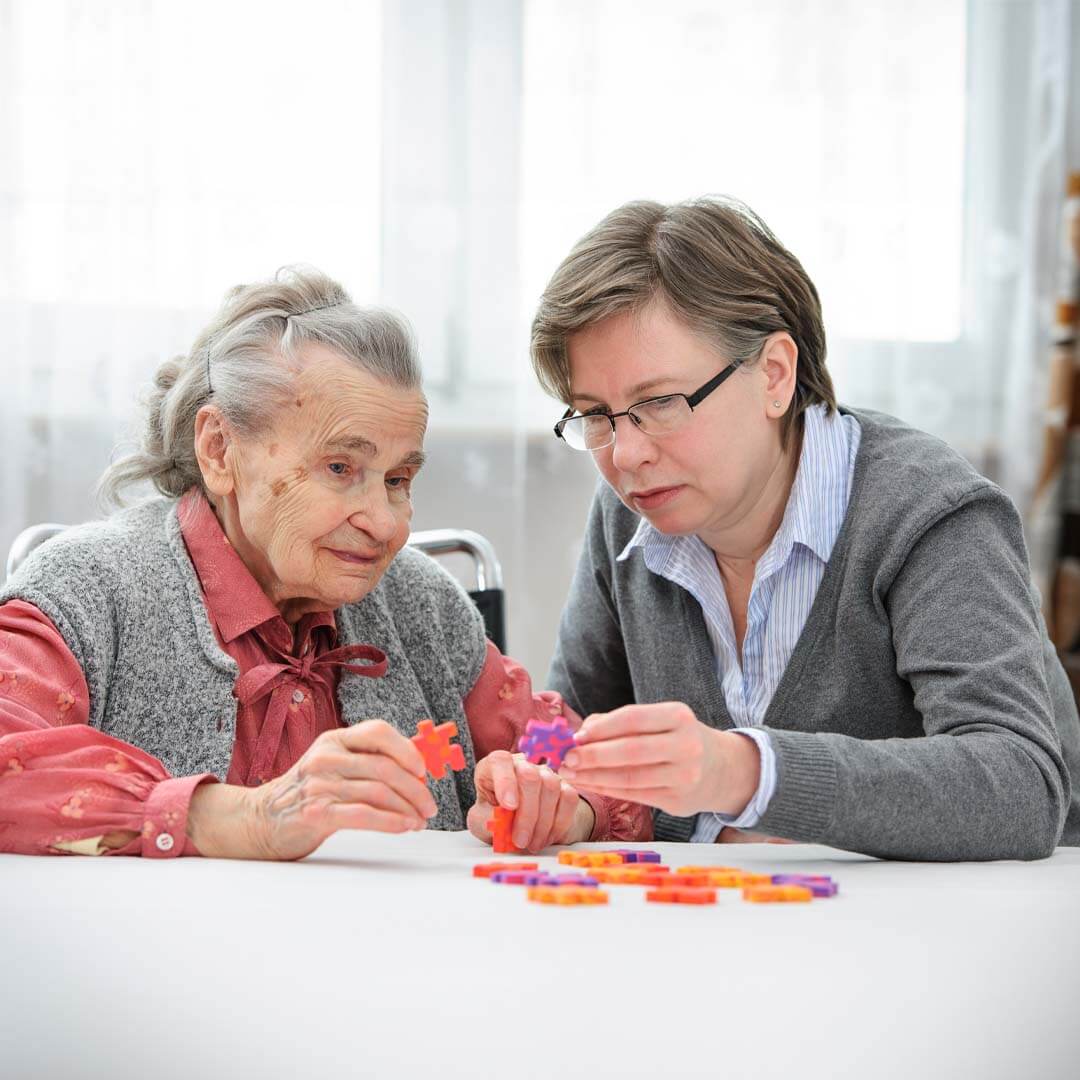
We used Home Instead for the first time in September 2022 and the experience was excellent in all respects. My wife and I look after my mother (95 years old) at home and we needed someone to cover for us while we went on holiday for two weeks. The care manager obviously thought very carefully about which carer would be a good fit for Mum before introducing her to us. We had an introductory visit at home and a follow up to cover any questions before we went away. It worked perfectly. Daily Scrabble games, some trips out to the local park, lunches and dinners prepared. They got on with each other very well. Everything was in perfect order when we got home and we had a good chat with the carer before she departed.
Mike P – Son of Client
Tailored Respite Care in Calderdale
We have provided short-term respite for a family who look after their 95 year-old mother but wanted to take a fortnight’s holiday. We carefully selected the right Care Professional and introduced her to the family in advance to make sure she was the right fit. The family commented after that: “It worked perfectly. Daily Scrabble games, some trips out to the local park, lunches and dinners prepared. They got on with each other very well. Everything was in perfect order when we got home and we had a good chat with the carer before she departed. We would not hesitate to use Home Instead again and we can thoroughly recommend them to anyone who needs this type of service.”

Get in touch today to
see how we can help
Get in touch FAQs
- Which towns and postcodes do the Calderdale team service?
Our office provides care for people at home in the following areas:
Portsmouth, Halifax, Brighouse, Thornton, Liversedge, Elland, King Cross, Todmorden, Heckmondwike, Cleckheaton, Sowerby Bridge, Old Town, Illingworth, Queensbury, Gomersal, Buttershaw, Pellon, Rastrick, Savile Park, Ripponden, Ovenden, Pye Nest, Hebden Bridge, Wheatley, Northowram, Mytholmroyd, Longley, Mixenden, Hipperholme, Greetland, Boothtown, Holywell Green, Lightcliffe, Southowram, Denholme, Cullingworth, Sowerby, Siddal, Hove Edge, Norristhorpe, Shelf, Roberttown, Skircoat Green, Bailiff Bridge, West Vale, Stone Chair, Walsden, Highroad Well, Norton Tower, Hightown, Cornholme, Claremount, Friendly, Low Moor, Barkisland, Hunsworth, Broadbottom, Mount Tabor, Chiserley, Upper Edge, Hartshead, Heptonstall, Norwood Green, Cragg Vale, Scholes, Exley, Mankinholes, Wainstalls, Wainstalls, Lower Edge, Dean Clough, Sowood, Brookfoot, Birchcliffe, Stump Cross, Pecket Well, Blackshaw Head, Colden, Copley, Mill Bank, Bottomley, Bank Top, Blackley, Ogden, Brearley, Hartshead Moor, Holmfield, Triangle, West Scholes, Denholme Clough, Norland Town, Town End, Hubberton Green, Midgley, Clayton, Wood Top, Drub, Lumbutts, Soyland Town, Cotton Stones, Slack, Sandy Lane, Swincliffe, Moor End, Upper Brockholes, Clough Head, Broad Carr, Bradshaw, Keelham, Lydgate, Bottoms, Catherine Slack, Coley, Booth, Little Bradley, Old Lindley, Clifton, Littletown, Jagger Green, Wyke, Shackleton, Lower Lee, Millbridge, Stainland, New Pellon, Salterhebble, Willowfield, Firthcliffe, Warley Town, Flush, Little Gomersal, Norland, Fountainhead, Luddendenfoot, Windy Bank, Slack Top, Mytholm, Luddenden, Pule Hill, Hallas Bridge, Warland, Long Lees, Thornhills, Hawksclough, Upper Saltonstall, Lower Saltonstall, Slack Bottom, Lower Wyke, Spen, Priestley Green, Lindwell, Stainland Dean, Krumlin, Blake Dean, Great Jumps, Rishworth, Bradshaw Head, Bottomley Holes, Manywells Height, Hare Croft, Holdsworth, Illingworth Moor, Harper Bower, Stubb, Old Chamber, Broad Folds, Horsehold, Cock Hill, Pepper Hill, Berry Mill, Shibden Dale, Kebroyd, Akroydon, Boulderclough, Top Shelf, Dean Head
If your town doesn’t appear above please check the postcodes below to see if we cover your area:
HX4 9, HX6 3, HX1 4, HX6 4, HX5 9, HX5 0, HX1 1, HX7 5, WF15 6, HX1 5, HX3 8, WF15 7, HX1 3, HX6 1, HX3 7, WF15 8, HX7 6, HX6 2, HX4 0, HX3 6, BD19 3, HX2 9, BD19 6, HD6 3, BD19 5, HX4 8, OL14 6, HD6 4, HX2 0, HX2 6, BD19 4, HX3 0, OL14 5, OL14 8, WF16 0, HD6 2, HX7 7, HD6 1, WF16 9, HX3 5, HX3 9, HX7 8, HX1 2, OL14 7, HX2 8, HX2 7, BD12 0, BD12 8, BD12 9, BD13 1, BD13 2, BD13 3, BD13 4, BD13 5, BD14 6, BD15 8, BD15 9, BD6 1, BD6 2, BD6 3
Search here if you cannot see your town or postcode - Is Home Instead Calderdale a locally owned home care organisation?
Home Instead Calderdale is one of 250 locally owned offices that collectively form Home Instead UK. Together, we care for 16,000 clients, delivering one million hours of home care each month. This unique combination of community-focused local offices and the resources of a national network enables us to provide personalised, relationship-led care while leading research and innovation that is transforming the experience of aging. Our services include companionship care, personal care, specialist care (including dementia, palliative, and Parkinson’s), and live-in care.
Search here if you cannot see your town or postcode - What is respite care?
Respite care provides temporary relief to primary caregivers by offering trained Care Professionals who care for elderly individuals who require care. This temporary support helps caregivers take breaks, manage burnout, and maintain their own well-being while ensuring the safety and comfort of the person receiving ongoing care.
- How does respite care work?
Trained Care Professionals can step in to provide seamless care, allowing current caregivers a break to rest and recharge. Our respite care services take place in the home of the person receiving the care, making it great for giving a break to the primary caregiver while ensuring that the elderly person in care does not go without support in the meantime and can continue their normal life.
- How do I arrange respite care?
Just contact Home Instead and we will arrange a discussion with you to talk about the kind of support you need and how we can help. You can also reach out directly to our local office in your area, if you prefer.
- Who provides respite care?
All respite care is provided by our experienced and fully trained Care Professionals so both the elderly individual receiving care and their loved ones or existing caregivers can take a break while being confident that they have all the support they need.
- I need respite care at short notice, can you help?
At Home Instead we know about the challenges of being a carer and are here to help no matter what your timelines look like. Please contact us so that we can understand more about how we can provide you with the support you need.
- Do I have to go out while respite care is in place?
Not at all! Existing caregivers don’t have to leave the home whilst we are supporting your loved one, so they can take breaks at home if that is their preference.
- What defines a respite period?
A respite period is a specific duration of time during which primary caregivers receive temporary relief from their caregiving responsibilities. This break allows them to rest, recharge, and attend to personal matters, while trained Care Professionals provide ongoing support for the elderly individuals who have been receiving care. The length of a respite period can vary, ranging from a few hours to several days, depending on the arrangement in place and the needs of the primary caregivers.
- Why is respite care important?
Respite care is crucial for family caregivers, offering them a much-needed break from their responsibilities in tending to elderly family members. This temporary relief prevents caregiver burnout, meaning the primary caregiver can maintain their wellbeing and ability to provide effective long-term care. Additionally, respite care enhances the quality of life for many elderly people by introducing them to new experiences and interactions with different Care Professionals, making for novel interactions while still in the comforts of their own home.
- How much does respite care cost?
The cost of respite care can vary widely based on factors such as location, the level and complexity of care provided, and the duration. Generally, respite care expenses can range from hourly rates to daily or weekly fees. There may be financial assistance for respite care services, particularly for caregivers of elderly individuals with disabilities or special needs. It’s a good idea to contact the local NHS or your council to get a clear understanding of the potential sources of financial support available for your situation, if you have concerns.
- Who pays for respite care?
Respite care funding comes from diverse sources; government initiatives, charitable organisations, insurance provision, or just personal payments. Family caregivers can investigate some or all of these avenues to identify the most fitting and cost-effective approach to support respite care for their specific needs and situation.
- What can respite carers do?
Respite Care Professionals can perform a range of tasks to ensure the well-being and comfort of elderly individuals while providing relief to primary caregivers. These tasks include all the normal things covered with ordinary domiciliary care; assisting with daily activities such as personal hygiene, meal preparation, medication management, and mobility support. Respite Care Professionals may also engage in social interactions, provide companionship, supervise recreational activities, and ensure safety. Their responsibilities are tailored to the care recipient’s specific needs, ensuring continuity of care and support during the temporary relief period for primary caregivers.
- What is respite care for dementia?
Respite care for dementia is a specialised service designed to provide temporary relief and support to caregivers of elderly people living with dementia or Alzheimer’s disease. Caregiving for someone with dementia can be physically and emotionally demanding, and respite care offers caregivers a chance to rest, recharge, and take care of their own needs. During respite care, trained Care Professionals offer supervision, assistance with daily activities, and a safe environment for those with dementia. The wellbeing of seniors with dementia or Alzheimer’s is often significantly improved by remaining in a familiar environment, so our domiciliary care approach to deliver respite care at home is often the best solution to keep them calm and comfortable.
- Who is entitled to respite care?
Respite care is typically available to family caregivers and individuals providing support to elderly adults in need of care. Eligibility is determined by factors like caregiving intensity and the care recipient’s requirements, aiming to offer essential breaks and assistance to dedicated caregivers. If you’re a caregiver looking for respite support, please contact us to see how we can help you.
- Who needs respite care?
Respite care is needed for primary caregivers who are taking care of elderly family members, offering them essential breaks to prevent exhaustion and maintain their own health. Elderly individuals, whether living alone or with caregivers, can also benefit from respite care to ensure some companionship, assistance with daily activities, and medical supervision, for example for post-operative recovery periods or temporary feeding support.
- What is in-home respite care?
In-home respite care is a valuable service designed to provide temporary relief and support to primary caregivers within the familiar setting of their own home. This type of respite care involves trained Care Professionals who come to the primary caregiver’s residence to care for their loved one. In-home respite care offers caregivers a chance to take a break, tend to personal matters, or simply recharge while knowing that their loved one is in capable hands. During these sessions, the respite care provider offers companionship, assistance with daily tasks, and, if necessary, medical supervision. In-home respite care not only benefits caregivers by preventing burnout but also helps maintain a sense of normalcy and comfort for the care recipient.
- What is the purpose of respite care?
The purpose of respite care is to offer temporary relief and support to caregivers who are responsible for elderly family members. Caregiving can be emotionally and physically demanding, often leading to stress and burnout. Respite care provides caregivers with essential breaks, allowing them to rest, recharge, and tend to their own well-being, while ensuring that the elderly person receiving care still has all the support they need.
- How long can Respite Care last?
The duration of respite care can vary depending on the needs of the caregiver and the individual receiving care. Respite care can be as short as a few hours, providing caregivers with a temporary break to run errands or recharge. It can also extend to several days or even weeks, allowing caregivers to take a more extended break or address personal matters. Some caregivers may need emergency or crisis respite care for shorter periods, while planned or scheduled respite care may be for a more extended period of time.
- When do you know if you need more than respite care?
You might need more than respite care if the care recipient’s needs become increasingly complex, you experience persistent caregiver burnout, safety concerns arise, your health deteriorates despite respite care, social needs go beyond the scope you can handle, specialist medical or complex care is required, or long-term planning becomes necessary such as, for example, situations necessitating palliative care.
- What is short term respite care?
Short-term respite care refers to a temporary break or relief provided to primary caregivers of elderly individuals in need of care. During short-term respite care, trained Care Professionals take over the caregiving responsibilities, allowing the primary caregiver to rest, recharge, and attend to personal matters. This type of care can range from a few hours to several days, offering caregivers a brief respite while ensuring the care recipient’s well-being and safety.
- Respite care at home vs residential respite care
Respite care can be divided into two primary types: respite care at home and residential respite care. In the former, caregivers are supported by trained Care Professionals who provide assistance with daily tasks, such as personal care and meals, within the care recipient’s familiar environment. Residential respite care, on the other hand, involves the temporary relocation of the care recipient to a specialised facility, like a nursing home, where they receive comprehensive care and supervision from the facility’s staff. The choice between the two depends on the specific needs and preferences of the caregiver and the senior receiving the care.
- How to get respite care for a parent
To organise respite care for an elderly parent, start by evaluating the specific type and length of care required. Seek guidance from your parent’s healthcare provider for tailored recommendations around specific or complex care requirements, then just get in touch with us or your local office to discuss your needs. Consider a trial period to ensure compatibility and maintain ongoing communication during the care period to ensure your parent’s well-being while you take a caregiving break.
- How to get respite care for a dementia patient
To organise respite care for a patient with dementia or Alzheimer’s, ensure you are dealing with a provider like Home Instead, who can offer specialist support with experienced carers who know how to support these conditions. Discuss the specific needs of the dementia patient, such as any medical requirements, daily routines, and preferences. It’s essential to communicate openly and provide relevant information to ensure a smooth transition and quality care for the individual with dementia while the primary caregiver takes a break.
- How to get emergency respite care
To arrange emergency respite care with Home Instead, please get in touch with us on 03300 583450 or via our contact form. If you are a long term caregiver for an elderly loved one, it is a good idea to have a list of care providers and funding options researched and available early on so it is “ready to go” if an emergency arises, when time is of the essence.
- How to get funding for respite care
To secure funding for respite care, you can explore various avenues. Start by researching government programs like the Carer’s Allowance, which provides financial support to those caring for someone in need. Additionally, local authorities often offer grants or support through social services departments. Charitable organisations like Carers UK and The Carers Trust may provide financial assistance or guidance. You can also consider seeking private funding through personal savings, local support groups, or seeking assistance from family and friends. Tailor your approach based on your specific circumstances and the resources available in your region.
- What are examples of respite care?
Examples of respite care include in-home respite, such as the type we provide, where a trained Care Professional comes to the individual’s home to provide care while the primary caregiver takes a break. Another type is adult day care centres, offering structured programs and supervision for seniors or adults with disabilities during the day, giving caregivers time for work or personal activities. Finally, residential respite care involves temporary stays in facilities such as nursing homes or assisted living communities, allowing caregivers to take extended breaks.
- What does home respite care do?
Home respite care provides primary caregivers of elderly individuals receiving care the opportunity to take a temporary break while ensuring their loved ones still receive proper care. A trained Care Professional visits the person’s home to provide assistance, companionship, and support. During this time, caregivers can recharge, attend to personal matters, or simply take a moment to rest. Home respite care can include various activities such as medication management, meal preparation, light housekeeping, and engaging the care recipient in recreational or therapeutic activities. This service not only offers physical assistance but also emotional relief, knowing that their loved ones are in capable hands.
- What are the disadvantages of respite care?
Respite care, while beneficial, can have some drawbacks. Disruption to routines can unsettle care recipients, especially those with cognitive issues such as dementia or Alzheimer’s. Finding reliable providers can be challenging, and costs can be high depending on the needs of the individual. Coordinating care logistics is time-consuming, and caregivers might feel guilty or anxious about handing over responsibilities. Caregivers should carefully consider these disadvantages when planning respite care.
- How does respite care support family members?
Respite care serves as a crucial support system for family members caring for elderly loved ones. By providing temporary relief, it allows caregivers to take a break from their demanding responsibilities, reducing the risk of burnout and exhaustion. This time away can rejuvenate caregivers physically and emotionally, helping them maintain their own well-being. It also offers an opportunity for caregivers to attend to personal matters, socialise, or simply rest, which can contribute to improved mental health; caregivers who are less stressed and more rested are better equipped to offer effective care when they return, which actually improves the quality of care offered to the loved one overall.
- How does respite care provide quality care?
Respite care contributes to providing quality care by ensuring that primary caregivers are in the best possible condition to deliver support. When caregivers are well-rested and less stressed due to the temporary relief provided by respite care, they can offer more focused attention and patience to their loved ones. This directly impacts the care recipient’s experience, as they benefit from a caregiver who is emotionally and physically available. Even better, our Care Professionals bring specialised training and expertise, enhancing the care provided during their temporary assistance. A multidimensional approach improves the overall quality of care received, enriching the care recipient’s daily life, and fostering a more positive caregiving environment for everyone involved.
Reach out and talk to the Calderdale team today
Enable your loved ones to continue to live their life with the support of the Calderdale team. If you would like to hear what clients say about us please take a peek at our Home Care verified reviews. If you would like more information about our high quality Respite Care service, please call us on 01422 292424, or fill out the form below.

Become a Care Professional today
Make a world of difference to someone's life as you deliver outstanding care to keep our clients happy and thriving in their own homes.