How Live-in Care Can Help After Rehabilitation at Home
See how live-in care in Henleaze can support recovery at home after rehabilitation.
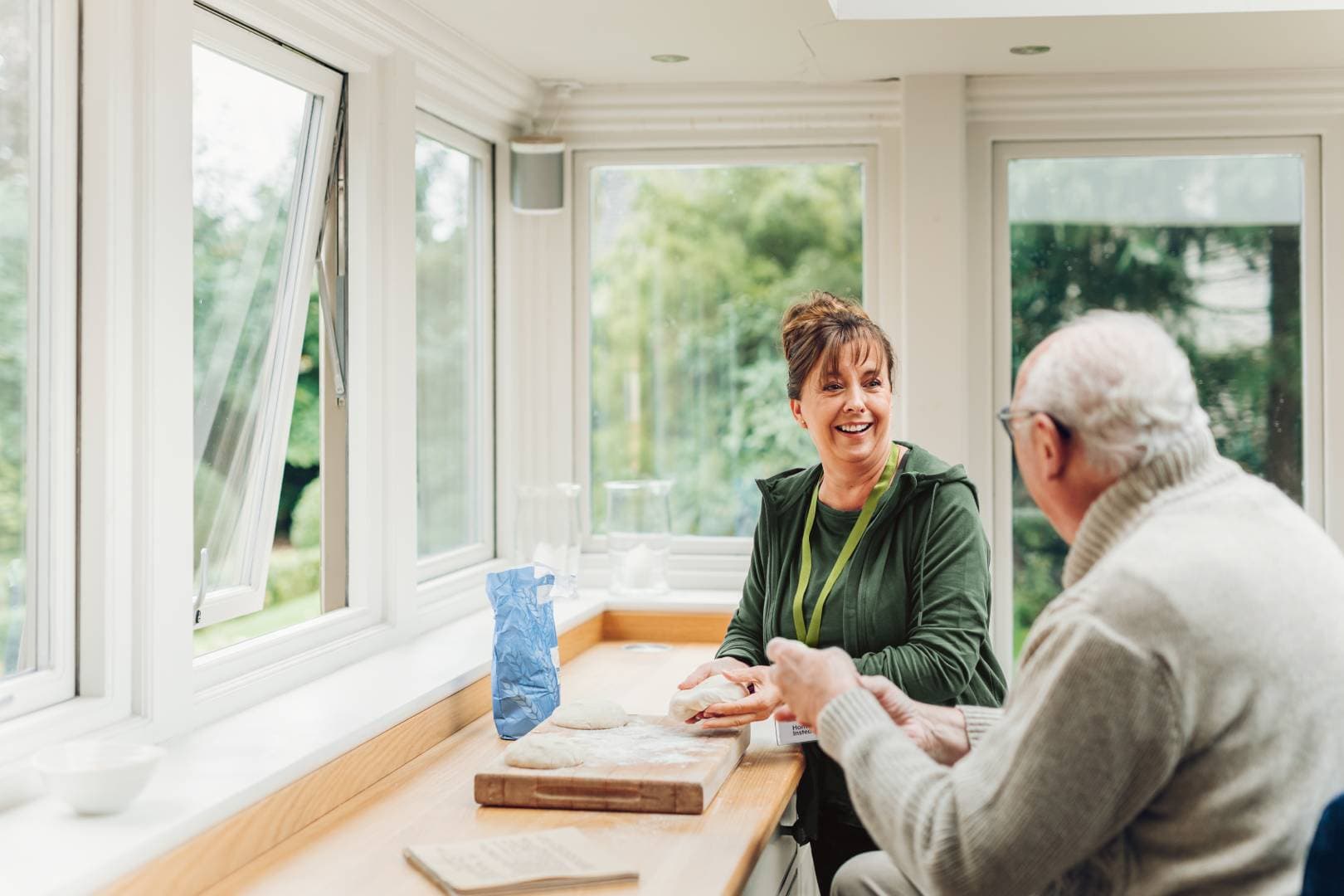
Coming home after a period of rehabilitation can be a positive step, but it may also bring practical questions for families. A person may feel pleased to be back in familiar surroundings while still needing support with daily routines, confidence, mobility, meals, personal care, or companionship.
For families in Henleaze and the wider Bristol North area, live-in care can provide steady, one-to-one support during this stage. It allows an older person to continue their recovery at home with help shaped around their needs, preferences, and usual way of living.
This type of care can be especially helpful when someone has completed a rehabilitation programme but would still benefit from regular support throughout the day.

What Does Rehabilitation at Home Involve?
Rehabilitation at home often focuses on helping a person regain confidence, independence, and routine after a change in health, a hospital stay, or a period of reduced mobility. This may involve exercises recommended by healthcare professionals, support with movement, help with personal care, and encouragement to return to everyday activities at a comfortable pace.
Every person’s recovery is different. Some people may need practical help for a short time, while others may benefit from longer-term support. The most helpful care plan is one that respects the person’s progress, allows time for rest, and supports them without rushing.
Live-in care can help create that steady environment at home.

How Live-in Care Supports Daily Routines
A live-in Care Professional stays in the person’s home and provides support throughout the day. This can be reassuring after rehabilitation, particularly when someone is adjusting to being home again.
Support may include help with:
Washing, dressing, and personal care
Meal preparation and regular drinks
Medication reminders
Moving safely around the home
Light household tasks
Attending appointments
Following agreed routines or gentle activity plans
Companionship and reassurance
The aim is to help the person feel comfortable and supported while keeping daily life as familiar as possible. A Care Professional can work around the person’s preferred routine, rather than expecting them to fit into a fixed timetable.
Building Confidence at a Comfortable Pace
After rehabilitation, confidence can take time to return. A person may feel ready to do more on some days and need more support on others. This is normal, and care should be flexible enough to reflect that.
Live-in care allows support to be adjusted throughout the day. A Care Professional can offer encouragement with everyday tasks, help the person take manageable steps, and provide reassurance when something feels more tiring than expected.
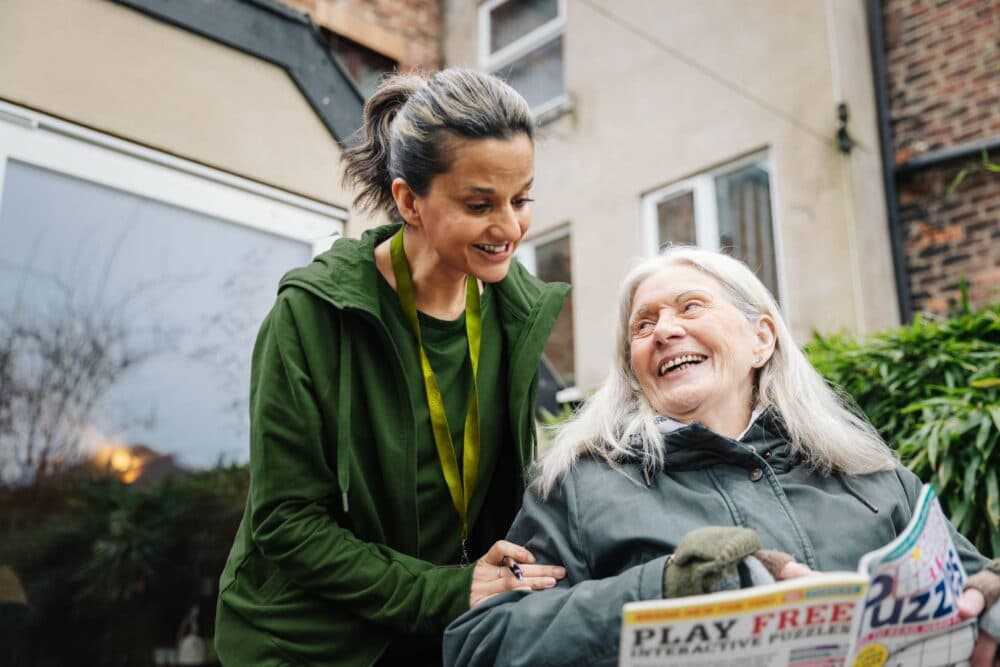
This can be particularly helpful with simple but meaningful activities, such as getting dressed independently where possible, preparing a favourite lunch together, walking safely from one room to another, or spending time in the garden.
Small moments of progress can help a person feel more settled and capable at home.

Staying in Familiar Surroundings
Home can play an important role in recovery and wellbeing. Familiar rooms, personal belongings, regular routines, and known surroundings can all help someone feel calmer and more secure.
For someone living in Henleaze, Stoke Bishop, Redland, Bishopston, Westbury on Trym, or nearby communities, remaining at home can also help them stay connected to local life. This might include seeing family nearby, attending local appointments, or simply enjoying familiar views and routines.
Live-in care can support this sense of continuity. The person does not need to adjust to a new living environment at the same time as managing changes in their health or mobility.
Support With Mobility and Practical Tasks
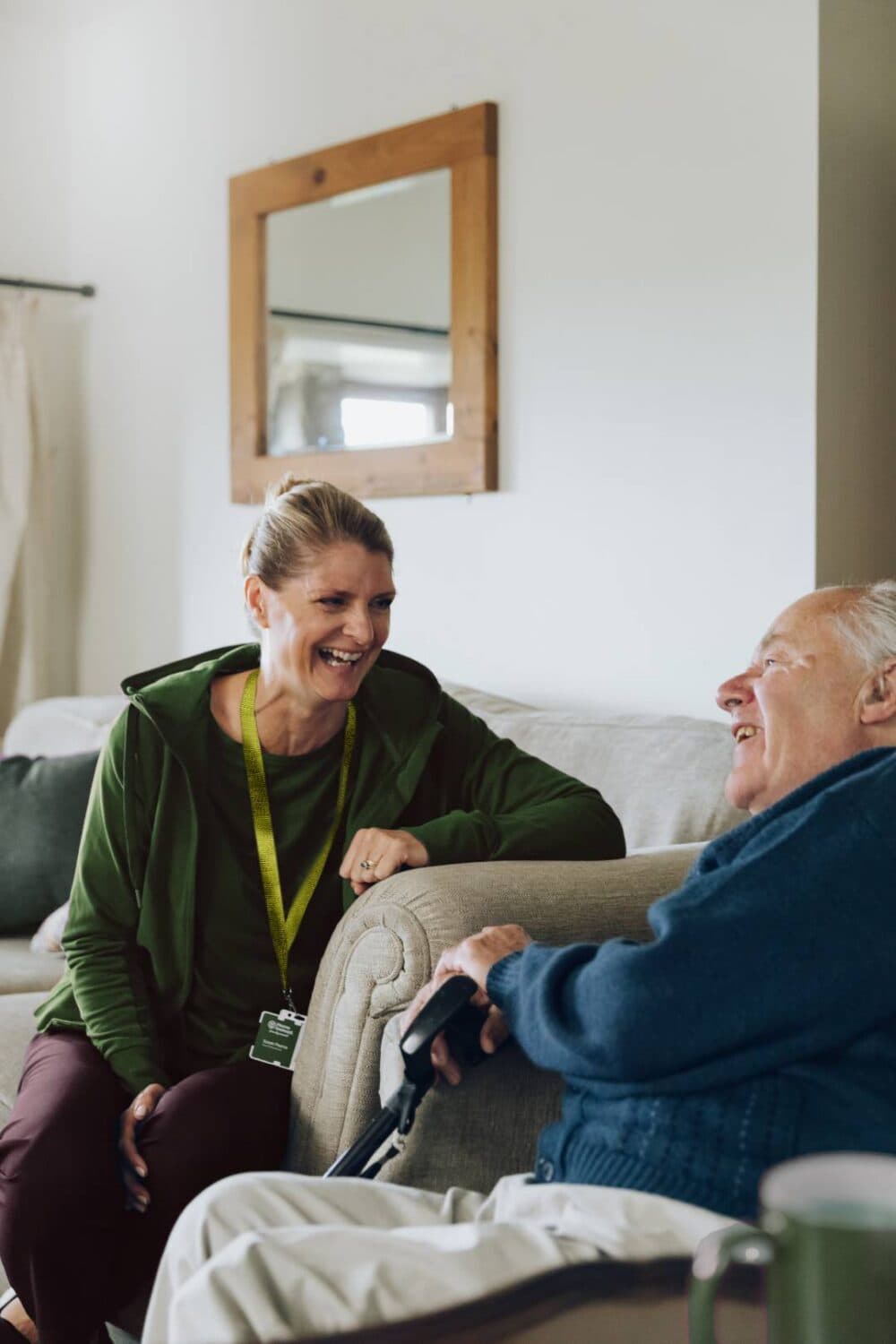
Rehabilitation often includes a focus on mobility and everyday function. A live-in Care Professional can help the person move around the home safely, follow guidance already provided by healthcare professionals, and manage practical tasks that may feel more difficult during recovery.
This may involve making sure walkways are clear, supporting safe movement between rooms, helping with getting in and out of chairs, or being nearby while the person carries out everyday activities.
Care Professionals do not replace clinical rehabilitation services, but they can help support the daily routines that sit around them. This can make it easier for the person to follow advice, attend appointments, and keep to a steady rhythm at home.

Helping Families Feel Reassured
Families often want to support a loved one after rehabilitation, but it can be difficult to manage everything alongside work, family life, travel, or other responsibilities. Live-in care can provide practical reassurance by ensuring someone is present in the home to help with daily needs.
This can allow family members to spend time with their loved one in a more relaxed way. Instead of trying to manage every meal, appointment, reminder, or household task, relatives can focus on conversation, companionship, and emotional support.
A clear care plan can also help everyone understand what support is being provided and when it may need to change.
When Live-in Care May Be Helpful After Rehabilitation
Live-in care may be worth considering if a person:
Would benefit from support across the day
Needs help rebuilding daily routines
Feels more confident with someone nearby
Requires assistance with meals, personal care, or mobility
Has regular appointments or follow-up care
Lives alone and would value companionship
Has family support, but not throughout the day
Would prefer to remain at home in familiar surroundings
It can also be helpful when a family is unsure whether hourly visits provide enough support after rehabilitation. A local care consultation can help identify what level of help is appropriate and how care could be arranged.

Creating a Care Plan Around the Person
Good care after rehabilitation should feel personal and respectful. The person’s preferences, routines, home environment, health needs, and goals should all be considered.
A live-in care plan may include morning and evening routines, meal preferences, mobility support, medication prompts, companionship, rest times, and help with local appointments. It should also allow room for change, as the person’s needs may develop over time.
The focus is on helping the person feel supported, comfortable, and listened to.

Your Local Home Instead Team
For families considering Live-in Care Henleaze after rehabilitation at home, your local Home Instead team can offer calm, practical guidance.
Home Instead office name:
Home Instead Bristol North
Office phone number:
0117 435 0063
Office website URL:
https://www.homeinstead.co.uk/bristol-north/
Google Business Profile link:
https://maps.app.goo.gl/tEuXujhUPyk9hsvW7
Areas covered (towns/villages/communities):
Redland, Downend, Bishopston, Henleaze, Stoke Bishop, Westbury on Trym, Staple Hill, Coltham, Fishponds, Bradley Stoke
Postcodes served:
BS10 5, BS10 6, BS10 7, BS11 0, BS11 8, BS11 9, BS16 1, BS16 2, BS16 5, BS16 6, BS16 7, BS16 9, BS32 0, BS32 8, BS32 9, BS34 5, BS34 6, BS34 7, BS34 8, BS36 1, BS6 5, BS6 6, BS6 7, BS7 0, BS7 8, BS7 9, BS9 1, BS9 2, BS9 3, BS9 4
The team understands the local area and can talk through what support may be helpful after rehabilitation. Whether your loved one is in Henleaze or another nearby Bristol North community, you can contact the office directly or visit the website for more information.
Ratings and Compliance
Home Instead Bristol North’s ratings are available to review through the following profiles.
Homecare.co.uk rating:
9.7 out of 10
Profile link:
https://www.homecare.co.uk/homecare/agency.cfm/id/65432213573
CQC rating:
Outstanding
CQC report link:
https://www.cqc.org.uk/location/1-2422765176
These profiles provide useful information for families who want to make a careful and informed decision about care at home.
Taking the Next Step
After rehabilitation, the right support can help someone settle back into home life with more confidence and comfort. Live-in care can provide steady, personal assistance while allowing your loved one to remain in familiar surroundings.
To learn more, explore the Live-in Care Henleaze landing page or contact Home Instead Bristol North on 0117 435 0063 for a calm, practical conversation about care at home.

How can we help?
We've helped thousands of families to stay safe, comfortable and happy at home. Whatever situation you're facing, or whatever the question is, Home Instead is here to help.
Are you in need of a little guidance right away?
Other non-care-related enquiries