Supporting a Loved One Returning Home After Rehabilitation
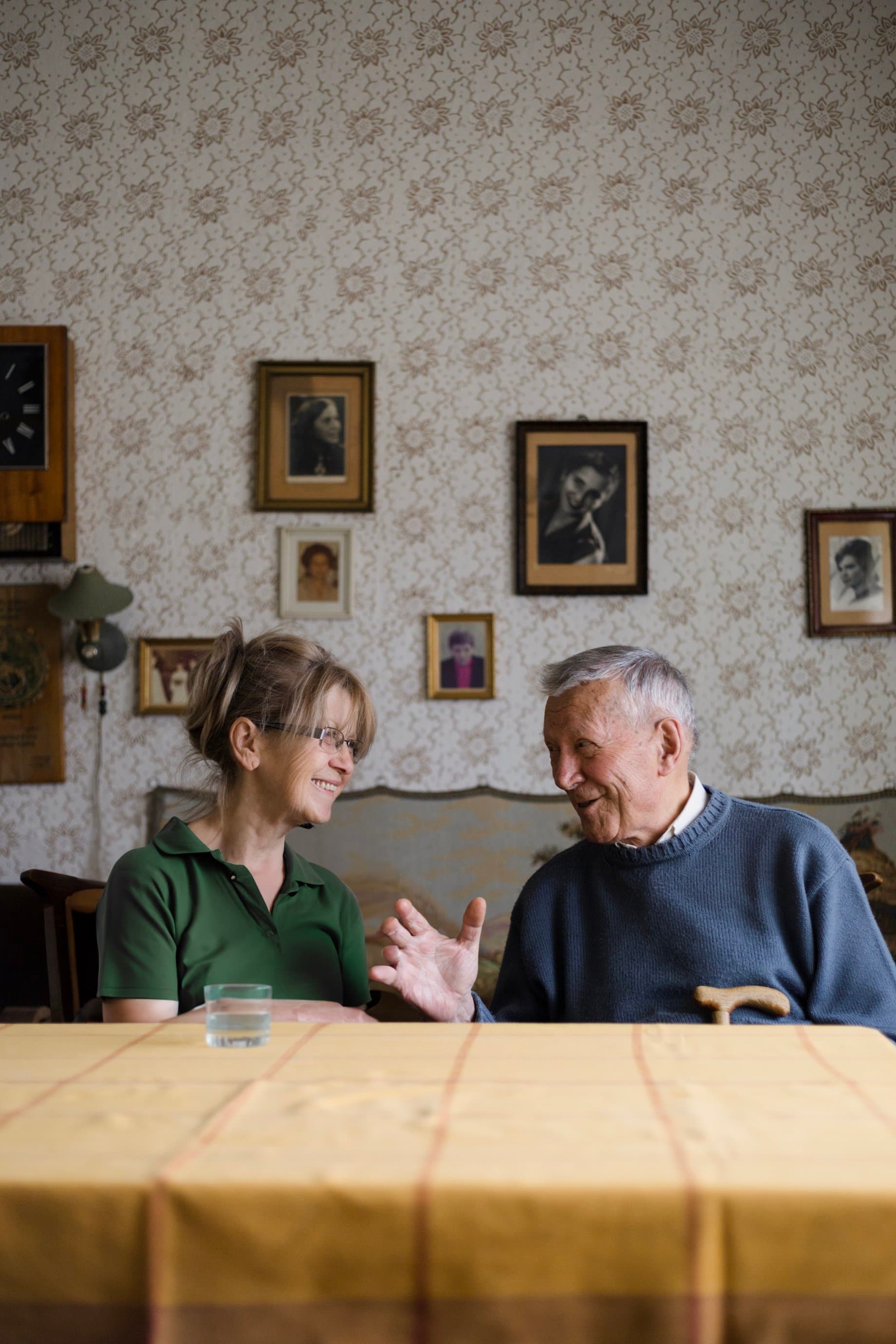
Returning home after rehabilitation can feel like a significant step for both the individual and their family. Whether rehabilitation followed a hospital stay, illness, injury, or surgery, the transition back into familiar surroundings often brings a mixture of relief, uncertainty, and practical considerations.
For many families across Hanham and the surrounding areas, the main priority is helping a loved one feel safe, comfortable, and supported while they regain confidence at home. Live-in care can offer reassurance during this period by providing consistent support tailored to the person’s needs and routines.
Adjusting to Home Life After Rehabilitation
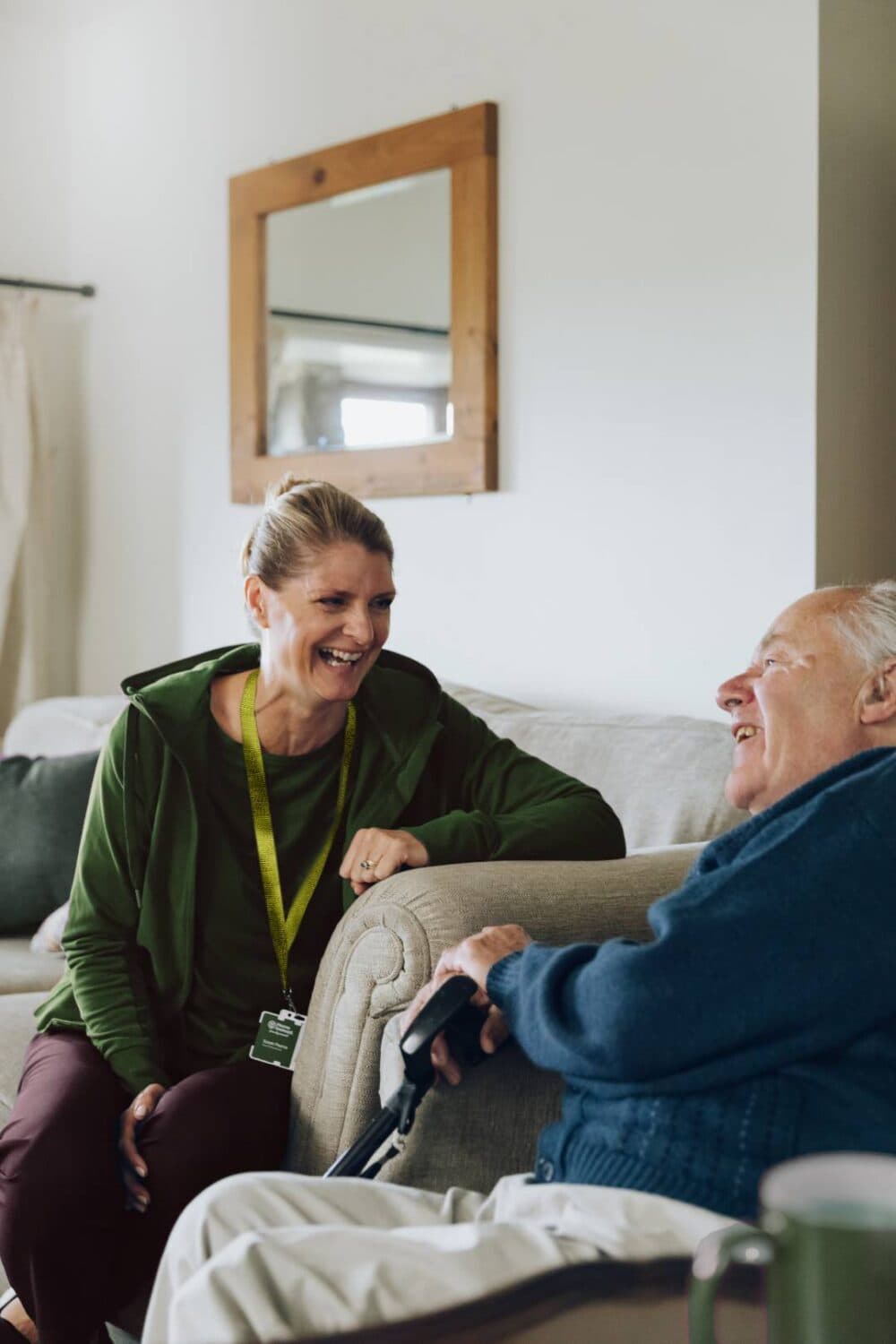
Coming home after rehabilitation often means adapting to new routines, physical limitations, or ongoing recovery plans. Even everyday activities such as preparing meals, moving around the home, or managing appointments may feel more tiring at first.
Many people benefit from having gentle encouragement and practical support nearby while they continue building strength and independence. Families can also feel reassured knowing someone is present to help with day-to-day tasks and provide companionship throughout recovery.
Every person’s rehabilitation journey is different. Some people may only need temporary support, while others may require ongoing assistance as their needs change over time.
Why Familiar Surroundings Matter
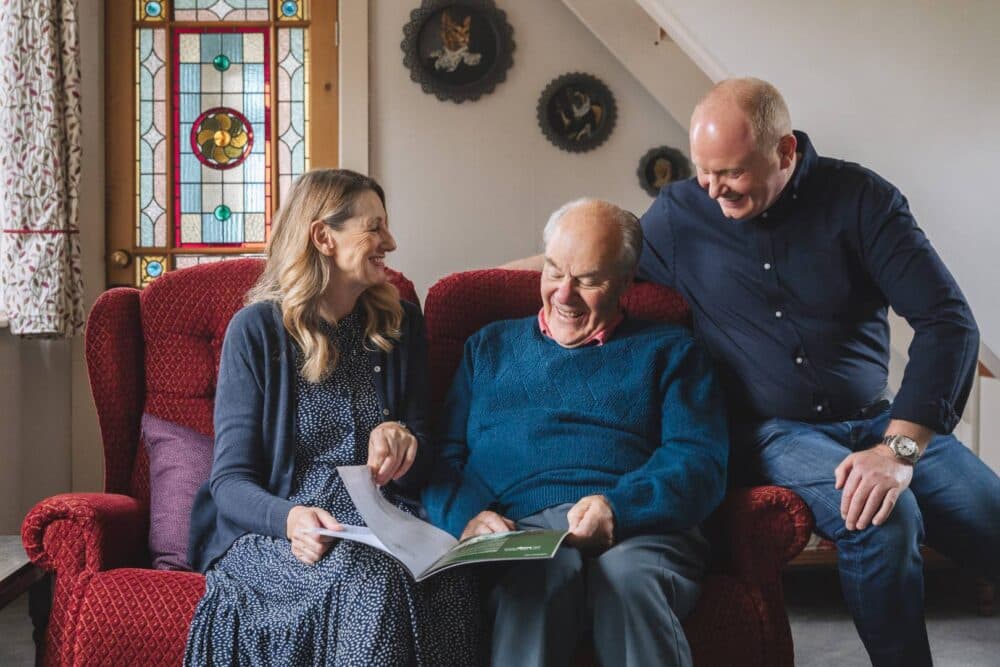
Being back at home can play an important role in emotional wellbeing. Familiar furniture, treasured belongings, favourite routines, and local surroundings often help people feel calmer and more settled after spending time away.
Remaining at home also allows individuals to stay connected to their local community, neighbours, and family life. For many people in Hanham, Keynsham, Kingswood, and nearby areas, staying in familiar surroundings can support confidence and encourage a steadier return to daily life.
Live-in care makes this possible by bringing personalised support directly into the home.

Practical Ways to Support a Loved One After Rehabilitation
Families often wonder how they can make the return home smoother and less overwhelming. A few thoughtful adjustments can make a meaningful difference.
Preparing the Home Environment
Before a loved one returns home, it can help to make small practical changes, such as:
- Removing trip hazards and clutter
- Ensuring commonly used items are easy to reach
- Improving lighting in hallways and stairways
- Arranging comfortable seating with good support
- Planning accessible meal preparation areas
These simple steps can help create a more comfortable and manageable environment.
Encouraging Gentle Routine
Recovery after rehabilitation can take time. Encouraging a steady daily routine often helps people regain confidence without feeling pressured.
This might include:
- Regular mealtimes
- Gentle movement or exercises recommended by professionals
- Time outdoors when appropriate
- Maintaining hobbies and interests
- Staying socially connected with friends and family
A live-in Care Professional can provide support with these routines while allowing the individual to remain in control of their own day.
Supporting Emotional Wellbeing
It is completely natural for people to experience frustration, tiredness, or uncertainty during recovery. Emotional support can be just as important as practical care.
Having someone nearby for conversation, reassurance, and companionship can help reduce feelings of isolation and make daily life feel more manageable.
How Live-in Care Can Help After Rehabilitation
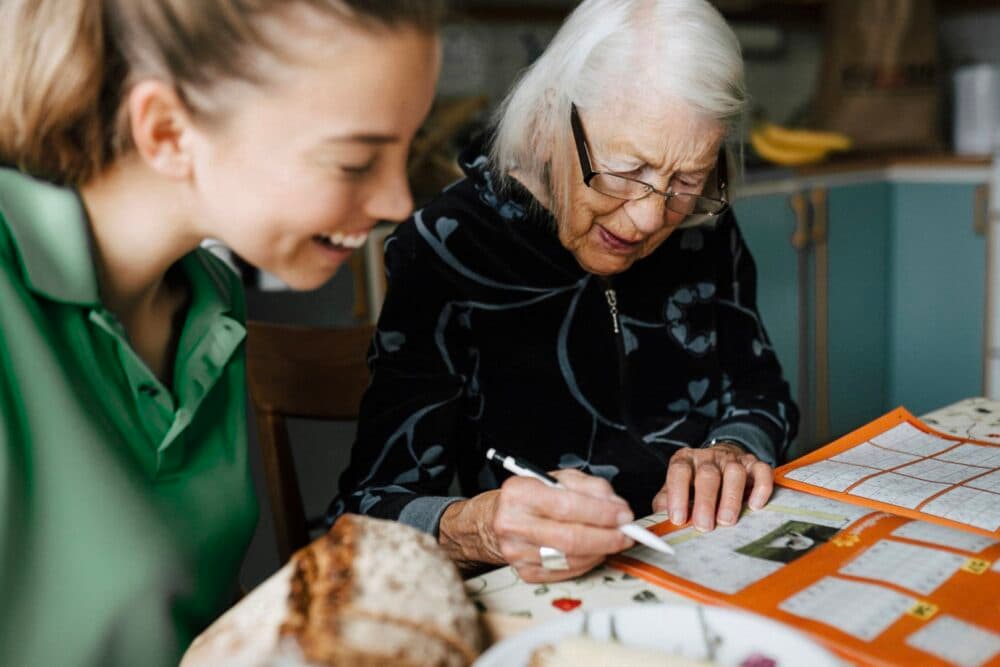
Live-in care offers one-to-one support within the comfort of home. Rather than adjusting to a new environment, the individual receives personalised care tailored to their preferences, routines, and recovery goals.
Support may include:
- Assistance with personal care
- Meal preparation and hydration support
- Medication reminders
- Mobility support around the home
- Help attending appointments
- Light housekeeping
- Companionship and emotional reassurance
Importantly, live-in care can adapt as recovery progresses. Some people may need more support initially and gradually regain independence over time.
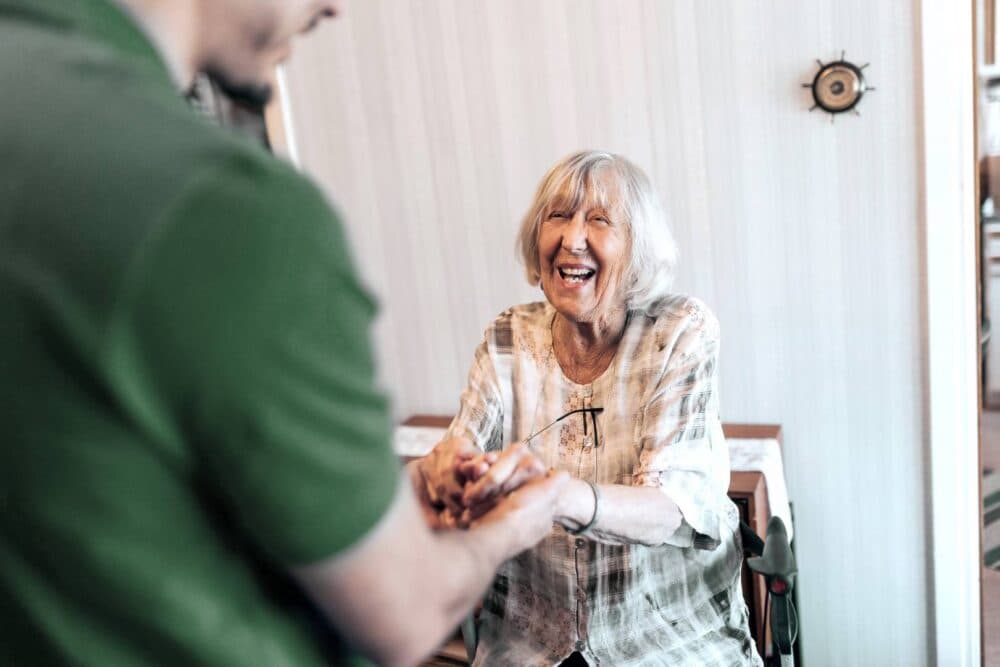
Helping Families Feel Reassured
Supporting a loved one after rehabilitation can feel emotionally and physically demanding for families. Many relatives are balancing work, childcare, and other responsibilities while also wanting to provide the best possible support.
Knowing a trusted Care Professional is present can ease some of this pressure and allow family members to spend more meaningful time together rather than focusing entirely on practical tasks.
Open communication also plays an important role. Families often feel more reassured when care plans are discussed clearly and support is tailored to the individual’s changing needs.
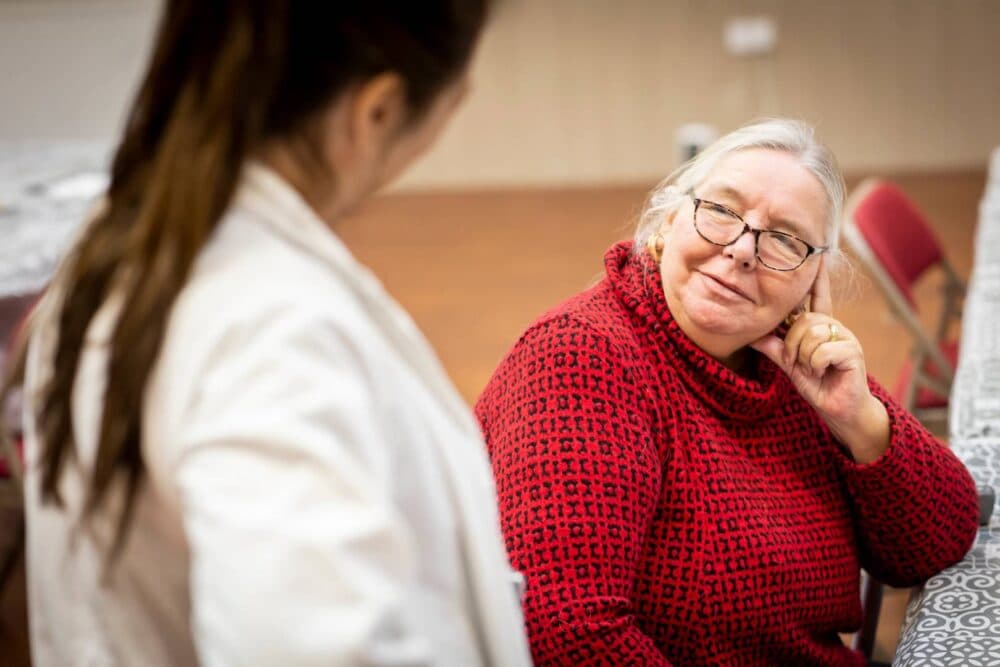
Staying Connected to the Local Community
Remaining socially connected can make a positive difference during recovery. Familiar local places, short outings, and visits from loved ones can help people feel more like themselves again.
Across Hanham, Longwell Green, Warmley, Stockwood, and St George, many people value being able to continue enjoying their own community while receiving support at home.
Live-in care can help individuals maintain these important connections safely and comfortably.
Your Local Home Instead Team
At Home Instead Bristol East, we understand that returning home after rehabilitation can be an emotional and uncertain time for families. Our local team provides compassionate, personalised support designed to help people feel safe, comfortable, and confident in their own home.
We are proud to support individuals and families across the local community, including:
Areas covered:
Hanham, Keynsham, Longwell Green, Kingswood, Warmley, Stockwood, St George, St Paul’s
Postcodes served:
BS5 8, BS30 7, BS5 9, BS15 1, BS5 6, BS5 0, BS30 8, BS31 3, BS31 1, BS15 8, BS15 4, BS4 3, BS30 9, BS2 0, BS15 9, BS16 3, BS5 7, BS14 8, BS4 4, BS4 5, BS16 4, BS2 9, BS30 5, BS31 2, BS30 6, BS15 3
Home Instead office name:
Home Instead Bristol East
Office phone number:
0117 3742400
Office website URL:
https://www.homeinstead.co.uk/bristol-east/
Google Business Profile link:
https://maps.app.goo.gl/zAfXvzkhnup1exau7
If you would like to learn more about live-in care in Hanham and the surrounding areas, our friendly local team is here to answer questions and provide guidance at your own pace.

Ratings and Compliance
Home Instead Bristol East is committed to providing high-quality, person-centred care.
Homecare.co.uk rating:
9.6 out of 10
Profile link:
https://www.homecare.co.uk/homecare/agency.cfm/id/65432237359
CQC rating:
Good
CQC report link:
https://www.cqc.org.uk/location/1-8447260986
To explore more about live-in care and how personalised support at home may help after rehabilitation, you can visit the Home Instead Bristol East website or speak with the local team directly.
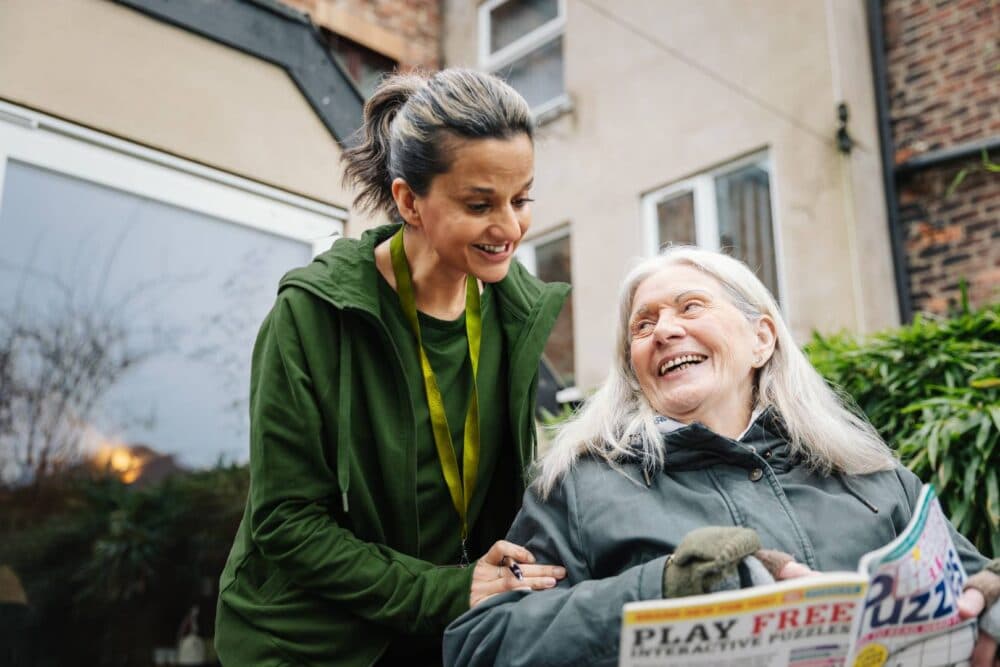
How can we help?
We've helped thousands of families to stay safe, comfortable and happy at home. Whatever situation you're facing, or whatever the question is, Home Instead is here to help.
Are you in need of a little guidance right away?
Other non-care-related enquiries