Introducing Care and Support Gradually at Home
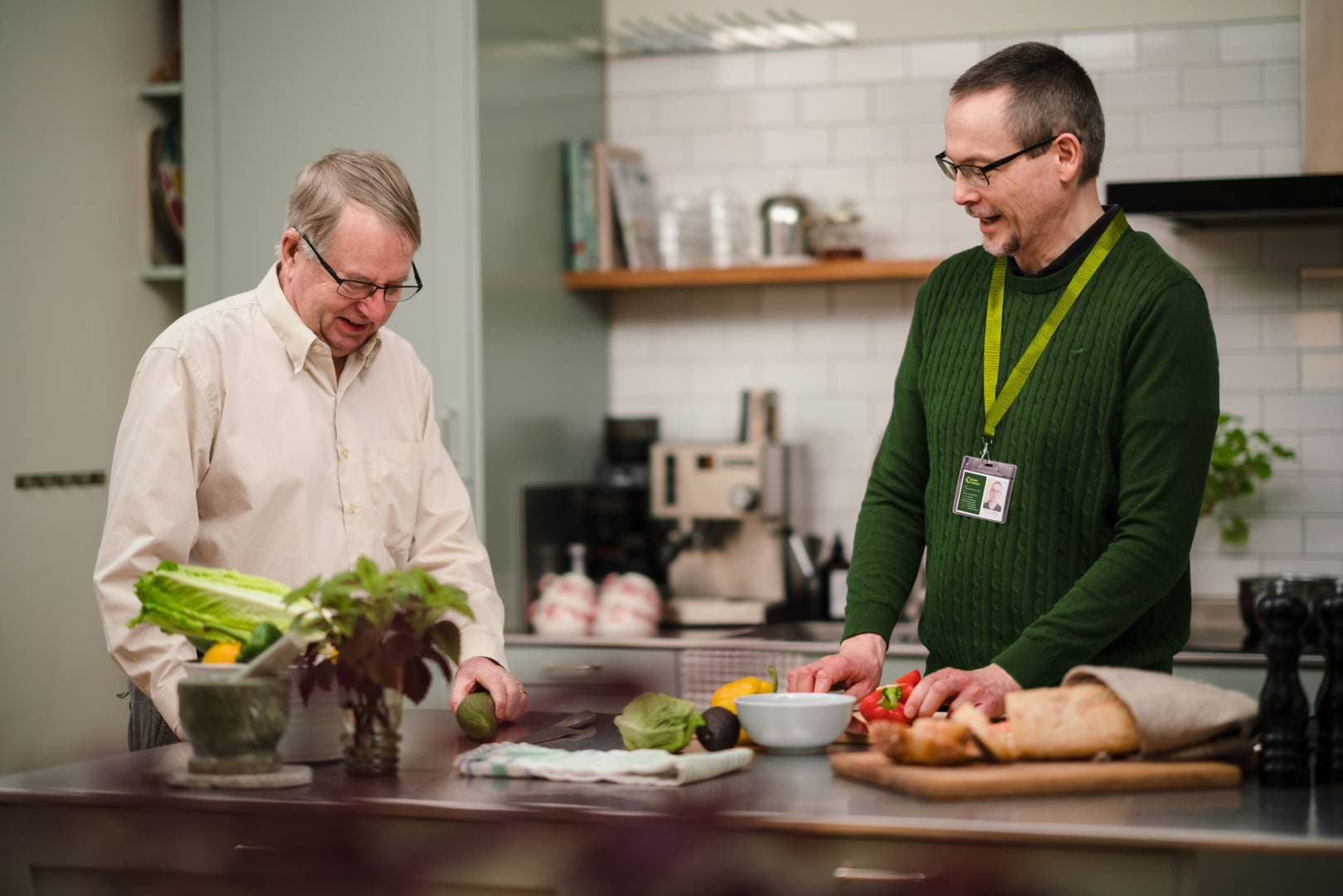
Accepting help at home is not always a straightforward decision. For many older adults and their families, it can feel like a significant change, even when support could make everyday life easier and more comfortable. Often, the best approach is to introduce care gradually, allowing everyone time to adjust at a pace that feels manageable and reassuring.
Live-in care can provide steady, personalised support while helping someone remain in the home they know and love. Rather than making sudden changes, introducing care in small, thoughtful steps can help build confidence, trust, and familiarity over time.

Why Introducing Support Gradually Can Help
Many people value their independence deeply, and it is natural to want to continue daily routines without assistance for as long as possible. Bringing care into the home gradually can help preserve that sense of independence while offering practical support where needed.
Starting with smaller forms of help may feel less overwhelming. This might include companionship visits, assistance with household tasks, or support with preparing meals. Over time, as trust develops and routines become more familiar, care can adapt naturally to changing needs.
A gradual approach can also help families feel more comfortable. It provides time to understand what type of support works best and creates space for open conversations without pressure.
Recognising When Some Extra Help May Be Useful
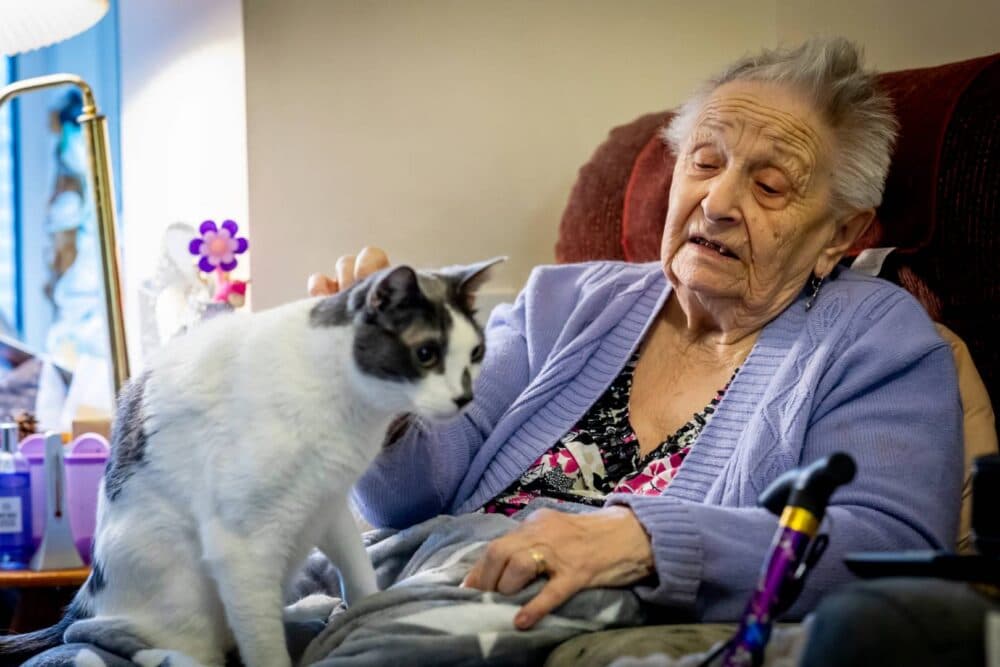
Every situation is different, and there is no single moment when support suddenly becomes necessary. Often, families notice small changes over time, such as:
Changes in Daily Routines
Someone may begin finding household tasks more tiring than before, or routines that once felt simple may start taking longer to manage.
Feeling Less Confident at Home
Confidence can sometimes change after a minor illness, reduced mobility, or a period of feeling isolated. Gentle support can help someone feel more settled and reassured.
Family Members Becoming Overstretched
Relatives often do a great deal to support loved ones, but balancing care responsibilities with work, family life, and personal commitments can become challenging. Introducing professional care gradually can ease pressure while ensuring consistent support is available.
Reduced Social Interaction
Regular companionship and conversation can make a meaningful difference to wellbeing. Having a familiar Care Professional visit regularly can help maintain social connection and routine.
Small Steps That Can Make a Difference
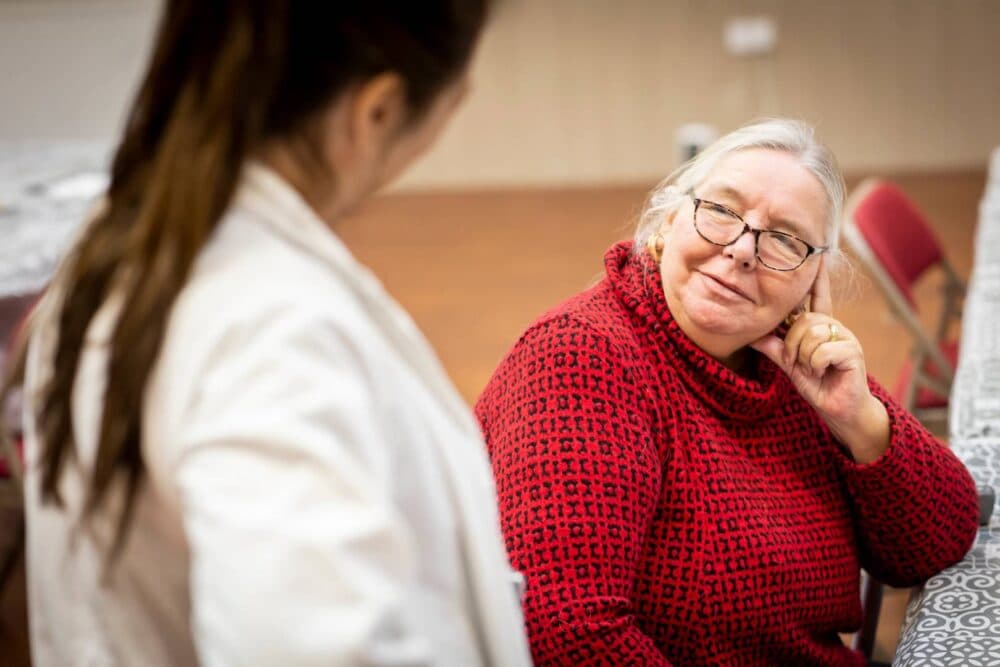
Introducing care does not always need to begin with extensive support. Often, smaller steps help someone become comfortable with the idea of having assistance at home.
Starting with Companionship
A regular visit for conversation, a cup of tea, or a short walk can help build familiarity and trust. Many people find this gentle starting point reassuring because it feels informal and supportive.
Help Around the Home
Support with light housekeeping, laundry, shopping, or meal preparation can remove some of the daily pressures without changing someone’s routine too dramatically.
Flexible Care That Can Grow Over Time
As circumstances change, support can be adapted gradually. Some families eventually decide that live-in care provides the right balance of companionship, practical help, and reassurance while allowing their loved one to remain safely and comfortably at home.

How Live-in Care Supports Everyday Life
Live-in care allows someone to receive one-to-one support while continuing to enjoy familiar surroundings, treasured routines, and close connections with their local community.
A live-in Care Professional can assist with daily routines in a calm and respectful way, offering support that fits around the individual rather than changing their lifestyle unnecessarily.
Support may include:
- Preparing meals and drinks
- Help with morning and evening routines
- Companionship and conversation
- Support attending appointments or social activities
- Assistance around the home
- Encouragement to maintain hobbies and routines
Because care is personalised, support can be adjusted carefully over time to suit changing needs and preferences.
Making Conversations About Care Easier
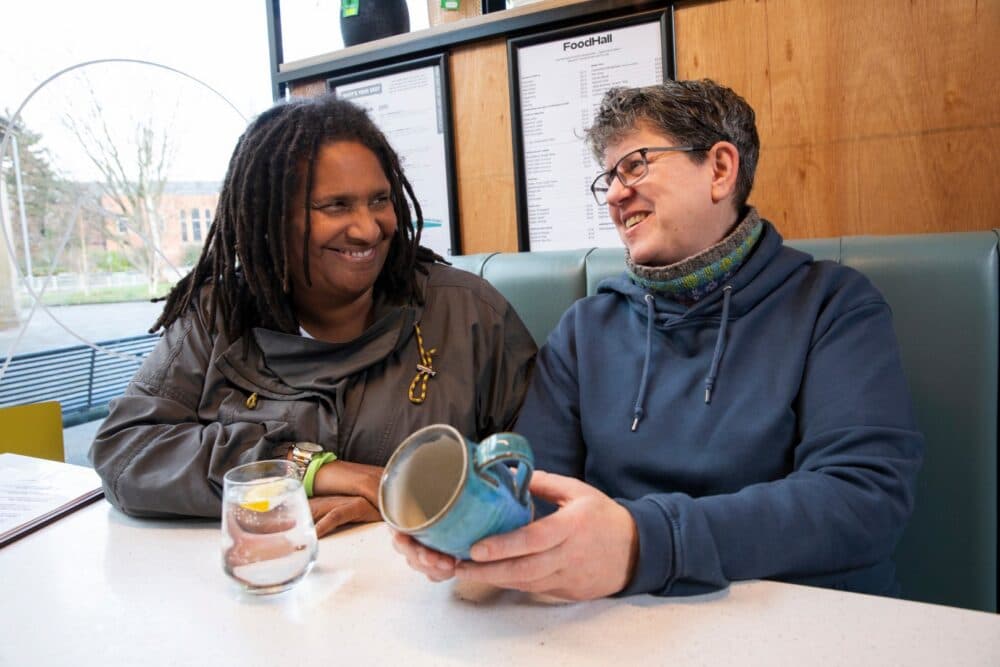
Conversations about care can feel emotional at times, particularly when someone is worried about losing independence. Approaching the discussion gently and positively can help everyone feel more comfortable.
Focus on Practical Benefits
It can help to talk about how support may make everyday life easier rather than focusing purely on difficulties. Simple examples, such as help with shopping, meal preparation, or companionship, may feel more approachable.
Involve the Person in Decisions
Giving someone time to express their preferences and concerns is important. Feeling included in decisions often helps people feel more confident and reassured about accepting support.
Take Things Slowly
There is rarely a need to rush. Introducing support gradually allows routines and relationships to develop naturally.

The Importance of Familiarity and Routine
Remaining at home often provides comfort through familiar surroundings, personal belongings, neighbours, and established routines. This familiarity can help people feel settled, confident, and connected to their local community.
In areas such as Hanham, Keynsham, Kingswood, and Longwell Green, many older adults value staying close to family, friends, and places they know well. Live-in care can support this continuity while offering practical day-to-day assistance.
Having a regular Care Professional also helps create consistency. Familiar faces and dependable routines can provide reassurance for both the person receiving support and their family.

Your Local Home Instead Team
At Home Instead Bristol East, the local team understands that arranging care can feel like a significant step. Their approach focuses on listening carefully, providing reassurance, and helping families explore support at a pace that feels right for them.
Home Instead office name:
Home Instead Bristol East
Office phone number:
0117 3742400
Office website URL:
https://www.homeinstead.co.uk/bristol-east/
Google Business Profile link:
https://maps.app.goo.gl/zAfXvzkhnup1exau7
Areas covered (towns/villages/communities):
Hanham, Keynsham, Longwell Green, Kingswood, Warmley, Stockwood, St George, St Paul’s
Postcodes served:
BS5 8, BS30 7, BS5 9, BS15 1, BS5 6, BS5 0, BS30 8, BS31 3, BS31 1, BS15 8, BS15 4, BS4 3, BS30 9, BS2 0, BS15 9, BS16 3, BS5 7, BS14 8, BS4 4, BS4 5, BS16 4, BS2 9, BS30 5, BS31 2, BS30 6, BS15 3
Families looking for gentle, personalised support can explore the Live-in Care Hanham landing page or contact the local office for friendly guidance and further information.

Ratings and Compliance
Home Instead Bristol East maintains the following ratings:
Homecare.co.uk rating:
9.6 out of 10
Profile link:
https://www.homecare.co.uk/homecare/agency.cfm/id/65432237359
CQC rating:
Good
CQC report link:
https://www.cqc.org.uk/location/1-8447260986

How can we help?
We've helped thousands of families to stay safe, comfortable and happy at home. Whatever situation you're facing, or whatever the question is, Home Instead is here to help.
Are you in need of a little guidance right away?
Other non-care-related enquiries