Life After a Stroke: Supporting Recovery at Home in Antrim, Ballymena and Carrickfergus
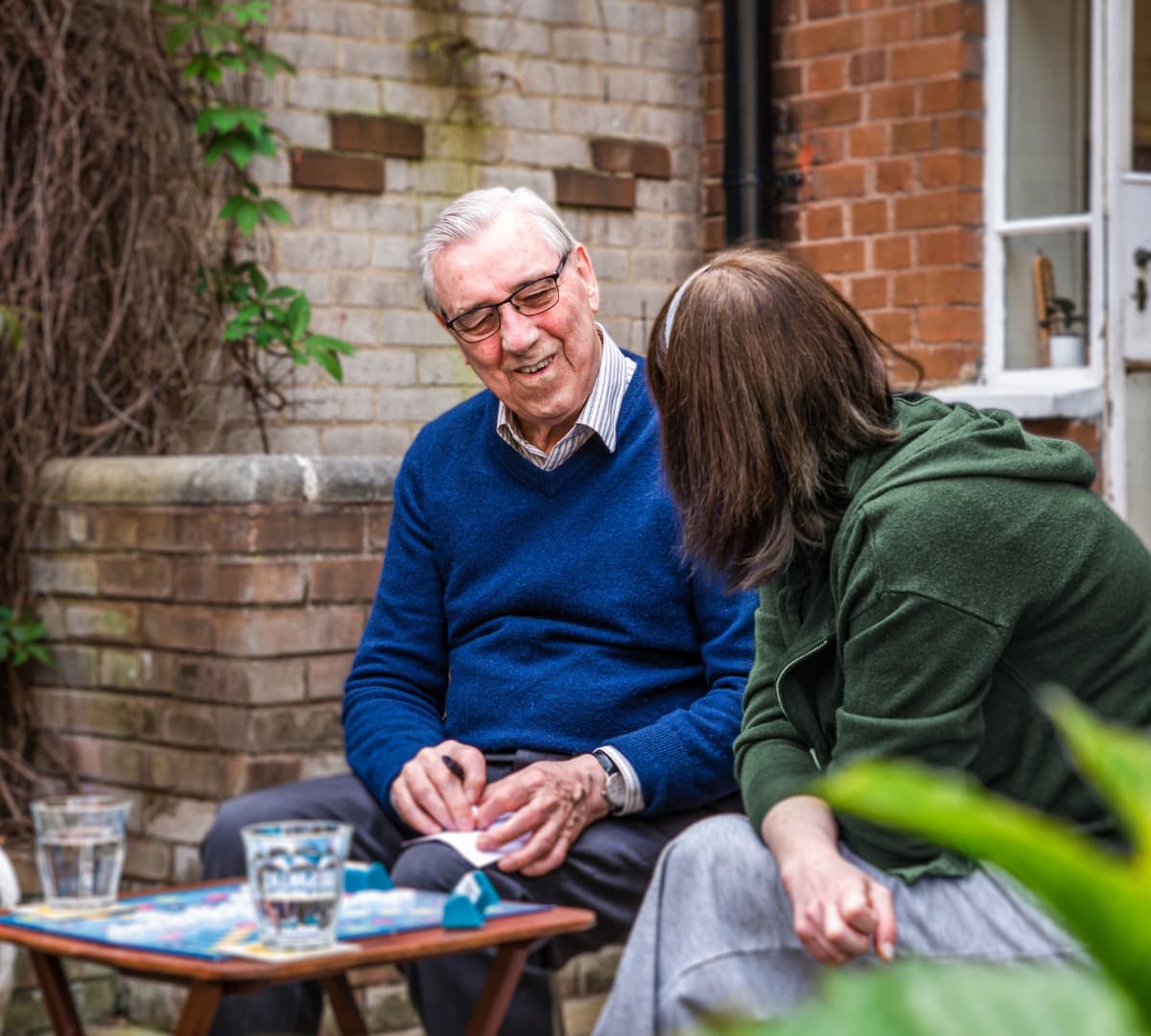
Every year, thousands of people in Northern Ireland experience a stroke – a sudden, life-changing event that can affect movement, speech, memory, and confidence.
As World Stroke Day approaches on 29th October, it’s a reminder that recovery doesn’t end when someone leaves hospital. With the right support, stroke survivors can rebuild independence and quality of life at home.
At Home Instead Antrim, Ballymena and Carrickfergus, our Care Professionals help clients adjust to life after a stroke with warmth, encouragement, and practical support. From mobility and confidence to emotional wellbeing, care is tailored around each person’s needs, helping them take steady, achievable steps towards recovery.
Recovery Is a Journey, Not a Schedule
Stroke recovery is deeply personal. Some people regain function quickly, while others take more time to adapt to changes in strength or communication. What matters most is a steady, compassionate approach that fits the individual’s pace.
Our Care Professionals are trained in stroke awareness, mobility assistance, and communication support for people living with aphasia (difficulty communicating) or fatigue. Each visit focuses on building trust and consistency, essential ingredients for regaining confidence.
Many people regain confidence through small daily routines, whether practising walking with gentle support or enjoying reassuring conversation that makes each day feel more positive.
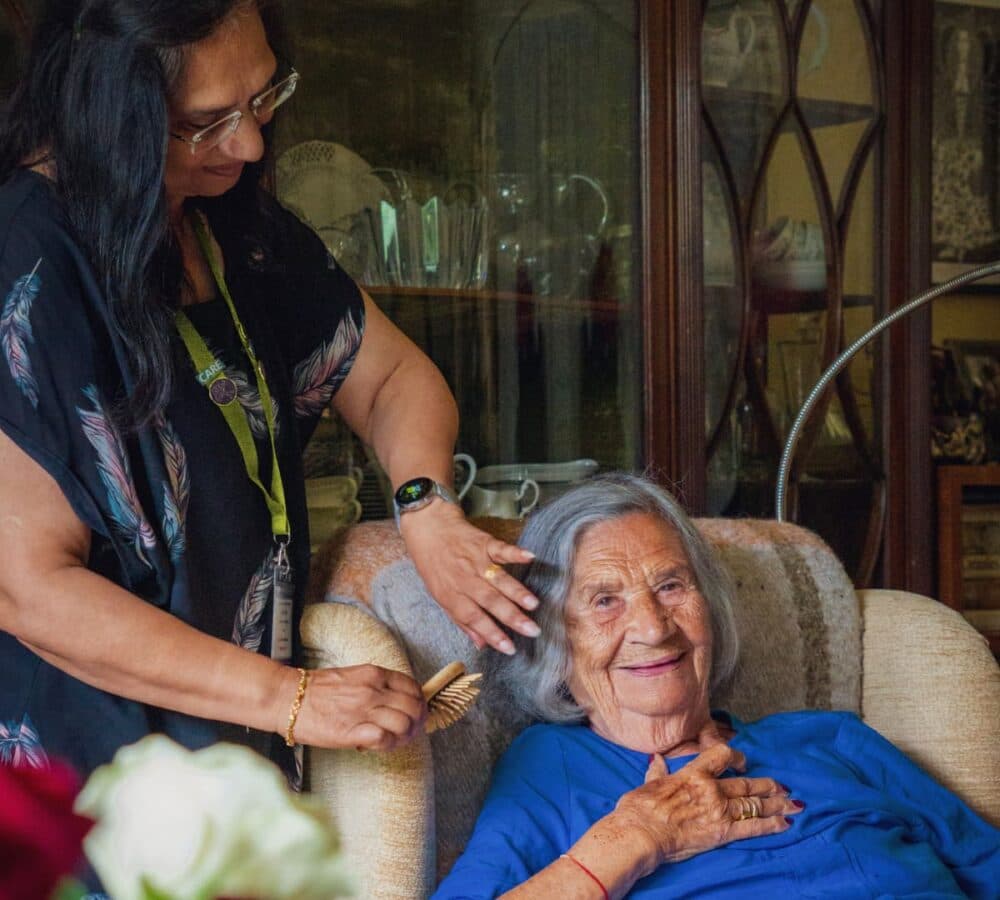
Practical Ways Families Can Support Recovery at Home
Families play a vital role in stroke rehabilitation. Small adjustments can make a big difference to comfort, safety, and progress:
– Create safe, clutter-free spaces with clear walkways and stable furniture.
– Encourage independence, allowing your loved one to try tasks at their own pace.
– Communicate patiently, giving time to respond and avoiding rushing conversation.
– Support gentle exercise or stretches approved by a physiotherapist.
– Plan meals together to promote routine and confidence in daily living.
– Celebrate small wins, such as standing unaided or completing a favourite activity.
Simple, consistent encouragement at home often has a bigger impact than any formal therapy session.
Expert Support, Close to Home
Our teams work closely with families, local physiotherapists and occupational therapists, and hospital rehabilitation units, including those at Antrim Area Hospital and Causeway Hospital. This joined-up approach helps maintain continuity between hospital care and home life.
We can also signpost families to community support through Northern Ireland Chest Heart & Stroke (NICHS) and local stroke groups across Ballymena and Carrickfergus, offering advice, peer connection, and motivation during recovery.
Every step of care, from morning routines to building mobility, is guided by compassion and consistency, ensuring clients feel safe, respected, and supported at home.
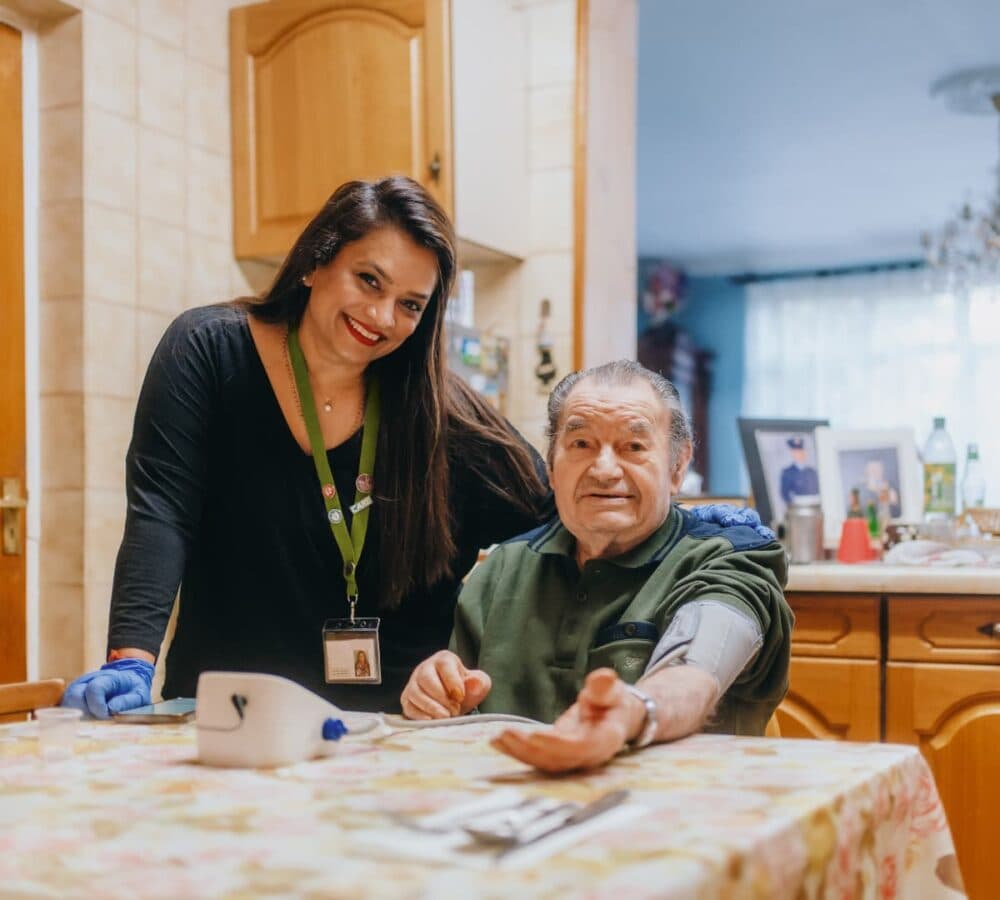
Rebuilding Confidence, One Step at a Time
Recovery is about more than physical strength; it’s about restoring identity, connection, and confidence. Our Care Professionals bring patience, positivity, and understanding to every visit. Whether it’s sharing a cup of tea, practising walking outdoors, or helping with speech exercises, these moments of genuine care make a world of difference.
At Home Instead Antrim, Ballymena and Carrickfergus, we believe the best place to recover is in the comfort and familiarity of home, surrounded by people who care.
FAQs
Can you recover from a stroke at home?
Yes. Many stroke survivors continue their rehabilitation at home with the right combination of care, physiotherapy, and family support. Home care provides structure, safety, and encouragement while helping people remain in familiar surroundings.
How can home care help stroke survivors?
Home care can assist with personal routines, medication reminders, gentle mobility support, meal preparation, and companionship. Care Professionals also work alongside therapists and families to build confidence and consistency.
What kind of support do families need after a stroke?
Families benefit from guidance, respite care, and reassurance. Home Instead offers flexible care plans that can adapt as recovery progresses, allowing family members to rest while knowing their loved one is receiving skilled, compassionate support.
Get Support Today
If you or someone you love is recovering from a stroke, we can help.
Call 028 2544 0800 or enquire online to learn more about our after-stroke home care services.