Caring For My Elderly Parents
Taking care of the people who used to look after you is a difficult transition that most of us will have to face. We share a few ideas and tips.

You may be comfortable and well able to care for your aged parent yourself – if so, we hope that our ideas and tips below are helpful.
Alternatively, if care is something you don’t want to take on yourself, or you need some assistance, Home Instead Basingstoke is here to help. We can work with you and your parent to identify how best to help you in supporting them, and can provide flexible home care visits to help keep your parent comfortable, happy and independent at home.
The role reversal and other challenges
We tend to see our parents through the lens of childhood, so caring for them is an emotionally challenging role reversal on both sides. You might also have the challenges of a young family, a busy career and/or living some way away from your parents.
When should I intervene?
Ageing is a gradual process so the point at which some level of care becomes advisable is not clear cut, and you and your parent are likely to see it differently. We offer some guidance as to when to raise the sensitive question of care here: Do I need care? Our advice is absolutely not to wait until your parent has a fall or accident making care an urgent necessity – introducing “light touch” support early on will help to make the care journey more acceptable, and may help to avoid that crisis.
How do I start the care process?
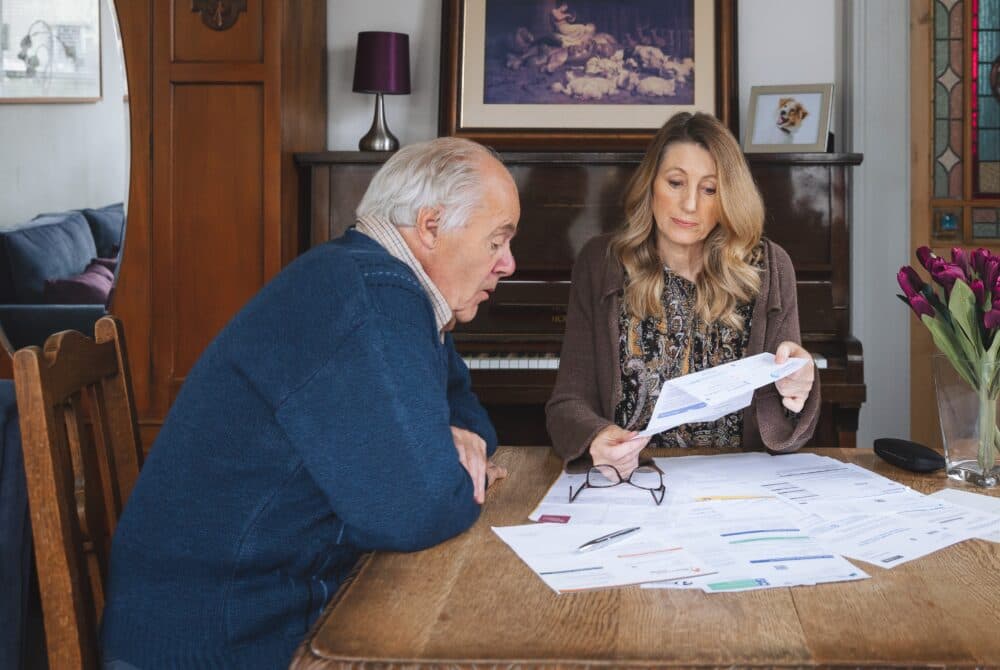
- Talk to Mum or Dad about their developing care requirements and any care plans they might already have
- Communicate with other family members and friends, both to gather information and hopefully to maintain family unity
- Try to keep an eye on them to identify any particular difficulties
- Talk to any specialists involved in your parent’s health, such as their GP or any social workers
- Include your parent in all discussions so they feel they remain in control
Can I care for my Dad myself?
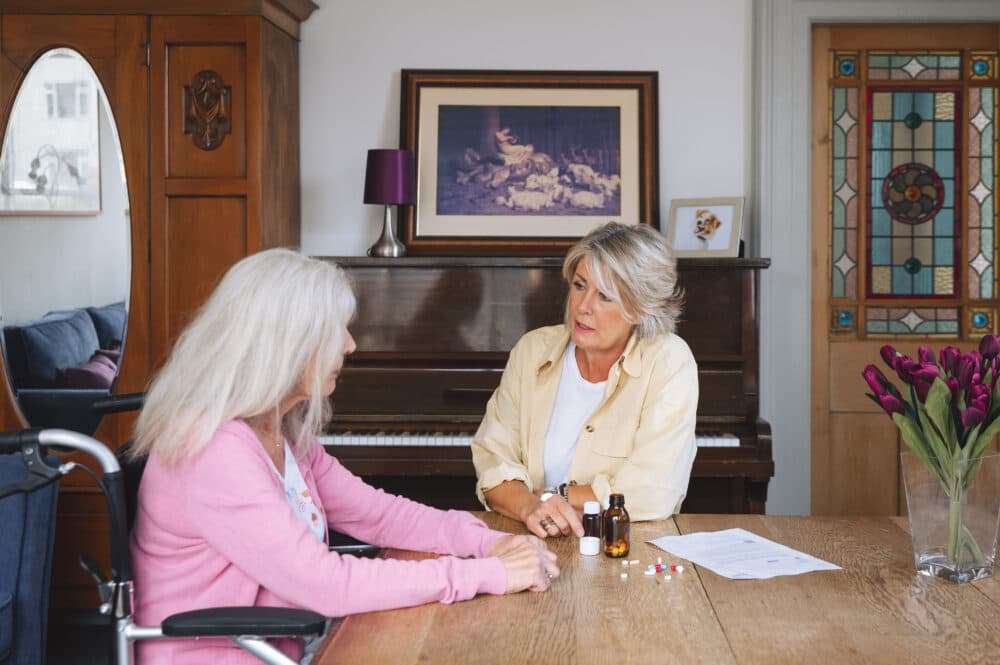
If you are considering providing care for a parent yourself, we would advise:
- Be realistic – ask whether you have the time, the skills, the patience, the energy and the physical health to do what’s needed
- Create a routine to fit caring duties around your other responsibilities and manage your parent’s expectations
- Your routine will need to respect your parent’s routines and social activities, and avoid them feeling their days are being planned for them
- Avoid procrastinating – how would you feel if you had identified a serious fall risk but they had a fall before you had implemented your plan to prevent it.
A few other tips
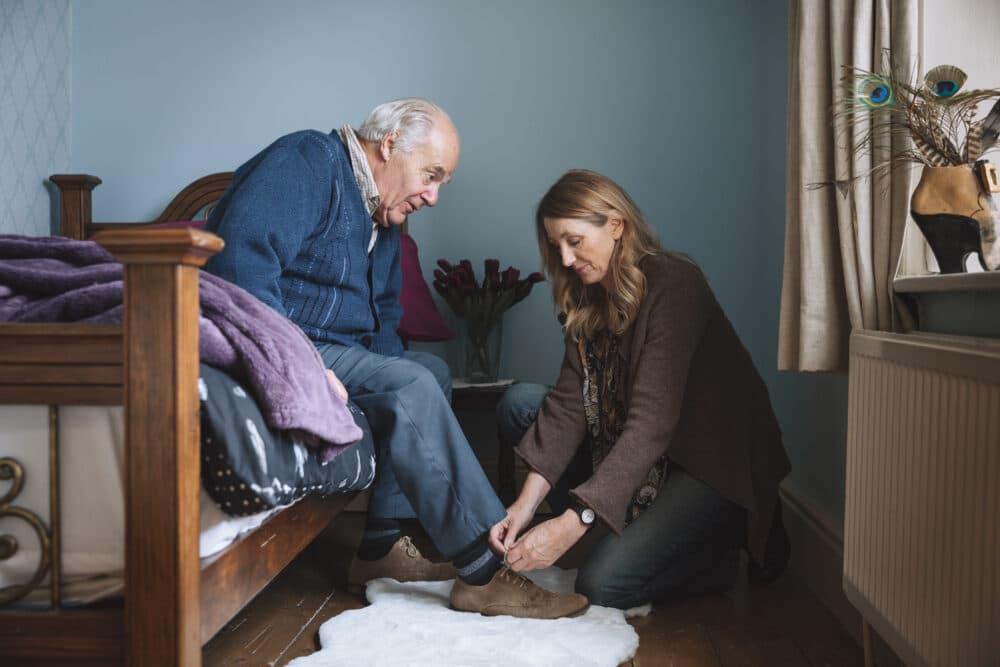
- Does the home need to be made safer? Look at the home through the eyes of a carer and be prepared to make adaptations to the family home if necessary. This might mean, for example, installing a wet room shower, a stair lift or grab rails, converting a downstairs room into the bedroom, or simply removing clutter or other trip hazards.
- Avoid the temptation to be a martyr. As your parent’s needs progress, you may find yourself stretched thinner and thinner – look at sharing the load with siblings or friends, or engaging a professional carer or home care agency. Don’t sacrifice your own health or wellbeing.
- Is caring for your parent having a financial impact on you? It may be worth researching any financial aid available for you or your – our Quick Guide to Funding Care may be useful.
- Be prepared for the emotional impact of watching your parent’s mobility and health decline, of potential changes in personality, and of any dementia.
When outside help becomes necessary
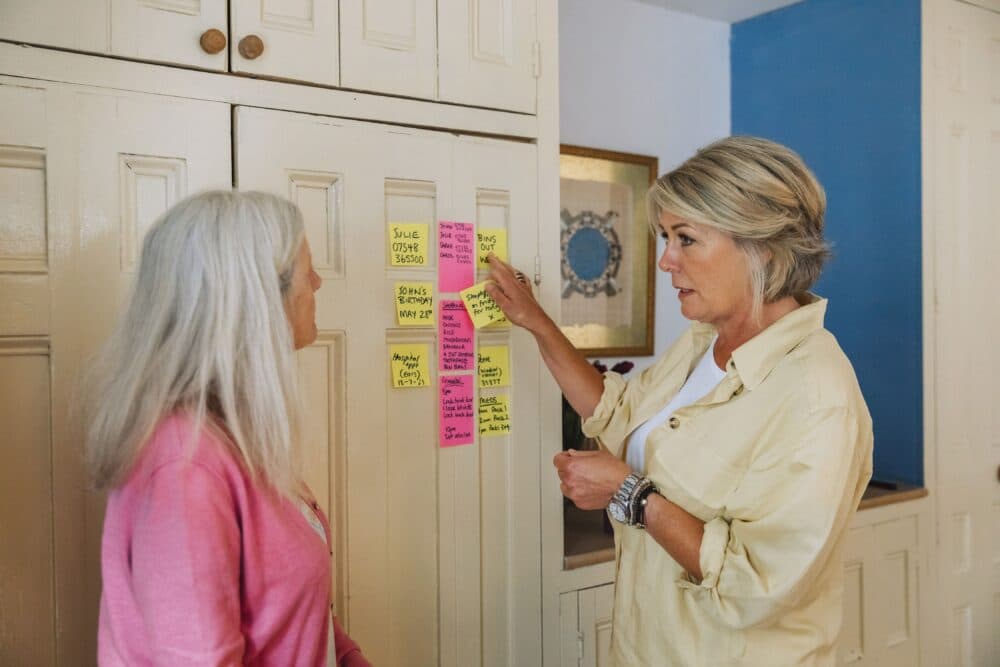
- Speak to social services to get a care needs assessment, which will determine what local authority support your parent might be eligible for
- Consider day centres. Each week your parent would attend for one or more days at the centre, socialising with others in a safe environment and giving you a regular break
- Consider short term respite cover by a care agency or a care home so you can take a family holiday
- Consider home care visits by a local provider. These can be very flexible and can fit around your own support for your parent; alternatively they could free you up completely to enable you to return to being your parent’s daughter or son, rather than being their carer.
- Would live-in care be the best solution? A professional carer living full time with your parent could prepare meals, help with personal care and provide companionship, mobility support, help around the house and, crucially, peace of mind.

Home care near me
Home Instead can help you care for your loved one with flexible home care visits which fit around your own involvement. We can provide a bespoke combination of companionship, home help and personal care, or live-in care. Our carers are specially trained in the provision of dementia care.

If you’d like to find out more about home care from Home Instead, please:
give us a ring on 01256 840 660,
email us at basingstoke@homeinstead.co.uk,
visit: Home Instead Basingstoke
or click on the enquiry button above.