Do I need care?
Deciding whether and when an elderly loved one needs the support of a carer can be challenging, particularly if your loved one is resisting it. We offer some guidance.
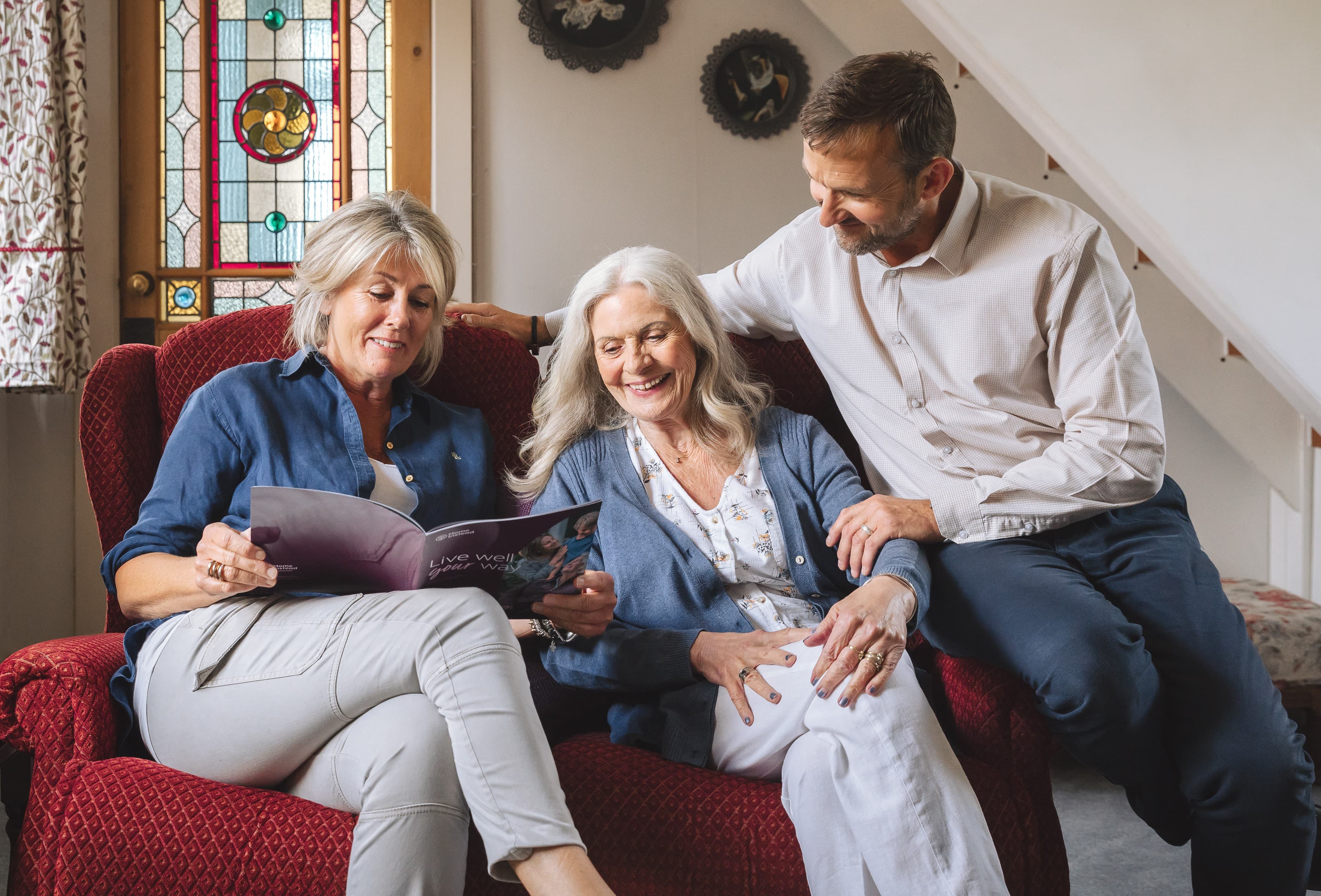
Common physical signs
Weight loss
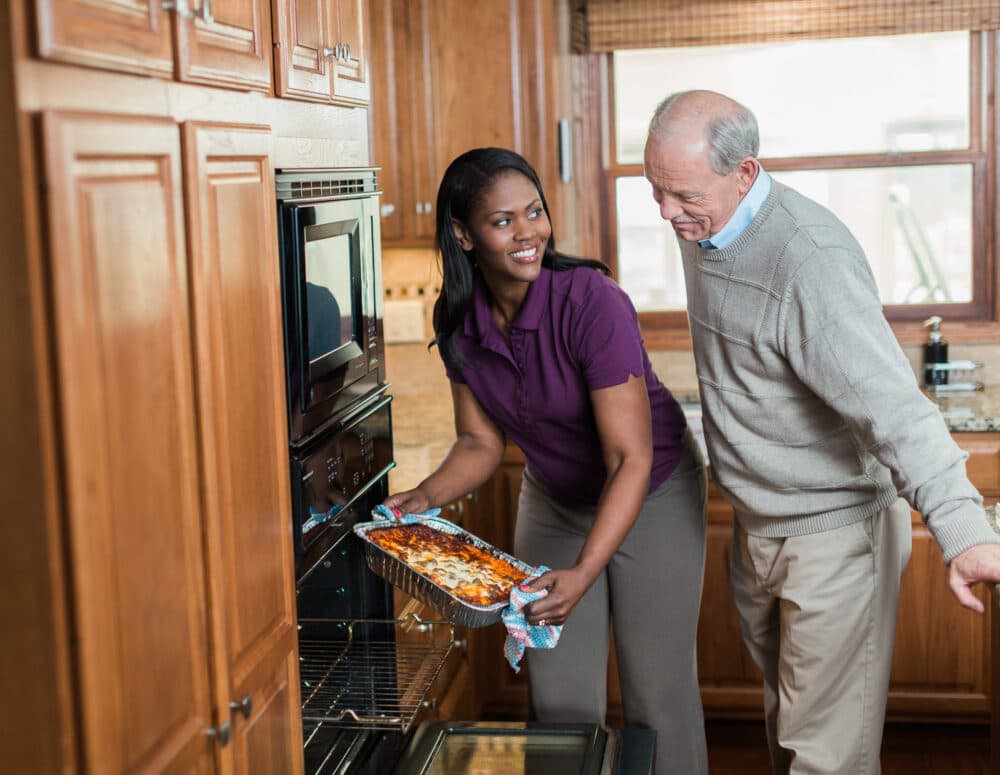
This is often a sign that something is wrong. It could be the result of forgetting to eat, loss of interest in food, loss of confidence in cooking or a medical issue such as cancer. Non-medical causes can easily be addressed by having a carer come in to help plan and prepare meals, reinforce routine and provide companionship.
Deteriorating personal care
Body odour, home smelling of urine, dirty or stained clothing or a dishevelled appearance can all indicate inadvertent neglect of personal care routines resulting possibly from cognitive decline, low mood, mobility problems or a fear of falling.
It’s likely to be a sensitive subject but daily carers, to lend a hand and help the individual feel more comfortable and more confident, can make a big difference.
Some less obvious signs
Isolation and loneliness
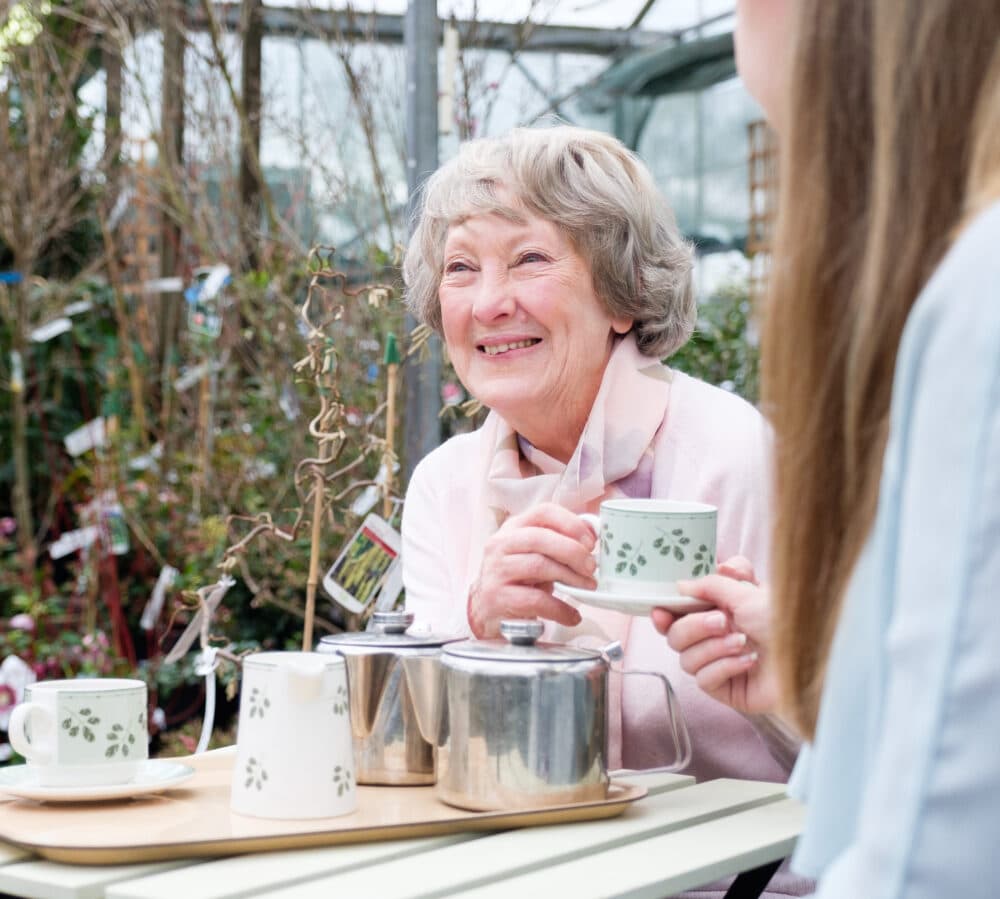
Loss of partners, distant families and mobility restrictions can all contribute to the elderly living isolated and lonely lives, withdrawn from local communities. Isolation and loneliness are key risk factors for mental health and dementia.
Carers can help individuals re-engage with their local communities and leisure activities, provide companionship and stimulation, and improve their quality of life.
Poor mental health
The World Health Organization estimates that globally nearly 15% of over 70s live with a mental health disorder, most commonly anxiety or depression, and a sixth of suicides are by over 70s. Although the symptoms can develop gradually, watch out for loved ones becoming withdrawn and quiet, losing interest in formerly enjoyable activities, reluctance to see family and friends, sleeping more, and mood swings.
Whilst professional help should be sought as soon as possible, carers can often help with treatment, eg by managing medication and facilitating a healthier lifestyle with routine, exercise and companionship.
Forgetfulness and confusion
This may vary from forgetting medication or leaving the cooker on, to forgetting where they are and difficulty with directions or minor decisions. A discussion with the GP and possibly assessment for dementia will help put this in perspective.
Help from a carer with medication or everyday tasks can keep your loved one safe and rebuild their confidence.
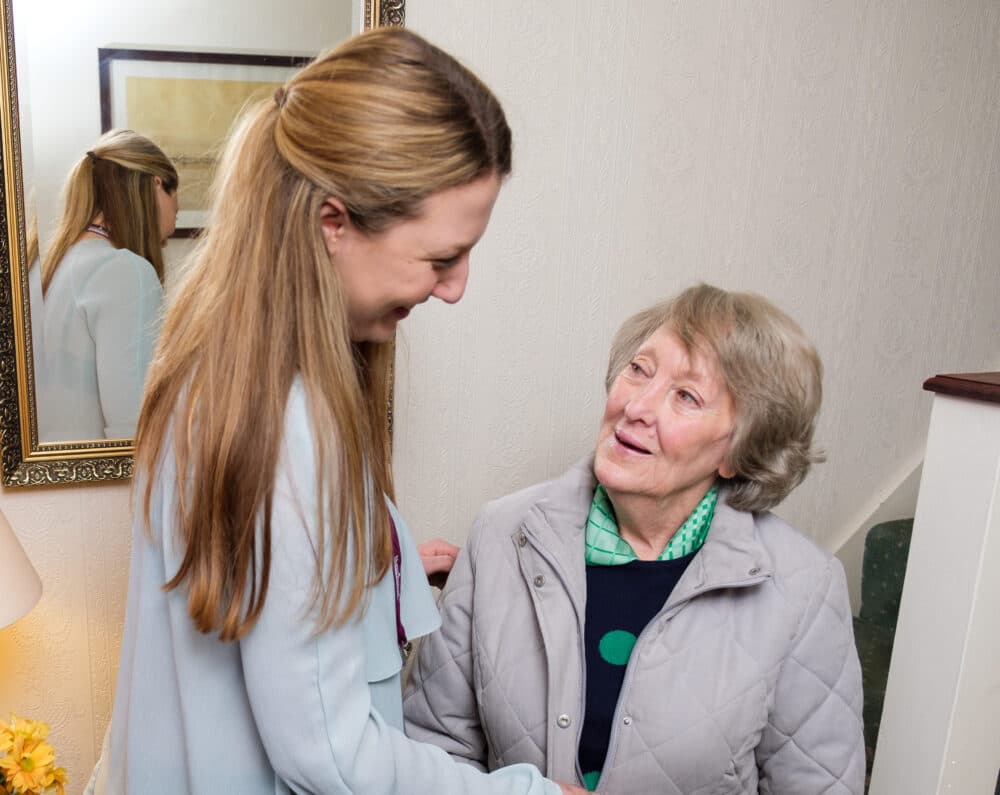
Some signs are easier to discuss
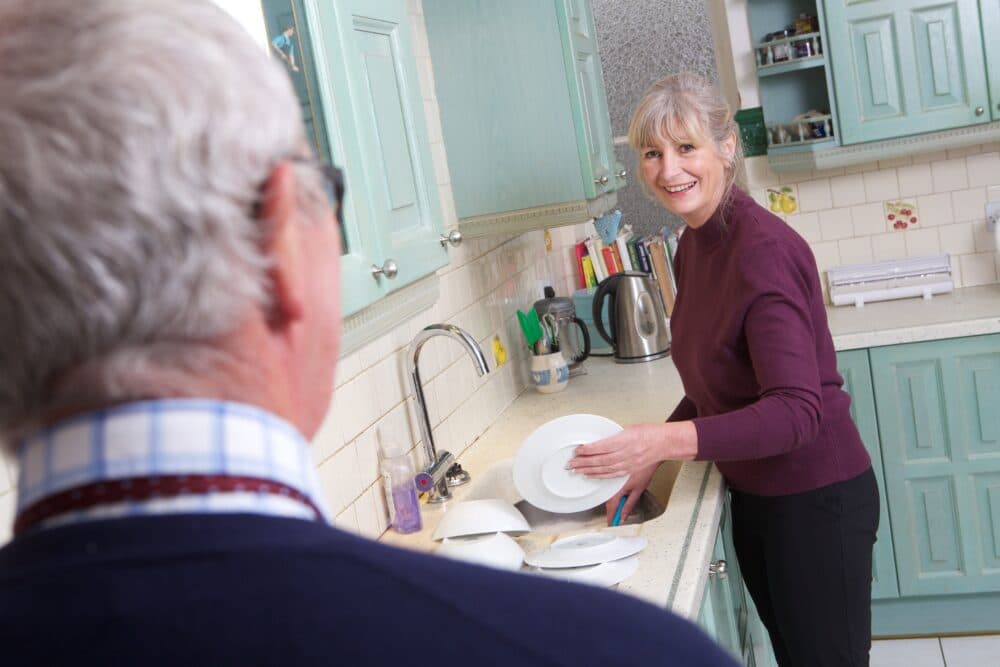
Problems with household tasks
This could relate to housework and loss of ability to clean and tidy the home, or it could relate to administrative chores such as inability to manage personal finances, possibly accompanied by increased susceptibility to fraud & scams by cold-callers on the phone or at the door.
Carers can help with housework whilst keeping a general eye on the individual’s wellbeing, and keep an eye out for cold-callers and scam mail.
Concerns about falling
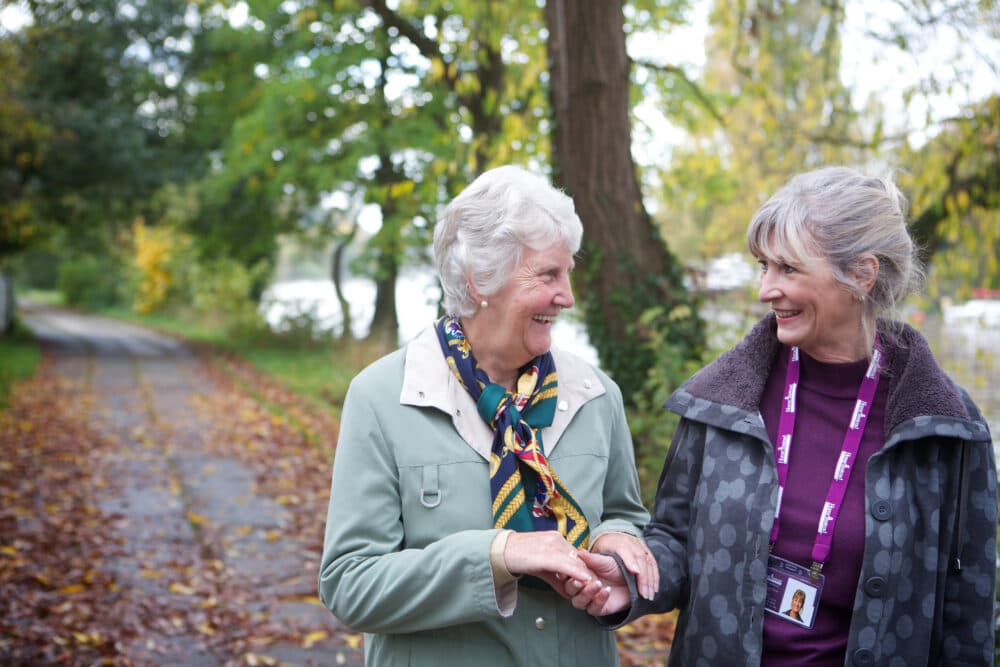
Age UK found that 36% of older people put falling over at the top of their list of concerns. A fall by an elderly person presents a serious risk of broken bones or worse, and fear of falling can cause someone to avoid physical activity thereby exacerbating their vulnerability.
A carer can not only lend a hand for high-risk activities such as the morning shower, and reduce risk by removing trip hazards, but can also help the individual to exercise and remain physically active thereby maintaining muscle strength and balance.
How can we help?
The Home Instead approach is to provide care which is bespoke to the individual and designed to help them to maintain their independence and age positively.
We can provide flexible home care to address any of the concerns above through a combination of companionship, personal care, home help and live-in care, and we will work with reluctant loved ones to make our services acceptable to them.
If you’d like to find out more about home care from Home Instead, please:
give us a ring on 01256 840 660,
email us at basingstoke@homeinstead.co.uk,
visit: Home Instead Basingstoke
or click on the enquiry button above.