After a Dementia Diagnosis in Tyne Valley: Building the Right Support Around You
Recently received a dementia diagnosis? Discover how to build practical, local support around you in Tyne Valley, including Hexham, Prudhoe and nearby communities.
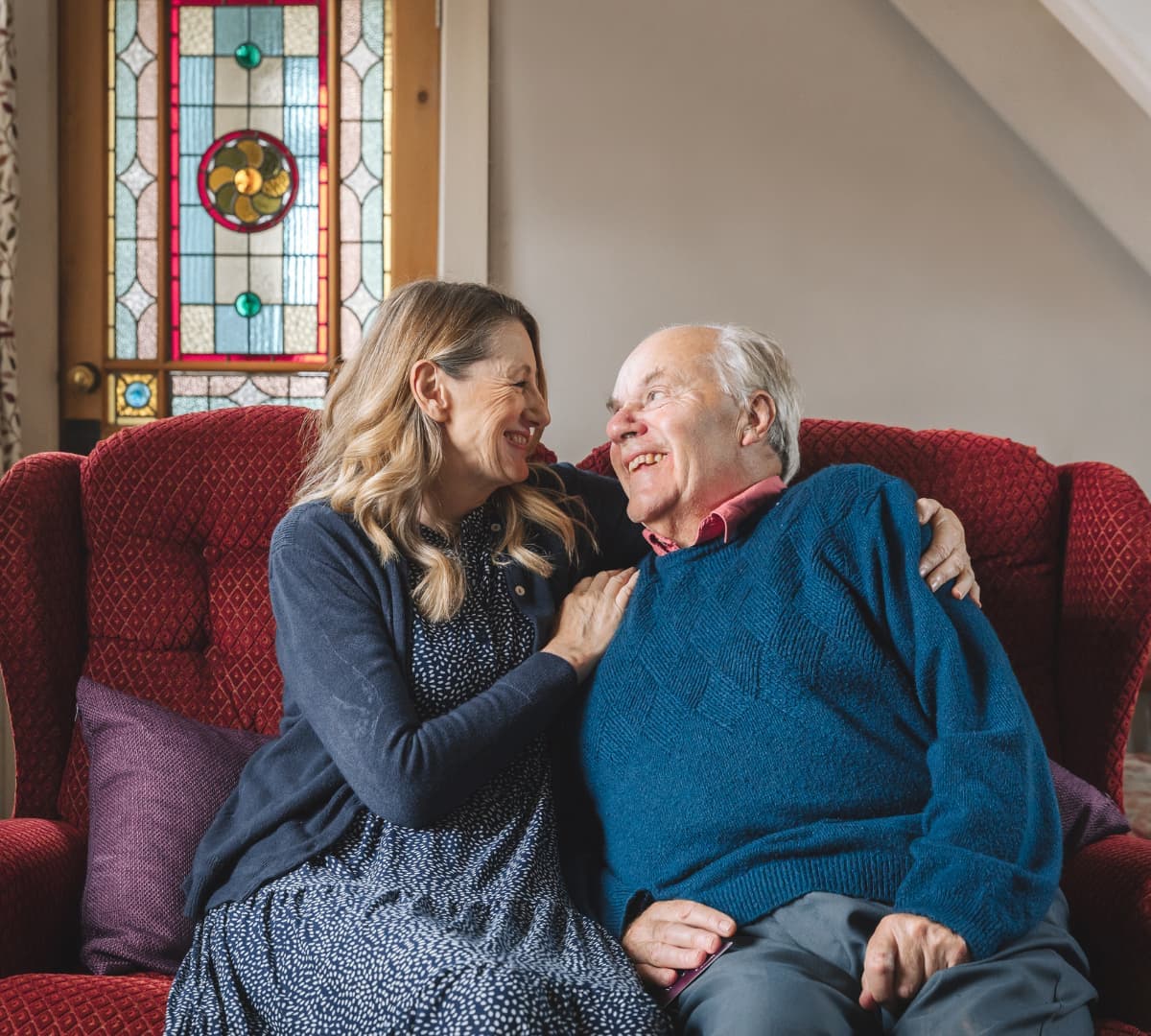
A dementia diagnosis can bring many different emotions. There may be relief at finally understanding why things have been changing, but also uncertainty about what happens next.
For families across Tyne Valley, including Hexham, Prudhoe, Corbridge and surrounding communities, it can help to remember that support does not have to come from one place.
Healthcare professionals, dementia advisers, family, friends, community services and home care can all play different roles. Building that support gradually can make everyday life feel more manageable.
Start with the support already available
Following a diagnosis, it is worth checking which services you have already been referred to and what further help is available.
The Northumberland Post Diagnostic Service supports people who have recently been diagnosed with dementia, along with family members and carers. It can provide information, practical advice, emotional support and help finding services in the community.
The West Northumberland Older Adult Team, based at Hexham General Hospital, also provides specialist support, including memory services, medication advice and support for carers.
If you are unsure what should happen next, ask your GP, memory service or healthcare professional what support is available locally.
Find someone you can ask the everyday questions
Medical appointments matter, but many of the questions that follow a diagnosis are about daily life.
- Can Mum still go out alone?
- What happens if Dad starts forgetting meals?
- How do we help without taking over?
These questions do not always need an immediate or dramatic solution. Often, the most helpful approach is to notice what is becoming difficult and add support around those specific areas while keeping as much familiarity and independence as possible.
The Alzheimer’s Society Post Diagnostic Dementia Adviser Service in Northumberland can also provide information and advice to people living with dementia, their carers and family members.
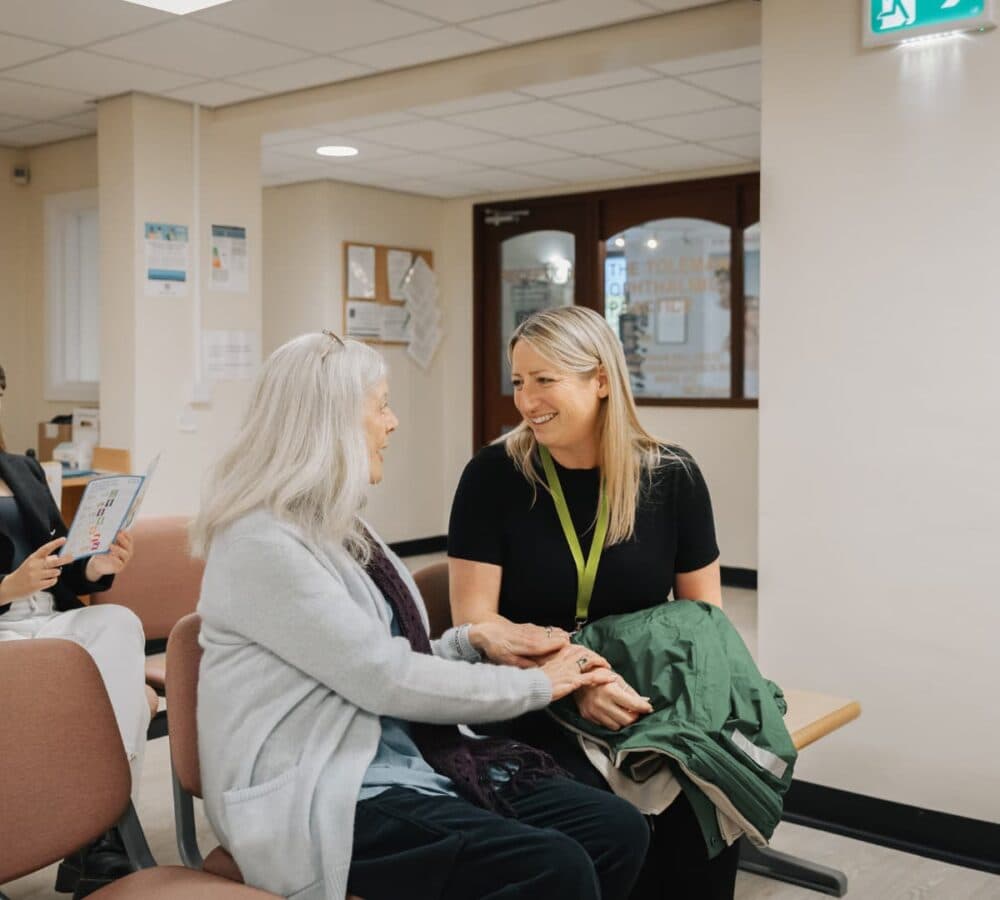
Think about the whole family
A dementia diagnosis affects more than the person who receives it. Partners may gradually take on more responsibilities. Adult children may be helping while balancing work, their own children or living further away. Friends may want to help but not know what would be most useful.
It can help to talk openly about who can realistically do what. One relative may attend appointments. Someone else might help with shopping. A neighbour may call in occasionally. Professional support can then fill some of the gaps, rather than leaving one person to carry everything.
For family carers, Carers Northumberland is another useful source of local support.
Rural life can create extra challenges
Living in Tyne Valley can mean strong community connections and familiar surroundings, but distance can also make support harder.
Family may live in Newcastle or further afield. Public transport may not always fit around appointments or activities. Someone who stops driving may become more isolated than expected. That means planning support is not only about personal care. It can also mean thinking about transport, companionship, shopping, appointments and continuing to get out into the local community.
Home care can sometimes provide that practical bridge, helping someone continue with the parts of everyday life that matter to them.
Keep the person at the centre of decisions
A dementia diagnosis does not remove someone’s preferences, routines or personality.
Wherever possible, conversations about support should include the person living with dementia and focus on what they want to continue doing. That might mean staying in their own home, going somewhere familiar, keeping up a hobby or simply having more company during the week.
Support often works best when it fits around the person’s existing life rather than replacing it.
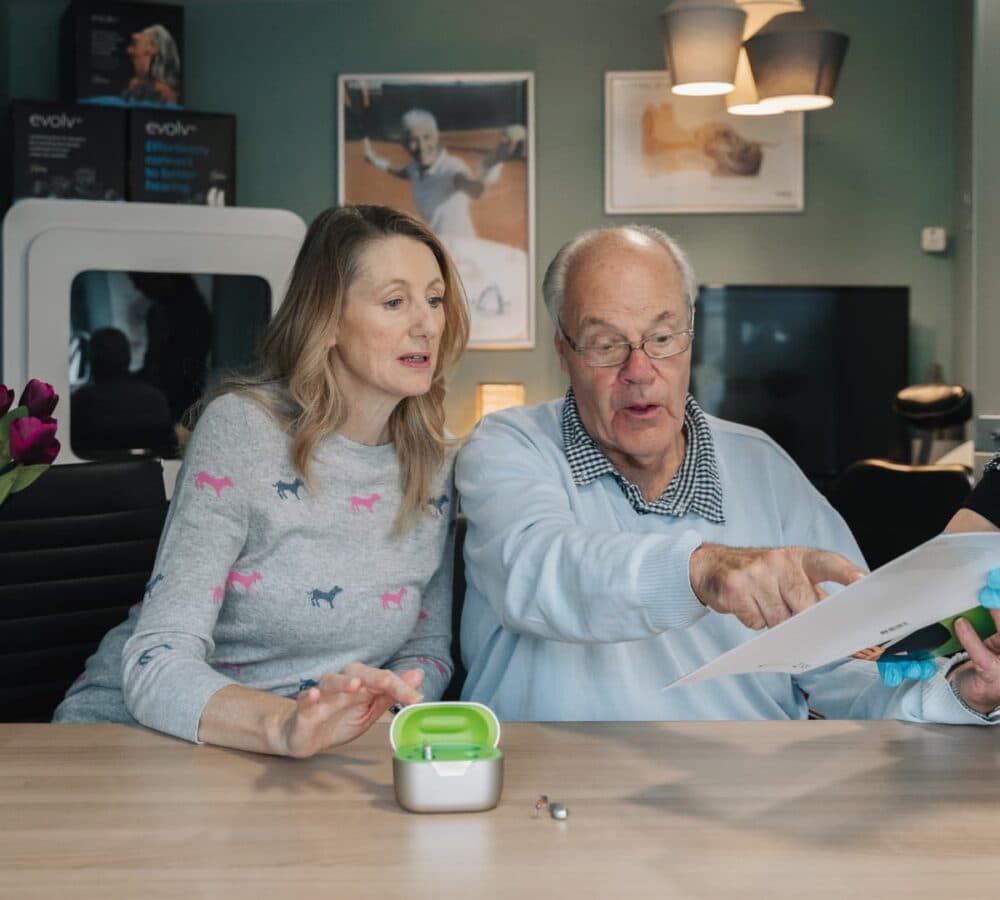
You do not need to plan everything at once
There is no need to solve every future problem immediately after diagnosis.
A useful starting point is to identify what would make life easier now, know which local services you can contact and review things as needs change.
If your family is beginning to think about extra support at home in Tyne Valley, Home Instead can help with companionship, home help, dementia care, transport and everyday routines. Enquire today to find out more.
FAQs
What support is available after a dementia diagnosis in Northumberland?
Support may include NHS dementia services, Alzheimer’s Society advisers, Carers Northumberland and local community services.
Do we need to arrange home care straight away?
Not necessarily. Some families seek advice early and introduce support gradually as needs change.
Can someone with dementia continue living at home?
Many people do, particularly with familiar surroundings and the right level of support.