The Early Signs of Dementia and Where You Can Turn for Help in Hinckley, Burbage & Nuneaton?
Worried about possible early signs of dementia? Find out what to look for and where to seek help in Hinckley, Burbage and Nuneaton.
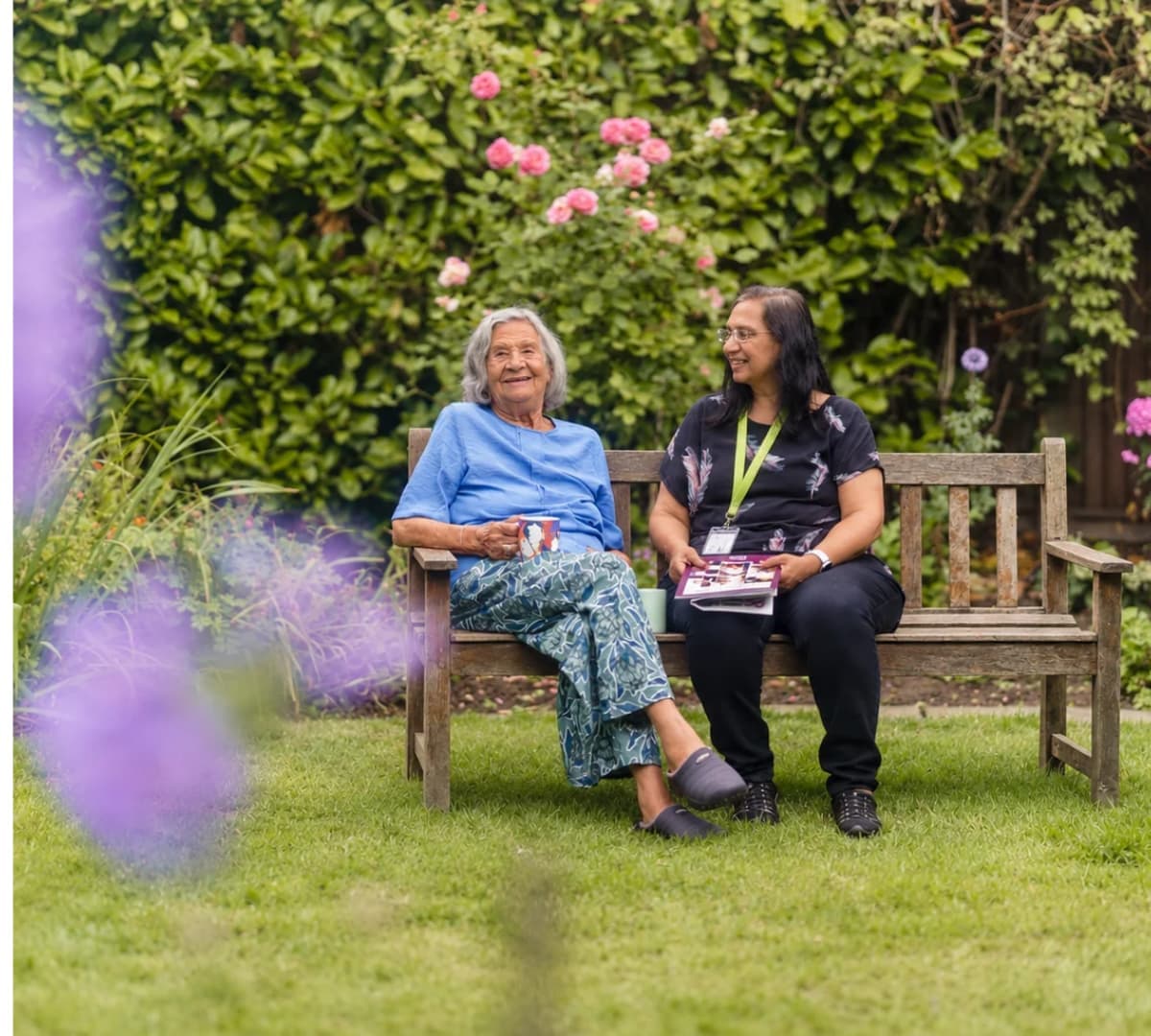
During World Alzheimer’s Month, much of the conversation is about awareness. One important part of that is knowing when changes in memory, thinking or behaviour may be worth discussing with a doctor.
Everyone forgets things occasionally, particularly when tired, stressed or busy. But when changes become more frequent, begin affecting everyday life or are noticed by other people, it can be sensible to seek advice.
The NHS lists common early dementia symptoms including memory loss, difficulty concentrating, struggling with familiar everyday tasks, problems following conversations or finding words, confusion about time or place and changes in mood.
When is forgetfulness worth checking?
A forgotten appointment or misplaced pair of keys does not automatically mean dementia.
What can be more significant is a pattern of change. Someone might repeatedly forget recent conversations, become confused doing something they have managed for years, struggle more frequently with money or planning, or become unusually withdrawn or anxious.
There can also be other causes for memory problems, including depression, anxiety, infections, thyroid problems and medication side effects. That is one reason it is important not to try to diagnose dementia yourself.
If you are worried about your own memory, or changes you have noticed in someone close to you, the first step is usually to speak to a GP.
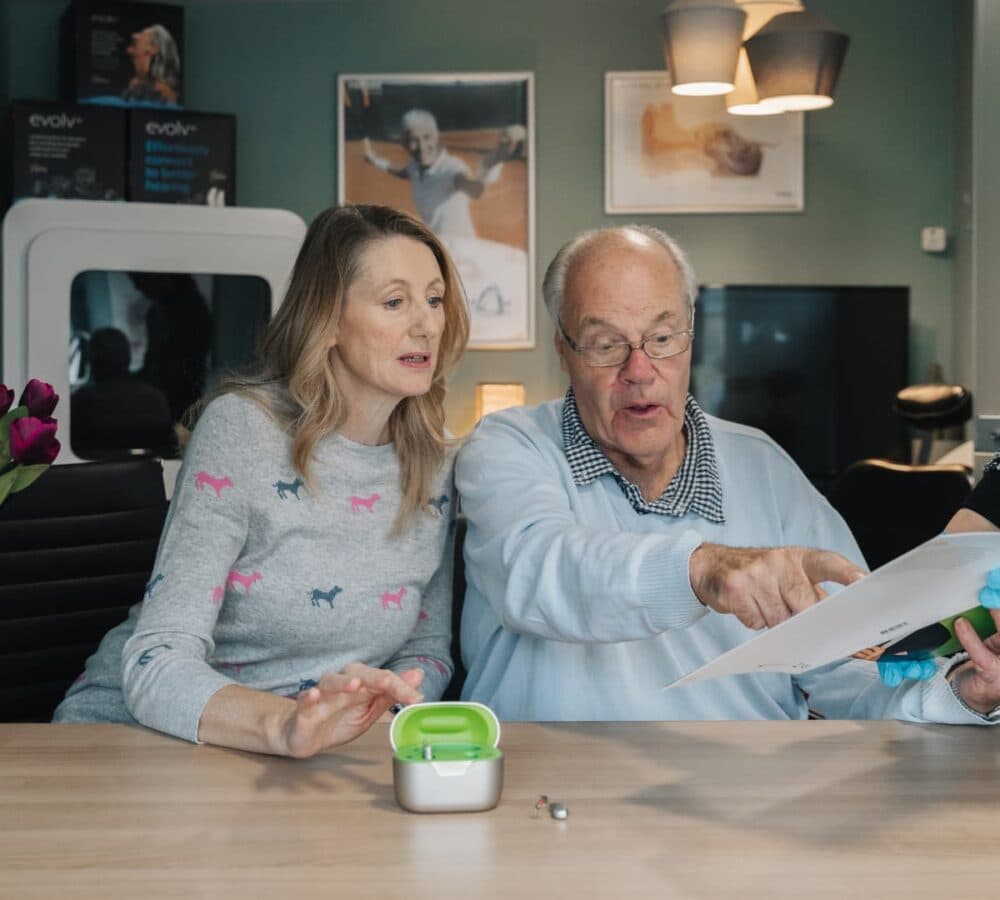
What happens if you speak to a GP about memory problems?
A GP will normally ask about the changes you have noticed and whether they are affecting everyday life. They may review medication, arrange tests and carry out a short assessment of memory and thinking.
There is no single test that diagnoses dementia. Assessment may involve several different checks, and if further investigation is needed, the GP can refer someone to a specialist memory service.
It can be helpful to take someone who knows the person well to the appointment, particularly if they can describe changes they have noticed over time.
Dementia assessment and support in Hinckley and Leicestershire
For people living in Hinckley, Burbage and the Leicestershire part of the local area, the Leicestershire Partnership NHS Trust Memory Service provides assessment, diagnosis and treatment for people experiencing memory difficulties following referral.
There is also community support available locally. Home Instead’s guide to dementia support in Hinckley brings together local groups and organisations that can help people living with dementia and their families.
What about families in Nuneaton?
For people in Nuneaton, Coventry and Warwickshire Partnership NHS Trust provides dementia and older people’s mental health services, including assessment and support for people experiencing memory problems.
Families can also find local information and support through Warwickshire’s dementia services, alongside community groups and activities designed to help people stay connected.
What if someone is already finding everyday life more difficult?
Seeking medical advice and arranging practical support do not have to happen separately.
Someone may still be waiting for an assessment but already finding tasks such as cooking, shopping, getting ready for the day or remembering routines more difficult. Families may also simply want someone knowledgeable to talk to while they work out what has changed.
The Home Instead Hinckley, Burbage & Nuneaton team supports people locally with companionship, home help and specialist dementia care, with support adapted around the individual rather than a diagnosis alone.
If you are concerned about changes in someone close to you and would like to understand what support at home could look like, contact us for an informal conversation.
Frequently asked questions
Does memory loss always mean dementia?
No. Memory problems can have many causes, including stress, depression, infection, medication and other health conditions. Persistent or worsening changes should be discussed with a GP.
Should I wait until symptoms become severe before seeking help?
No. If memory, thinking or behaviour changes are beginning to affect everyday life, it is reasonable to speak to a GP. Early assessment can help identify the cause and allow appropriate support or treatment to begin.
World Alzheimer’s Month is ultimately about increasing understanding and encouraging conversations. If something feels different, asking a question is a sensible place to start.