Questions to Ask Before Hospital Discharge After a Stroke

Bringing a loved one home from hospital after a stroke is a moment many families look forward to, and at the same time it can feel daunting. Knowing the right questions to ask before discharge day gives you a much clearer picture of what to expect and what needs to be in place.
World Stroke Day falls on 29 October 2026 and this year we wanted to focus on something practical: the discharge conversation itself. In this post you’ll find the questions worth asking the hospital team before your loved one leaves, the steps you can take at home to prepare, and some honest thoughts on what recovery often looks like in those first weeks.
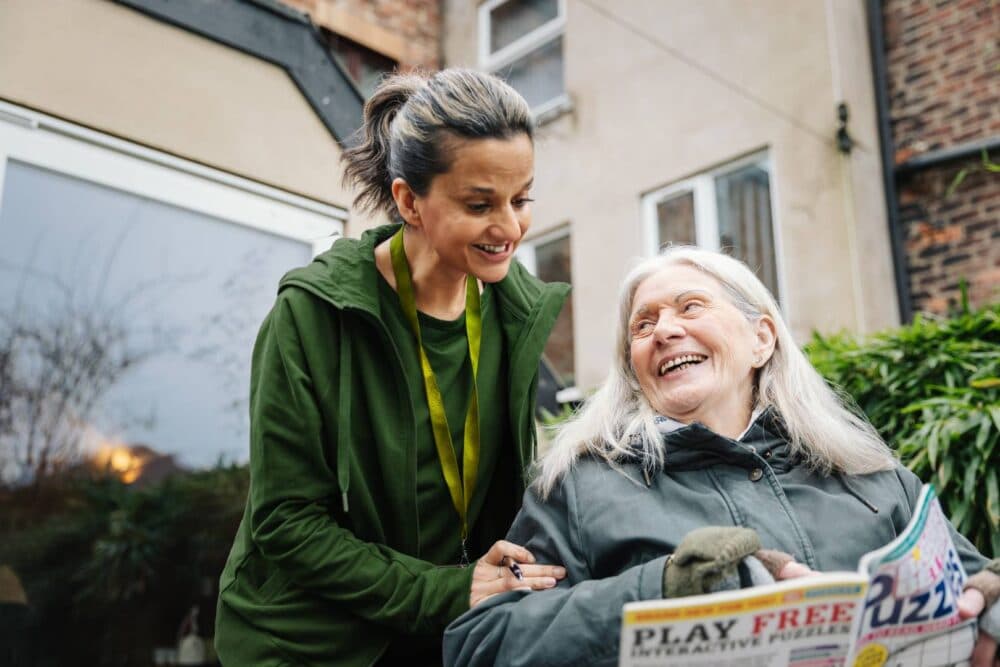
Why The Questions You Ask at Discharge Matter So Much
The period between a stroke and coming home from hospital is busy for everyone. It can be tempting to assume that the team will tell you everything you need to know, or that you should wait until you get home before raising concerns. In practice, the discharge conversation is one of the most useful opportunities families have, and it’s worth using it.
Ask who your main contact is, what therapy is planned, and what support is in place before your loved one leaves hospital. Many families leave hospital without a clear answer to any of these three things, and that gap can make the first days at home much harder than they need to be.
Write your questions down before you go in. Hospital staff expect families to ask, and a good stroke team will welcome it. If there are two of you attending the discharge meeting, one person can listen while the other takes notes. If you don’t understand something, ask for it to be explained again. There is no question that isn’t worth asking at this stage.
Questions to Ask About Ongoing Therapy
Rehabilitation after a stroke usually involves more than one professional. A physiotherapist helps with movement and mobility. An occupational therapist looks at how your loved one manages practical daily tasks such as washing, dressing, making a drink and getting around the home. A speech and language therapist may be involved if there are any difficulties with communication or swallowing.
It isn’t always obvious which therapies have been arranged, how often they’ll take place or where. Before discharge, ask the team:
- Which therapies has my loved one been referred to, and when should we expect the first appointment?
- Will sessions take place at home, at a clinic, or a combination of both?
- What exercises or routines should we be supporting at home between appointments?
That last question is particularly worth pressing for. Therapists usually have specific things they want a person to practise in between sessions. Knowing those early means you can encourage your loved one gently at home, rather than waiting passively for the next clinic visit.

Questions To Ask About Medication and Medical Follow-up
After a stroke, most people are prescribed new medication, and the list can feel long and unfamiliar. Before leaving hospital, make sure you know exactly what has been prescribed, when each one should be taken, and what the tablets look like (in case there’s any confusion with medication already in the home).
Ask the medical team:
- Has a review with the GP been arranged, and when should we expect it?
- When is the first follow-up with the stroke consultant or outpatient team?
- Are there any symptoms we should watch for that would mean calling 999 or NHS 111?
If your loved one has any difficulty swallowing (a condition called dysphagia, which affects a significant number of stroke survivors), ask whether any of their medications are available in liquid form. This is a question worth putting to the ward pharmacist as well as the nursing team.
Make sure you leave with a printed discharge summary that includes a full medication list with doses and timings. If one isn’t offered, ask for it. Keep it somewhere safe and bring a copy to any GP or outpatient appointments.
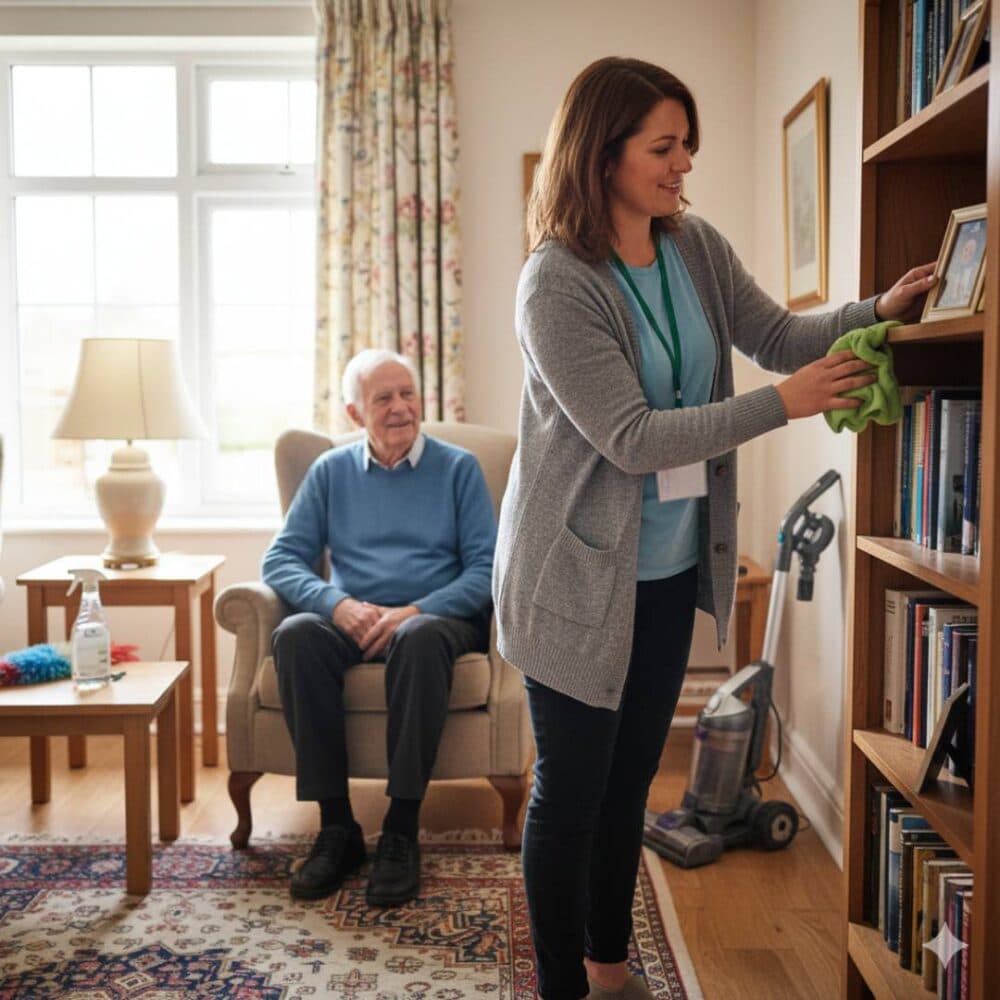
Questions To Ask About The Home Environment
An occupational therapist will often carry out a home visit before or shortly after discharge, but it’s worth asking specifically whether this has been arranged and when it will happen. Some equipment and adaptations can be provided through the NHS or local council, and it helps to know what’s coming so you can plan around it.
Before discharge, ask:
- Are any mobility aids being provided, such as a walking frame, grab rails or a raised toilet seat?
- Is there anything that needs to be in place at home before my loved one arrives?
- Has a referral been made for any home adaptations, and what is the likely timescale?
There are also things you can do yourself ahead of discharge day. Clear the main pathways through the house of clutter, loose rugs and trailing cables. Move frequently used items in the kitchen (the kettle, mugs, tea bags) onto one easy-to-reach shelf so your loved one doesn’t have to stretch or bend unnecessarily. If stairs are likely to be difficult, think about whether sleeping on the ground floor is possible for the first few weeks. Check that all rooms are well lit, particularly at night, as changes to vision are not uncommon after a stroke and poor lighting increases the risk of a fall.
Questions To Ask About Emotional Wellbeing
Emotional changes are very common after a stroke and can include low mood, anxiety, frustration and something called emotionalism, where a person cries or laughs unexpectedly and in a way that feels out of character. These changes are related to what has happened in the brain, not to how your loved one feels about you or about their situation.
Before discharge, ask:
- Has my loved one been assessed for post-stroke depression or anxiety?
- If we notice emotional changes at home, who should we contact first?
- Is there psychological support available as part of the stroke recovery programme?
It’s also worth asking what support is available for you as a family member. Some hospitals have a stroke family liaison nurse or social worker who can point you to local resources. If you’re not sure whether this applies, ask the ward staff directly.
If you’d like to find out more about emotional changes after stroke, the Stroke Association has clear, honest guidance on their website, and NHS.uk covers what to expect during stroke recovery in plain terms.

An Honest Note About Recovery
Recovery from a stroke is real, and it can continue for a long time after discharge, often much longer than people expect. According to the Stroke Association, around two thirds of stroke survivors leave hospital with a disability, but disability after a stroke is not always permanent. Progress can happen for months and years, and it tends to arrive in small, meaningful steps rather than all at once.
What supports recovery is consistency: therapy carried out regularly, medication taken as prescribed, a safe and settled home environment, and the company of people who know and encourage your loved one. Progress looks different for everyone. Comparing one person’s recovery to another’s is rarely helpful; what matters is that your loved one is supported to do as much as they safely can for themselves, because that’s where confidence gradually comes back.

How Home Care Can Support Someone After a Stroke
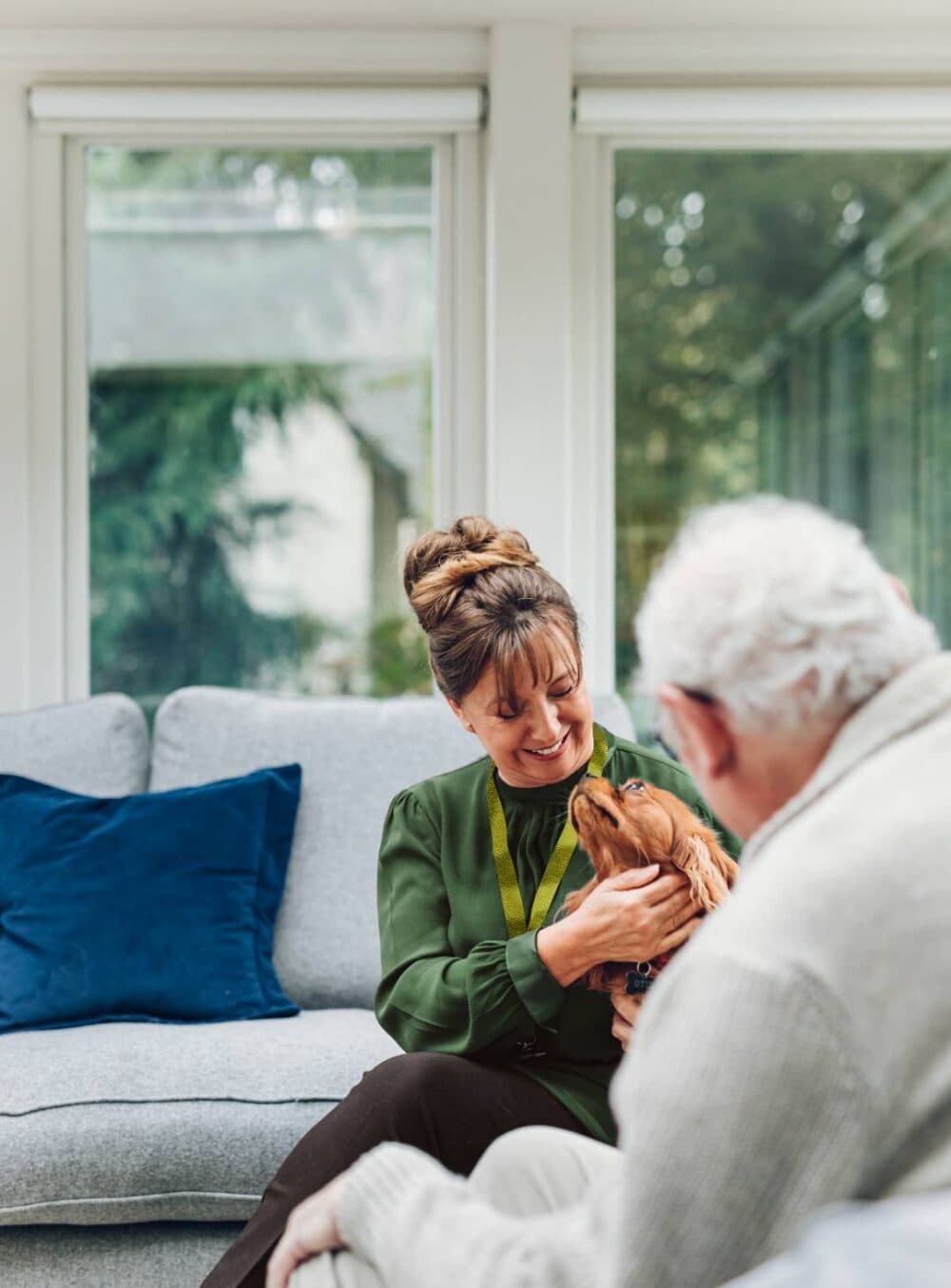
Once your loved one is home, they may need help with daily tasks while they rebuild strength and confidence. Our Care Professionals at Home Instead Cuffley are trained to provide after stroke care at home, working alongside the NHS stroke team and therapists to support the goals that have already been set.
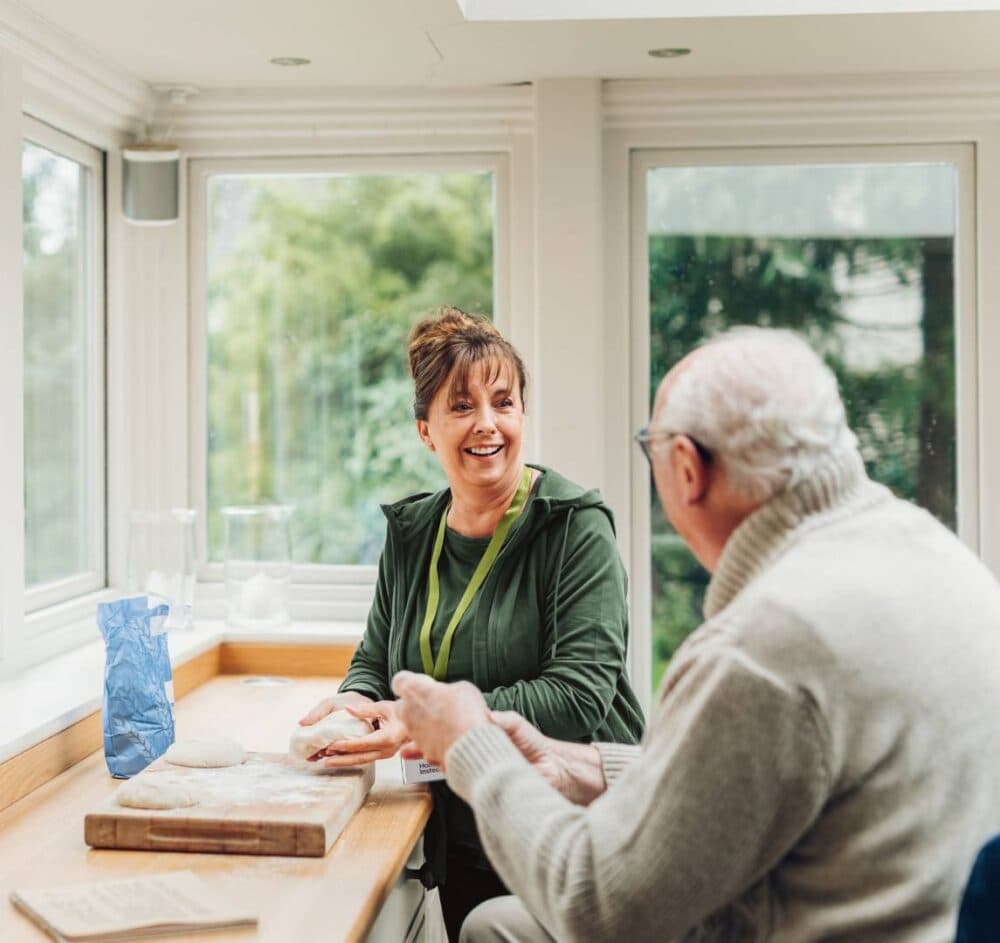
That support might look like helping with personal care in a way that encourages your loved one to do as much as they can independently, preparing meals that follow any texture or dietary guidance from a speech and language therapist, providing medication reminders, or simply being a consistent, familiar presence during the day. We can also keep a watchful eye and let the family know if we notice any changes worth mentioning to the GP or stroke team.
Home care works alongside the NHS, not instead of it. Our role is to support what the professionals have recommended and to help your loved one feel settled and safe at home.
Frequently Asked Questions
How soon after a stroke can someone go home from hospital?
There is no single answer, as it depends on the severity of the stroke and how quickly the person’s condition stabilises. Some people are home within a few days; others may spend several weeks in hospital or move to a rehabilitation unit first. The stroke team will assess when it is safe and appropriate, and discharge should not happen until a care and follow-up plan is in place.
What if my loved one needs more support at home than we expected?
This is more common than many families anticipate, and it doesn’t mean anything has gone wrong. If you feel the current support isn’t enough, contact the GP or the stroke team as soon as possible. A reassessment can be requested, and additional care, including professional home care, can be arranged at any point.
What is a discharge summary and why does it matter?
A discharge summary is a document the hospital provides when your loved one is discharged, covering the stroke, treatment received, medications prescribed and any referrals made. Keep it somewhere safe and bring a copy to GP and outpatient appointments. It gives any clinician a clear picture of what happened and what was put in place, and avoids important information being repeated from memory under pressure.
Get in Touch With Our Team
If your family is preparing for a loved one to come home after a stroke, or you’d like to talk through what support might help, we’d be glad to have a friendly, no-pressure conversation with you.
Home Instead Cuffley
Suite LG3, Cuffley Place, Sopers Rd, Cuffley, Potters Bar EN6 4RY
Call us on 01707 243 880 or visit our website at homeinstead.co.uk/cuffley-cheshunt-harlow to find out more about our after stroke care at home and how we can support you and your family.

How can we help?
We've helped thousands of families to stay safe, comfortable and happy at home. Whatever situation you're facing, or whatever the question is, Home Instead is here to help.
Are you in need of a little guidance right away?
Other non-care-related enquiries