Know the FAST Signs of a Stroke
What to Do in the First Minutes
Knowing the FAST signs of a stroke is one of the most useful things a family carer can hold on to. Not because strokes are constantly on your mind, but because if the moment comes, you want to be ready. World Stroke Day on 29 October 2026 is a good reason to make sure you are.
Stroke is a medical emergency, and the time between noticing symptoms and getting help has a direct bearing on what happens next. In this post, we explain what the FAST signs actually mean, what to look for beyond them, and what to do while you wait for the ambulance. We also cover what the days after a stroke often feel like for families, and how home care can play a role in supporting recovery.

What FAST Means, and How to Use It
FAST is the acronym the NHS recommends for spotting the most common signs of a stroke. Each letter points to something you can check in seconds:
Face: Has their face fallen on one side? Is one eye drooping, or the corner of their mouth pulling down?
Arms: Ask them to raise both arms. Can they hold them up? Weakness or numbness on one side is a warning sign.
Speech: Is their speech slurred, muddled or difficult to understand? Are they struggling to find the right words?
Time: If you notice any one of these signs, call 999 straight away. Don’t wait to see if it passes.
That last point is the one families most often hesitate on. It’s natural to hope slurred speech means tiredness, or that a drooping face will correct itself in a few minutes. But the treatments that work best after a stroke, including clot-busting medication, are only available within a short time window. Every minute of delay narrows what the medical team can offer. If you’re unsure whether what you’re seeing is serious, call 999 anyway. You will not be wasting anyone’s time.
What FAST Doesn’t Always Catch
FAST covers the most common signs, but not every stroke looks the same. These are other symptoms that should prompt an immediate 999 call:
- A sudden, severe headache that is unlike anything your loved one has had before
- Sudden blurred or lost vision in one or both eyes
- Dizziness, loss of balance or a sudden difficulty coordinating movement
- Numbness or weakness on one side of the body, even without obvious facial drooping
If something looks or feels suddenly wrong, and you can’t explain it, act on that instinct. A stroke doesn’t always announce itself clearly, particularly in older people. “A funny turn” that passes quickly could be a transient ischaemic attack (TIA), sometimes called a mini-stroke, and that needs urgent assessment too. (More on TIAs in the FAQ below.)
What to Do While You Wait for the Ambulance
Once you’ve called 999, the operator will guide you through what to do. These practical steps will help you feel more in control while help is on its way.
Stay beside them. Don’t leave your loved one alone to go and unlock the door or search for paperwork. If someone else is in the house, ask them to do those things.
Note the exact time. Write it down, take a photo of the clock, or say it out loud to someone else. The medical team needs to know when symptoms first appeared, because it affects which treatments are possible.
Help them into a safe position. Encourage them to sit or lie down. If they’re unconscious but breathing, gently move them onto their side.
Do not offer food or drink. A stroke can affect swallowing, even in someone who seems awake and alert. Anything by mouth could be dangerous.
Collect their medication. Gather up the tablets they take regularly, or find their repeat prescription slip. It saves real time when they arrive at hospital.
Open the front door if you can do it without leaving their side. Paramedics may need to get in quickly, and a few seconds matters.
None of these steps will feel dramatic in the moment. But they are exactly what helps the people arriving to care for your loved one.

What Families Often Find in the Days That Follow
If your loved one has a stroke, the period afterwards can feel disorienting. Information arrives quickly, decisions need to be made, and the emotional weight of it all lands at the same time.
According to the Stroke Association, around two thirds of stroke survivors leave hospital with a disability of some kind. That sounds daunting, but stroke recovery is not a fixed or predictable process. The brain has a genuine capacity to adapt, and improvements can continue for months. What that looks like is different for every person, and progress isn’t always linear.
The NHS stroke team will manage your loved one’s care in hospital, and the planning for what comes next usually begins while they’re still there. The most useful things families can do during this time are to ask questions, take notes during appointments, and be honest with the team about the practical realities of home life. What the house looks like, who is around, what your loved one’s usual routine is: all of that matters to the people planning discharge.
You can find guidance on stroke recovery from the NHS and from the Stroke Association, which also offers a helpline for survivors and families.
How Home Care Can Help After a Stroke
Coming home after a stroke is often what people have been looking forward to most. But returning home is also one of the more demanding moments in recovery. Routines that felt automatic may need to be rebuilt, and the home may need to work harder than it did before.
Home Instead Bedford’s After Stroke Care at Home service is built around working alongside the NHS stroke team, not across it. Our Care Professionals support the goals and routines the therapy team has set, helping clients put them into practice from day to day.
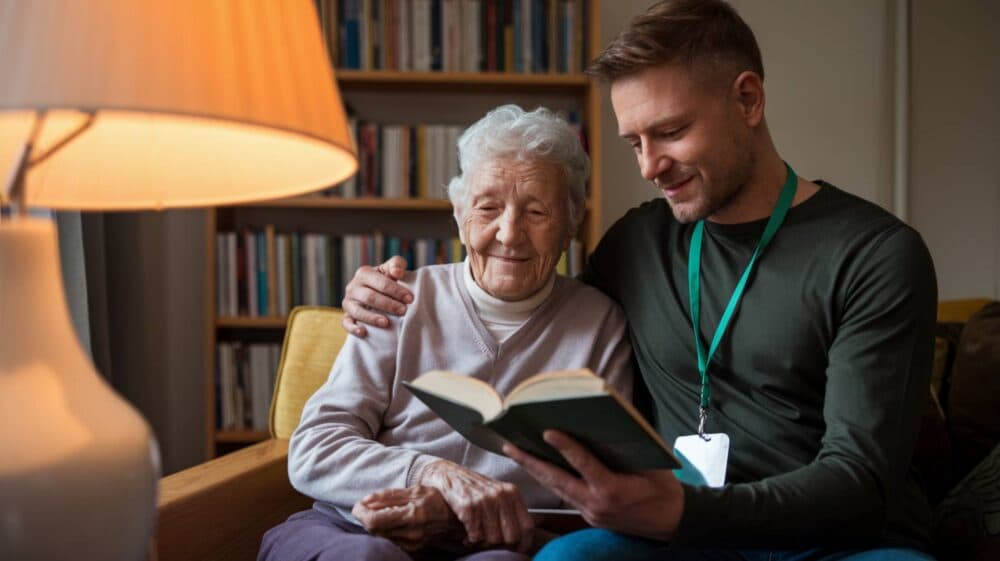
In practice, that can look like being there while someone practises dressing independently, preparing meals that follow the guidance of a speech and language therapist, or giving regular, calm company on days when motivation is low. It can mean helping someone get to appointments, supporting medication routines, or simply being a consistent and familiar presence while things feel uncertain.
Our role isn’t to take over. It’s to make the recovery plan the professionals have set actually possible at home.
Frequently Asked Questions
What should I do if the FAST symptoms seem to pass on their own?
Call 999 or go to A&E immediately, even if the symptoms have resolved. Symptoms that appear and then disappear can be a transient ischaemic attack (TIA). A TIA is a serious warning that a larger stroke may follow soon, and it needs urgent medical assessment. Do not wait to speak to a GP or call 111 first.
Is it better to drive someone to hospital rather than wait for an ambulance?
The NHS recommends calling 999 rather than driving. Paramedics can begin assessment in the ambulance and alert the stroke team ahead of arrival. In many hospitals, the stroke team will be ready and waiting before the person comes through the door. That preparation saves time that matters.
How soon after a stroke can someone return home?
This depends entirely on the individual, the type and severity of the stroke, and how recovery is progressing. The hospital team will advise on the right timing, and a good discharge plan should set out clearly what support is in place at home. Ask questions before discharge day, not on it.
Get in Touch With Our Team
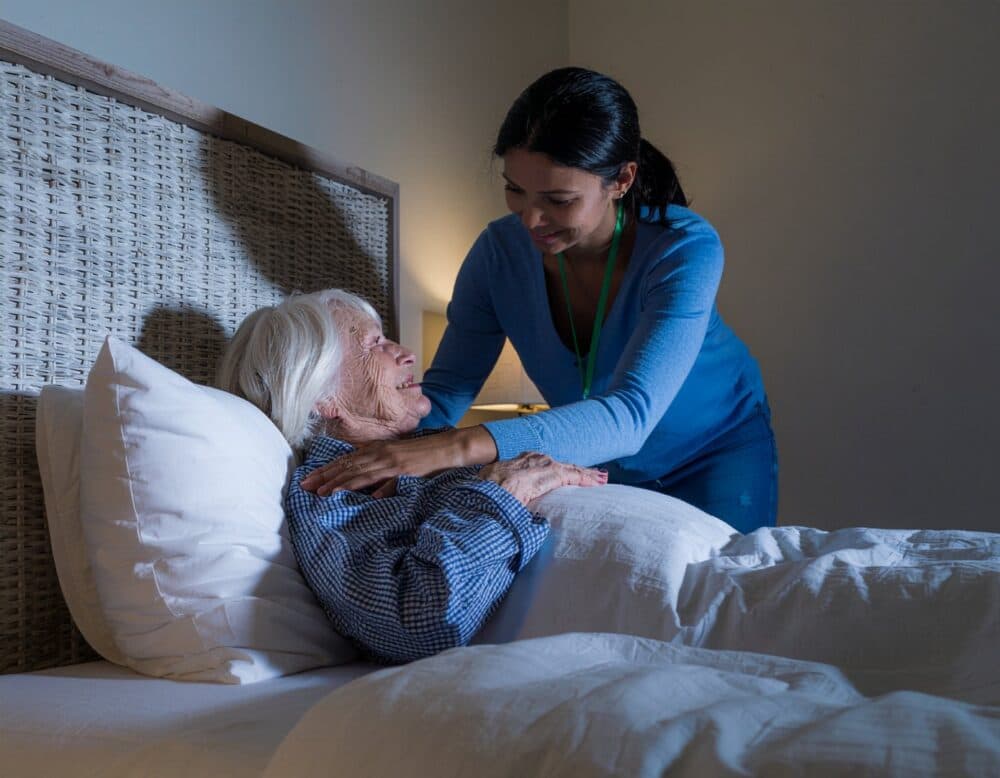
If your loved one has had a stroke and you’re thinking about what support might help at home, the team at Home Instead Bedford would be glad to have a conversation with you. There’s no pressure and no commitment. We’re here to listen and to help you work out what’s right for your family.
Home Instead Bedford
106A Bedford Rd, Wootton, Bedford MK43 9JB
Phone: 01234 868 820
Get in touch: homeinstead.co.uk/bedford

How can we help?
We've helped thousands of families to stay safe, comfortable and happy at home. Whatever situation you're facing, or whatever the question is, Home Instead is here to help.
Are you in need of a little guidance right away?
Other non-care-related enquiries