Can You Still Live a Normal Life with Dementia?
A diagnosis of dementia typically brings fear, uncertainty and denial. People will ask whether a "normal life" is still possible – we say YES!

While dementia is a progressive condition affecting memory and thought processes, and hence presenting various challenges, people can and do continue living fulfilling and relatively independent lives for a significant period.
Home Instead Basingstoke is a care agency in Basingstoke which supports people living with dementia across north Hampshire to maintain their way of life and remain independent in the comfort of their own homes.
So What Would "Normal" Mean?
Newly Diagnosed – A Little Help From Your Friends
For someone newly diagnosed, normal could mean continuing to work, socialise, drive, travel and manage personal responsibilities, albeit with a little assistance or understanding. As the condition advances, “normal” can be more about finding comfort, purpose and stability in a supportive environment.
The Early Stages – Preserving Independence.
In the early stages, the primary challenge can be adapting to changes in memory or problem-solving. Tools like calendars, reminder apps, pill organizers and firm routines can help maintain independence. Some people compare it to wearing glasses – making accommodations that help them continue to function as normal.

Support Systems
People who feel supported, respected, included and empowered tend to cope better and stay active for longer.
Family members, friends, carers and community resources all contribute to providing strong support systems and maintaining stability. But beware, support does not mean taking over – it means assisting only where necessary and leaving space for autonomy.
Dementia specialists can help individuals develop strategies to navigate symptoms, and dementia-friendly communities and social groups can provide connection and reduce the stigma often associated with the condition.
Adapting Lifestyles
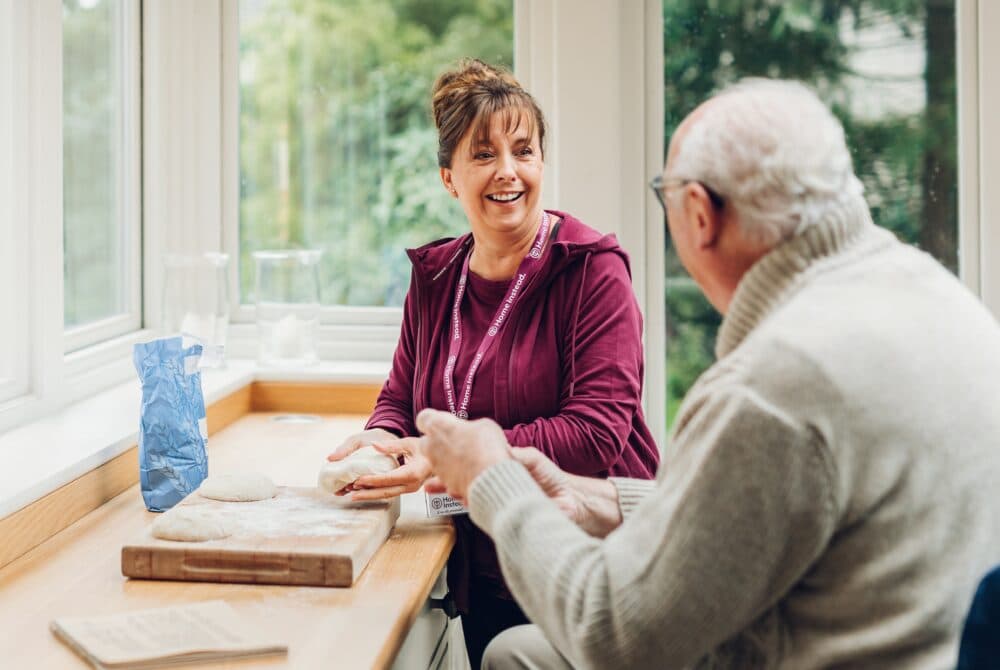
Lifestyle is important. Regular physical activity, balanced nutrition, mental stimulation and social interaction can help slow cognitive decline and improve wellbeing. Walking, gardening, music, puzzles or attending community events will all contribute.
At home, measures like labelling drawers, improving lighting and simplifying spaces will help maintain independence and enhance quality of life.
Technology can also support safety and enhance confidence through tools such as GPS tracking devices, voice assistants, automatic appliance shut-off devices and medication reminders.
The Emotional Dimension.
Living with dementia is not only about practical adjustments, but also about emotional and psychological ones. Many people report that although they may feel frustration, grief or fear, they can find new sources of emotional support by focusing more on relationships, personal values or long-neglected goals.
Remaining socially engaged is crucial – isolation can accelerate cognitive decline, while friendships and community involvement help maintain identity and reduce anxiety.

The Later Stages – a New Normal
As dementia progresses, daily life can come to require assistance with personal care, mobility or communication. A good quality of life can, however, still be maintained – a day filled with comforting activities and calming routines in a dignified and relaxed environment can bring joy, affection and peace.

So, Is a Normal Life Still Possible?
Yes, and it can be “an incredibly fulfilling one” says our family carer in the clip above. Dementia changes abilities, but it does not erase personality, identity or the capacity for joy. Rather than focusing on what is lost, families and carers can help adjust life around what remains possible.
The full video, showing a discussion between a family carer, a Home Instead care manager and a clinical psychologist can be seen here: 9 Things No One Tells You About Dementia Care
How Can We Help?
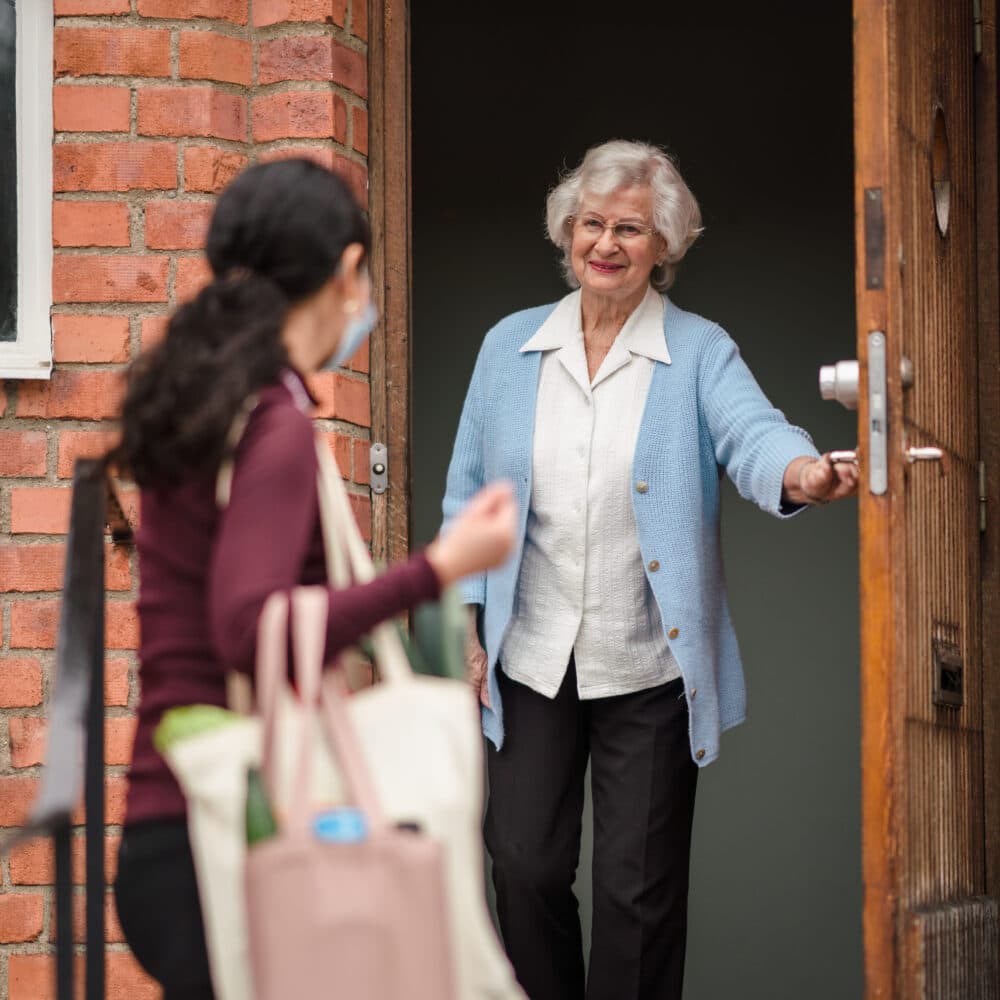
Home Instead’s approach is to provide personalised support which focuses on nurturing relationships and maintaining the individual’s way of life and independence.
Experience home care that’s personalised, compassionate and dedicated to enhancing your life.
To find out more about our home care services please give us a ring on 01256 840 660,
email us at basingstoke@homeinstead.co.uk,
visit: Home Care in Basingstoke
or click on the enquiry button above.