The Hidden Signs of Loneliness in Older Adults: What Families Should Look Out For
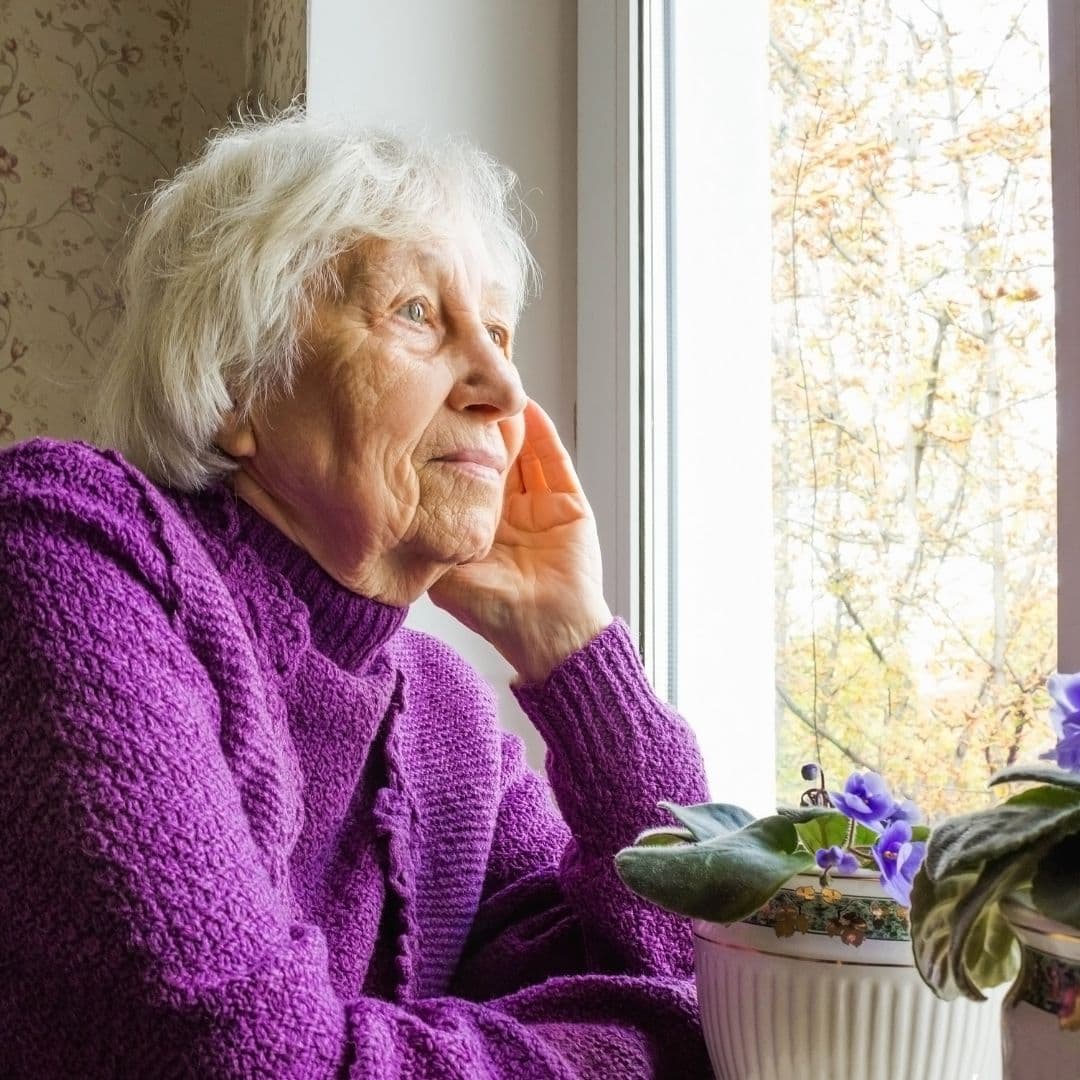
Loneliness can affect anyone, but for many older adults it can become an everyday reality. Changes such as retirement, the loss of a spouse or friends, reduced mobility, or living far from family can all contribute to feelings of isolation. While some people openly express that they feel lonely, many keep these emotions to themselves.
Recognising the signs of loneliness early can make a significant difference to an older person’s health, happiness and overall quality of life. At Home Instead Charnwood, we believe that companionship is just as important as practical support, helping older adults remain connected, confident and independent in their own homes.
Why Loneliness Matters
Loneliness is more than simply being alone. Many people enjoy their own company, but loneliness is the distress caused by feeling disconnected from others. Over time, prolonged loneliness can have a serious impact on both physical and mental wellbeing.
Research has shown that chronic loneliness can increase the risk of:
- Depression and anxiety.
- Memory problems and faster cognitive decline.
- High blood pressure and heart disease.
- Reduced immune function.
- Poor sleep.
- Loss of confidence and independence.
- Increased risk of falls due to reduced activity levels.
For older adults, maintaining meaningful social connections is an important part of staying healthy and living well.
Hidden Signs That an Older Relative May Be Feeling Lonely
Loneliness isn’t always obvious. Your loved one may tell you they are “fine” even if they are struggling. Some common signs to look out for include:
They Stop Doing the Things They Once Enjoyed
Perhaps they no longer attend local groups, hobbies, church services or social clubs they previously loved. Losing interest in activities can sometimes indicate they are feeling isolated or lacking motivation.
They Seem Less Interested in Keeping Their Home Tidy
A noticeable change in housekeeping, laundry or general home maintenance may suggest someone is finding everyday life more difficult emotionally or physically.
They Don’t Eat Properly
Eating alone can reduce the enjoyment of meals. You may notice expired food in the fridge, a lack of fresh groceries, missed meals or reliance on ready meals and snacks.
They Withdraw from Friends and Family
You may find they rarely answer the phone, decline invitations or seem reluctant to have visitors. They might not want to admit they are feeling lonely or may worry about being a burden.
Changes in Mood
Feeling quieter than usual, appearing low in mood, becoming irritable or seeming anxious can all be signs that loneliness is affecting emotional wellbeing.
Declining Personal Care
A change in appearance, wearing the same clothes repeatedly or neglecting personal hygiene may indicate that someone has lost motivation or confidence.
Increased Forgetfulness
Although memory changes can occur naturally with age, loneliness and social isolation can sometimes contribute to increased confusion or forgetfulness.
How Families Can Help
If you’re concerned that someone you love may be feeling lonely, small changes can make a big difference.
You could:
- Visit regularly, even if only for a short time.
- Schedule regular phone or video calls.
- Encourage participation in local community groups.
- Help them reconnect with old friends or neighbours.
- Enjoy activities together, such as gardening, baking or going for a walk.
- Encourage gentle exercise to improve both physical and mental wellbeing.
- Celebrate birthdays, anniversaries and special occasions together.
Sometimes, however, family members cannot visit as often as they would like because of work, childcare or distance. That doesn’t mean your loved one has to face each day alone.
How Companionship Care Can Help
Companionship care is about much more than practical assistance. It provides meaningful social interaction, conversation and encouragement to enjoy everyday life.
At Home Instead Charnwood, our Care Professionals take the time to build genuine relationships with the people they support. Whether it’s sharing a cup of tea, going for a walk, accompanying someone to a local café, helping with shopping or simply enjoying a chat, these regular visits can have a positive impact on confidence and wellbeing.
Companionship care can also help older adults:
- Maintain daily routines.
- Stay mentally active.
- Continue enjoying favourite hobbies.
- Feel safer and more supported at home.
- Remain independent for longer.
Often, it is the familiar face and consistent visits that make the greatest difference.
When Is It Time to Seek Support?
If you’ve noticed your loved one becoming increasingly withdrawn, less confident or struggling to manage daily life, it may be worth exploring companionship care.
Seeking support early doesn’t mean giving up independence. In many cases, a little extra companionship can help someone continue living happily and safely in the home they love for many years to come.
We’re Here to Help
At Home Instead Charnwood, we understand that every individual is different. Our personalised companionship visits are tailored to each person’s interests, routines and preferences, helping them stay connected to their community while continuing to live independently at home.
If you’re worried that someone you care about may be experiencing loneliness, we’d be happy to have a friendly, no-obligation conversation about how we can help.
Contact Home Instead Charnwood today to learn more about our companionship care services and how we can support your loved one to live well at home.