What to Do After a Dementia Diagnosis in Wolverhampton, Wombourne and Kingswinford
Recently received a dementia diagnosis? Find practical next steps, local support and reassurance for families in Wolverhampton, Wombourne and Kingswinford.
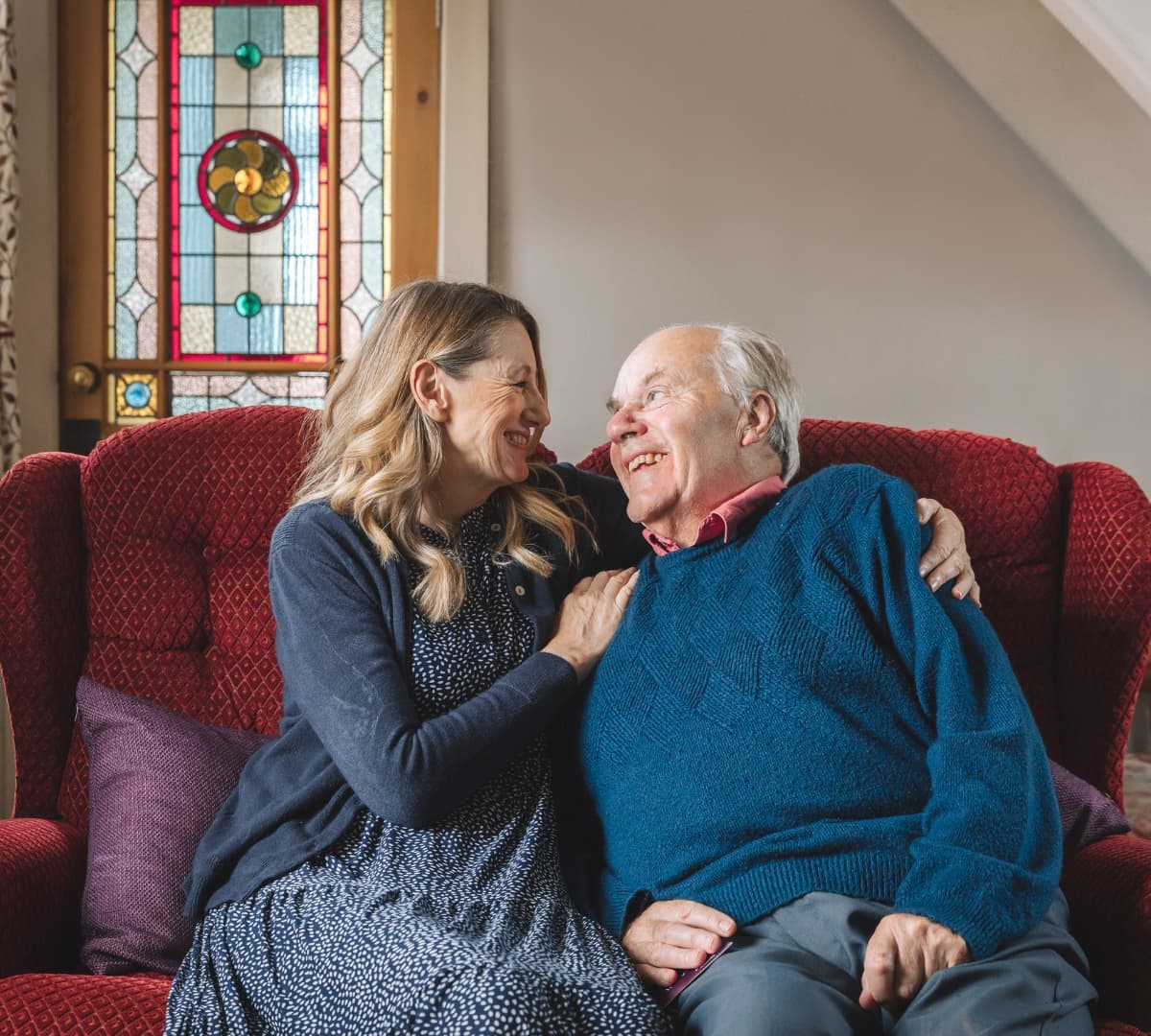
A dementia diagnosis can bring relief at finally having some answers, but it can also leave people wondering what happens next.
For the person diagnosed, there may be uncertainty about what life will look like in the months and years ahead. For husbands, wives, children and other family members, the immediate instinct can be to start trying to solve everything at once. But you do not need to have every answer straight away.
For Paramjit Toor and the team at Home Instead Wolverhampton, Wombourne and Kingswinford, one of the most important first steps is reassurance.
“People often feel very alone and think they are the only family going through this,” Paramjit explains. “The first thing is helping them understand that many other families are facing the same questions, and that support is available.”
Give yourself time to take the diagnosis in
There is no single correct reaction to a dementia diagnosis. Some people want information immediately, while others need time before thinking about practical next steps.
The NHS advises giving yourself time to adjust, talking to family and friends when you feel ready and beginning to think about future support while the person living with dementia can remain involved in decisions.
Rather than trying to plan for every possible future scenario, it can help to start with one question:
What would make everyday life feel manageable and familiar right now?
That might mean keeping regular routines, getting help with appointments or shopping, having more company during the week, or simply knowing who to contact when questions arise.
Find out what support is available locally
A diagnosis does not mean a family has to manage everything alone.
In Wolverhampton, the council signposts people affected by dementia to the Alzheimer’s Society Dementia Connect service, which can provide emotional support, information about living with dementia and connections to local groups and services. There are also opportunities to meet other people who understand what living with dementia can be like.
Home Instead Wolverhampton, Wombourne and Kingswinford runs a Friendship & Dementia Café at The Institute in Tettenhall Wood, creating an informal place for people living with dementia, carers and family members to spend time together and make connections. Sessions take place on the last Friday of every month from 10:00 AM to 12:00 PM.
Wolverhampton also has other dementia-friendly activities, including the Memory Café at Wolverhampton Grand Theatre, as well as dementia cafés and community support listed by City of Wolverhampton Council.
Sometimes simply meeting another family in a similar position can make the situation feel less overwhelming.
Think about the person, not just the diagnosis
A dementia diagnosis does not suddenly change who someone is.
The routines they enjoy, the places they know, their interests, relationships and preferences still matter. Support should, wherever possible, help someone continue doing the things they can do rather than immediately taking those things away. This is also why conversations about care can be difficult.
Paramjit says families sometimes feel a strong sense of responsibility, particularly when one partner has always looked after the other.
“There can be that feeling of, ‘I should be able to do this myself,” he says. “But accepting some support doesn’t mean stepping away from caring for someone.”
In fact, the right support can sometimes help a husband, wife or family member remain a partner or relative first, rather than gradually becoming responsible for every practical aspect of daily life.

If you live further away, think about what you would do if you were nearby
Adult children do not always live around the corner from their parents. Work, children and geography can make it impossible to be there as often as they would like. The team often explains home care to families in a simple way:
If you lived locally, what would you naturally be doing for your mum or dad?
It might be checking they have eaten, going to an appointment with them, sharing a meal, helping around the house or taking them somewhere they enjoy.
Home care can provide some of that practical and social support when family members cannot always be there themselves – acting as an extension of the family.
You do not have to wait for a crisis
Families sometimes begin looking for care only when something has already become difficult.
Starting the conversation earlier gives everyone more time to understand the options and allows the person living with dementia to be part of decisions about how they would like to be supported.
If someone you love has recently received a dementia diagnosis in Wolverhampton, Wombourne or Kingswinford and you are unsure what comes next, the Home Instead team is happy to talk through your situation and explain what support at home could look like. Enquire today.
FAQs
What should we do first after a dementia diagnosis?
Take time to process the diagnosis, speak with the healthcare professionals involved and find out what local support is available. You do not need to make every future decision immediately.
Can someone with dementia continue living at home?
Many people continue living at home after a diagnosis. The amount and type of support needed will vary and may change over time.
Where can families find dementia support in Wolverhampton?
Local options include Dementia Connect, community dementia cafés, Wolverhampton Grand Theatre’s Memory Café and Home Instead’s Friendship & Dementia Café.