Who’s Who in Stroke Recovery
A Guide for Families
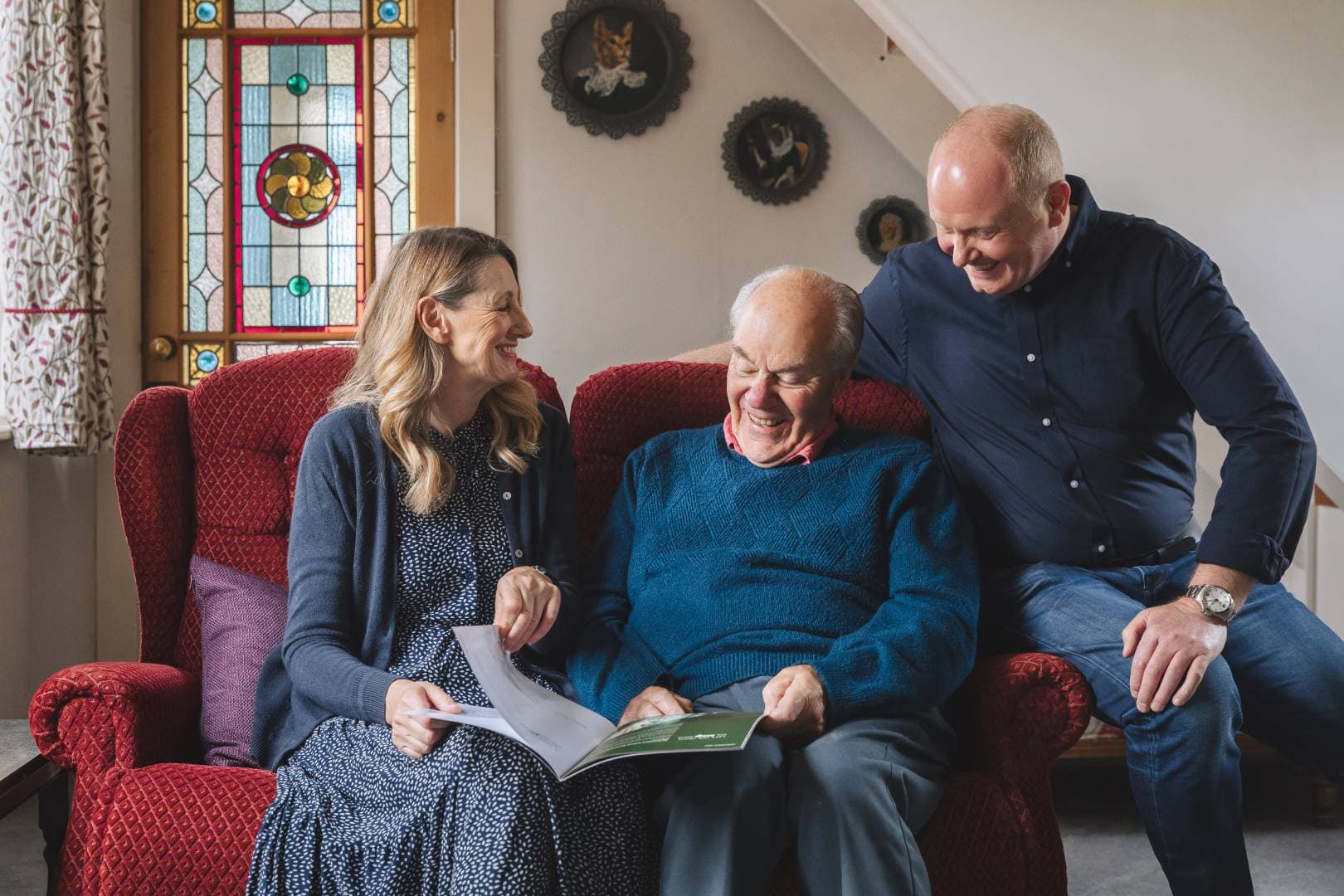
After a stroke, it can feel as though a whole cast of professionals appears around your loved one, each with a different focus and a different piece of the picture. Doctors, therapists, nurses and social workers all come and go, and it is not always clear who you should speak to about what. On World Stroke Day, 29 October 2026, we wanted to offer families something genuinely practical: a clear guide to the stroke recovery team and the role each person plays.
In this post, you will find out who you are likely to meet during the hospital stay and once your loved one is back at home, what questions are worth asking at each stage, and how care at home fits alongside the wider NHS support around them. Knowing who does what is one of the most useful things you can do when you are supporting someone through this.
Why Knowing The Stroke Recovery Team Makes a Real Difference
Knowing who does what helps you ask the right person the right question at the right time.
When you have a clear picture of who is responsible for what, you can act quickly if something feels wrong rather than waiting and wondering who to contact. It also means you can speak up for your loved one with more confidence. Saying “I would like to speak to the occupational therapist about getting dressed safely” is more likely to move things forward than a general concern mentioned to whoever is nearby.
There is something else worth saying. When families understand who is involved and why, they tend to feel less alone. A lot of people are around after a stroke, and that can be genuinely reassuring once you know what each of them is there for.
The Hospital Team: Who You Will Meet in The First Days
Most people admitted after a stroke are cared for on a stroke unit, where the team is trained specifically in this area. The stroke consultant (who may also be called a neurologist or geriatrician, depending on the hospital) leads the medical management of your loved one’s care. Stroke nurses are the day-to-day point of contact on the ward. If you have an immediate concern, the ward nurse is the right person to start with.
A few things worth doing early in the admission:
- Ask the ward nurse for the name of the lead consultant and how to contact the stroke team with questions between ward rounds.
- Find out who to call if your loved one’s condition changes outside visiting hours.
- Ask whether a written care plan or summary of therapy goals will be shared with you, and when.
Do not be surprised if therapists begin working with your loved one within the first 24 to 48 hours. Early rehabilitation is standard practice after a stroke, and starting promptly is part of what the stroke unit is there to do.
The Therapists Who Lead Rehabilitation
Three therapists tend to be central to stroke recovery, and it is worth knowing exactly what each one focuses on.
The physiotherapist (often called a physio) works on movement, strength and balance. They support your loved one with sitting safely, standing, walking, and regaining as much physical function as possible. If a walking frame or another aid is recommended, the physiotherapist is the person who makes that decision.
The occupational therapist (OT) focuses on the practicalities of everyday life: washing and dressing, preparing a simple meal, getting in and out of the bath. Before discharge, they will usually carry out a home assessment to check whether any equipment or adaptations are needed. Their recommendations are worth acting on. A grab rail by the front door or a raised toilet seat costs very little but can prevent a fall in those first weeks.
The speech and language therapist (SLT, sometimes called SALT) assesses two things: communication and swallowing. Some people experience aphasia after a stroke, a condition that affects the ability to find words, speak or understand language. Others have difficulty swallowing safely. The SLT sets specific guidelines for both, and if your loved one has swallowing advice in place, it must be followed exactly. Never offer food or a drink in a texture or consistency that has not been approved.
When you meet each therapist, ask three things: what are they currently working on with your loved one, what can you do at home to support that, and what should progress look like over the coming weeks?
Who Looks After Your Loved One Once They Are Home
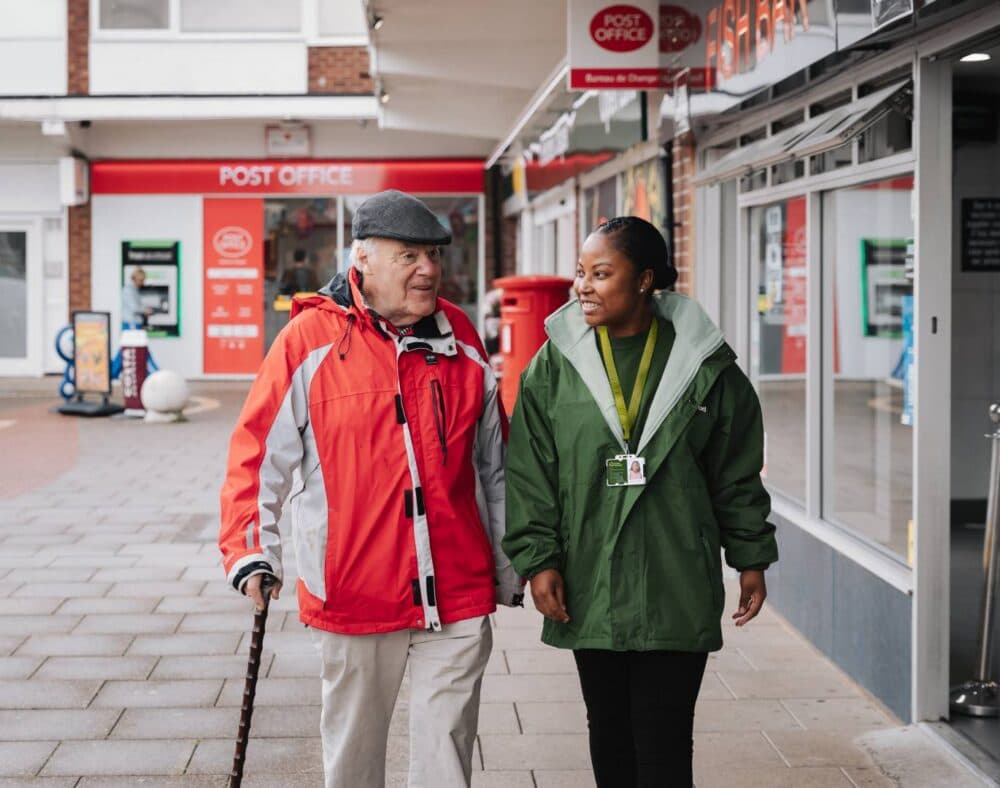
Discharge from hospital does not mean the end of professional involvement. A number of people may continue to support your loved one at home.
The GP becomes the main medical contact once your loved one is home. They manage medications, make referrals to community services, and are the right first call if you notice any changes in mood, memory or physical health. For non-urgent questions between appointments, NHS 111 is available 24 hours a day. Call 999 for anything urgent.
Community physiotherapists and occupational therapists may continue therapy after discharge, but this is not always put in place automatically. If you feel your loved one would benefit from more input, ask the GP to make a referral or follow up with the hospital discharge team before your loved one leaves.
A social worker may be involved where longer-term care arrangements are needed, or where equipment or adaptations can be funded through the local council.
District nurses support with clinical tasks such as wound care or medication management, and can visit the home when needed.
Some practical steps to help you stay on top of who is involved:
- Write down the name, role and contact details of every professional you meet, and keep this somewhere easy to find at home.
- Ask for a discharge summary before your loved one leaves hospital. This document lists diagnoses, current medications and the referrals already in place.
- Ask whether a key worker or care coordinator has been assigned. Not every area offers this, but where it exists, this person can help join things up across services.
- If your loved one has aphasia, let each new professional know at the start of every appointment so they can adjust how they communicate.
- Do not assume that services have been arranged. Confirm them directly with each member of the team before discharge day.
How home care supports stroke recovery
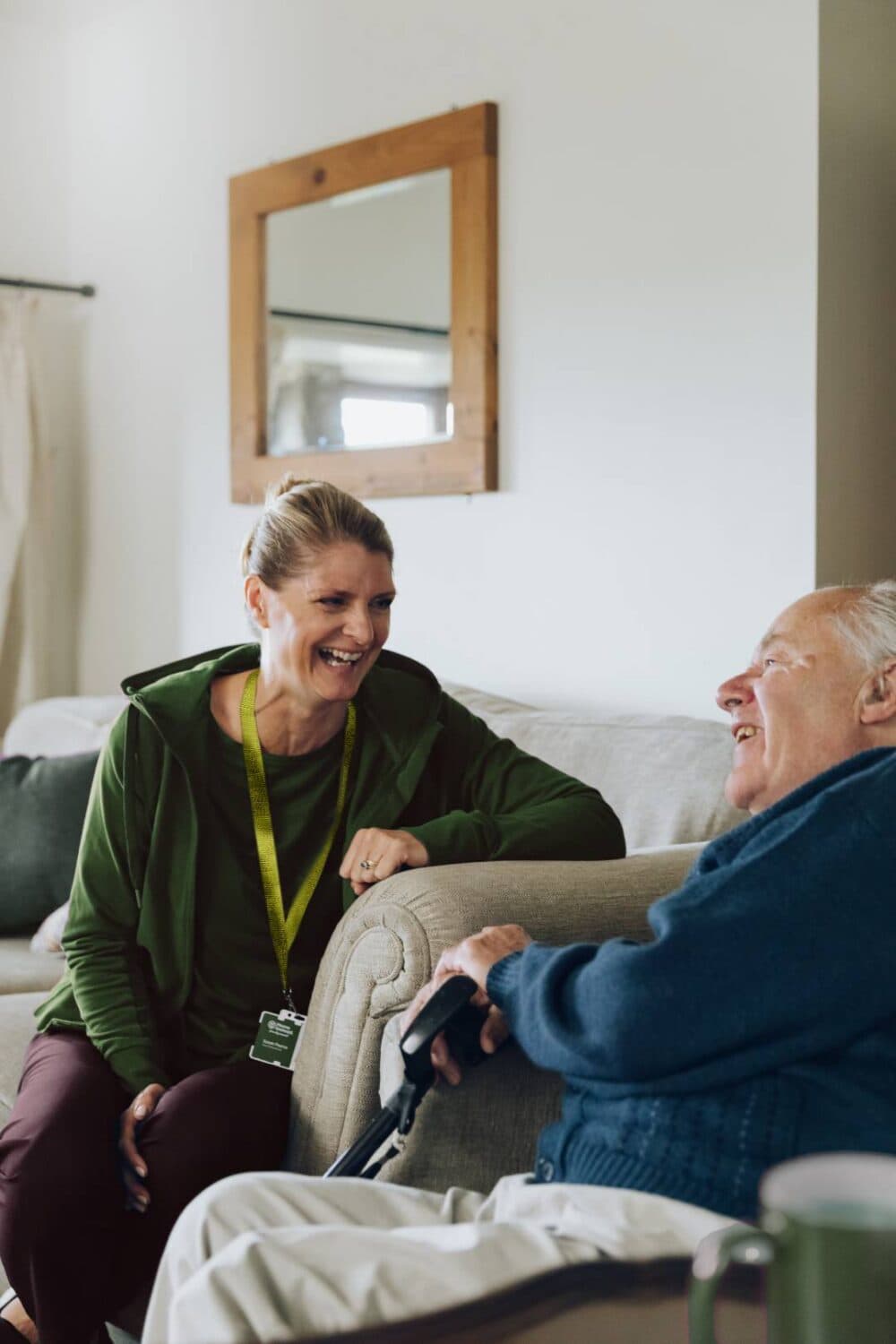
Home care works alongside the NHS and therapy teams. It does not replace them, but it plays a real and practical part in supporting recovery once your loved one is back in familiar surroundings.
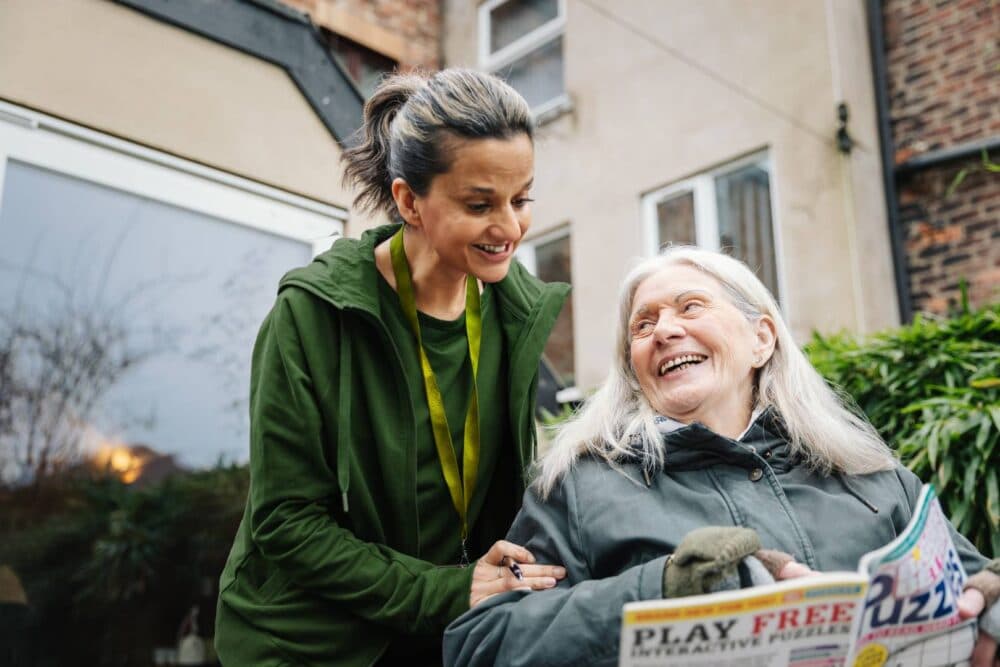
A Care Professional from Home Instead can help with the day-to-day things that take longer after a stroke: getting washed and dressed at a pace that feels manageable, preparing meals in line with any dietary or texture guidance from the SLT, taking medication on time, and staying gently active through the day. This kind of consistent, patient support helps to reinforce the goals that therapists have set and builds confidence between appointments.
Our After Stroke Care At Home service is shaped around each person’s individual needs and what the therapy team has recommended. Before any care begins, we take time to understand what your loved one can already do independently, where support will make the most difference, and what the stroke team’s goals are. Care Professionals are there to encourage independence rather than take over. It is in those small, everyday moments of doing things for yourself that confidence quietly returns.
If your loved one has communication difficulties following a stroke, our team has experience in supporting people with aphasia: giving extra time, keeping things calm and clear, and never rushing or finishing sentences.
Recovery after a stroke is rarely a straight line, and it looks different for everyone. What we do know is that the right support at home, from people who understand what is needed and why, makes a genuine difference to how each day feels.
Questions Families Often Ask
Who is in charge of my loved one’s care after they leave hospital?
Once your loved one is home, the GP takes on the role of main medical contact. Other professionals, including community therapists, district nurses and social workers, work alongside the GP but focus on specific areas of care. If you are ever unsure who to go to with a concern, the GP is a good starting point. For non-urgent questions, NHS 111 is available around the clock.
What if my loved one needs more therapy once they are home?
Community therapy after discharge is not always put in place automatically, so it is worth asking the hospital team before discharge what has already been arranged and what you may need to request. Your GP can make referrals to community therapy services. The Stroke Association has clear information on what to expect from community stroke services after discharge and is a good resource to bookmark.
How does home care work alongside the stroke team?
Home care supports the practical side of daily life: personal care, meals, medication routines and keeping to the structure that therapists recommend. Care Professionals follow the guidance set by the therapy team, whether that relates to safe moving and handling, approved food textures, or encouraging your loved one to do things independently where they can. The NHS has further information on stroke recovery and what families can expect at each stage.
Talk to our team about support at home after a stroke
If your family is thinking about what care at home might look like after a stroke, we would be glad to have a friendly, no-pressure conversation. There is no obligation, and we are here to help you think things through in your own time.
Home Instead Weston-super-Mare, Clevedon & Burnham on Sea
202 High Street, Worle, Weston-super-Mare, Somerset, BS22 6JE
Tel: 01934 526892
Or visit our contact page: homeinstead.co.uk/office/weston-clevedon-burnham
How can we help?
We've helped thousands of families to stay safe, comfortable and happy at home. Whatever situation you're facing, or whatever the question is, Home Instead is here to help.
Are you in need of a little guidance right away?
Other non-care-related enquiries