Coming Home from Hospital: Helping an Older Loved One Recover Safely at Home
Leaving hospital is often a welcome milestone, but for an older person it can also be a vulnerable time. The right support at home can make recovery safer and less stressful.
Why the First Days at Home Matter
Coming home from hospital can be a relief, but it can also be a significant adjustment.
An older person may return home feeling weaker than before, less steady on their feet or uncertain about managing their usual routine. Even relatively simple tasks such as getting washed and dressed, preparing breakfast or moving safely around the home can require more effort during the early stages of recovery.
Families can also find the transition challenging. A discharge may happen quickly, and relatives are often expected to make arrangements at short notice.
Having some support in place from the beginning can help everyone feel more confident and reduce the pressure on family members.

Think About What Has Changed
Before a hospital stay, your parent or loved one may have been managing independently. It is worth considering whether anything has changed before assuming that the same routine can simply resume.
You may notice that they are:
- more tired than usual;
- less confident walking around the home;
- finding stairs or getting in and out of a chair more difficult;
- struggling to prepare meals;
- needing help with washing or dressing;
- forgetting parts of their normal routine;
- feeling anxious about being alone;
- reluctant to move around because they are worried about falling.
Some of these changes may only be temporary. However, recognising them early makes it easier to put appropriate support in place while recovery continues.

Prepare the Home Before Discharge
If possible, take some time to look around the home before your loved one returns.
Consider whether the route between the bedroom, bathroom and living areas is clear and easy to navigate. Remove unnecessary obstacles and loose rugs, make sure lighting is good and check that frequently used items are within easy reach.
It can also be helpful to make sure there is food available, prescriptions have been collected and any equipment recommended by the hospital or therapy team is ready.
Small preparations can make a substantial difference when somebody is tired or unsteady.

Help With Everyday Routines
Recovery is not always about complex care. Often, it is the ordinary parts of the day that become difficult.
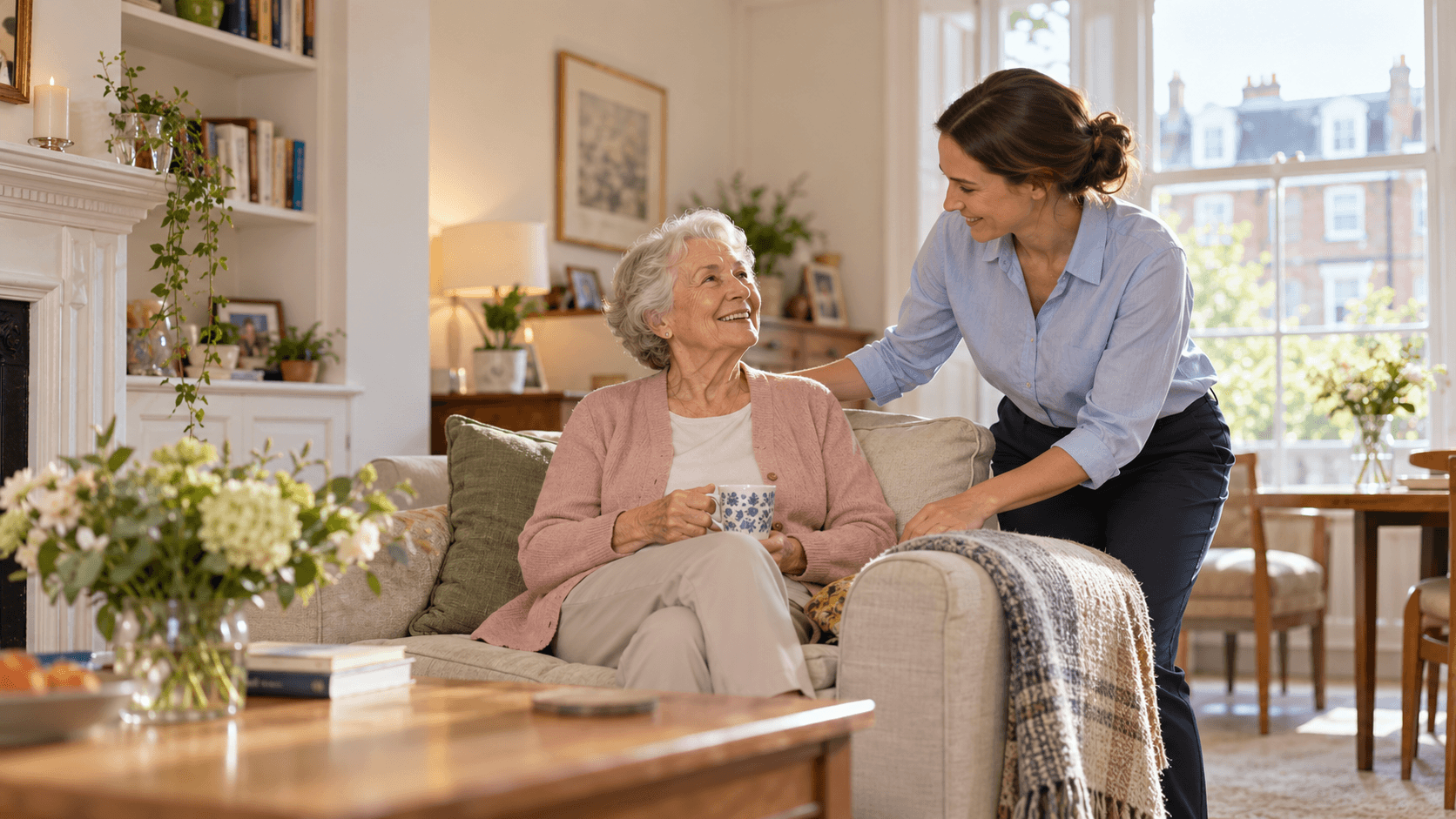
A Care Professional might help someone get ready in the morning, prepare a simple meal, support them around the home or accompany them on a short walk as their confidence improves.
Depending on the person’s needs, support can include:
- washing and dressing;
- preparing meals and drinks;
- assistance with mobility around the home;
- shopping and light household tasks;
- medication reminders where appropriate;
- attending appointments;
- companionship and reassurance.
Having the same familiar people visiting wherever possible can also help establish a reassuring routine.

Recovery Is About Confidence Too
Physical recovery is only part of the picture.
After a fall, operation or lengthy hospital stay, an older person may understandably become nervous about doing things they previously took for granted.
They may worry about falling again, going outside or being left alone.
Encouragement and companionship can therefore be just as important as practical help. Having somebody there to support rather than take over can help a person gradually regain confidence and independence.
The aim should be to do things with someone, not simply for them whenever possible.

Keep an Eye on Eating and Drinking
A hospital stay can affect appetite, energy levels and normal eating habits.
During recovery, it is important that older people continue to eat regularly and drink enough. Someone who is tired may simply decide that preparing a meal is too much effort.
Support with shopping, preparing favourite foods or simply sitting down together for lunch can make eating feel much easier and more enjoyable.
If there are concerns about weight loss, swallowing, dehydration or a medically prescribed diet, families should seek advice from the appropriate healthcare professional.

Work With the Professionals Involved
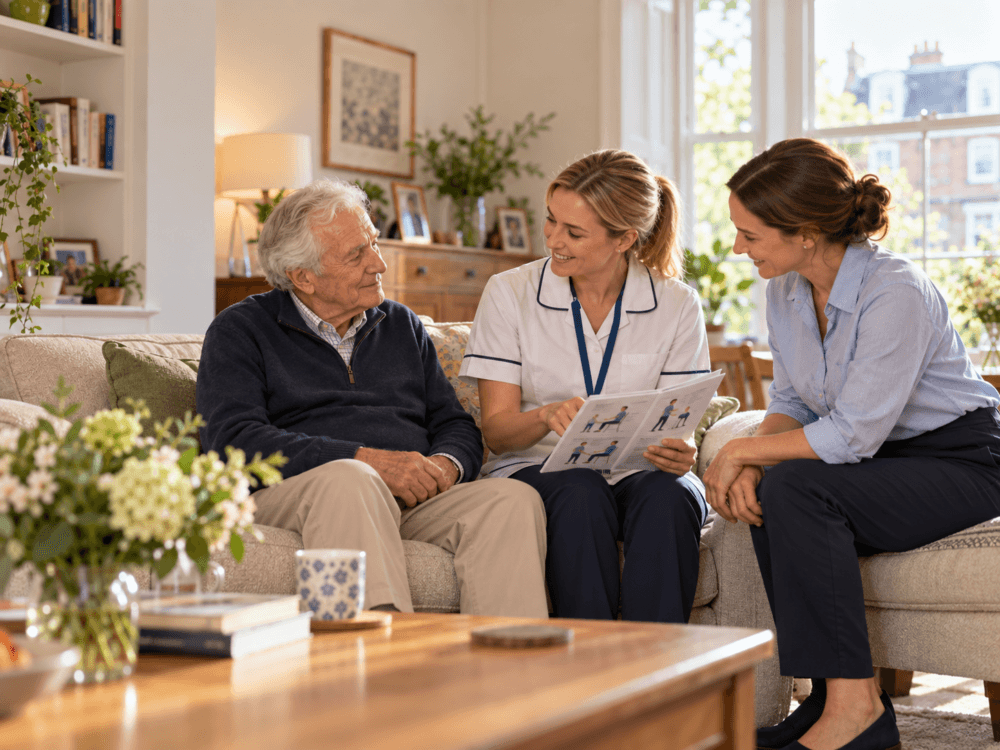
Hospital discharge may involve a number of different professionals, including GPs, district nurses, physiotherapists, occupational therapists or other community services.
Good home care should complement this support.
If exercises have been recommended by a physiotherapist, for example, a Care Professional may be able to encourage the person to follow the agreed routine. Similarly, family members may find it reassuring to know that someone is visiting regularly and can notice changes in how their loved one appears to be coping.
Any concerns about a person’s medical condition should, of course, be referred to the appropriate healthcare professional.
Care Does Not Necessarily Mean Giving Up Independence
One of the concerns we often hear from older people is that accepting help will mean losing their independence.
In reality, the opposite can often be true.
A little support at the right time may help someone remain safely in their own home and continue doing the things that matter to them.
Support can also change as somebody recovers. A person may initially need more help following discharge and then gradually require less as their strength and confidence return.
Home care should be flexible enough to change with them.

When Family Members Live Further Away
Not every family is able to be present every day.
Children may live elsewhere in London, elsewhere in the UK or overseas. Work and family commitments can also make it difficult to provide regular practical support, even when relatives very much want to help.
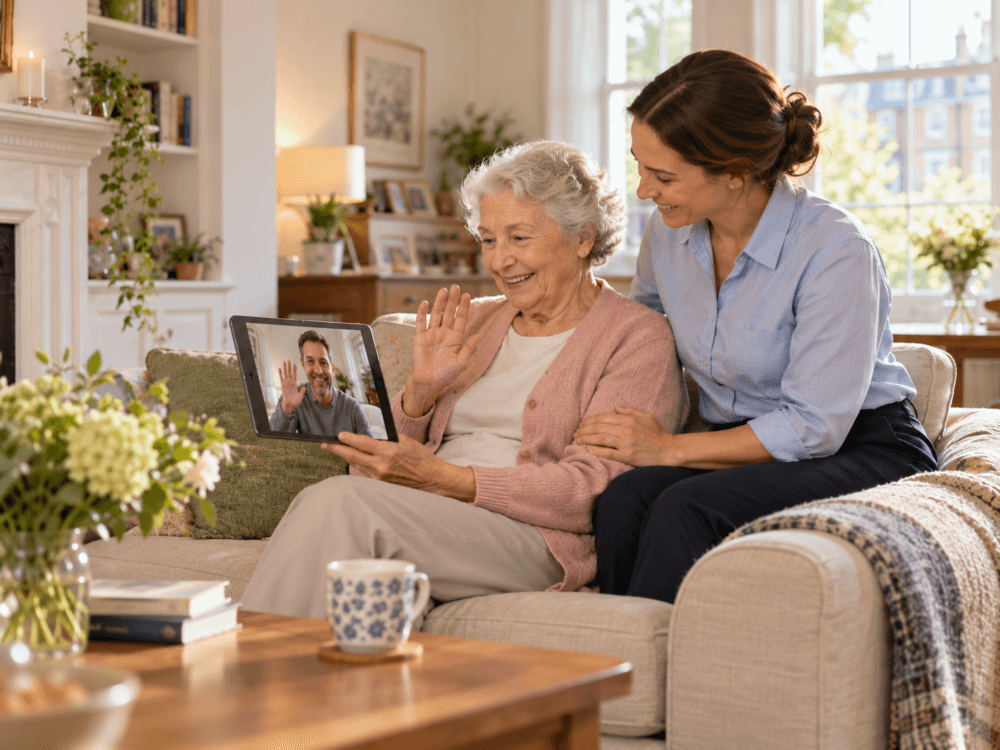
Having a trusted person visiting at agreed times can provide reassurance both for the older person and their family.
Regular communication can also help families understand how their loved one is settling back into life at home.
How Home Instead Westminster & City of London Can Help
At Home Instead Westminster & City of London, we support older people to remain safely and comfortably in their own homes.
Following a hospital stay, that support can be tailored around the individual. It may involve assistance with personal care, preparing meals, companionship, attending appointments or simply providing a reassuring presence while confidence returns.
We place particular importance on continuity of care and building trusted relationships between our clients and Care Professionals.
Some people need support for a short period while they recover. Others discover that having a little ongoing help makes everyday life easier and allows them to remain independent for longer.
If you are preparing for a parent or loved one to return home from hospital and are unsure what support may be needed, our team would be happy to have an informal conversation about the options available.
Contact Home Instead Westminster & City of London to discuss how we may be able to help.