How a Care Professional Supports Someone After a Stroke
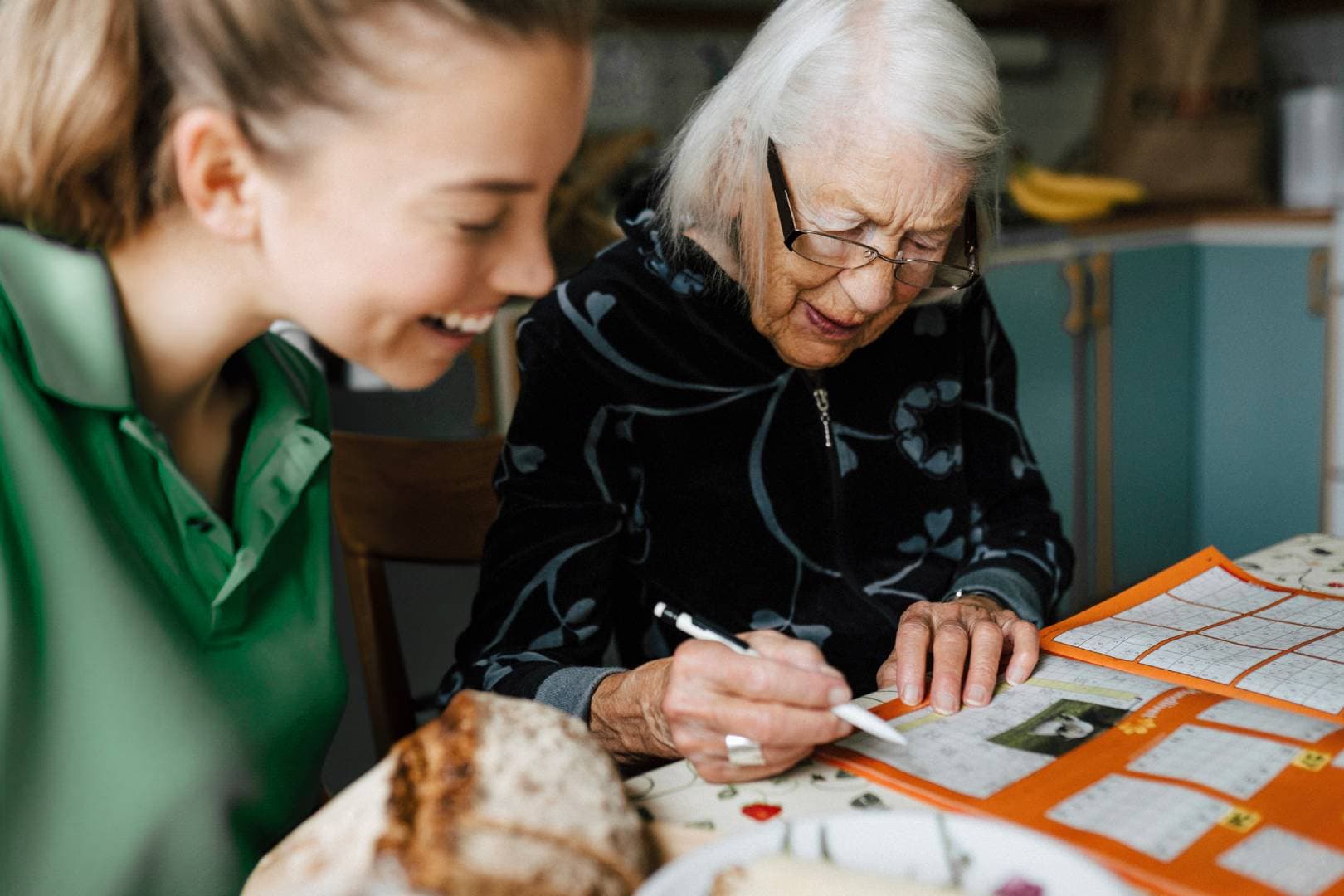
Supporting a loved one through stroke recovery is one of the most meaningful things a family can do, and also one of the most tiring. Care at home after a stroke involves far more than practical tasks: it requires patience, consistency and a clear understanding of what the clinical team is working towards. On World Stroke Day, 29 October 2026, it feels right to talk about what that day-to-day support actually looks like, and how a Care Professional fits into the picture.
This post explains the role a Care Professional plays during stroke recovery, from helping with morning routines to following the guidance set by NHS therapy teams. You will find practical examples of what that support involves, signs that a loved one may need more help at home, and an honest account of what recovery can realistically look like.
Home Care and The NHS Stroke Team
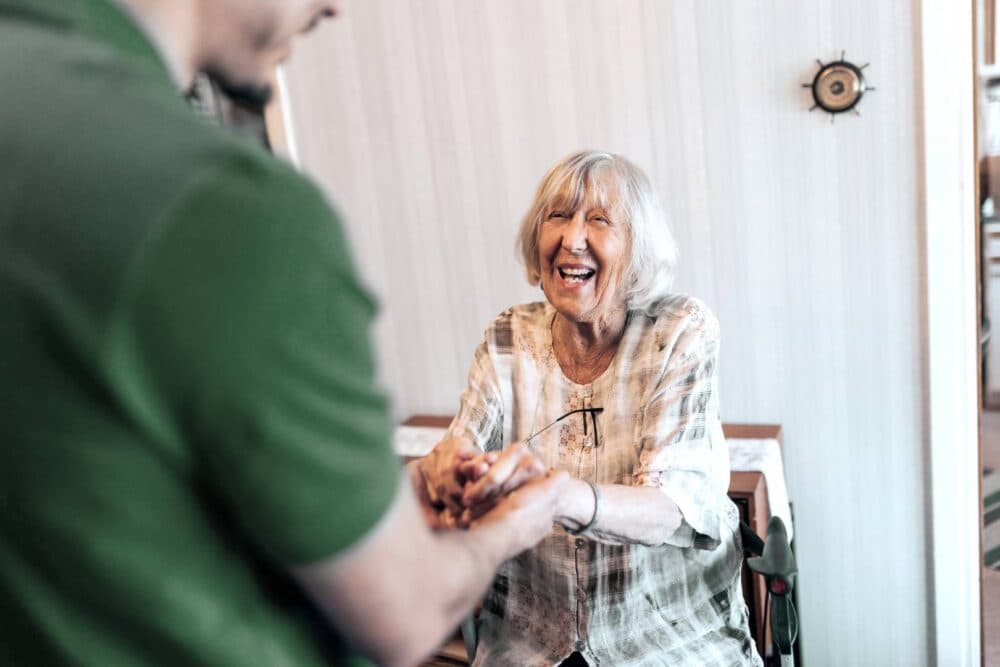
Home care works alongside the NHS stroke team, supporting the routines and goals they set. This is the starting point for everything else. A Care Professional is not there to replace the physiotherapist, occupational therapist or speech and language therapist. They are there to help your loved one follow through on what those professionals have recommended, on ordinary days, in between appointments.
If the physiotherapist has said your loved one should be practising standing from a chair independently, a Care Professional can prompt and encourage that without stepping in and doing it for them. If the speech and language therapist has given guidance on food textures or drink thicknesses, the Care Professional follows that guidance precisely at every mealtime. This consistency matters because recovery tends to go better when clinical advice is built into daily life, not only followed at the hospital.
Before arranging home care, it helps to share any discharge paperwork or therapy goals with the care team so that support can be properly aligned. The Stroke Association offers guidance on what to expect after discharge and how to make the most of rehabilitation.
What a Care Professional does day to day
No two strokes are the same, and no two recoveries look alike. The support a Care Professional provides is shaped around the individual, their goals and their home. In practice, it often covers several areas.
Personal care is usually where the day begins. Help with washing, dressing and getting ready is offered at a pace that lets your loved one do as much as they can for themselves. If the therapy team has said your loved one should be practising putting on their own shoes, the Care Professional supports that effort rather than simply stepping in. The aim is always to assist, not to take over.
Medication is another area where consistency is everything. Many stroke survivors take several medicines to reduce the risk of another stroke, including blood pressure medication and anticoagulants. A Care Professional can prompt your loved one to take medication at the right time, and can notice if doses are being missed or if a prescription seems to be running low.
Meal preparation needs particular care after a stroke. A Care Professional follows any dietary guidance from the stroke team, whether that means preparing food at a softer texture, thickening drinks or simply making sure meals are regular and nutritious. Small practical adjustments help too. Putting the kettle, mug and tea bags on one easy-to-reach shelf, rather than in different cupboards, is the kind of change that quietly supports independence without drawing attention to the difficulty.
Fatigue management is something families sometimes underestimate. Fatigue after a stroke is not the same as feeling tired at the end of a long day. It can be sudden, deep and completely unrelated to how much a person has done. A Care Professional can help build rest into the day in a way that feels natural, and can slow the pace of tasks when needed rather than pushing on regardless.
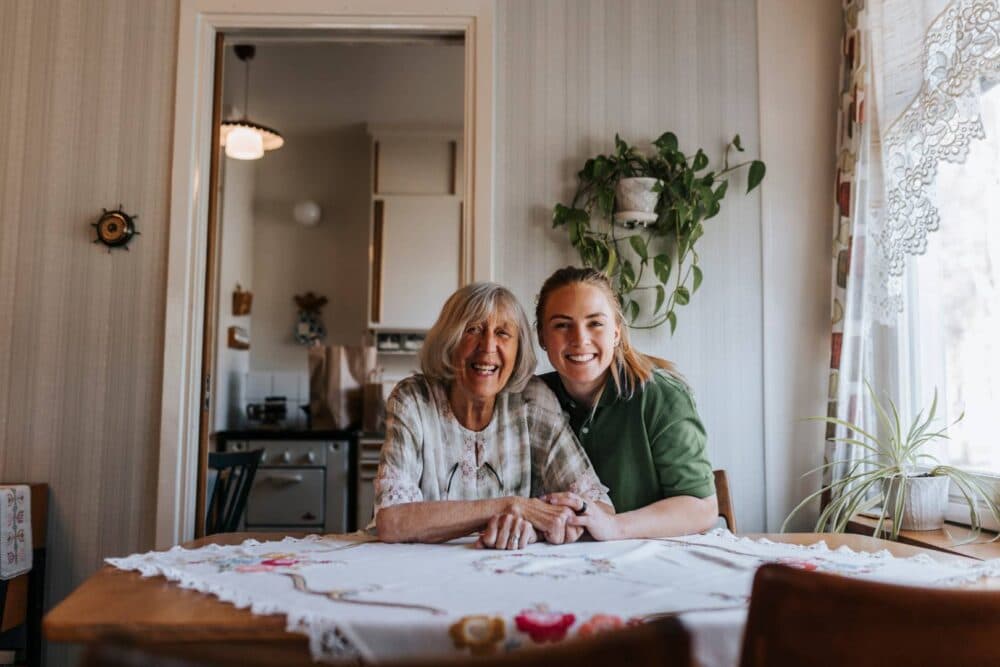
Finally, regular company plays a genuine part in recovery. A familiar, trusted face each morning or evening gives a stroke survivor something to look forward to. That kind of consistent human contact supports mood and confidence in ways that are harder to quantify but easy to notice over time. The NHS notes that social engagement is an important part of rehabilitation alongside physical and speech therapy.

Encouraging Independence During Recovery
One of the hardest things for families is knowing when to help and when to step back. The instinct to do things for a loved one is natural, particularly when progress feels slow. But doing too much can reduce the opportunity for the brain to relearn what the stroke has affected.
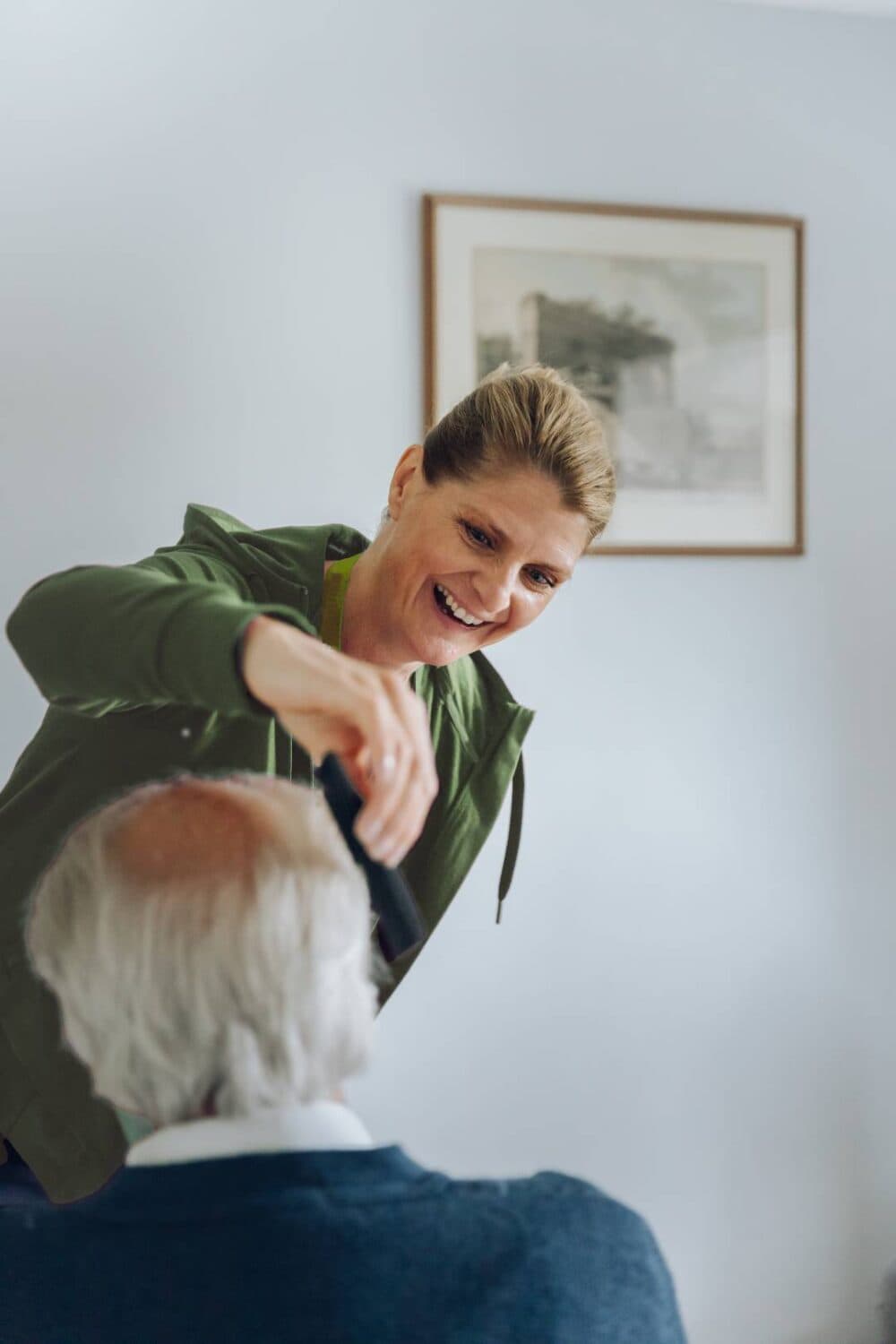
A Care Professional understands where that line is. They allow the extra moment it takes for a loved one to find a word, fasten a button or pour a glass of water. They offer a steadying presence rather than immediately taking over. And they keep families informed about how things are going at home day to day, so that the picture everyone has is realistic and up to date.
If therapy teams have set specific goals, such as preparing a simple breakfast independently or walking to the end of the garden, a Care Professional can support those goals as part of the ordinary day rather than treating them as clinical exercises. That integration is often what makes the difference between a goal that stays on a discharge letter and one that actually gets practised.
Signs Your Loved One May Need More Support at Home
Sometimes families are not sure whether what they are currently managing is sustainable, or whether their loved one is coping safely between visits. Some signs that extra support at home might help include:
- Meals being skipped or only partly eaten, particularly when preparing food has become difficult
- Medication being taken at the wrong time, missed entirely or stockpiled
- Difficulty with washing and dressing that is leading to your loved one going without
- Increasing tiredness that is reducing activity and motivation during the day
- Low mood, withdrawal from conversation or loss of interest in things they used to enjoy
- Falls or near misses that have not been mentioned to the family
Any one of these on its own does not necessarily mean something is seriously wrong. Taken together, however, they can indicate that the current arrangement is not fully meeting your loved one’s needs.
An Honest Note on Recovery
Stroke recovery is not a straight line, and it would be wrong to suggest otherwise. Progress can be slow, and there will be days that feel harder than the one before. Most recovery happens in the first few months after a stroke, but improvement can continue well beyond that, particularly when the right support and stimulation are in place. According to the Stroke Association, around two thirds of stroke survivors leave hospital with a disability, but many go on to regain significant independence over time.
Professional care at home does not come with a guarantee of a particular outcome. What it offers is consistency: the same person, the same approach, the same encouragement, every day. That reliability is often what makes the rest possible.
How We Can Support Stroke Recovery at Home
Our After Stroke Care At Home service is designed to fit around your loved one’s recovery plan and your family’s circumstances. We work with stroke survivors and their families from the earliest weeks at home through to longer-term support, adjusting as needs change.
Care Professionals at Home Instead West Leicestershire and Market Bosworth are trained to understand stroke recovery and to work as part of a wider care and clinical team. Whether the need is for help a few mornings a week or more regular daily visits, we start with a conversation to understand what would genuinely help, and we build from there.

Frequently Asked Questions About Care at Home After A Stroke
When is the right time to arrange home care support after a stroke?
There is no fixed point at which home care should begin. Some families arrange support from the first day back from hospital; others start with a few hours a week and increase from there. A good indicator is when the current level of support is no longer managing safely, or when family carers are struggling to keep up alongside their own work and family commitments.
Can a Care Professional work alongside NHS rehabilitation after a stroke?
Yes. Home care is designed to work alongside, not instead of, NHS rehabilitation. A Care Professional follows the guidance given by the stroke team and supports your loved one in practising the routines and goals set by their therapists between clinical appointments. Good communication between the family, the care team and the clinical team makes this most effective.
What if my loved one does not want outside help at home?
This is very common, particularly in the early weeks after a stroke. Many people find it easier to accept support once they have met their Care Professional and understood that the help is there to support their independence, not to undermine it. It can help to introduce it as a practical arrangement for a specific period, reviewed as things progress, rather than framing it as a permanent change.
Talk to our team
If you are thinking about what home support might look like for your loved one after a stroke, we would be glad to have a conversation. There is no obligation and no rush. We are here to listen, answer questions and help you work out what might genuinely help.
Home Instead West Leicestershire and Market Bosworth
Phone: 0116 3503716
Get in touch: https://www.homeinstead.co.uk/office/west-leicestershire/
Address: 46 Boston Road, Beaumont Business Centre, Beaumont Leys, Leicester, Leicestershire, England, LE4 1AA
How can we help?
We've helped thousands of families to stay safe, comfortable and happy at home. Whatever situation you're facing, or whatever the question is, Home Instead is here to help.
Are you in need of a little guidance right away?
Other non-care-related enquiries