When Your Partner Has a Stroke
Caring for the Person You Love
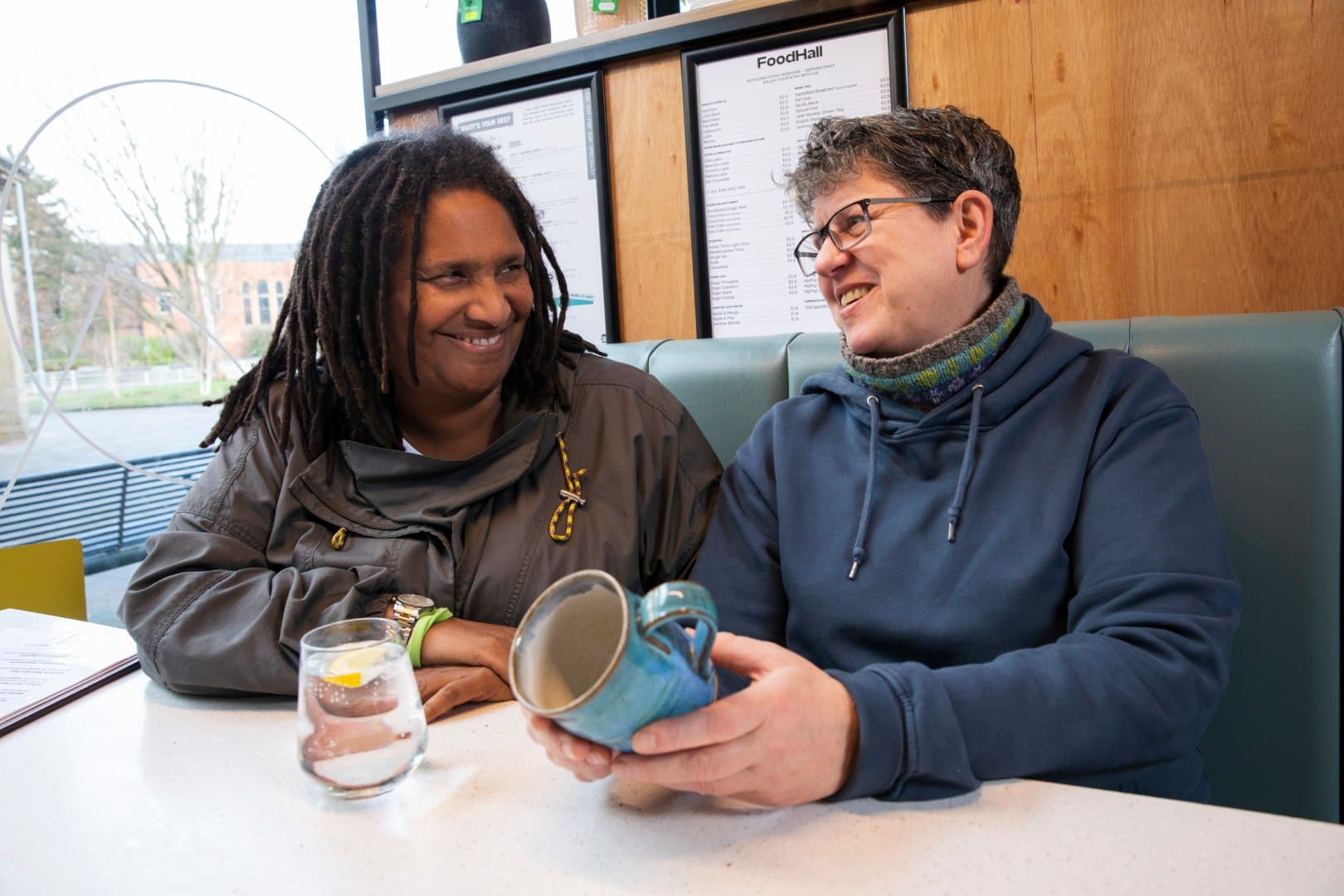
Caring for a partner after a stroke changes things in ways you cannot fully prepare for. One day you are sharing your life as equal partners; the next, the person you love needs help with things they have always done for themselves. That shift is hard, and it is allowed to feel that way.
World Stroke Day falls on 29 October 2026, and this year we wanted to speak directly to spouses and partners who find themselves in this position. Below you will find practical guidance on supporting your partner’s recovery at home, honest advice about your own wellbeing, and information about the professional support that can help you both.
Looking After Yourself is Part of Looking After Your Partner
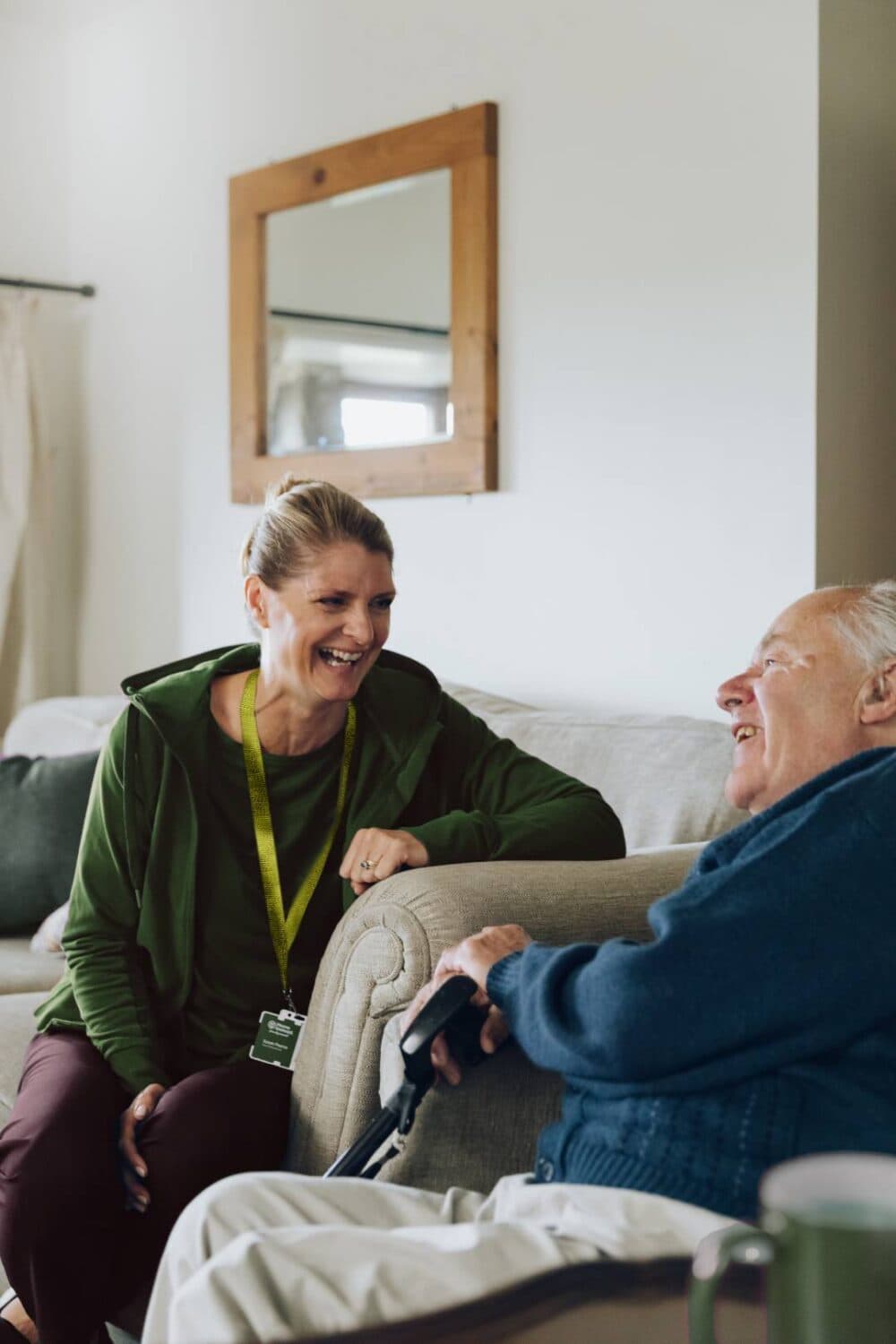
This needs to be said plainly: looking after yourself is not a luxury. Accepting help is not giving up. It is easy to pour everything into your partner’s care without noticing that you are running low yourself. Spousal carers who are exhausted, unwell or emotionally depleted cannot give the steady support that recovery needs. Your wellbeing is part of this, not separate from it.
Some things that are easy to let slip and worth protecting:
- Keep your own GP appointments. They can feel low priority when someone else needs more attention, but your health matters, and small things become bigger things when they are left.
- Try to eat properly and sleep when you can. It sounds straightforward, but when your focus is entirely elsewhere, these are often the first things to go.
- Tell someone how you are doing, whether that is a friend, a family member or your own GP. Carrying it all quietly is not strength; it is isolation, and support is available.
- Ask your GP about a carer’s assessment from the local council. This is a free conversation about what you need as a carer, not a test of the care you are providing. It can open up practical help you may not know exists.
The NHS has useful guidance on support and benefits for carers, including how to request a carer’s assessment and what it covers.
What The First Weeks at Home Are Really Like
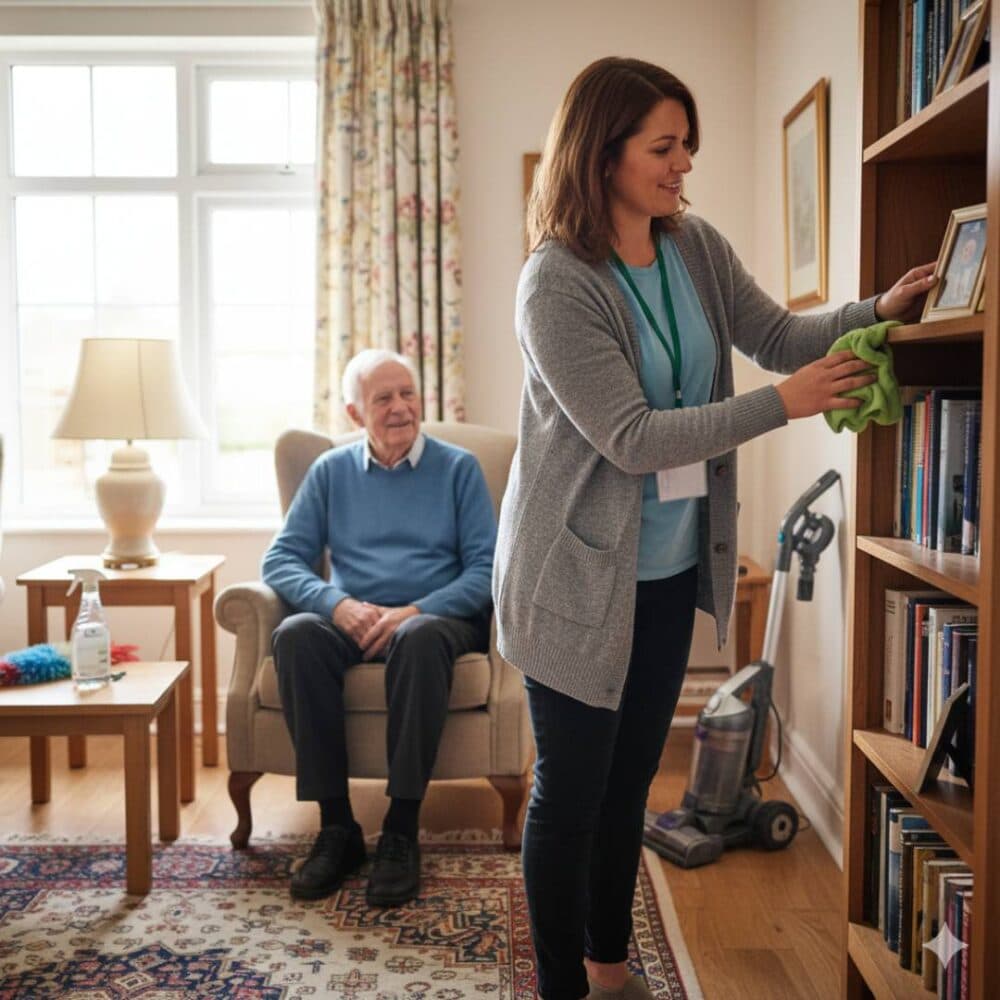
When your partner comes home from hospital, there is often a complicated mix of relief and uncertainty. There are new medications to manage, follow-up appointments to track, and a home that suddenly feels different to move around in. Most people are not told how intense this period can be, and that silence can make it feel more isolating than it needs to.
Before your partner leaves hospital, make sure you have a clear discharge plan and know who your main contact is if something changes. If you are unsure, ring the ward or speak to the GP surgery. Having one clear point of contact matters more in those first weeks than almost anything else.
A few practical steps that often help in the early days:
- Move commonly used items to one level. In the kitchen, for example, put the kettle, mugs and tea bags on one accessible worktop surface rather than across different shelves and cupboards. It is a small change that reduces the effort and risk involved in something your partner may want to do independently.
- Clear the main routes around the home. The path between the bedroom, bathroom and living area should be free of rugs, cables and furniture edges. Falls are more likely after a stroke, especially in the first weeks, and floors that felt perfectly safe before may need a second look.
- Ask about equipment before discharge. If grab rails or a raised toilet seat have not been mentioned, ask the occupational therapist. They can often arrange these in advance so the home is ready when your partner arrives.
Recovery looks different for everyone. Some people make significant gains in the first months; for others, progress is slower or some effects are longer-term. That is not a measure of effort or care on anyone’s part. The Stroke Association has clear information on what to expect during recovery, which is worth reading alongside whatever the hospital team has told you.
According to the Stroke Association, around two thirds of stroke survivors leave hospital with some degree of disability. That means most families are going home to a period of real adjustment. Planning for it in advance makes a difference.
Helping Your Partner Without Taking Over
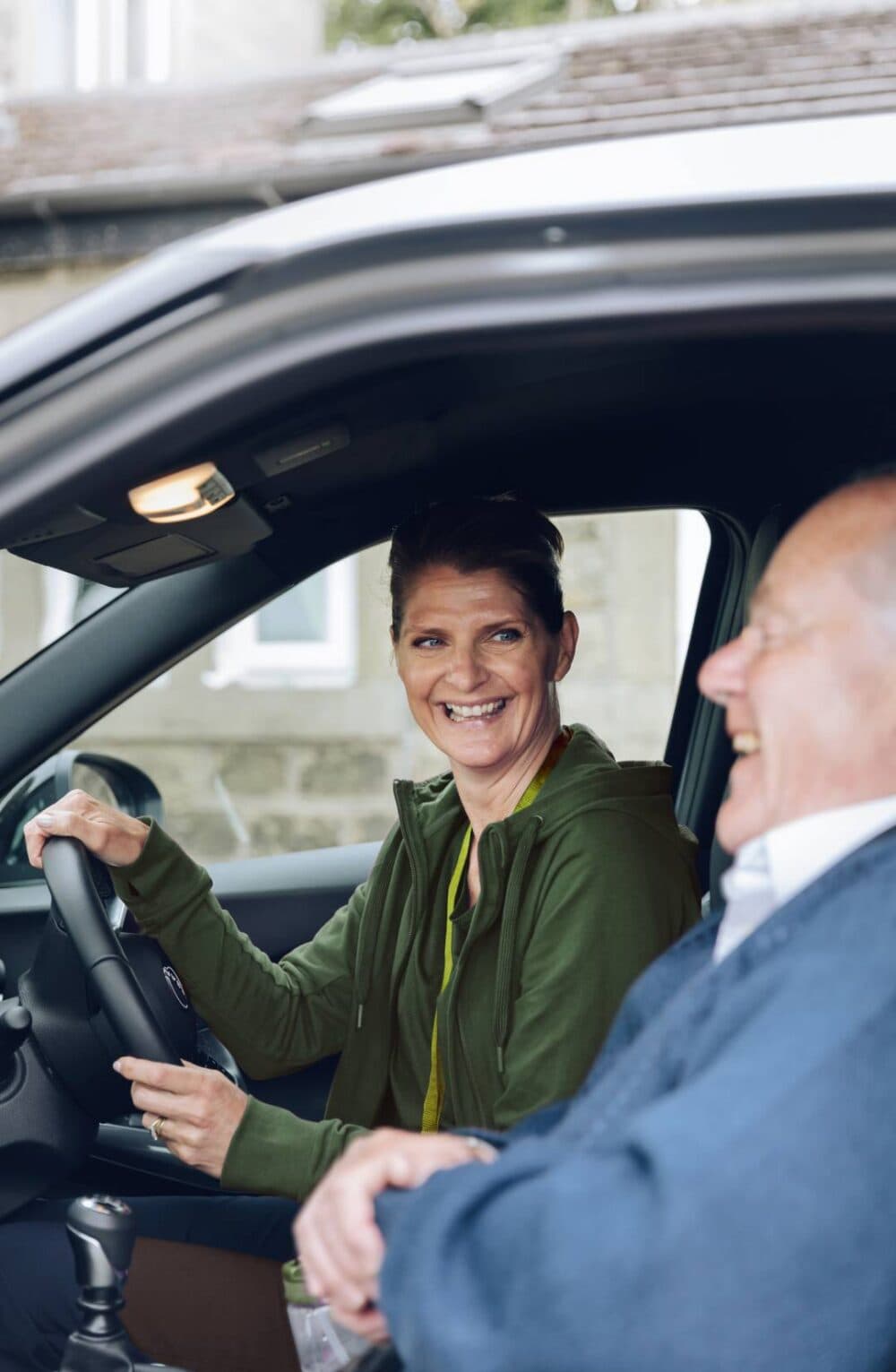
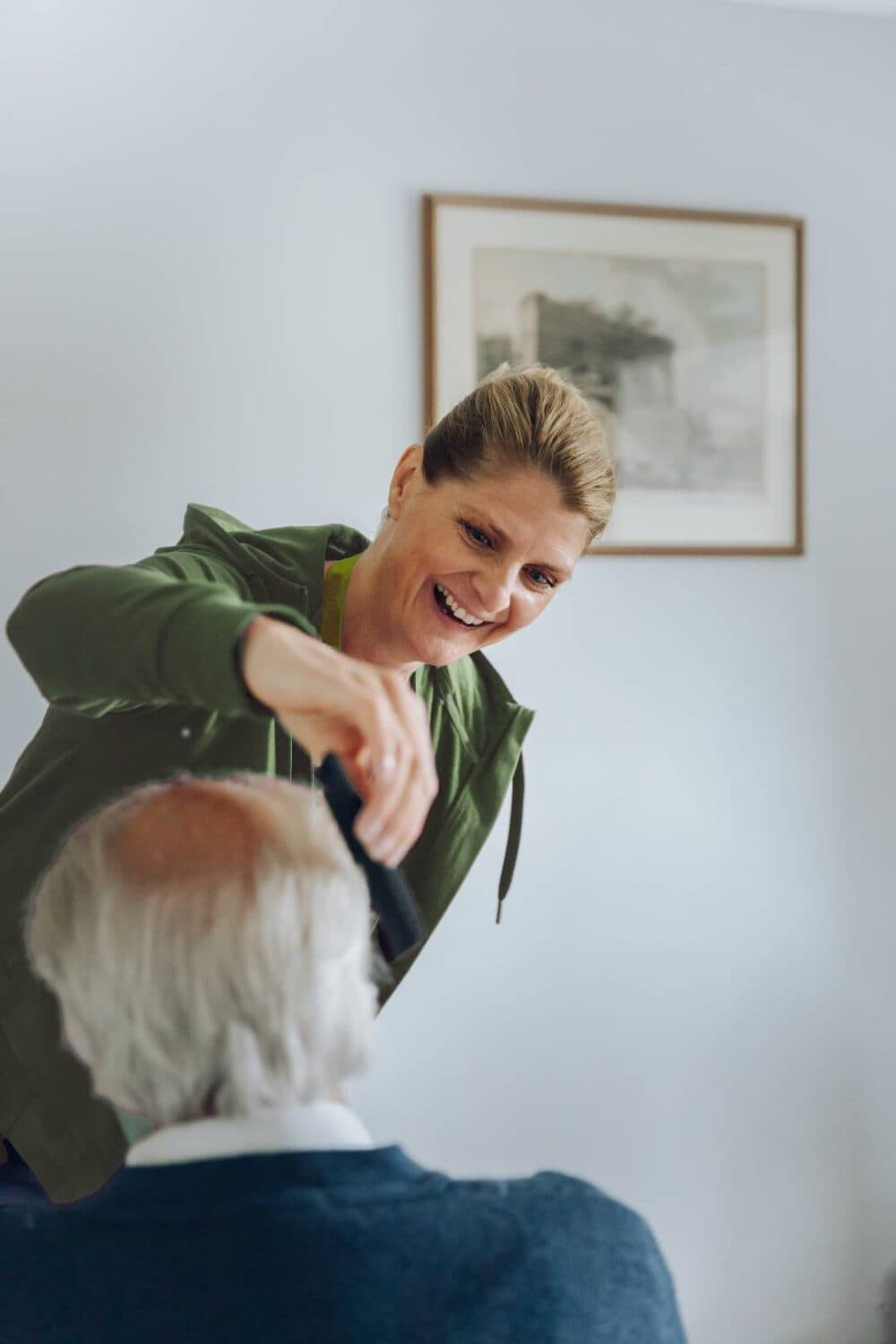
Finding the balance between helping and stepping back is one of the more difficult parts of caring for a partner after a stroke. The instinct to step in is strong, especially when something is taking a long time or looks difficult. But stroke rehabilitation is built on the principle that the brain relearns by doing, and when you take over a task, that process does not happen.
When your partner attempts something themselves, even slowly or imperfectly, they are building new connections. The therapy team will have set specific goals for this reason; your role at home is to support those goals by letting your partner try, rather than replacing their effort with your own.
In practice, that might mean sitting nearby while they make a cup of tea rather than making it for them. It might mean waiting a few extra minutes while they fasten a button. These small moments of effort are where confidence comes back, and where recovery is actually happening.
If your partner is living with aphasia (difficulty with words or communication, which is a common effect of stroke), the speech and language therapist will give you specific guidance. As a general approach: keep questions simple, give plenty of time for a response, and do not finish their sentences unless they ask you to. A nod, a gesture or a written word is just as valid as speech, and treating it that way makes a real difference to how your partner feels about communicating.
When The Emotional Side Becomes Harder To Carry
Stroke can change mood and personality, not because of how someone feels about the people around them, but because of the neurological effects of the stroke itself. Your partner may be more emotional than before, quicker to frustration, more withdrawn, or simply different in ways that are hard to name. These changes are common, and they are not a reflection of your relationship.
It is also completely normal for you to feel grief, loneliness, resentment or guilt as a spousal carer, sometimes all in the same afternoon. These feelings do not mean you love your partner less. They mean this is genuinely hard, and that you need support too.
Post-stroke depression is a recognised condition, and it is worth raising with the GP if your partner seems persistently low in mood, disengaged or tearful. Effective support is available and mentioning it early is better than waiting to see if it lifts on its own.
The Stroke Association’s My Stroke Guide has resources for both survivors and families, including sections on emotional wellbeing. Different Strokes offers peer support that many people find helpful when they want to connect with others who understand what stroke recovery is like from the inside.
How Home Care Can Help You Both
There comes a point for many couples where one person simply cannot provide all the support their partner needs. That is not a failure. It is the reality of recovering from a significant medical event, and it is where professional home care can genuinely help.
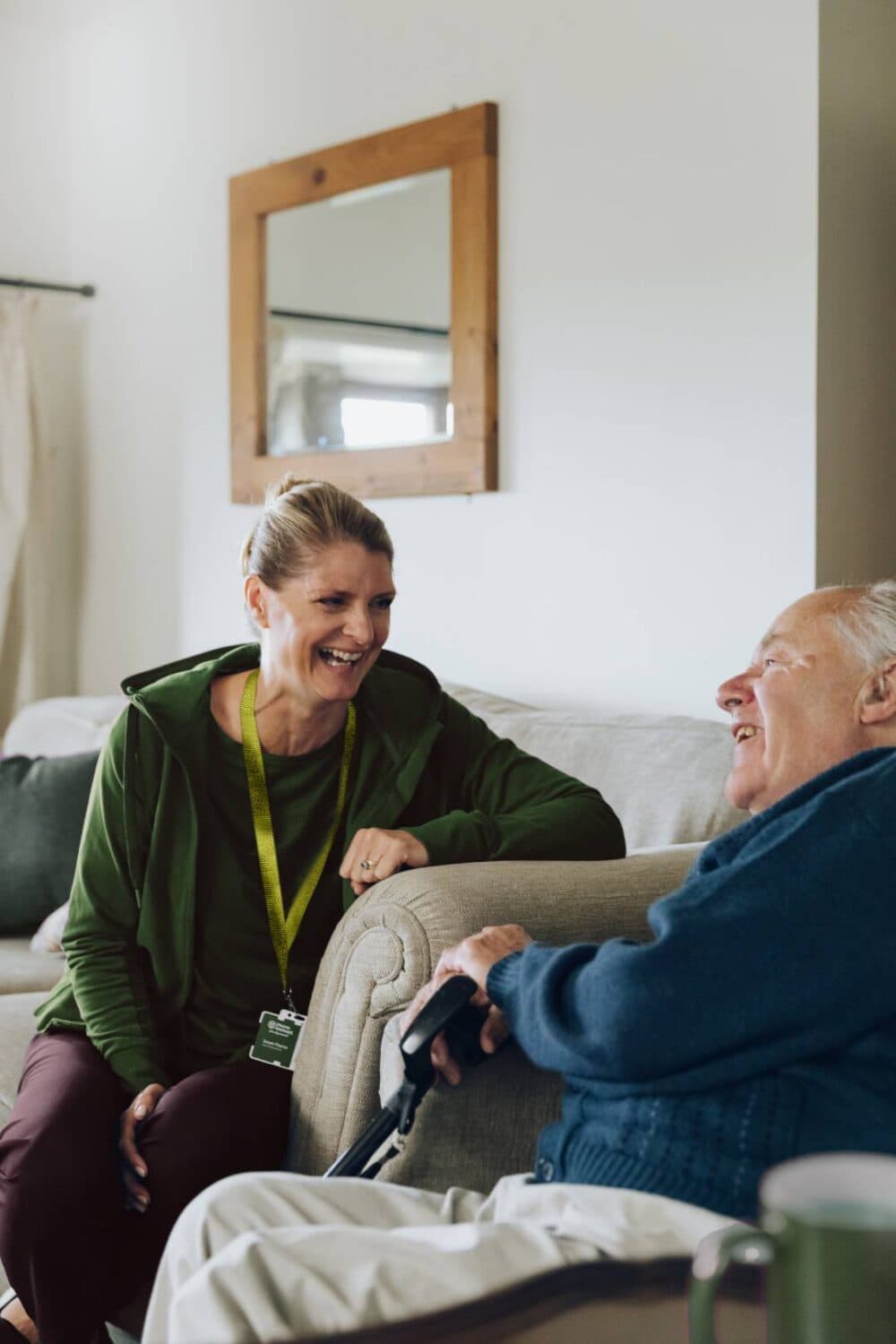
As part of our After Stroke Care At Home service, our Care Professionals support people recovering from stroke in their own home. That might include help with personal care in the mornings so your partner starts the day with dignity and comfort, support with meals and medication prompts, or companionship through the parts of the day that can otherwise feel very long. We work alongside the NHS therapy teams, supporting the routines and goals they have already set rather than replacing their work.
For you as a partner, having a Care Professional come in for a few hours can mean time to rest, to see friends or family, to attend your own appointments, or simply to step back from the caring role for a little while and be a husband or wife again. That shift matters more than it might sound, and it is entirely possible.
If you are considering home care for the first time, a good starting point is simply a conversation. Understanding what is available helps you make the right decisions for your family at the right time.
Questions Families Often Ask
How do I know when my partner needs more support than I can give at home?
Signs that it may be time to seek additional help include missed medications, difficulty with washing or dressing safely, a pattern of falls or near-misses, or your own health and energy starting to suffer. If you are regularly losing sleep or feel unable to leave the house, those are signs that the current arrangement needs something more around it. A conversation with the GP or your partner’s stroke team is a good place to start.
Can a Care Professional help if my partner has difficulty communicating?
Yes. Our Care Professionals take time to understand how each client communicates best, and we follow the guidance given by the speech and language therapist. Aphasia can be frustrating for everyone at first, but with patience and the right approach, good communication is possible and the relationship between a client and their Care Professional can become a real source of comfort and confidence.
What is the difference between a carer’s assessment and a care needs assessment?
A care needs assessment looks at what support your partner requires. A carer’s assessment is entirely separate and focuses on you as a carer: what you find difficult, how it is affecting your own wellbeing, and what might help. Both are free and available through the local council’s adult social care team. Your GP can also help you access them and explain what to expect.
Talk to our team
If you are supporting a partner after a stroke and would like to find out more about how our team can help, we would be very glad to hear from you. There is no pressure and no commitment. It starts with a friendly conversation about your situation and what might make a difference.
Home Instead Warminster & Gillingham
Phone: 01985 988282
Contact us: homeinstead.co.uk/office/warminster/
Address: Home Instead, The Design Centre, Crusader Park, Roman Way, Warminster, Wiltshire, BA12 8SP
How can we help?
We've helped thousands of families to stay safe, comfortable and happy at home. Whatever situation you're facing, or whatever the question is, Home Instead is here to help.
Are you in need of a little guidance right away?
Other non-care-related enquiries