Winter Wellbeing After a Stroke
Practical Tips for Families
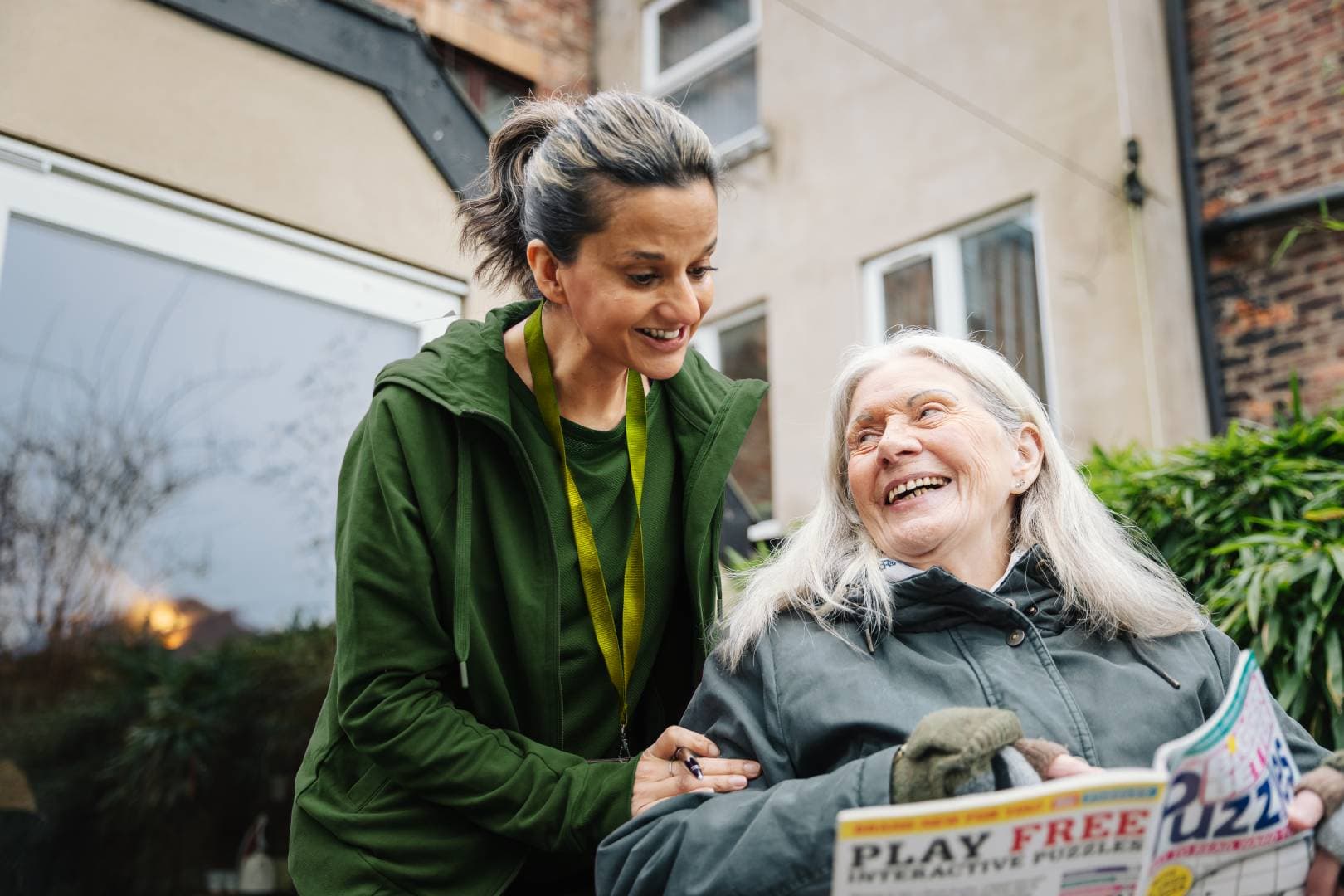
Winter wellbeing after a stroke is something that doesn’t always get the attention it deserves. The colder months can make the everyday challenges of stroke recovery harder, from stiff muscles and low energy to the quieter, greyer days that can weigh on mood. This World Stroke Day, on 29 October 2026, we’re sharing some straightforward guidance for families supporting a loved one at home as winter approaches.
In this post, you’ll find practical steps around keeping the home warm safely, supporting gentle activity when the weather pushes against it, what to watch out for around food and hydration, and where home care can genuinely help during the months ahead.
Why Winter Matters More Than People Realise During Stroke Recovery
Keeping the home warm and staying gently active through winter supports overall health during recovery. That’s not simply common sense: it has a real basis in how cold affects the body. When temperatures drop, blood vessels narrow to conserve heat. For someone who has already had a stroke, this can push blood pressure higher, and high blood pressure is the biggest risk factor for another stroke, accounting for around half of all strokes according to the Stroke Association.
Cold weather can also increase stiffness after a stroke, make fatigue feel harder to manage, and reduce the motivation to keep up with exercises or daily routines. Shorter days and fewer chances to get outside can quietly chip away at mood and social contact, both of which matter during recovery. None of this is inevitable, but it does mean that winter needs a bit of deliberate planning, not just waiting to see how things go.
Warming the Home Without Leaving Anything to Chance
The NHS recommends keeping the main rooms of the home at a minimum of 18°C, especially overnight. For older adults recovering from a stroke, this is especially worth taking seriously. A simple room thermometer in the living room and bedroom is a good starting point as it takes the guesswork out and gives everyone a clear reference point.
It’s also worth checking that heating is working reliably before the cold really arrives. If your loved one lives alone, or you’re not there every day, a call to their energy supplier is a sensible step. Many suppliers offer free or subsidised boiler checks for older customers, and it’s far easier to deal with before the temperature drops.
One thing stroke can affect is the ability to sense temperature evenly. If the stroke has caused weakness or changed sensation on one side of the body, your loved one may not notice if one hand or foot has become very cold. Checking in with a quick, gentle touch is a simple habit that takes seconds and can matter a great deal.
Layering clothing tends to work better than relying on one heavy layer. Thinner layers trap warmth more effectively, and they’re also easier to add or remove during the day, which is helpful when fatigue or reduced dexterity makes getting changed a significant effort.
Staying Gently Active When Getting Outside Feels Difficult
Stroke recovery almost always involves exercises recommended by a physiotherapist, and these are the ones most likely to slip when it’s cold and grey outside. Going out feels harder, icy pavements add a real falls risk, and it’s easy for activity levels to drop gradually without anyone quite noticing.
Keeping a visible note of the exercises the physiotherapist has recommended can help. A short list near the armchair or on the fridge is a gentle prompt without feeling like a formal task. If you’re unsure which exercises are still appropriate for your loved one’s current stage of recovery, ring the GP or stroke team rather than guessing. The exercises matter, and so does doing the right ones.
Short movement indoors can also help on the days going out isn’t possible: a few laps of the hallway, some seated stretches, or simply standing up and sitting down a few times. None of this replaces physiotherapy, but it keeps the body from stiffening further and helps break up long, sedentary periods.
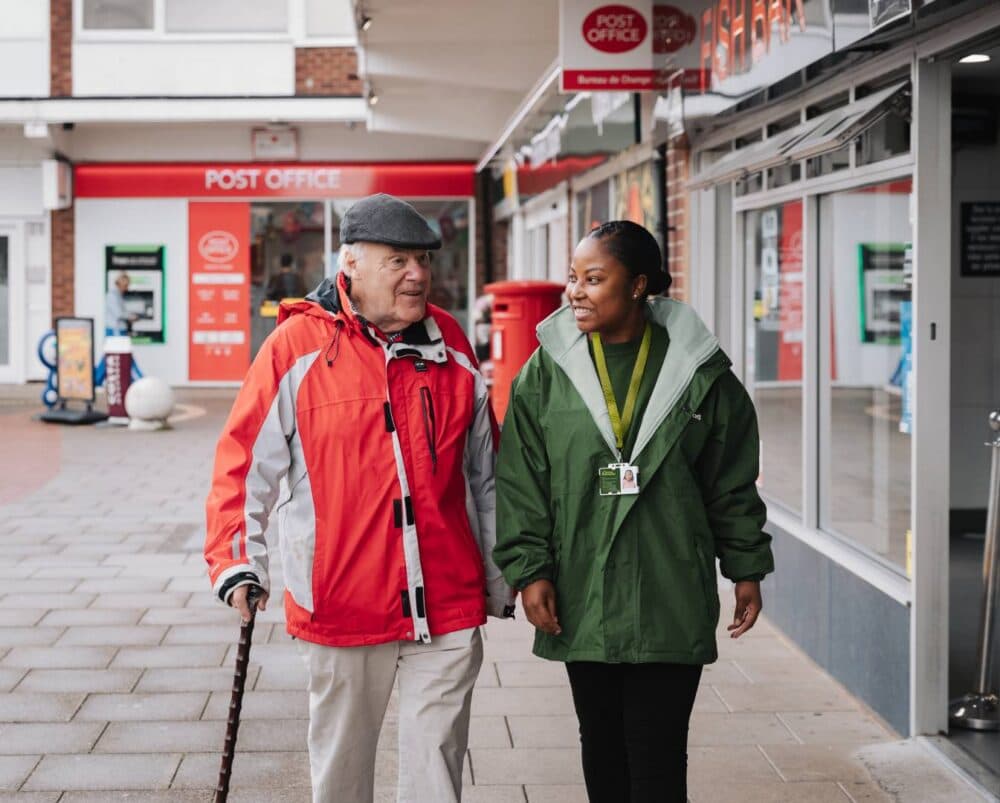
When your loved one is ready to go outside, aim for midday when temperatures are likely to be at their highest and pavements are less likely to be icy. Always follow the physiotherapist’s guidance on walking aids. A moment taken to check the weather forecast the night before can help you both plan ahead rather than making a decision at the door.
Food, Drink and the Little Things That Often Get Overlooked
Appetite can change after a stroke for several reasons: taste may be different, swallowing can be affected, and medication sometimes has an impact. In winter, there’s often an added layer. When people are less active and spending more time indoors, it’s easy to eat and drink less without meaning to.
Dehydration is particularly easy to miss in colder weather because the feeling of thirst isn’t as strong. It can contribute to fatigue and affect concentration, both of which are already common challenges after a stroke. Keeping a flask or a small selection of hot drinks within easy reach, so your loved one doesn’t have to go back and forth to the kitchen every time, is a simple and practical adjustment.
If your loved one has been assessed by a speech and language therapist for swallowing (a condition called dysphagia), always follow their guidance on food textures and drink consistency. If you’re not sure whether this assessment has taken place, speak to the GP or stroke team.
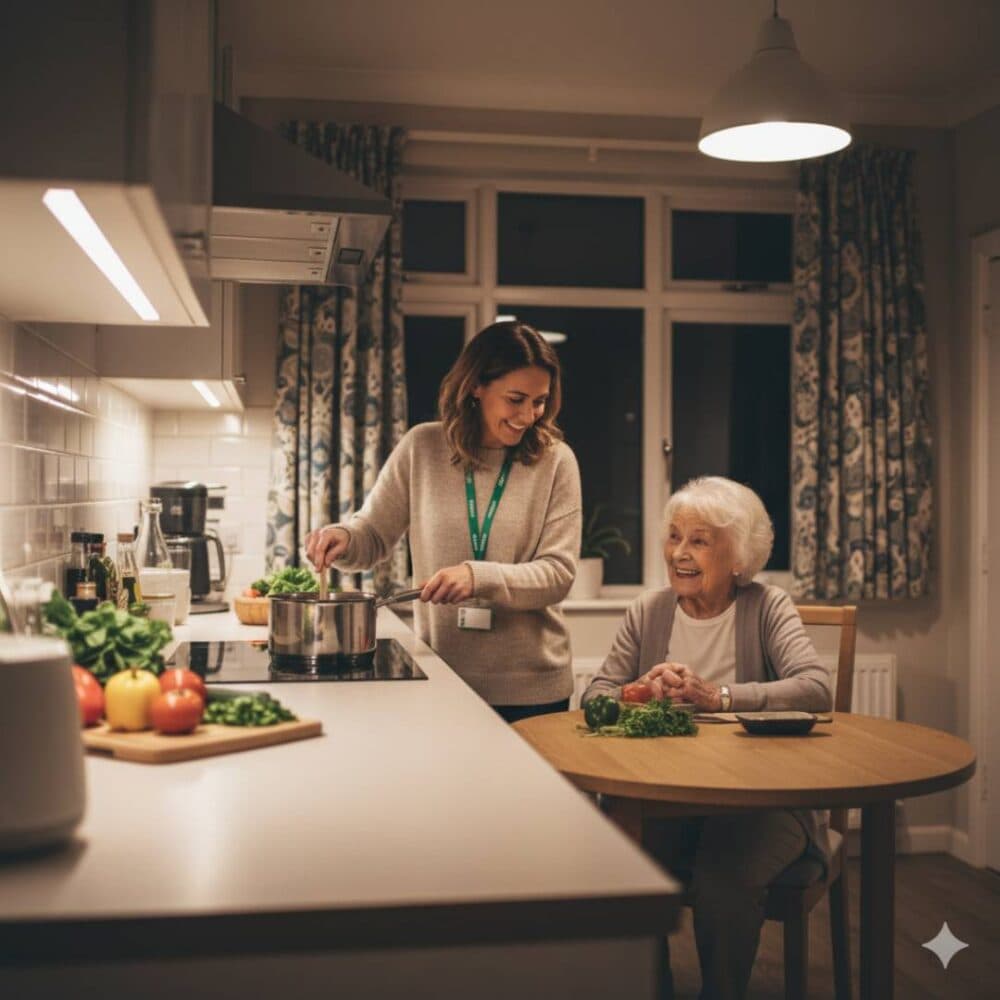
Warm, easy-to-prepare meals tend to work well in winter: soups, scrambled eggs, porridge, and batch-cooked casseroles that can be frozen and reheated. It’s also worth mentioning vitamin D to the GP. Older adults are generally advised to take a supplement through autumn and winter, when sunlight is limited, and it’s a straightforward conversation to have at the next appointment.
How Home Care Can Support Winter Wellbeing After a Stroke
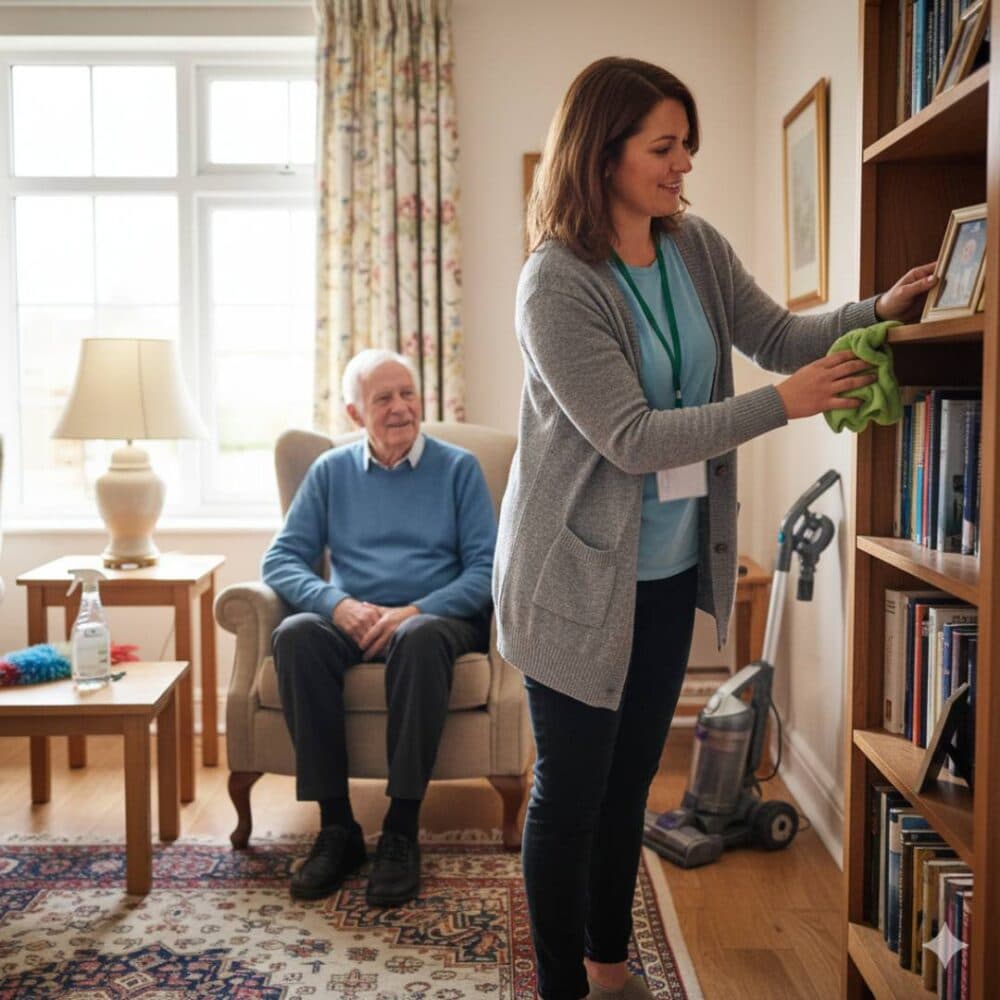
Our Care Professionals at Home Instead Stockport work alongside the NHS and stroke teams, not instead of them. After a stroke, tasks like preparing a warm meal, getting dressed in the morning, or doing a set of physio exercises can take significantly more time and energy than they did before. That’s not a sign of poor recovery. It’s simply where things are, and it’s exactly where home care can make a real difference.
Our After Stroke Care at Home service is built around what your loved one actually needs. That might mean being there for breakfast to help with medication and a warm meal, accompanying them to a GP appointment, supporting a gentle exercise routine agreed with the physiotherapist, or simply being a steady, familiar presence through the winter months when days feel long and contact with the outside world is more limited.
Our Care Professionals are trained to work in a way that encourages independence wherever possible. They take their lead from the stroke team’s guidance, so what happens at home feels like a continuation of recovery, not a step back.
Frequently Asked Questions
How does cold weather affect someone recovering from a stroke?
Cold temperatures cause blood vessels to narrow, which can raise blood pressure. Since high blood pressure is a major risk factor for further stroke, keeping the home warm and wrapping up well outdoors matters more than it might seem. If your loved one’s blood pressure is being monitored, it’s worth asking the GP whether extra checks are advisable during winter.
How can I help my loved one stay active when it’s too cold or icy to go out?
The best starting point is whatever exercises the physiotherapist has already recommended. Short indoor movement, such as seated stretches or walking around the home a few times, can help reduce stiffness and break up long periods of sitting. If you’re not sure which exercises are still appropriate, speak to the stroke team or GP before starting anything new.
What should I do if my loved one seems more low in mood over winter?
Low mood is common after a stroke at any time of year, and darker, quieter winter days can make it more noticeable. Regular contact with familiar people, keeping up a gentle routine, and access to natural daylight during the day can all help. If the low mood persists or your loved one seems unusually withdrawn or tearful, mention it to the GP rather than waiting to see if it passes on its own.
Talk to Us About Support This Winter
If you’re thinking about what extra support might look like for your loved one over the coming months, we’d be very happy to have a friendly, no-pressure conversation. We can talk through what’s involved, answer any questions you have, and help you think through what might work best for your family.
Home Instead Stockport
Victoria House, 179 Hall Street, Stockport, Greater Manchester, SK1 4JG
Phone: 0161 480 0646
Contact us: homeinstead.co.uk/office/stockport-tameside/
How can we help?
We've helped thousands of families to stay safe, comfortable and happy at home. Whatever situation you're facing, or whatever the question is, Home Instead is here to help.
Are you in need of a little guidance right away?
Other non-care-related enquiries