Signs Your Loved One May Need More Support at Home After a Stroke
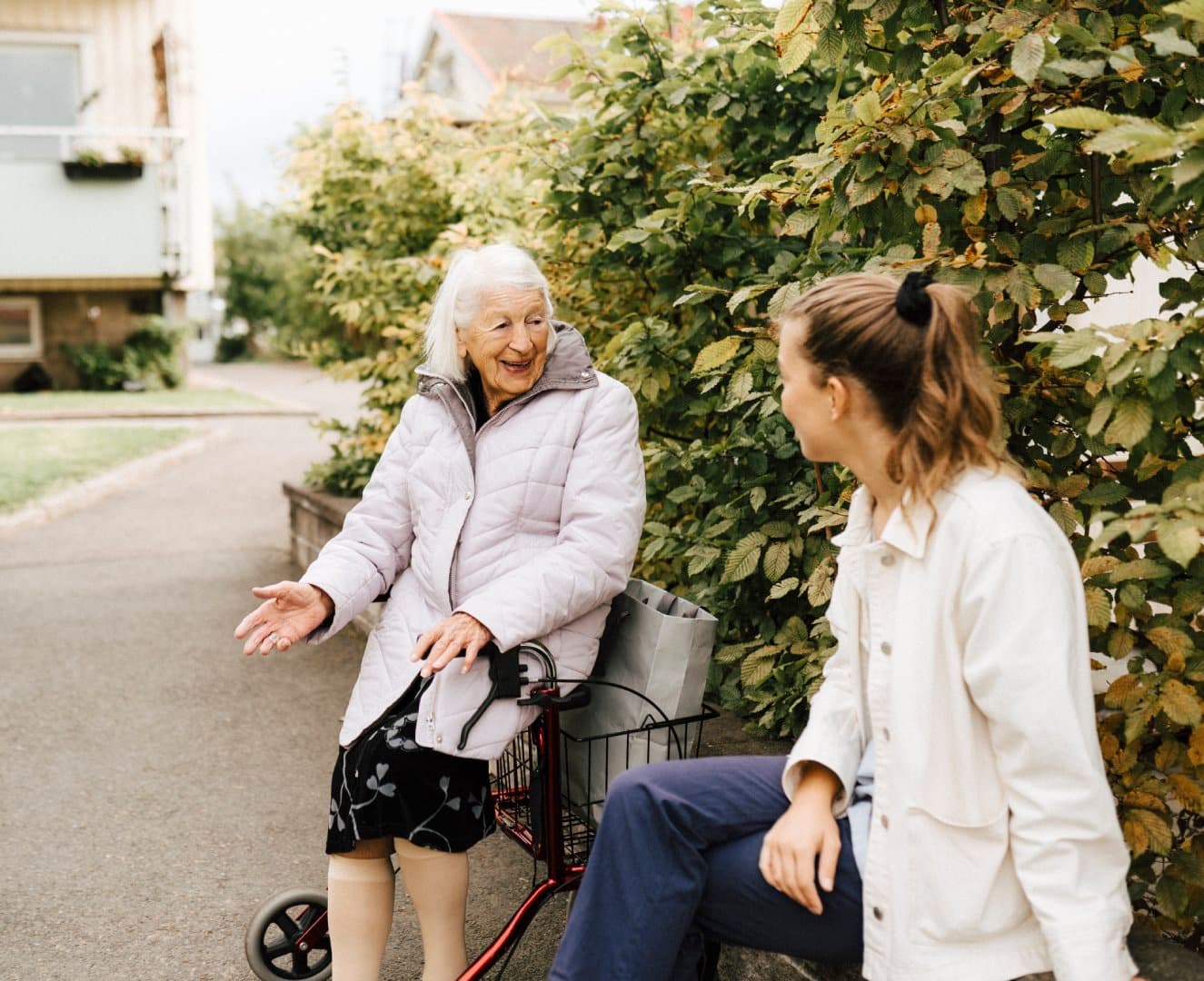
After a stroke, coming home is a significant step. But settling back into daily life takes time, and the challenges don’t always appear straight away. Sometimes things shift gradually, and it can be hard to tell whether your loved one is coping well or whether the support in place is no longer quite enough.
World Stroke Day falls on 29 October 2026, and this year we want to help families recognise the signs of needing more support after a stroke before things reach a crisis point. In this post, we look at the practical changes in daily life worth paying close attention to, why those changes happen, and what you can do when you notice them. We also explain how professional home care can work alongside your loved one’s NHS stroke team.
Recognising the Signs of Needing More Support After a Stroke
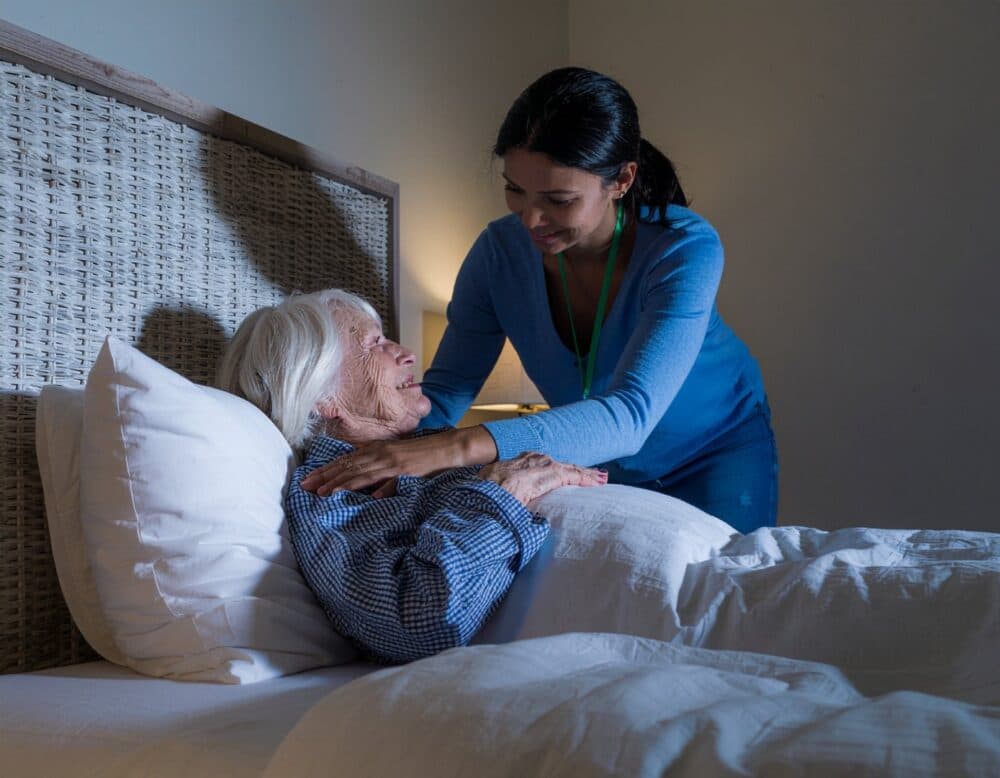
Missed meals, unopened post or skipped medication are often the first practical signs that a loved one is finding home life harder than they let on. Trust what you notice, and mention it to the GP or stroke team sooner rather than later.
Changes can creep up gradually. Your loved one may have seemed to be managing well in the early weeks back home, and then things quietly start to slip. This is not a sign of failure on anyone’s part. Stroke recovery is rarely straightforward, and what someone could manage in week three may look very different from what they can manage in month three, particularly once rehabilitation appointments become less frequent and professional contact reduces.
The signs worth watching for tend to fall into three areas: changes in daily routine, changes in personal care and the home environment, and changes in mood or thinking.
Changes in Daily Routine
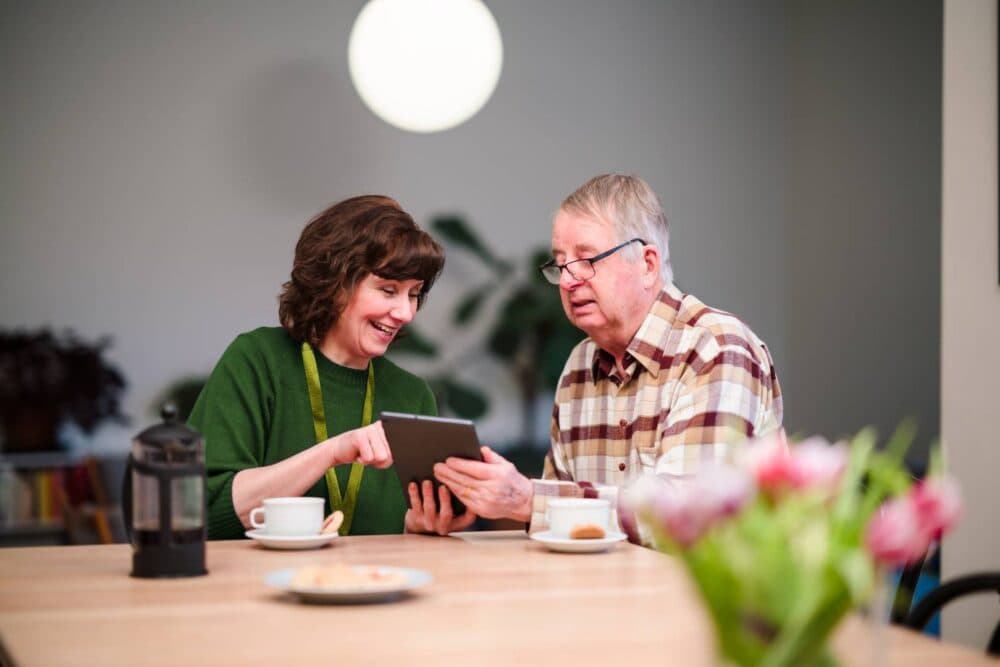
Routine matters after a stroke. When it starts to break down, it is often a sign that your loved one is finding daily tasks harder than they are letting on.
Look out for skipped or missed meals, particularly if the kitchen shows little sign of use. Check whether medication is being taken as prescribed: a blister pack or pill organiser shows at a glance whether doses have been missed. Unopened post or unpaid bills can point to difficulties with concentration, or simply the mental effort that paperwork now requires. Notice whether your loved one is getting dressed in the morning, and whether they are still doing the small things that made up their day before: a short walk, a favourite television programme, a phone call to a friend.
The reason behind many of these changes is post-stroke fatigue, a recognised medical condition that is quite different from ordinary tiredness. It is not something your loved one can push through, and it does not reflect a lack of effort. The Stroke Association has helpful information about managing fatigue after a stroke if you would like to understand it better.
Personal Care and the Home Environment
These signs can feel more uncomfortable to raise, but they are practical and important.
If your loved one appears not to have bathed or changed their clothes for some time, or if their weight seems to be dropping, personal care may be becoming difficult. Stroke can affect movement, coordination and the ability to manage tasks like stepping in and out of a shower safely, and your loved one may not want to admit they are struggling.
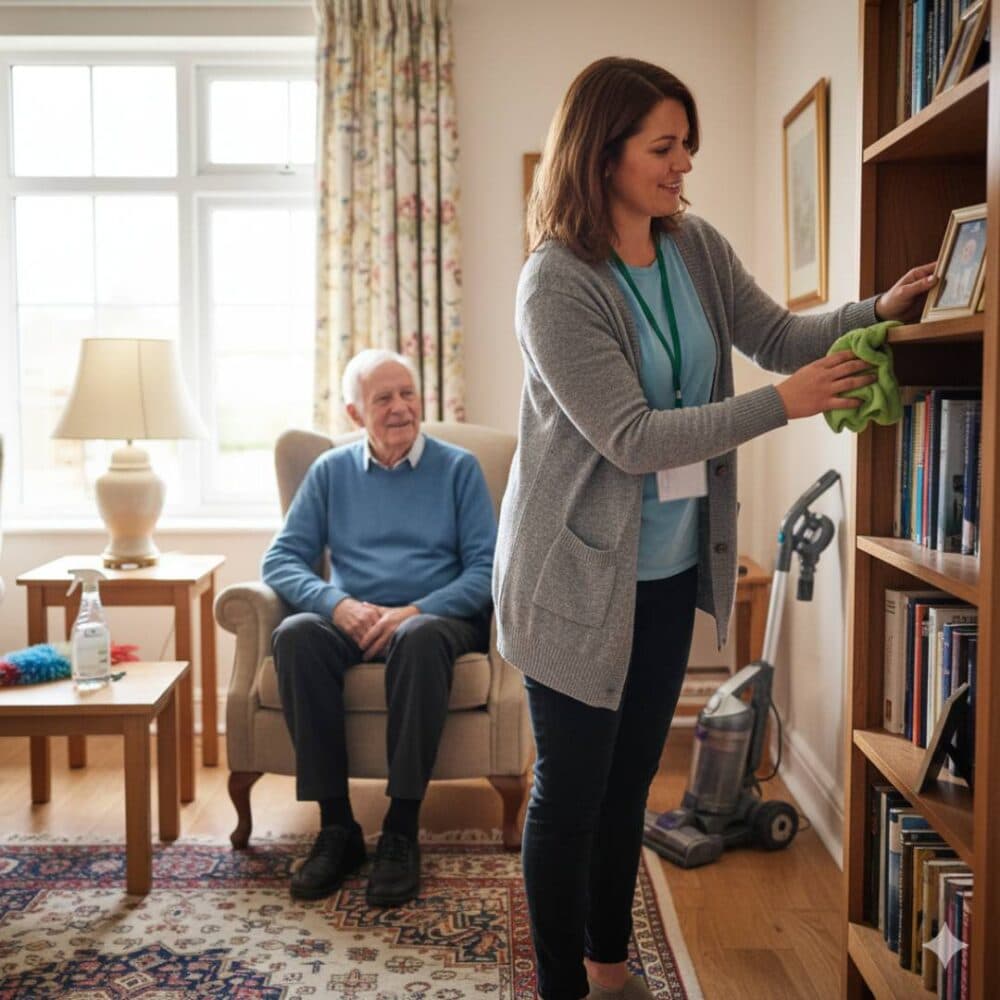
A home that is becoming unusually cluttered, dishes left unwashed, or bins not being emptied can point to the same thing: tasks that once happened without much thought are now taking more than your loved one has to give. Look at the kitchen and the fridge in particular. If there is little fresh food, or food has been left to spoil, your loved one may not be eating as they should.
None of this reflects badly on your loved one or on you. It reflects the real demands of recovery, and the need for more practical, regular help.

Changes in Mood, Memory and Behaviour
Mood changes after a stroke are common, and they do not always appear straight away. You might notice your loved one becoming more withdrawn, reluctant to see people they used to enjoy, or tearful in ways that feel out of character. Anxiety and low mood can both follow a stroke, and they are worth mentioning to the GP rather than waiting to see if they pass.
If you notice changes in memory or thinking, such as getting confused during a familiar conversation, or struggling to follow a sequence of steps like making a cup of tea, speak to the GP. These changes can sometimes be related to vascular dementia, a condition where reduced blood flow to the brain affects thinking and memory. An early assessment means the right support can begin sooner. The NHS stroke recovery pages give a helpful overview of the range of effects a stroke can have.
Your loved one may also be reluctant to tell you they are struggling. Some people do not want to worry their family, or feel that admitting difficulties might lead to decisions being made without them. A quiet, private conversation can sometimes reveal far more than a group visit.
What to Do When You Notice the Signs
You do not need to wait until something goes seriously wrong before acting.
Write down specific examples of what you have noticed before speaking to the GP or stroke team. “She hasn’t been eating properly” is helpful, but “the hob hasn’t been used in a week and the bread is going mouldy” gives the GP something concrete to act on. Ask whether a reassessment by the occupational therapist or stroke team is possible: needs change during recovery, and a reassessment can open the door to additional therapy or practical support.
Contact NHS 111 if you are concerned about a new symptom, such as sudden weakness, a change in speech or a fall. Do not wait to see if it passes. If you are the main source of support for your loved one, ask the GP about a carer’s assessment for yourself. These are offered through local councils and can lead to practical help, guidance or time to rest.
How Home Care Can Help After a Stroke
Professional home care works alongside the NHS stroke team, supporting the routines and goals they have already set. Our After Stroke Care At Home service is designed to help people stay at home safely, with as much independence as possible.
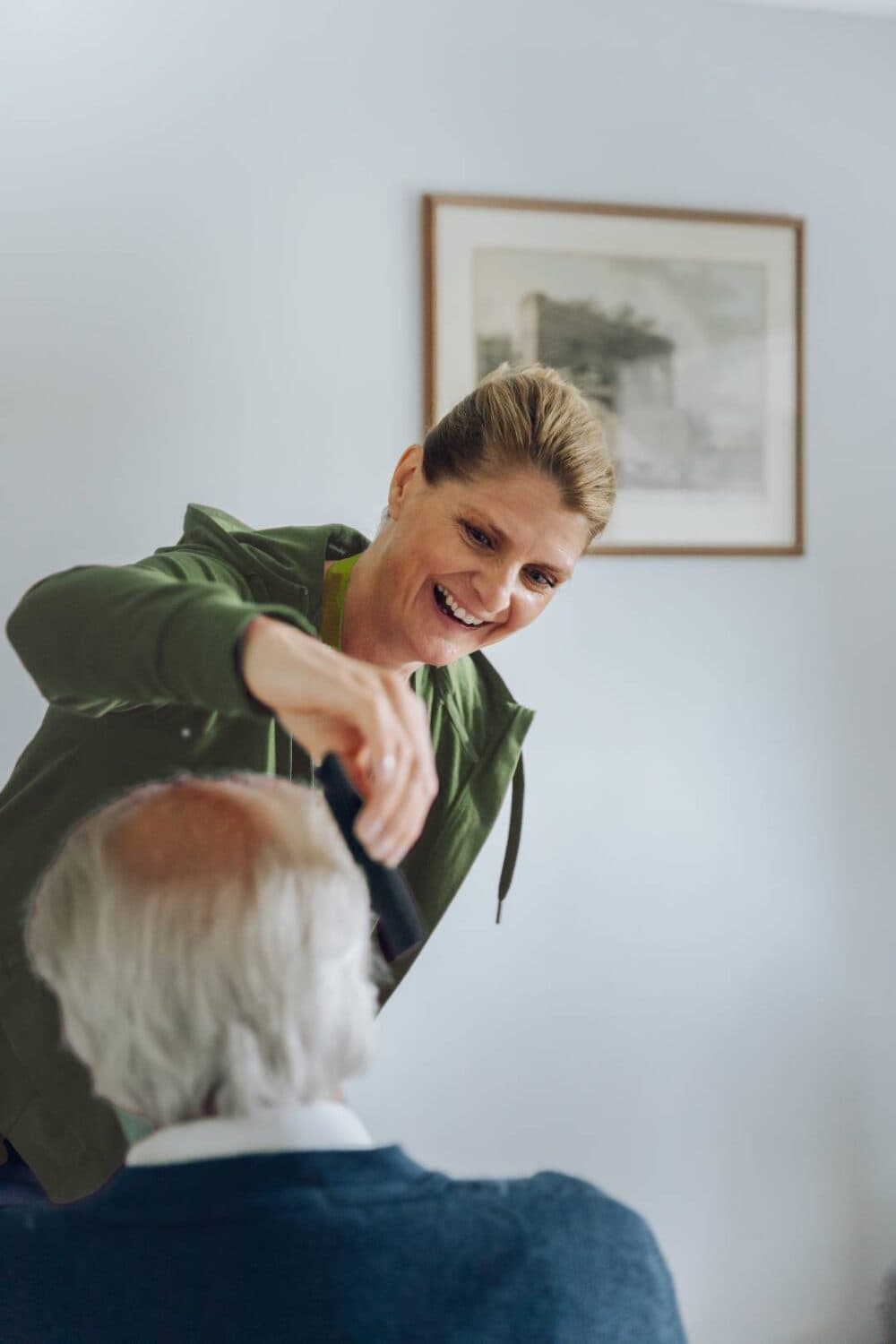
A Care Professional can help with personal care in the morning, prepare meals, support with medication reminders and provide regular company at a time when isolation can quietly take hold. Equally, having someone there consistently means that the kinds of changes described in this post are noticed early and shared with the stroke team when needed. That consistent presence also reassures a loved one who is anxious about being alone.
Home care does not replace what the NHS provides. It supports it, fills the gaps and helps your loved one continue recovering in the place that matters most to them.
Frequently Asked Questions
How do I know if my loved one’s stroke recovery is going well?
Recovery looks different for everyone, and it rarely follows a straight line. You would generally expect to see gradual progress over time, with your loved one managing more of their daily routine and engaging with activities they enjoy. If things seem to be getting harder rather than easier, or if your loved one is becoming more withdrawn, mention it to their GP or stroke team rather than waiting for a routine appointment to come around.
What should I do if I think my loved one is struggling at home after a stroke?
Write down the specific things you have noticed, then speak to the GP or contact the stroke team directly if you have their number. For urgent concerns, call NHS 111. You do not have to wait for a routine appointment: GPs and stroke nurses want to hear from families who are worried, and acting early usually leads to better outcomes.
Can a professional carer help someone recovering from a stroke at home?
Yes. A trained Care Professional can support personal care, meal preparation, medication reminders and daily routine, as well as provide regular company. Home care is designed to work alongside NHS rehabilitation, supporting the goals the stroke team has already set and helping your loved one maintain those gains between therapy sessions.
Talk to Our Team About Support After a Stroke
If you have noticed some of the signs described in this post, or if you are simply wondering whether the support your loved one currently has is still the right fit, we would be glad to have a friendly, no-pressure conversation with you.
Our team at Home Instead South Manchester offers After Stroke Care At Home and would be happy to talk through what support might look like for your loved one and your family.
Call us: 0161 884 0562
Contact us online: homeinstead.co.uk/office/south-manchester
Visit us: 289 Barlow Moor Road, Chorlton, Manchester, M21 7GH

How can we help?
We've helped thousands of families to stay safe, comfortable and happy at home. Whatever situation you're facing, or whatever the question is, Home Instead is here to help.
Are you in need of a little guidance right away?
Other non-care-related enquiries