Staying Connected After a Stroke
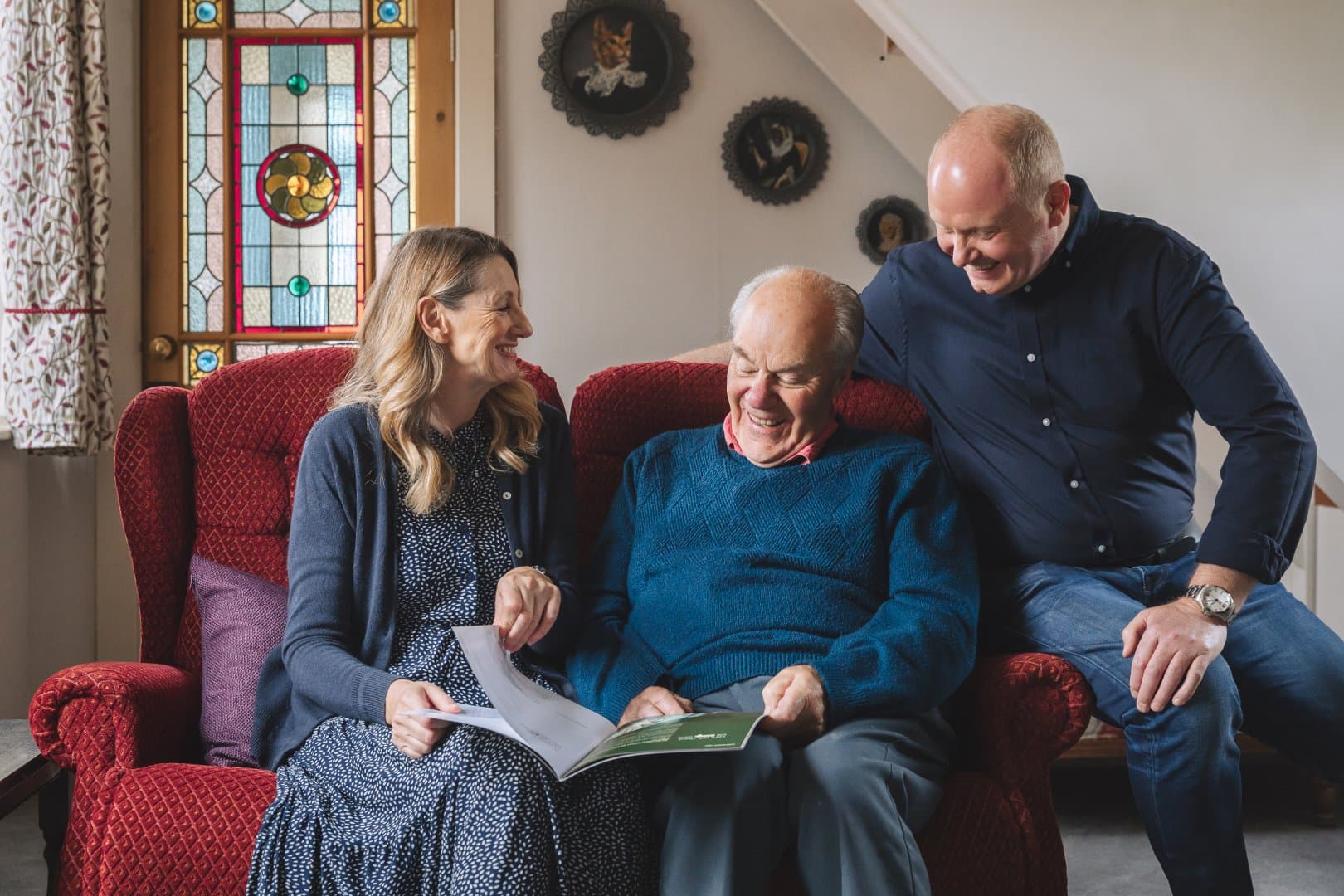
A stroke changes life very suddenly. A lot of the attention in the early weeks goes on physical recovery, which makes sense, but the emotional and social side of things can quietly take a back seat. Staying connected after a stroke matters more than many families realise, and on World Stroke Day, 29 October 2026, it seems a good moment to talk about it.
In this post, you’ll find practical ideas for helping your loved one stay connected to the people and activities that matter to them, some signs that isolation may be building up, and a look at how support at home can help with the parts of recovery that go beyond the physical.
Why Connection Is Part of Recovery, Not a Nice Extra
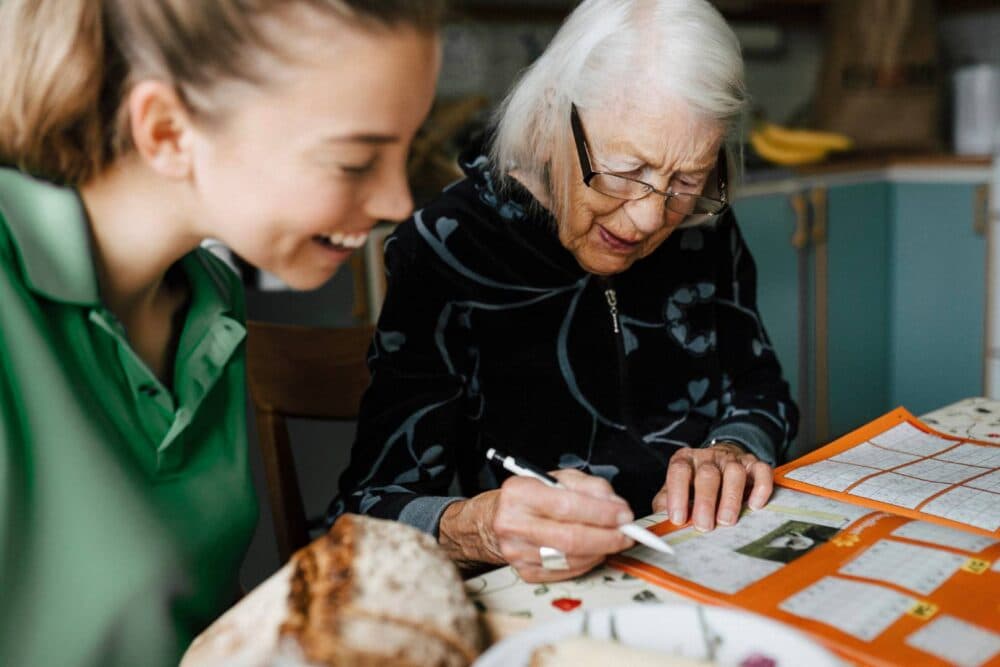
Regular company and familiar activities support wellbeing during recovery as much as practical help does. This isn’t just a reassuring thought. The Stroke Association is clear that social isolation increases the risk of depression and anxiety in stroke survivors, and both of those can slow physical recovery too. The mind and body don’t work independently of each other.
After a stroke, your loved one may be spending far more time at home, sometimes with limited mobility, and often feeling uncertain about themselves. Things that used to come naturally, a phone call to a friend, a trip to a regular club, a walk to the shops, can suddenly feel out of reach. It’s a big adjustment, and it’s easy for weeks to pass with very little meaningful contact with the outside world.
That’s why connection should be part of recovery from the beginning, not something you turn to once everything else is in order.
Signs That Isolation May Be Creeping In
Sometimes withdrawal builds quietly and isn’t obvious until it’s taken hold. These are things worth keeping an eye on:
- They’ve stopped mentioning people they used to talk about regularly.
- Phone calls to friends or family have dropped off, or they don’t answer when others ring.
- They seem less interested in things they used to enjoy, like a weekly television programme, a card game or the garden.
- They say things like “I don’t want to be a bother” or “there’s no point” more often than before.
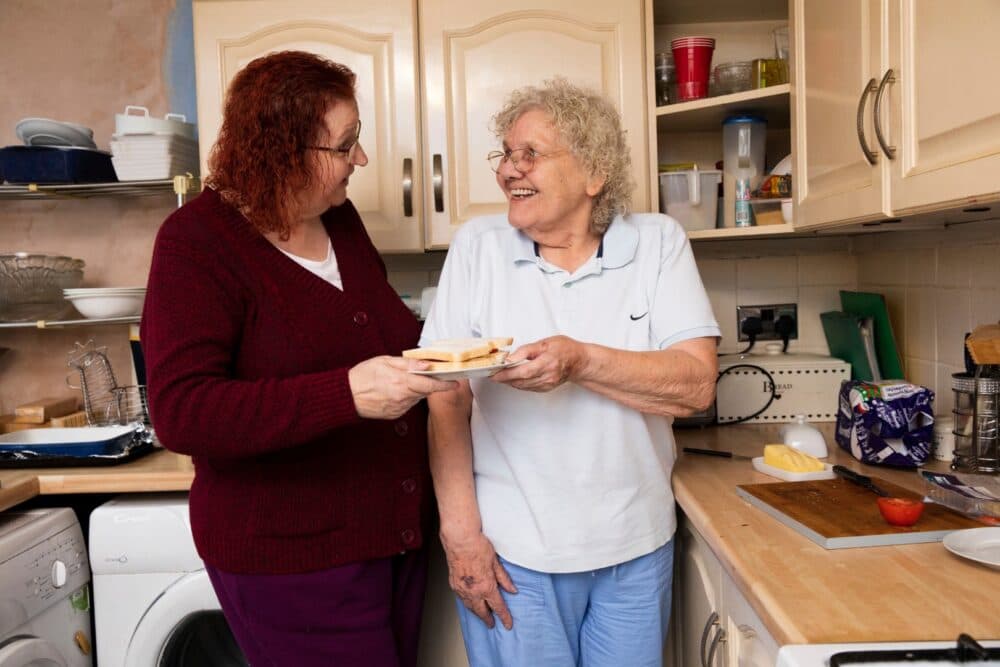
- Mealtimes have become solitary and very quiet.
Low mood and withdrawal after a stroke are extremely common. Sometimes they’re signs of post-stroke depression, a recognised and treatable condition, rather than a general low patch. If you notice a marked change in how your loved one talks or behaves socially, raise it with their GP or stroke nurse. It’s worth saying something rather than putting it down to age or circumstance.
Practical Ways to Help Your Loved One Stay Connected
The ideas here don’t need to be big or complicated. Small, consistent contact does far more good than occasional grand occasions.
Keep contact simple and regular. A daily five-minute call from a familiar voice means more than a once-a-fortnight visit. If your loved one finds speech difficult because of aphasia (problems with language that can follow a stroke), video calls can help because they can see your face and respond with nods, gestures or expressions rather than words alone.
Reconnect with one thing first. Rather than trying to rebuild a full social life all at once, identify the one activity that meant most to your loved one before the stroke. Was it a coffee with the neighbour on a Tuesday morning? A crossword after lunch? A particular radio programme? Rebuilding one familiar thread gives them something to look forward to and feels more manageable than attempting everything at once.
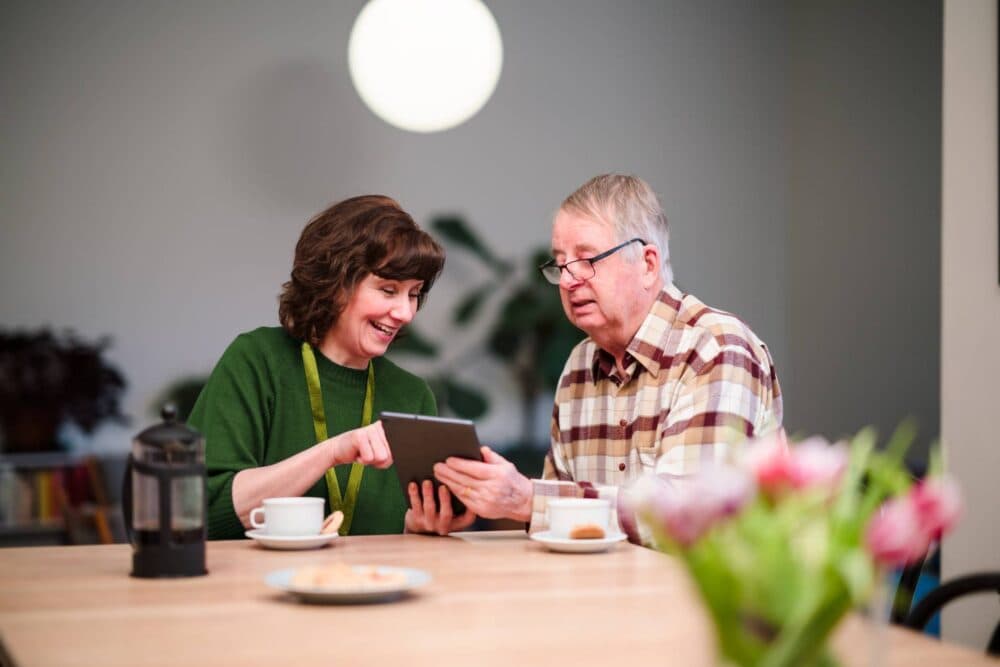
Make contact easier to start. If your loved one struggles with small buttons or finds smartphones confusing, look into simple phones with large keys or tablets set up with video calling on the home screen. The NHS website has guidance on assistive technology that can support independence at home.
Bring visits to them. If getting out is difficult or tiring, ask friends and family to come to the house rather than waiting until your loved one is “well enough” to go to them. Familiar faces in a familiar setting are less exhausting and far less stressful than outings.
Think about stroke-specific groups. The Stroke Association runs local groups and online communities across the UK where people recovering from a stroke can talk to others who understand from the inside. Sometimes that kind of peer connection offers something different from what family and friends can give. You can find details at stroke.org.uk.
Plan visits in advance. People recovering from stroke often experience fatigue, an overwhelming tiredness that doesn’t behave like ordinary tiredness and doesn’t simply lift with rest. Knowing a visit is planned for Thursday afternoon gives your loved one something to look forward to and means they can pace their energy on that day rather than being caught off guard.
Familiar Routines Do Quiet, Important Work
Familiar routines ground a person in who they are, not just who they’ve become since the stroke. If your dad always had the newspaper with his morning tea, keep that habit going even if he needs a bit of help reading it now. If your mum liked the radio on while she moved about the kitchen, make sure it’s still on. These small continuities matter.
Think about what your loved one did to feel connected before the stroke, whether that was helping with the grandchildren, keeping up with a favourite show, or tending to a windowsill of plants, and look for ways to bring versions of those things back into daily life. They don’t need to look exactly as they did before. A scaled-back, adapted version of something loved is still that thing.
Recovery after a stroke is honest work. It doesn’t follow a straight line, and what progress looks like can vary from one week to the next. But staying connected to life, to people and to small pleasures, is part of what makes that work feel worth doing.
How Home Care Can Support Staying Connected After a Stroke
After stroke care at home isn’t only about help with washing, dressing or meals, though those things matter enormously. It’s also about companionship and consistency.
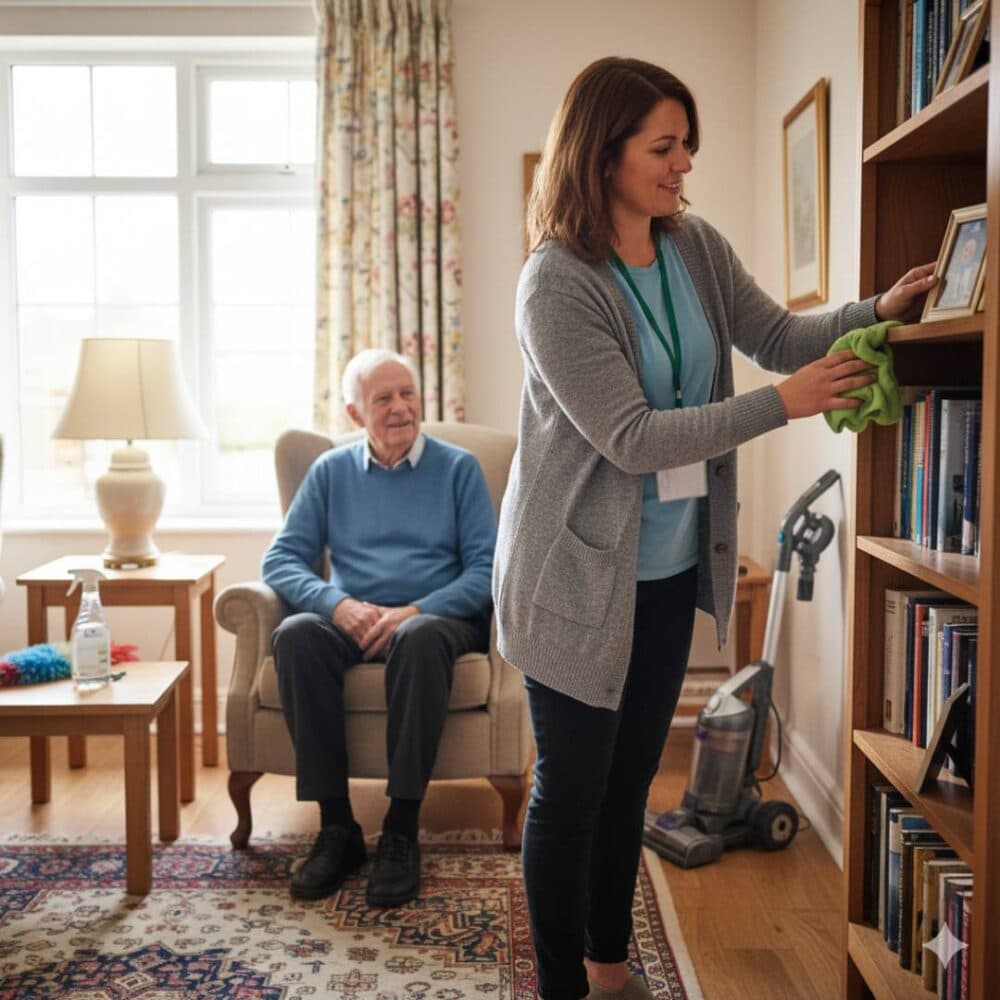
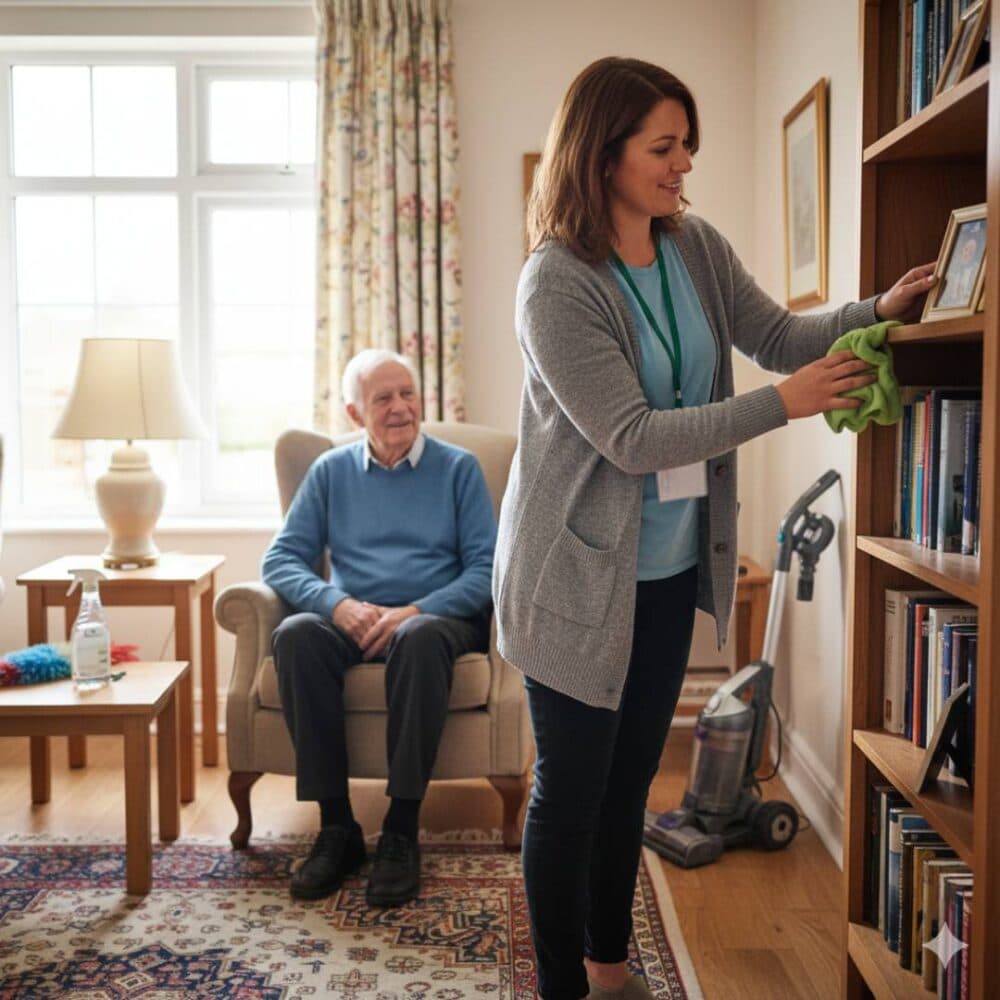
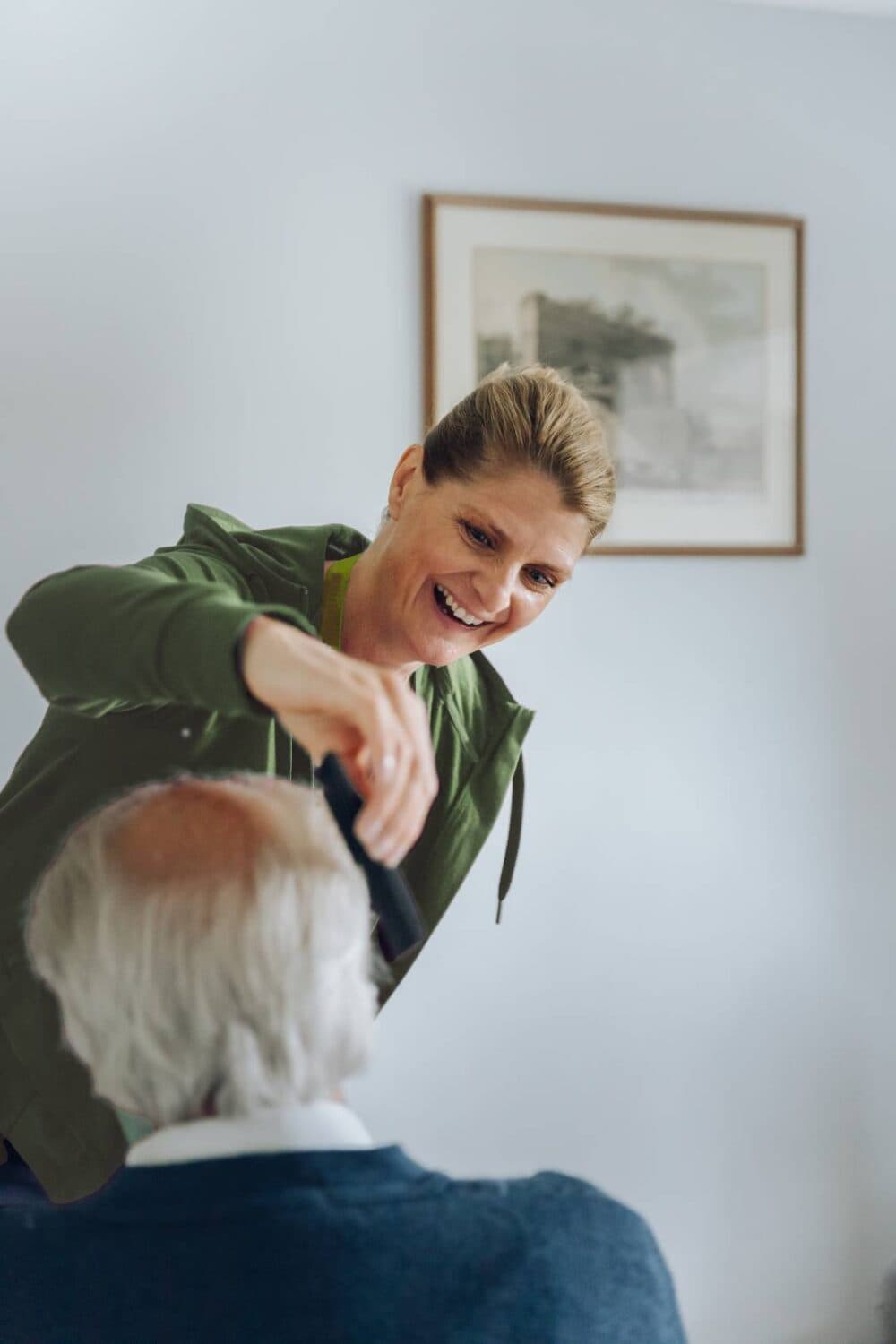
A Care Professional visiting regularly becomes a familiar face. Someone to talk to, someone who notices when things seem a bit flat, and someone who can help your loved one do the things they want to do. That might mean sitting together to watch a programme they’ve always enjoyed, helping them send a message to an old friend, or encouraging a short walk outside when the day allows. Those moments of ordinary life add up.
Care Professionals can also help with the practical side of staying connected: setting up a video call, reading out messages if technology is a barrier, or simply providing company at a time of day that might otherwise be very quiet.
This kind of support works alongside the NHS stroke team and any therapy your loved one is receiving, not instead of it. It fills in the gaps that clinical care can’t cover, and it means your loved one isn’t spending long stretches of the day alone.
Frequently Asked Questions
How does social isolation affect recovery after a stroke?
Isolation can increase the risk of depression and anxiety after a stroke, both of which can slow physical recovery as well as emotional recovery. Regular contact with familiar people, even in short and simple forms, helps maintain mood and motivation. If you’re concerned about your loved one becoming withdrawn, it’s worth raising it with their GP or stroke nurse.
What can I do if my loved one finds it hard to communicate after a stroke?
Communication difficulties, known as aphasia, are common after a stroke and can make social contact feel daunting. Simple adjustments help: give plenty of time for your loved one to respond, ask one question at a time, and use facial expressions and gestures alongside words. The Stroke Association has practical resources on supporting someone with aphasia at stroke.org.uk.
Is it normal for a stroke survivor to pull away from people?
Yes, it’s very common. Low mood, fatigue and a loss of confidence can all make socialising feel like too much effort, and it doesn’t mean your loved one doesn’t value their relationships. Gentle encouragement tends to work better than pressure. If withdrawal is significant or persistent, speak to their GP, as it may be a sign of post-stroke depression, which is treatable.
Talk to Home Instead South Lanarkshire
If you’re supporting a loved one at home after a stroke and would like to talk about how we might be able to help, we’d be glad to have a friendly, no-pressure conversation. Our team at Home Instead South Lanarkshire understands how much recovery involves, and we’re here to support with the practical and the personal.
You can reach us on 01555 666474, visit our contact page at homeinstead.co.uk/office/south-lanarkshire, or come and see us at 7 St Leonard Street, Lanark, South Lanarkshire, ML11 7AB.
How can we help?
We've helped thousands of families to stay safe, comfortable and happy at home. Whatever situation you're facing, or whatever the question is, Home Instead is here to help.
Are you in need of a little guidance right away?
Other non-care-related enquiries