How to Reduce the Risk of Another Stroke
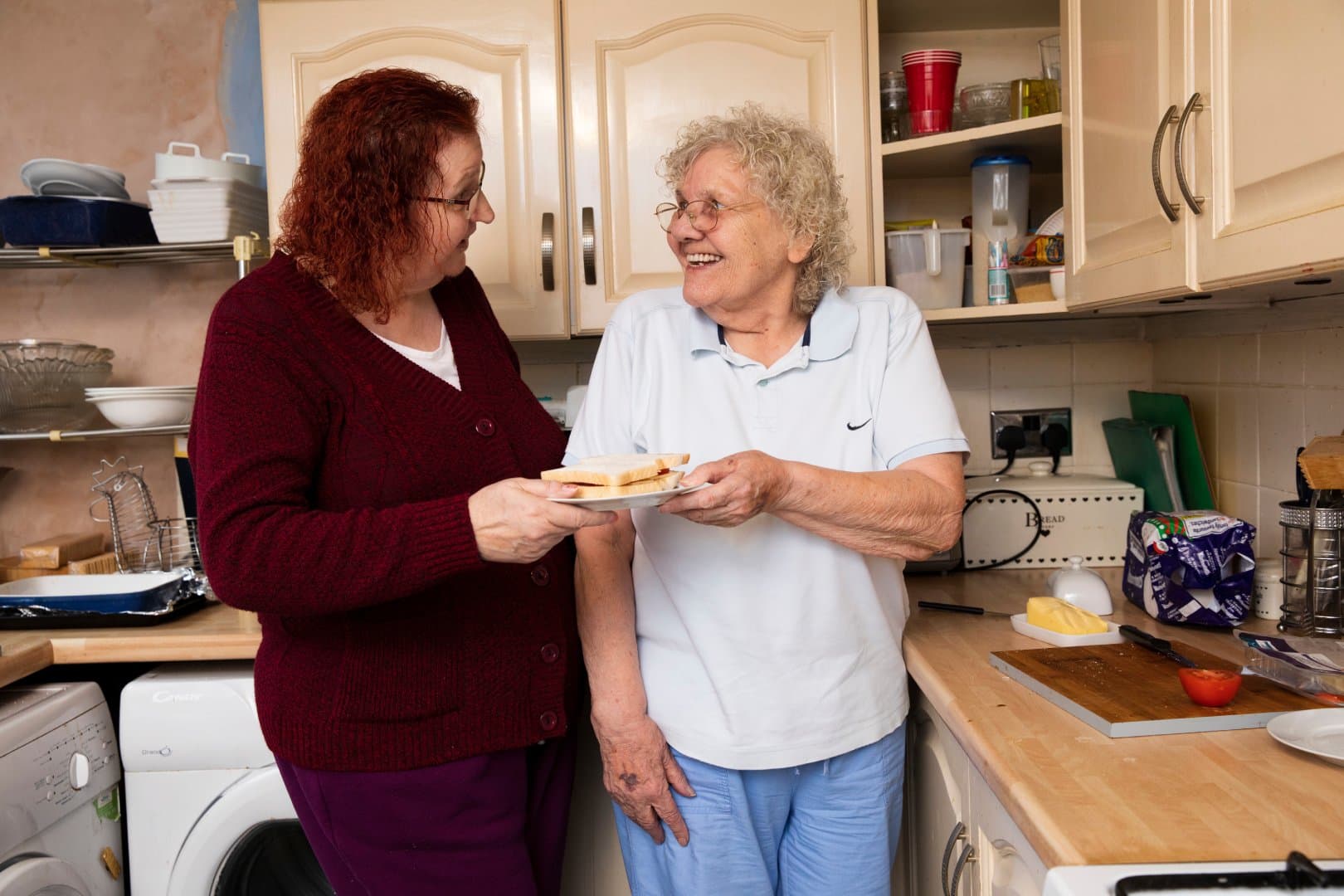
Reducing the risk of another stroke is one of the things families think about most once a loved one is home and recovering. It is a completely understandable concern, and it is one worth taking seriously. World Stroke Day falls on 29 October 2026, and this year we wanted to write about something practical: not just what stroke is, but what families can actually do to help protect a loved one from having another one.
In this post, we cover the main risk factors to understand, the daily habits that make a real difference, and how to support your loved one with medication and follow-up care. We also look at where home care fits in, working alongside the GP and stroke team, not replacing them.
Why The Risk of Another Stroke is Higher (and what that means in practice)
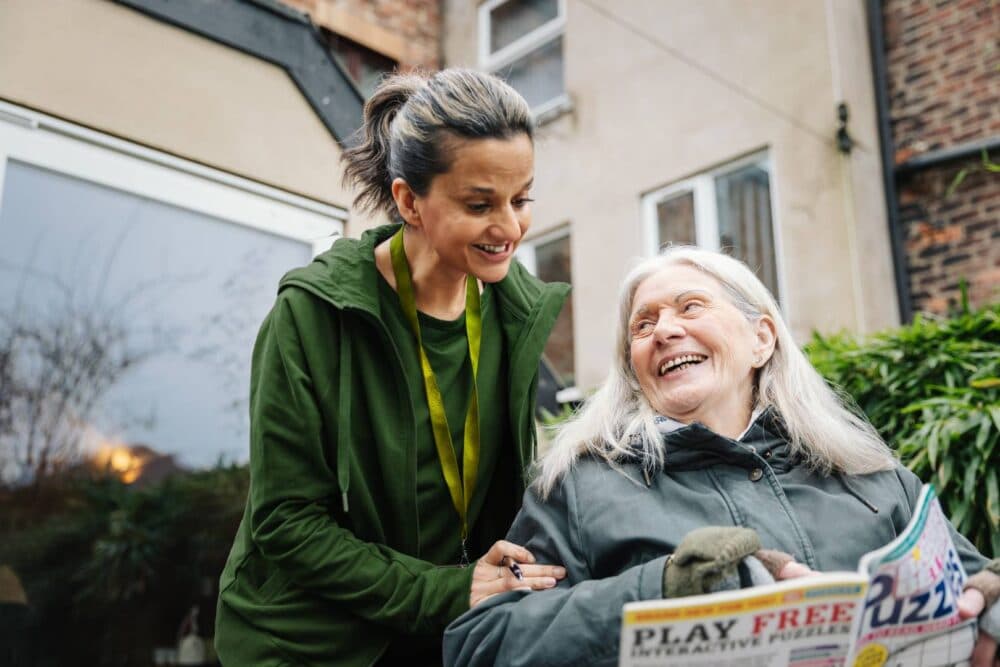
After a first stroke, the risk of having another is genuinely elevated, particularly in the first year. That is not said to frighten you; it is said because knowing it means you and your loved one can take the right steps. Taking medication as prescribed and attending every follow-up appointment are two of the most important things you can do to reduce that risk. Your loved one’s GP and stroke team are there to support this, and your job as a family member is to help make it as easy as possible to follow their advice consistently.
A second stroke is not inevitable. Many of the risk factors that contributed to the first one are manageable with steady, practical attention.
The Main Risk Factors to Know About
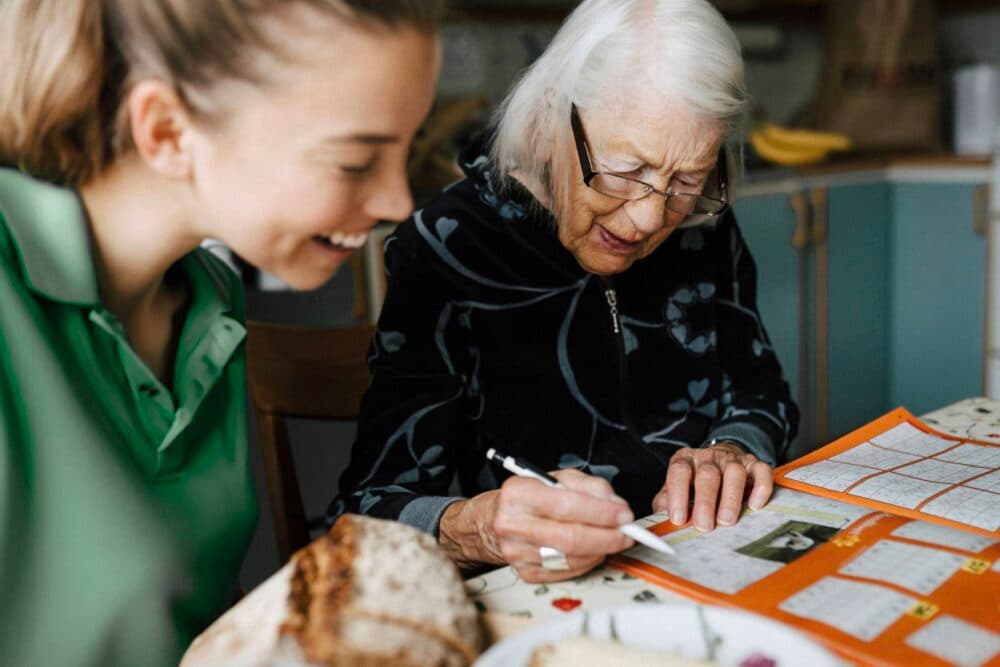
Strokes happen when the blood supply to part of the brain is interrupted, either by a clot blocking a vessel or a bleed within the brain. Several health conditions make that more likely to happen again.
High blood pressure (hypertension) is the single biggest risk factor. According to the Stroke Association, it is linked to around half of all strokes, and it rarely causes any obvious symptoms, which is why regular checks matter so much.
Other common risk factors include atrial fibrillation (an irregular heartbeat that increases the chance of clots forming), high cholesterol, and type 2 diabetes. If your loved one has been diagnosed with any of these, they will likely have been prescribed medication to manage them. That medication is doing a specific job in reducing stroke risk, even when your loved one feels perfectly well.
Smoking and alcohol are also factors worth discussing with the GP. If either applies, the stroke team can point to practical support rather than just advice.
Ask the GP or stroke nurse which risk factors are most relevant to your loved one’s situation. Not all of them will apply, and knowing which ones to focus on makes it easier to prioritise.
Medication: The Daily Step That Makes The Biggest Difference
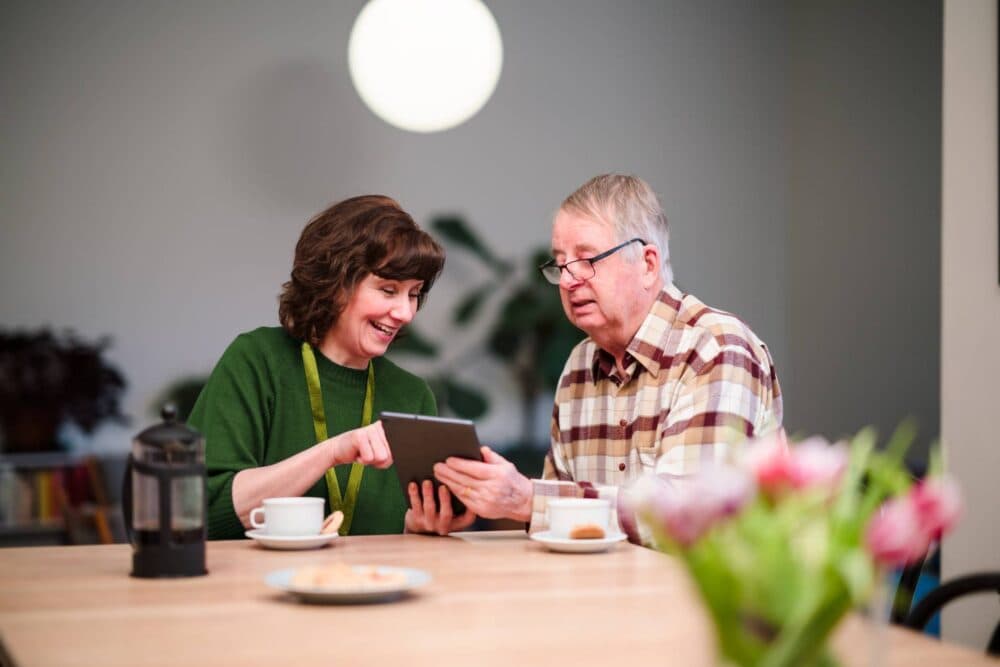
One of the most effective things families can do is support consistent medication-taking. After a stroke, most people are prescribed at least one of the following: blood thinners (anticoagulants) to prevent clots, blood pressure medication, or cholesterol-lowering drugs (statins). Each one has a role in reducing the likelihood of another stroke, and missing doses, even now and then, can reduce how well they work.
A few things that genuinely help:
- Put a weekly pill organiser somewhere visible and routine, next to the kettle or on the breakfast table, so it becomes part of the morning without having to think about it.
- Set a daily phone alarm, or stick a simple reminder chart on the fridge.
- Ask the pharmacist about a monitored dosage system (sometimes called a blister pack), which comes pre-sorted into daily compartments and removes the guesswork.
- If your loved one is unsure what a medication does, or is worried about a side effect, encourage them to speak to the pharmacist rather than stopping it. The pharmacist can explain clearly and contact the GP if needed.
Do not suggest changes to medication without advice from the GP or stroke team first.
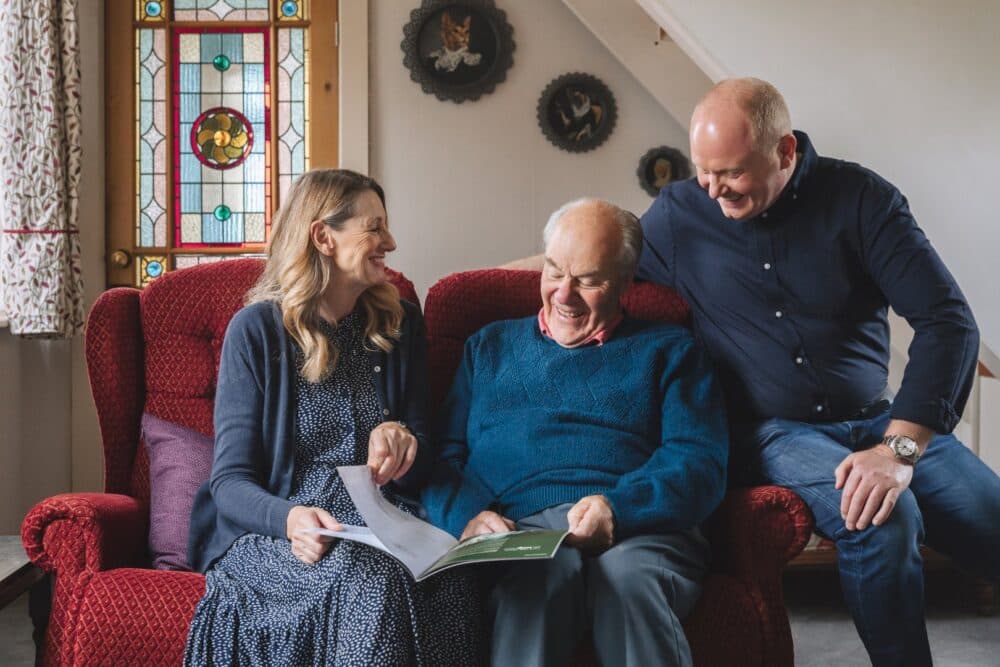
Lifestyle Habits That Support Stroke Prevention
Medication works best when it is supported by day-to-day habits. Small, sustainable changes are far more useful than large ones that are hard to keep going.
Blood pressure and movement: Regular gentle activity helps keep blood pressure down. A short walk each day, even around the garden, makes a difference over time. Always follow the guidance of the physiotherapist, particularly in the earlier months of recovery.
Food and salt: A diet with more vegetables, fruit, wholegrains and oily fish, and less salt, saturated fat and processed food, supports vascular health. Salt is particularly worth reducing because it raises blood pressure directly. One practical way to start: remove the salt shaker from the table, swap white bread for wholegrain, or add an extra portion of vegetables to the evening meal. One change at a time is easier to stick to than overhauling everything at once.
Monitoring at home: Many pharmacies offer free blood pressure checks, and home monitors are widely available and straightforward to use. If your loved one has been advised to check their blood pressure at home, help them log the readings in a notebook or simple app to share at their next appointment. Numbers that seem normal to you may be meaningful to the GP in context.
Sleep and mood: Both affect blood pressure and overall health. If your loved one is sleeping poorly or feeling anxious after their stroke (which is very common), mention it to the GP. There is often something that can help, and it is worth raising rather than putting to one side.
The NHS stroke prevention page has clear, reliable information on all of the above if you want to read further.
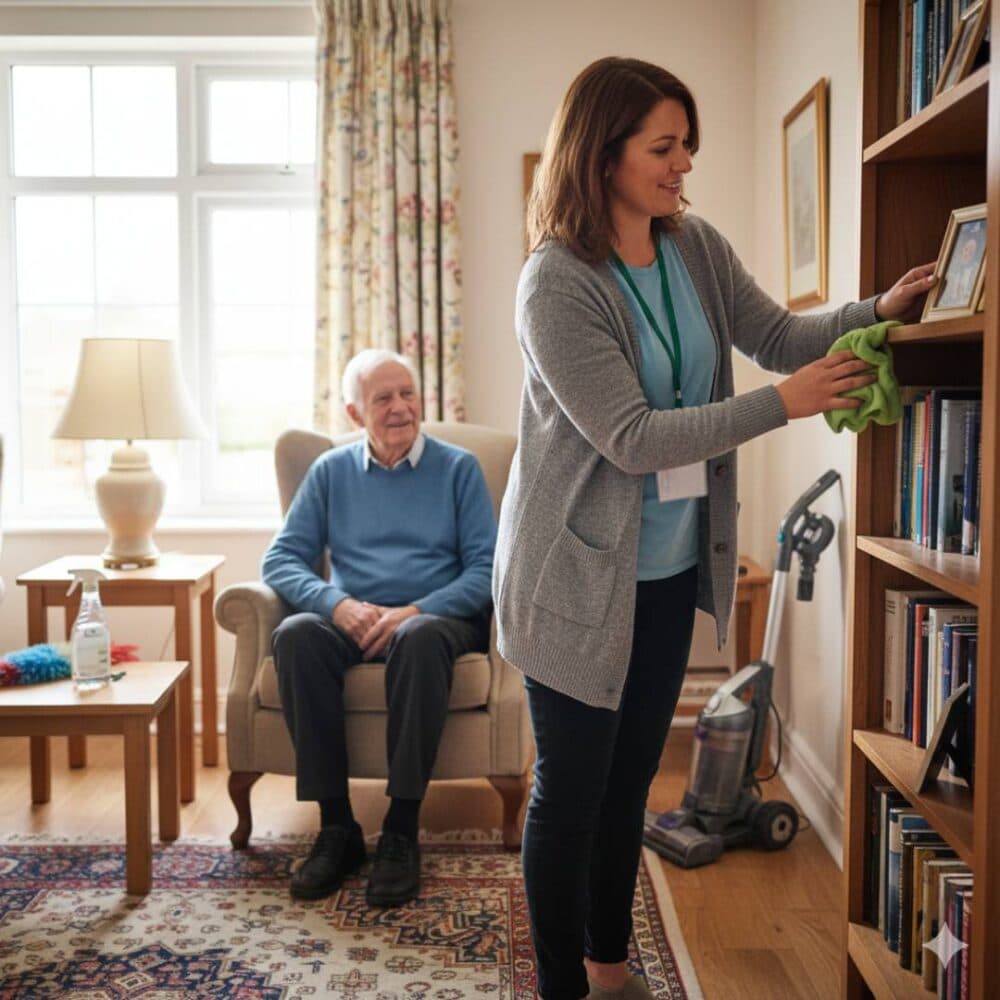
Supporting Your Loved One with Follow-up Appointments
Follow-up appointments with the GP, stroke team or consultant are an important part of longer-term stroke prevention. It helps to go into these with a short list: any changes in mood, memory or sleep; blood pressure readings if you have been keeping them; any questions about medication; or concerns you have noticed at home.
If getting to appointments is difficult, ask the GP surgery whether telephone or video appointments are possible for some of them. Many surgeries now offer this as a standard option.
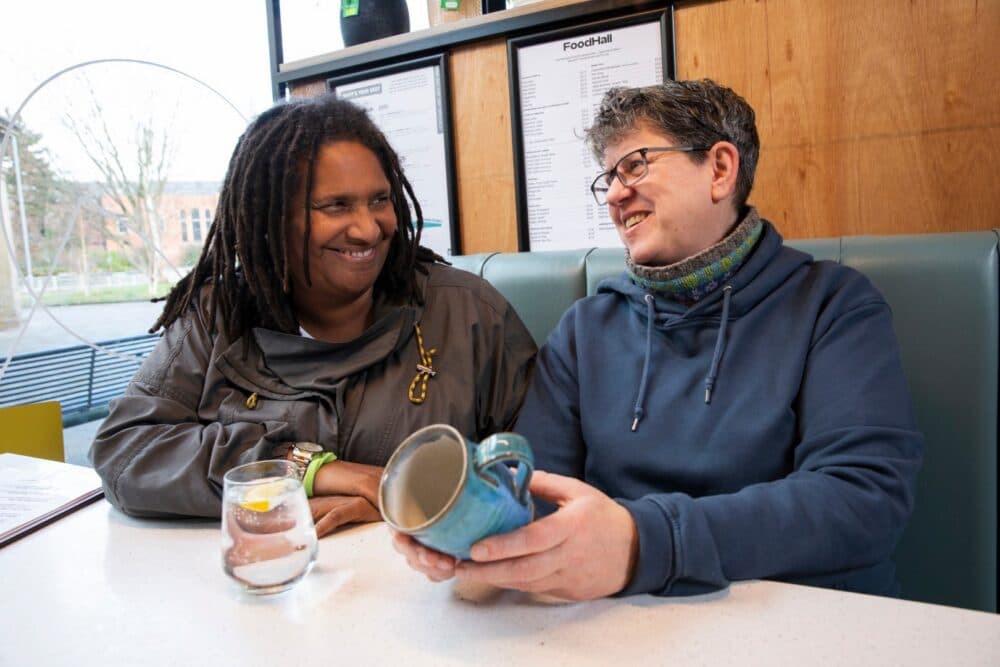
How After Stroke Care at Home Can Help with This
Consistency is at the heart of stroke prevention, and consistency is exactly what becomes harder when fatigue, reduced mobility or low mood are part of daily life after a stroke. These are common, and they are not a sign of weakness or lack of effort. They are part of what stroke recovery involves.
Our Care Professionals support clients to keep the daily routines that matter most: prompting medication at the right time, preparing nutritious meals, encouraging gentle movement and providing regular company that supports both mood and motivation. They work alongside the NHS stroke team and GP, keeping families informed between appointments so that changes in health or wellbeing are noticed and shared promptly.
After stroke care at home is not about taking over. It is about making the right habits easier to maintain, day after day.

Frequently Asked Questions
How likely is a second stroke after a first one?
The risk is higher after a first stroke, particularly in the first year, but it varies depending on the individual, their health conditions and how well risk factors are managed. Your loved one’s GP or stroke team can give you a realistic picture of their personal risk and what the priorities are.
What is the most important thing families can do to prevent another stroke?
Supporting consistent medication-taking is one of the most practical steps you can take. Alongside that, helping your loved one attend follow-up appointments, eat reasonably well and move gently each day all contribute. You do not need to make dramatic changes at once. Small, steady habits, kept up over time, are what make the real difference.
When should I call for help if I am worried?
If your loved one shows any of the FAST signs (Face drooping on one side, Arms they cannot raise or hold up, Speech that is slurred or confused, Time to call 999 straight away), do not wait. Call 999 immediately. For anything else you are unsure about, NHS 111 is available around the clock and can advise you on next steps.
Talk To Us About After Stroke Care at Home
If your loved one is recovering from a stroke at home and you would like to talk through how regular, consistent support might help, our team at Home Instead Hamilton is happy to have a friendly, no-pressure conversation.
You can call us on 01698 532002 or visit our contact page at https://www.homeinstead.co.uk/office/south-lanarkshire-hamilton/
Our office is at Willow House, Kestrel View, Strathclyde Business Park, Bellshill, South Lanarkshire, ML4 3PB.
How can we help?
We've helped thousands of families to stay safe, comfortable and happy at home. Whatever situation you're facing, or whatever the question is, Home Instead is here to help.
Are you in need of a little guidance right away?
Other non-care-related enquiries