Life and Memory Care After a Stroke
Understanding Vascular Dementia After a Stroke
Memory and thinking changes after a stroke are more common than many families expect, and they are often more important to act on than people realise. This World Stroke Day, 29 October 2026, we are focusing on vascular dementia after stroke: what it is, how it shows up in everyday life, and what families can do to support a loved one who is experiencing it.
In this post, you will find guidance on the early signs to look out for, how a diagnosis comes about, six practical steps to make daily life steadier at home, and when and how to ask for help. We also cover how home care can work alongside the NHS stroke team during this period.
What Is Vascular Dementia After a Stroke?
Vascular dementia is the second most common form of dementia in the UK. It develops when reduced blood supply damages parts of the brain, and a stroke is one of the most direct ways that can happen. During a stroke, brain cells are starved of oxygen, and some are permanently affected. Depending on which area of the brain is involved, this can change how a person remembers things, concentrates, organises their day or processes new information.
Not everyone who has a stroke will go on to develop vascular dementia, and changes do not always appear immediately. Some people notice differences in thinking within weeks; for others, changes develop gradually over months.
If you notice changes in memory or thinking after a stroke, speak to the GP. Early support makes a difference.
One helpful thing to understand about vascular dementia is that it often progresses in noticeable steps, rather than as a gradual decline. A person may manage steadily for a period and then show a clearer change, sometimes after another small stroke or a bout of illness. Knowing this pattern helps families make sense of what they are seeing, rather than being caught off guard when something shifts.
What Signs Should Families Look Out For?
The signs of vascular dementia after a stroke can overlap with the general effects of recovery, which makes them easy to miss. Knowing what to look for specifically helps.
Changes you might notice include: difficulty remembering recent events, appointments or conversations, while older memories stay clearer; slowed thinking, where it simply takes longer to process a question or work out the next step; trouble concentrating on tasks involving several stages, such as making a cup of tea or following a recipe; confusion about dates or familiar surroundings; mood shifts, including low mood or sudden irritability that feel out of character; and difficulty finding a specific word. This last sign is worth distinguishing from aphasia (difficulty with speech or language caused directly by the stroke), which is a separate issue managed by the speech and language therapy team.
If you notice any of these changes, keep a brief written record. Jot down the date, what you observed and roughly how often it is happening. A few weeks of simple notes gives the GP a far clearer picture than trying to recall everything during a short appointment.
How Is Vascular Dementia Diagnosed, and What Happens Next?
A GP will usually begin with a conversation and a short assessment of memory and thinking. They may then refer your loved one to a memory clinic or, depending on the stroke history, back to the stroke specialist team. A brain scan can show the areas where blood supply has been disrupted and add to the clinical picture.
A diagnosis does not mean everything changes overnight. Many people live well at home for a considerable time, particularly with the right support around them. A diagnosis also opens the door to practical help: a social care assessment, occupational therapy input, and where appropriate, medication to help manage blood pressure and reduce the risk of further damage.
If the waiting list for the memory clinic is long, ask the GP what can be done in the meantime. Organisations such as the Alzheimer’s Society offer information and can help you connect with further support while you wait.

Six Practical Ways to Support Your Loved One at Home
These steps will not stop vascular dementia from progressing, but they can make daily life considerably easier and more confident for your loved one.
Keep routines consistent. The brain manages better when it does not have to process too many new decisions. Try to keep mealtimes, medication, and morning and evening routines at roughly the same time each day. This is not about rigidity; it is about reducing the mental load.
Simplify the home environment. Return objects to the same place every time: keys, glasses, medication. Label cupboard doors with a clear word or a simple picture if it helps. Reducing clutter on surfaces means less to process, and less confusion when looking for something.
Break tasks into one step at a time. Rather than saying “get dressed and come down for breakfast,” say “let’s find your jumper first.” Single, short instructions are much easier to follow when concentration and processing speed have been affected by a stroke.
Use a visible calendar or whiteboard. A large-print wall calendar or a simple whiteboard showing today’s date and what is happening can reduce anxiety about time and routine. Going through it together at the start of each morning builds a settled beginning to the day.
Support blood pressure management. Keeping blood pressure well controlled is one of the most effective ways to slow further damage to the brain. A pill organiser makes it easier to take medication at the right time, and regular check-ups matter. The NHS has clear, practical information about what this involves.
Build your own understanding. The Stroke Association has straightforward guidance on cognitive changes after stroke. The more clearly you understand what is happening and why, the better placed you are to support your loved one without feeling out of your depth.

Being Honest About What Recovery Looks Like
We want to be straight with you here. Vascular dementia may progress over time, and life after a stroke is not always predictable. Some people remain stable for long periods; others experience further changes after a new stroke or another significant health event. Living with that uncertainty is genuinely hard, and it is worth saying so.
What is also true is that consistent, thoughtful support at home makes a real difference to how well someone lives with these changes. Staying connected to familiar routines, having company and purpose in the day, and being encouraged to do what they can for themselves: these things support wellbeing in ways that matter. None of that is a promise of a specific outcome. But it is a realistic reason to hold onto hope.

How Home Care Can Help After a Stroke with Memory Changes
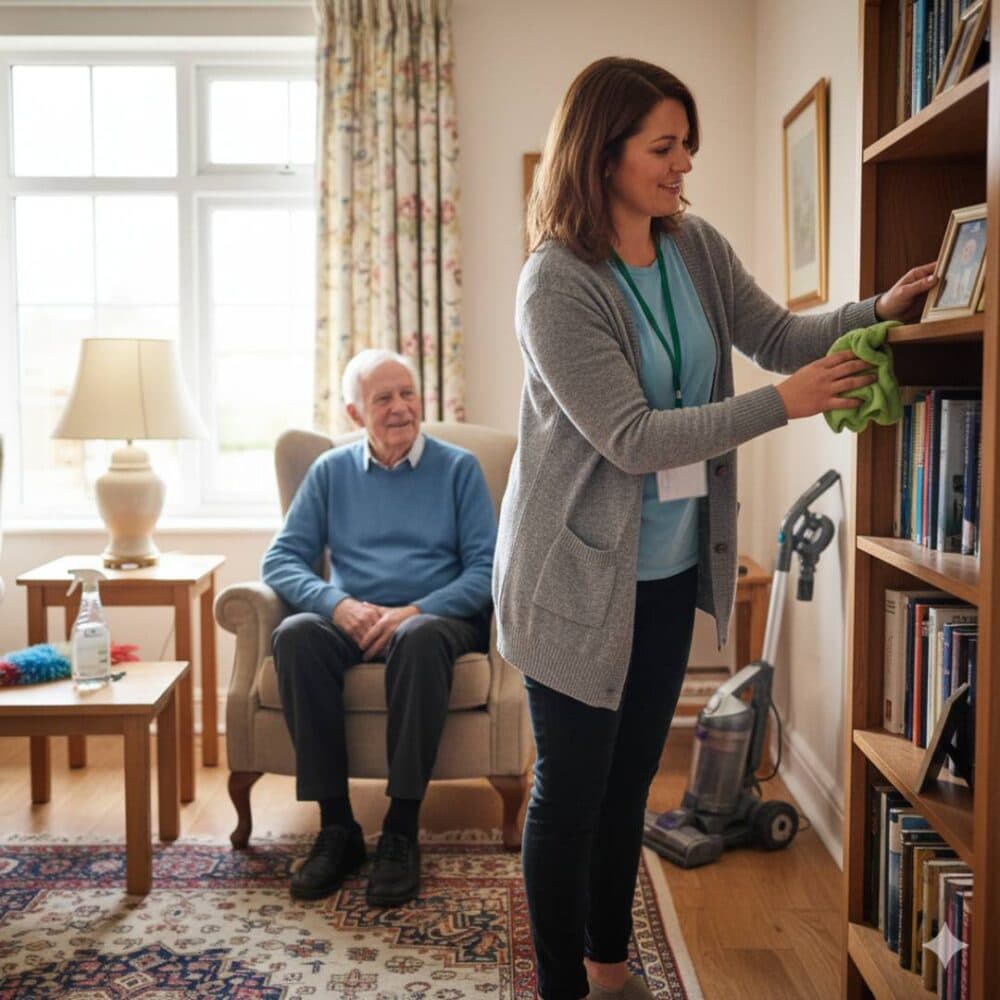
When someone is recovering from a stroke and also managing memory and thinking changes, the practical demands on family members can grow quickly. Our Care Professionals provide steady, consistent support at home, working alongside the goals set by the NHS stroke team.
Our After Stroke Care At Home service includes support with personal care, medication prompts, meal preparation and daily routines, with the same Care Professionals visiting wherever possible. Consistency matters when memory is affected: a familiar face and a predictable pattern to the day can reduce confusion and help your loved one feel more settled over time.
Our team is also well placed to notice changes and share concerns with family members or, with appropriate permission, with the wider care team. If you are not yet sure whether more support would help, we are always happy to talk it through before you commit to anything.
Frequently Asked Questions
Can a stroke cause memory loss and dementia?
Yes. A stroke can damage areas of the brain responsible for memory, concentration and reasoning, and this can result in vascular dementia. Not everyone who has a stroke will develop dementia, but the risk is significant enough to take seriously. If you notice memory or thinking changes after a stroke, speak to the GP as soon as you can rather than waiting to see if things improve on their own.
What is the difference between vascular dementia and Alzheimer’s disease?
Vascular dementia is caused by reduced blood supply to the brain, often following a stroke or a series of small strokes. Alzheimer’s disease is caused by protein deposits that gradually damage brain cells. The two conditions can occur together. Vascular dementia often progresses in noticeable steps, while Alzheimer’s usually involves a steadier, more gradual decline. A specialist can help clarify which is most likely based on your loved one’s history and assessment.
When should I mention memory changes to the GP after a stroke?
As soon as you notice them. There is nothing to be lost by raising it early, and early assessment means earlier access to support. Memory and thinking changes after a stroke are not simply an expected part of getting older; they deserve proper attention. If you are unsure whether what you are seeing is significant, call NHS 111 for guidance. A brief written record of what you have noticed will help the GP considerably when you do make that appointment.
Talk to Our Team
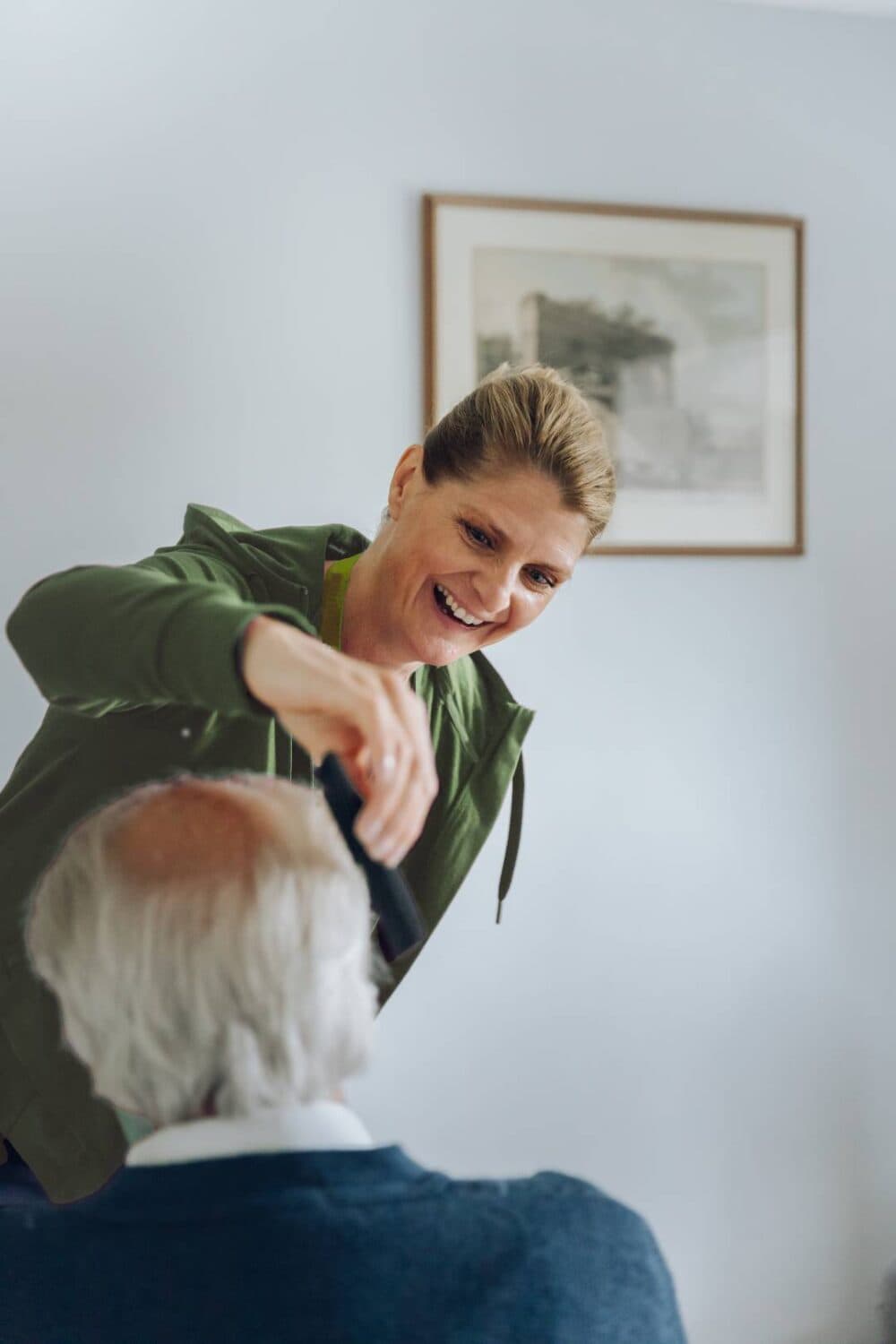
If your loved one is recovering from a stroke and you are noticing changes that concern you, or if you simply want to find out more about the support available at home, we would love to hear from you. The team at Home Instead Redbridge & Walthamstow is here for a friendly, no-pressure conversation.
Call us: 020 801 620 69
Visit our website: homeinstead.co.uk/office/redbridge-walthamstow
Find us at: Higham Hill Business Centre, 313 Billet Road, Walthamstow, Greater London, E17 5PX

How can we help?
We've helped thousands of families to stay safe, comfortable and happy at home. Whatever situation you're facing, or whatever the question is, Home Instead is here to help.
Are you in need of a little guidance right away?
Other non-care-related enquiries