Caring for a Parent After a Stroke While Working
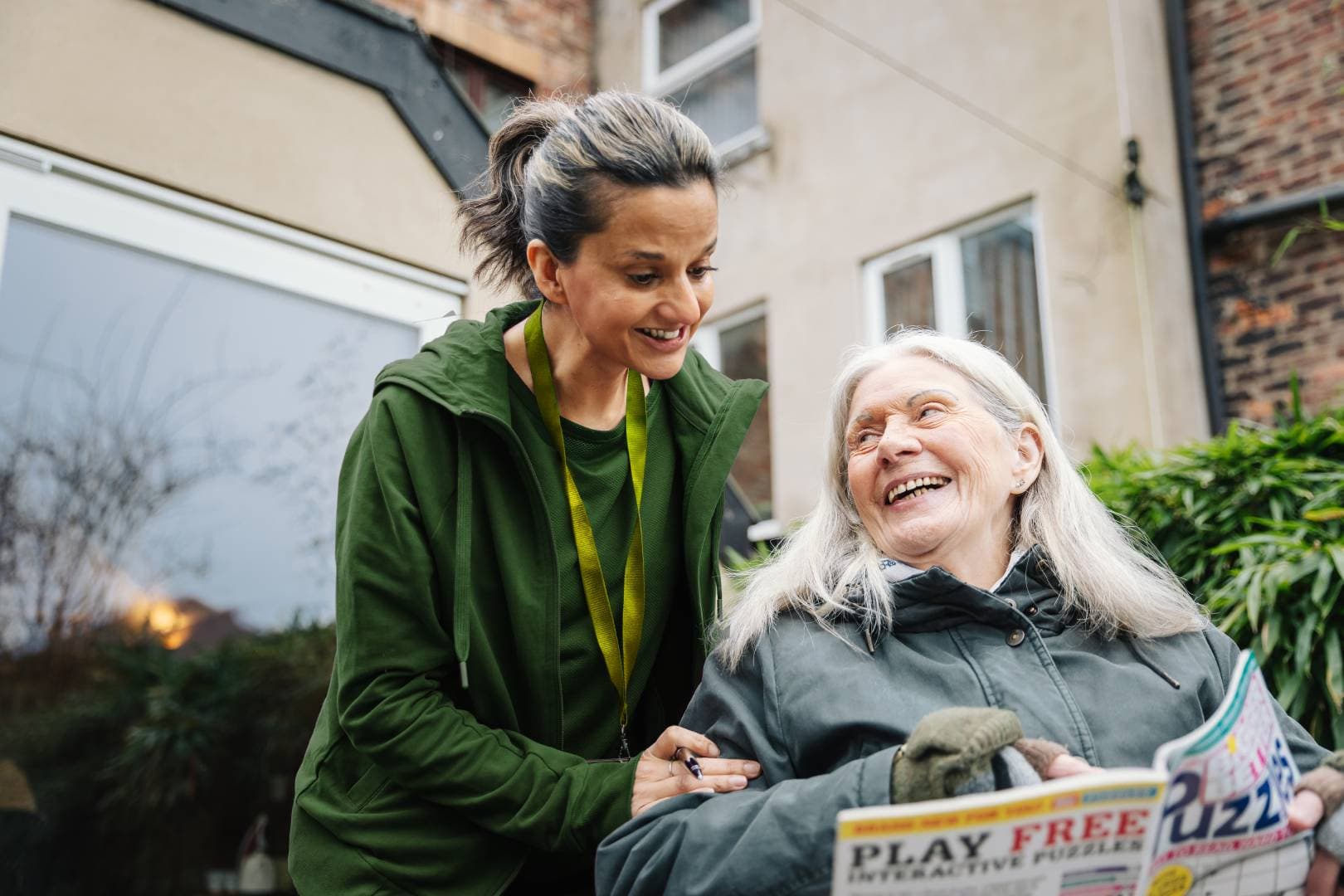
Caring for a parent after a stroke, while working yourself, is something many families find themselves doing with very little warning or preparation. One day life is normal; the next, you are managing hospital visits, recovery routines and a job at the same time, often without a clear idea of how long that will last or what your parent actually needs.
This World Stroke Day, 29 October 2026, we want to speak honestly to anyone in that position. In this post, you will find practical steps for managing the early weeks at home, ideas for building a support structure that holds up around your working day, and guidance on when sharing the care is the right call for everyone involved.
You Do Not Have to Do This Alone
The most important thing to say first is this: you do not have to do it all alone. Sharing care with professionals can protect both your loved one’s wellbeing and your own. That is not a sign of stepping back. It is one of the most practical decisions a working family can make, and one that tends to make the care itself more consistent.
The Stroke Association estimates that around two thirds of stroke survivors leave hospital with some form of disability. Recovery is often slow and rarely straightforward, and the support someone needs in the first weeks can look very different from what they need six months in. Trying to manage all of that around a full-time job, without a proper plan, is exhausting in a way that builds up gradually until it is hard to see clearly.
The first step is being honest about what you can realistically provide and what gaps need filling by someone else.
What Day-to-Day Care Actually Involves
Before you can organise anything, it helps to understand what your parent’s days might look like at home.
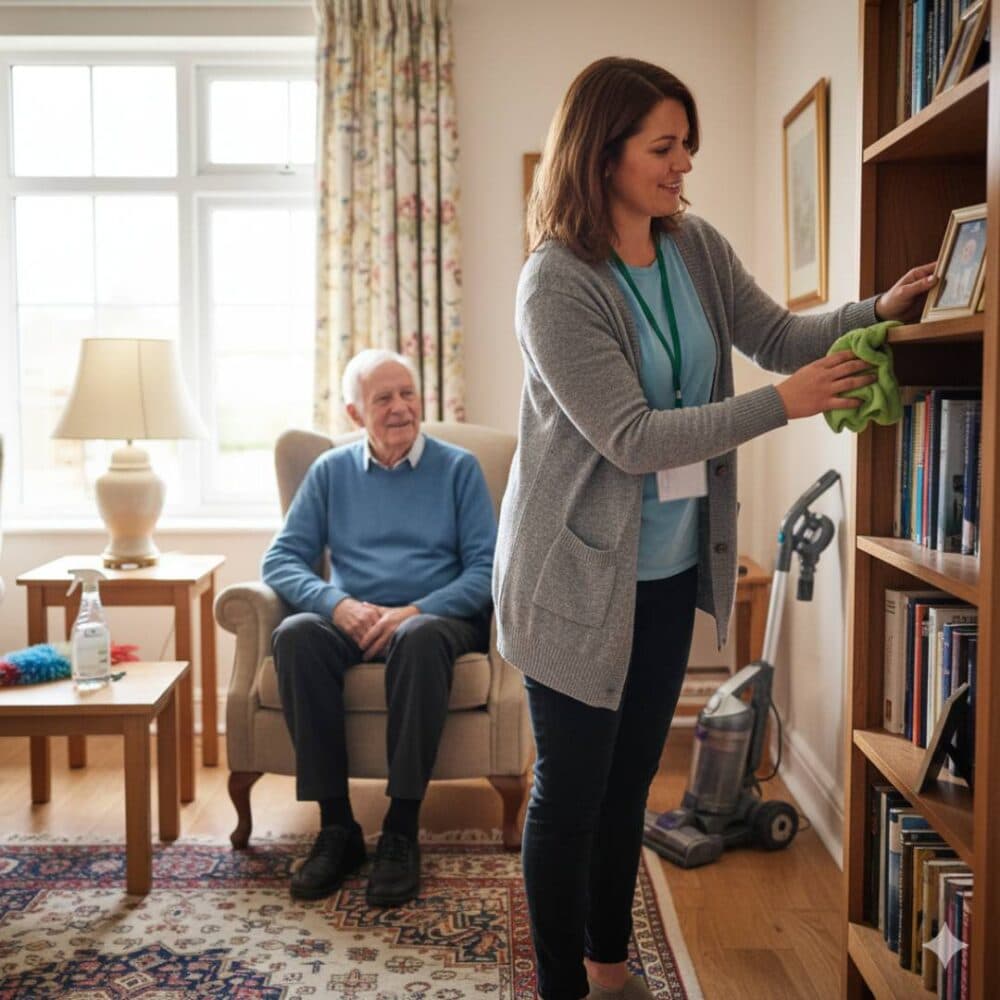
After a stroke, your parent may need help getting up, washed and dressed, particularly if one side of their body has been affected. They may struggle to prepare food safely if their grip or balance is unreliable. They will almost certainly tire much more quickly than before, meaning a short task like making a cup of tea can leave them needing to rest for an hour. And they may feel frightened, frustrated or low in mood, which is harder to check on from a distance than any physical task.
If your parent has aphasia (difficulty finding or using words, which is common after a stroke), a quick phone call may not give you a reliable picture of how they are doing. That uncertainty is one of the things working carers describe as particularly wearing.
Practical Steps for Working Carers
Talk to your employer before you go back
Under the Carer’s Leave Act, employees in England, Scotland and Wales are entitled to up to one week of unpaid carer’s leave per year. Some employers offer more flexibility than that, but they can only help if they know what is happening. A brief, honest conversation with your manager is worth having sooner rather than later, and earlier is almost always easier than later.
Get the discharge plan in writing
Before your parent leaves hospital, ask the stroke team what therapy is planned, what your parent can and cannot safely do at home, and who to contact if you are worried. A written summary means you are not relying on memory when life is already busy.
Create one central place for information
A simple notebook kept at your parent’s home, or a shared notes app, can hold medication times, therapy appointments, the names of everyone involved in their care and anything you want to remember to ask at the next appointment. It sounds small, but having it all in one place saves real time and avoids things slipping through.
Organise the essentials so your parent can reach them safely
If your parent is well enough to make themselves a drink, put the kettle, mugs, tea bags and a small carton of milk together on one low, stable shelf. If they like to read, make sure their book, glasses and phone are all within reach from their usual chair. Reducing unnecessary movement lowers the risk of falls and gives your parent more independence between visits.
Ask the GP for a medication review
After a stroke, many people are prescribed several new medications. A review with the GP ensures the doses are right and that your parent has a clear, simple system for taking them, such as a dosette box that you can help fill each week, or a blister cassette from the pharmacy that separates days and times. The NHS provides guidance on stroke recovery that is worth reading alongside any advice from the hospital team.
Be realistic about how much you can do without help
If you are visiting before and after work, doing the shopping, managing appointments and handling your own family life at the same time, something will eventually give. Burnout in carers is well recognised and affects the quality of care their loved one receives. Recognising that early is not weakness; it is clear thinking.
What to Ask the Stroke Team Before You Return to Work
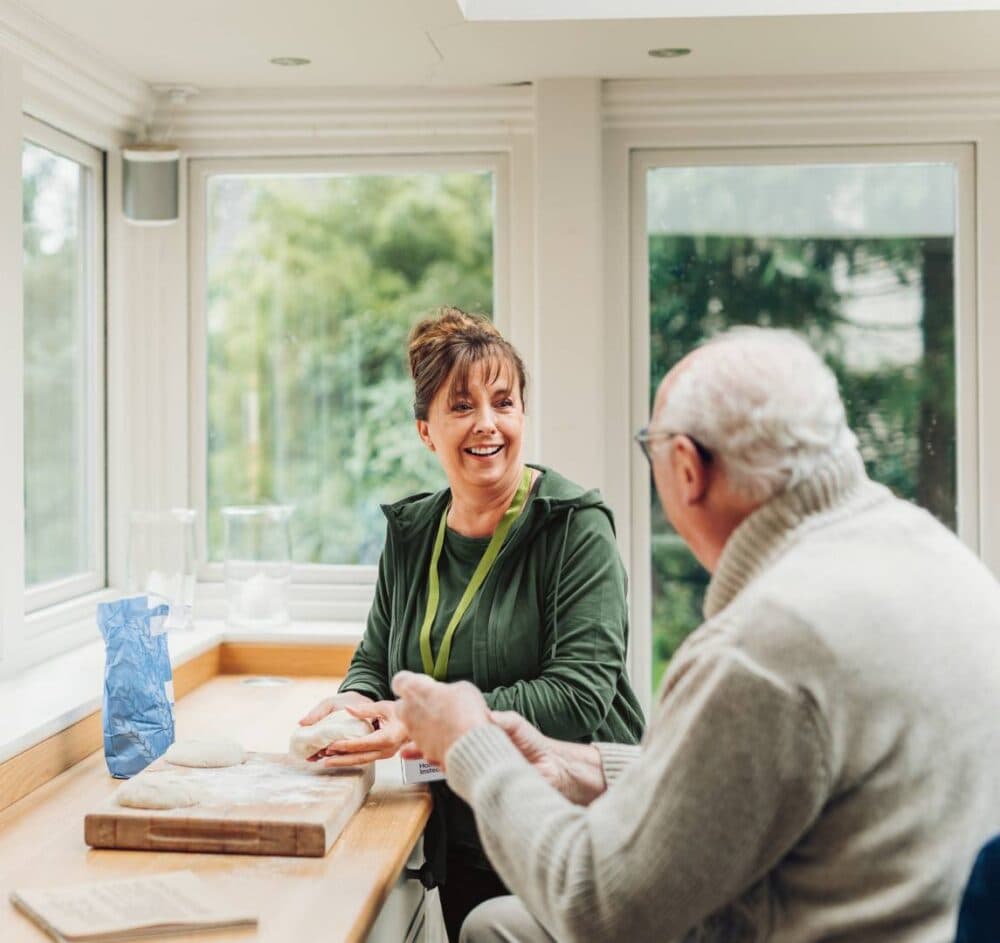
If you have been on leave or working reduced hours, the stroke team can be an important ally when you are preparing to return to your normal pattern. It is worth asking them directly:
- What level of supervision does your parent need during the day?
- Are there activities that are genuinely unsafe without someone present?
- What should you do if you cannot reach your parent by phone?
These are practical questions, not anxious ones. The answers will help you put the right support in place rather than guessing as you go. If your parent needs someone with them for much of the day, knowing that clearly is far better than finding it out through a series of worrying phone calls.

How Home Care Can Help After a Stroke
Home care after a stroke works alongside the NHS and therapy teams, supporting the daily routines that help recovery progress. It does not replace the work of physiotherapists, occupational therapists or speech and language therapists. What it does is make sure the things they recommend are actually possible to keep up with, day by day.
For a working family, that often means a Care Professional visiting in the morning to help with getting up, washing and having breakfast. It might mean a lunchtime call to prepare a meal safely and check how the day is going. It might mean someone being present when your parent tires in the afternoon and needs help getting comfortable, or a reminder that medication needs to be taken.
At Home Instead North Devon, our team offers dedicated After Stroke Care at Home. Our Care Professionals understand the particular challenges of stroke recovery, including fatigue, communication difficulties and the emotional side of adjusting. We work closely with families to fit around the care already in place, including anything the NHS team has recommended.
Having that support during the working day can make a real difference. Knowing your parent will eat well, stay safe and have company makes it easier to focus while you are at work, and that matters for both of you.

Frequently Asked Questions
How do I know if my parent is safe to be left alone during the day after a stroke?
This is something to ask the stroke team or occupational therapist before discharge from hospital. They can assess your parent’s ability to manage at home and advise on what level of supervision is needed. If your parent’s condition changes after they come home, contact their GP or the stroke team for a reassessment rather than waiting.
What financial support is available for working carers after a stroke?
Your parent may be entitled to Attendance Allowance if they need help with personal care or supervision because of their stroke. As a carer, you may be entitled to Carer’s Allowance depending on your income and how many hours you provide care. Your local council can carry out a free Carer’s Assessment, which may open up further support. The Stroke Association’s helpline can also point you in the right direction, and GOV.UK has guidance on carer’s leave for employed carers.
How long does stroke recovery take?
It varies considerably depending on the location and severity of the stroke. Some people make significant progress in the first weeks and months; for others, improvement continues slowly over a much longer period. Recovery rarely follows a straight line, and it rarely looks the same for any two people. What tends to matter most over time is consistent support, regular therapy and not missing follow-up appointments.
Talk to Our Team
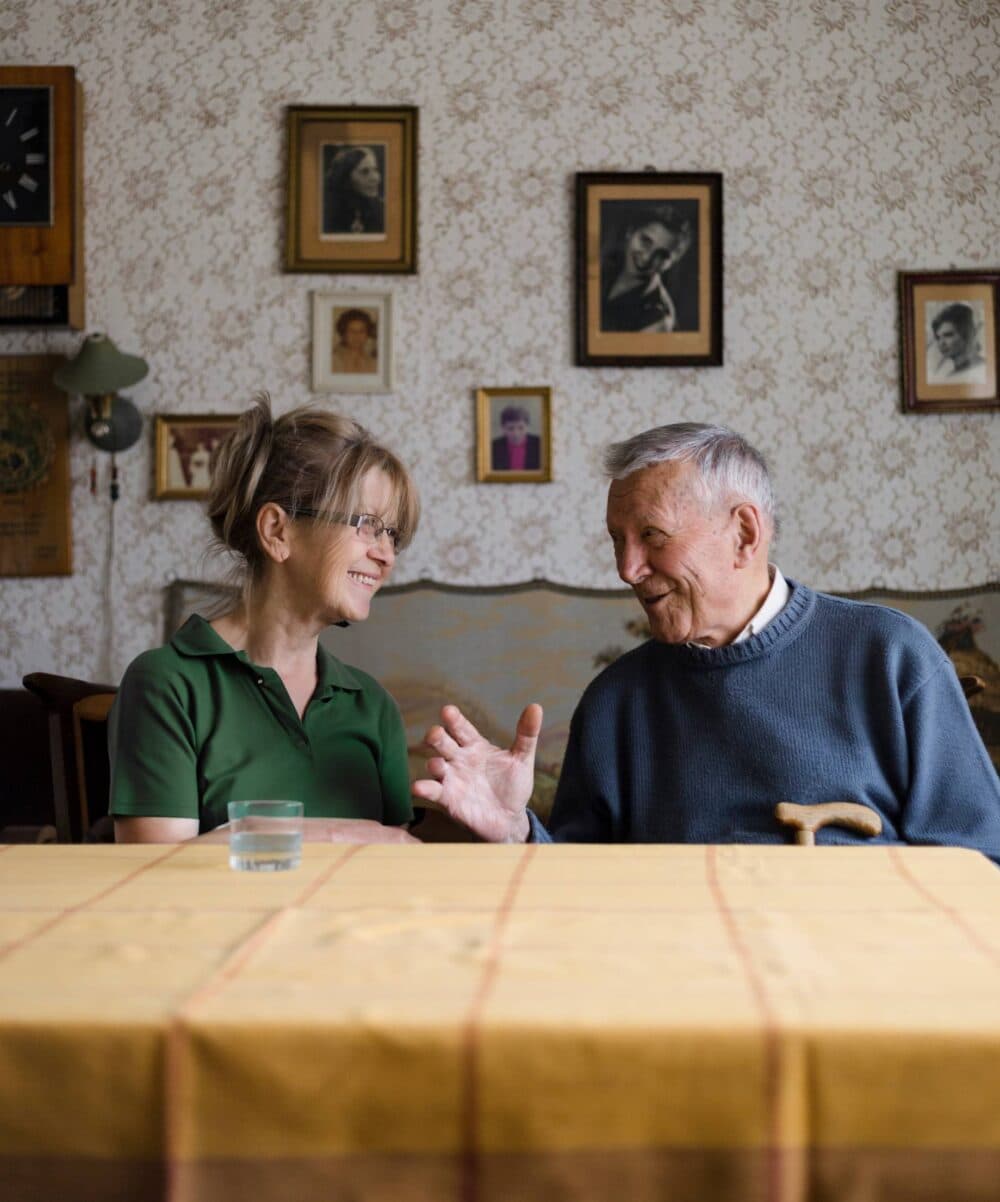
If you are a working carer supporting a parent after a stroke and you are not sure where to start, we would be glad to have a friendly, no-pressure conversation. We can talk through your parent’s situation, explain what After Stroke Care at Home looks like in practice and help you think through whether our support could make a difference.
Home Instead North Devon
Phone: 01769 302003
Contact us: https://www.homeinstead.co.uk/office/north-devon-exmoor/
Address: Unit 1c, Lime Field, South Molton EX36 3BS
There is no obligation and no rush. We are here when you are ready to talk.

How can we help?
We've helped thousands of families to stay safe, comfortable and happy at home. Whatever situation you're facing, or whatever the question is, Home Instead is here to help.
Are you in need of a little guidance right away?
Other non-care-related enquiries