Protecting an Older Loved One from Scams, Doorstep Callers and Financial Abuse
Doorstep callers, phone scams and financial abuse how to spot the signs, protect an older relative, and who to contact in Wales.<br />
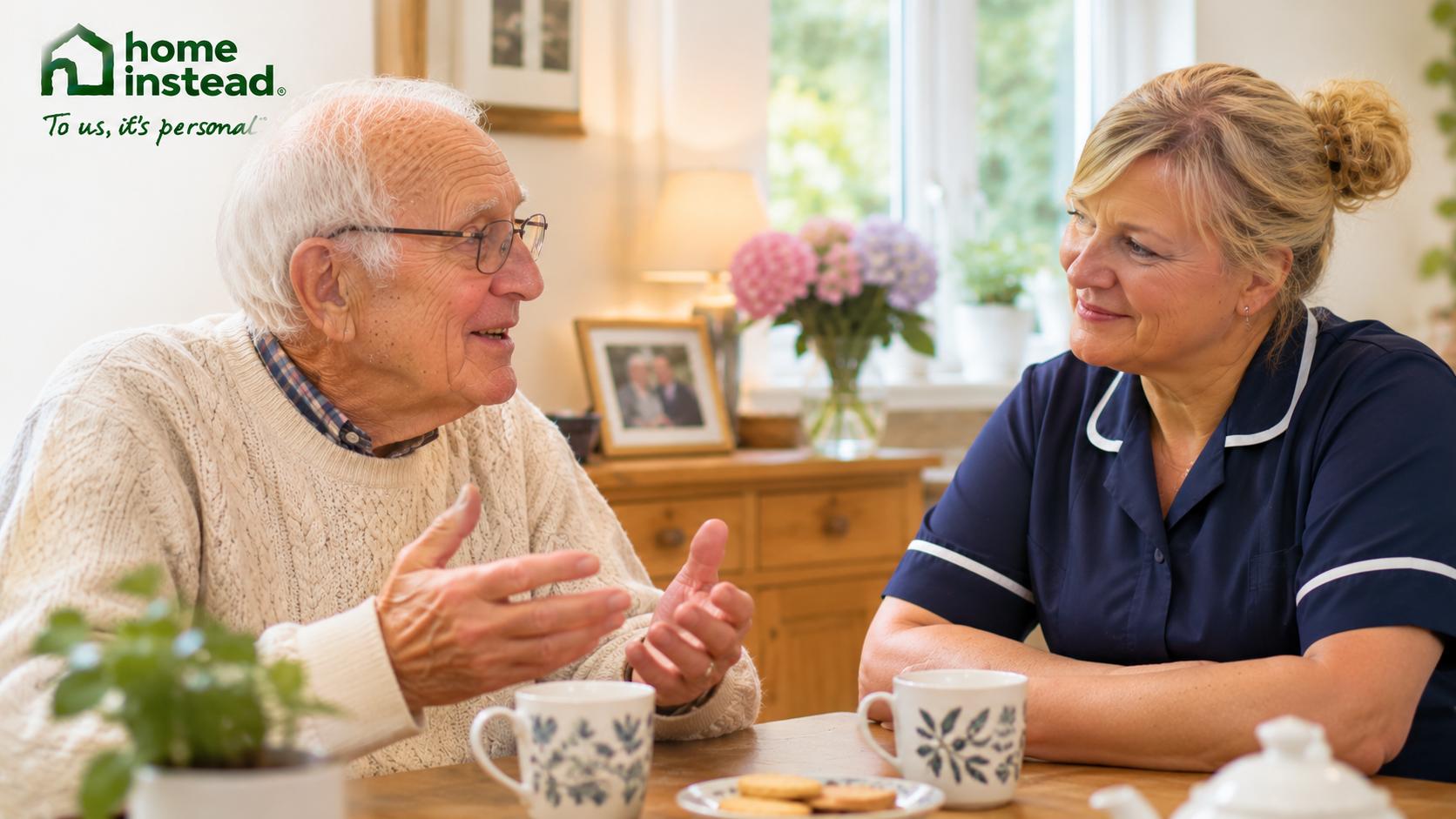
Older people are targeted deliberately and relentlessly. Not because they are gullible the people doing this are professionals, and plenty of their victims are sharp, careful and well-informed but because they are more likely to be at home, more likely to answer the phone or the door, and more likely to have savings.
This is a practical guide to the most common approaches, the warning signs, and what to actually do. It also covers the harder part, which most advice skips: a great deal of financial abuse of older people is committed by someone they know.
Doorstep callers
The classic approaches are roof repairs, driveway resurfacing, tree work, gutter clearing and “we noticed some damage while we were working next door”. The pattern is almost always the same: no appointment, urgent work that supposedly cannot wait, a cash price that climbs once they have started, and pressure to decide now.
Others pose as officials water board, gas, council, police. Genuine callers from utilities carry identification and will always wait while you ring the company on a number you look up yourself.
What helps:
- A “no cold callers” sticker by the door free from Trading Standards and genuinely effective
- A door chain or bar, and a habit of using it
- An agreement that nobody ever gets paid on the doorstep, for anything, ever
- A simple script: “I never deal with anyone at the door. Put it in writing.” Then close the door.
- A doorbell camera or intercom, covered in our guide to technology that helps
Phone and text scams
- The bank call someone claiming to be from the fraud team, saying the account is compromised and money must be moved to a “safe account”. No bank will ever ask this. It does not exist.
- Courier fraud a caller claiming to be the police or the bank, asking the person to withdraw cash, buy items, or hand over a card to a courier “as part of an investigation”. The police never do this.
- HMRC and DWP scams threats of arrest over unpaid tax, or promises of a refund that need bank details.
- Computer support scams a caller saying the computer has a virus, then asking for remote access. Microsoft does not ring people.
- Romance and friendship scams built over months, often targeting someone lonely after losing a partner. These cause some of the largest losses and the deepest shame.
The constants across nearly all of them are urgency, secrecy and a request to move money or share a code. Anything that combines those three is a scam, whatever the caller claims to be.
Post
Prize draws, lotteries, clairvoyants, miracle health products and catalogue competitions. A single response marks someone as responsive and the volume escalates sharply some people end up receiving dozens of items a week. Keep an eye on the amount of post coming in, and on whether cheques are going out.
The Mail Preference Service and the Telephone Preference Service both reduce legitimate marketing and are free to register with. They will not stop criminals, but they cut the noise and make the genuinely suspicious items easier to see.
Financial abuse by someone they know
This is the uncomfortable part, and it is more common than doorstep crime. Most financial abuse of older people is carried out by a relative, a friend, a neighbour or a paid carer someone trusted and close.
It is rarely a single dramatic theft. Far more often it is gradual: borrowing that is never repaid, a new name added to an account, shopping money that does not match the receipts, pressure to change a will, or someone moving in and taking over the finances.
Signs worth noticing:
- Unexplained withdrawals, or a standing order nobody can account for
- Bills unpaid despite enough money coming in
- A new friend or relative who has become very involved very quickly
- Your relative becoming vague, defensive or anxious when money comes up
- Possessions disappearing
- Sudden changes to a will, a bank account or a power of attorney
- Someone discouraging other family from visiting, or always being present when they do
If you suspect this, contact the adult safeguarding team at Newport City Council or Monmouthshire County Council, depending on where your loved one lives. You do not need proof, and you do not need to be certain. Safeguarding teams exist precisely to look into concerns like this, and reporting one is not an accusation.
Practical protections worth putting in place
- A call blocker devices that screen unknown numbers are highly effective and some councils and police forces provide them free to people at high risk.
- Online banking alerts many banks let a trusted relative receive notifications of large transactions without having access to the account.
- A second signature on large withdrawals banks can often arrange this.
- A Lasting Power of Attorney set up properly and early, with someone genuinely trustworthy. Our guide covers what that involves and why timing matters.
- A low-limit card for day-to-day spending keeping the main savings separate.
- Talk about it before it happens agreeing in advance that “I will always check with you first before paying anyone” gives someone a face-saving way out under pressure.
If it has already happened
Act quickly and do not let embarrassment slow anything down.
- Ring the bank immediately use the number on the card or the bank’s website, not one given by the caller
- Report it to Action Fraud on 0300 123 2040, or online
- Call 101 for the police, or 999 if the person is in immediate danger or a suspect is still at the property
- Contact the Citizens Advice consumer service for help with rogue traders
- Contact Trading Standards through the council
- Report suspicious texts by forwarding to 7726, and suspicious emails to the National Cyber Security Centre
And please do not make them feel foolish
This matters more than any practical measure on the list. Shame is the main reason these crimes go unreported people are mortified, they hide it, and the same criminals come back because they know the victim will not say anything.
If it happens to someone you love, the most useful thing you can say is that it happens to very capable people, that the people doing it are professionals, and that nobody is cross with them. You are far more likely to find out about the next attempt.
How home care helps
Two scams have something in common: they work best on someone who is alone and has nobody to check with. Isolation is the single biggest risk factor there is.
Someone calling in regularly changes that. Our Care Professionals notice the unopened post piling up, the new “friend” who has started visiting, the builder’s van that keeps appearing, or a client who seems unusually worried about money. They can be there when a known tradesman is due, and they are a familiar second opinion when something does not feel right. For anyone living with memory problems, who is particularly vulnerable to repeat approaches, that regular presence matters a great deal.
Related guides from our team
- Lasting Power of Attorney and Planning Ahead
- Companionship Care in Newport, Cwmbran & Chepstow
- Dementia Care at Home in Newport, Cwmbran & Chepstow
- Technology and Telecare at Home
- After a Bereavement: Supporting an Older Loved One
Talk to your local team
If you are worried about someone living alone in Newport, Cwmbran or Chepstow whether that is about scams, or simply about nobody checking in we would be glad to talk it through.
Call our friendly team today on 01633 740028 or visit our website to arrange a free, no-obligation care consultation.