Preventing Falls After a Stroke
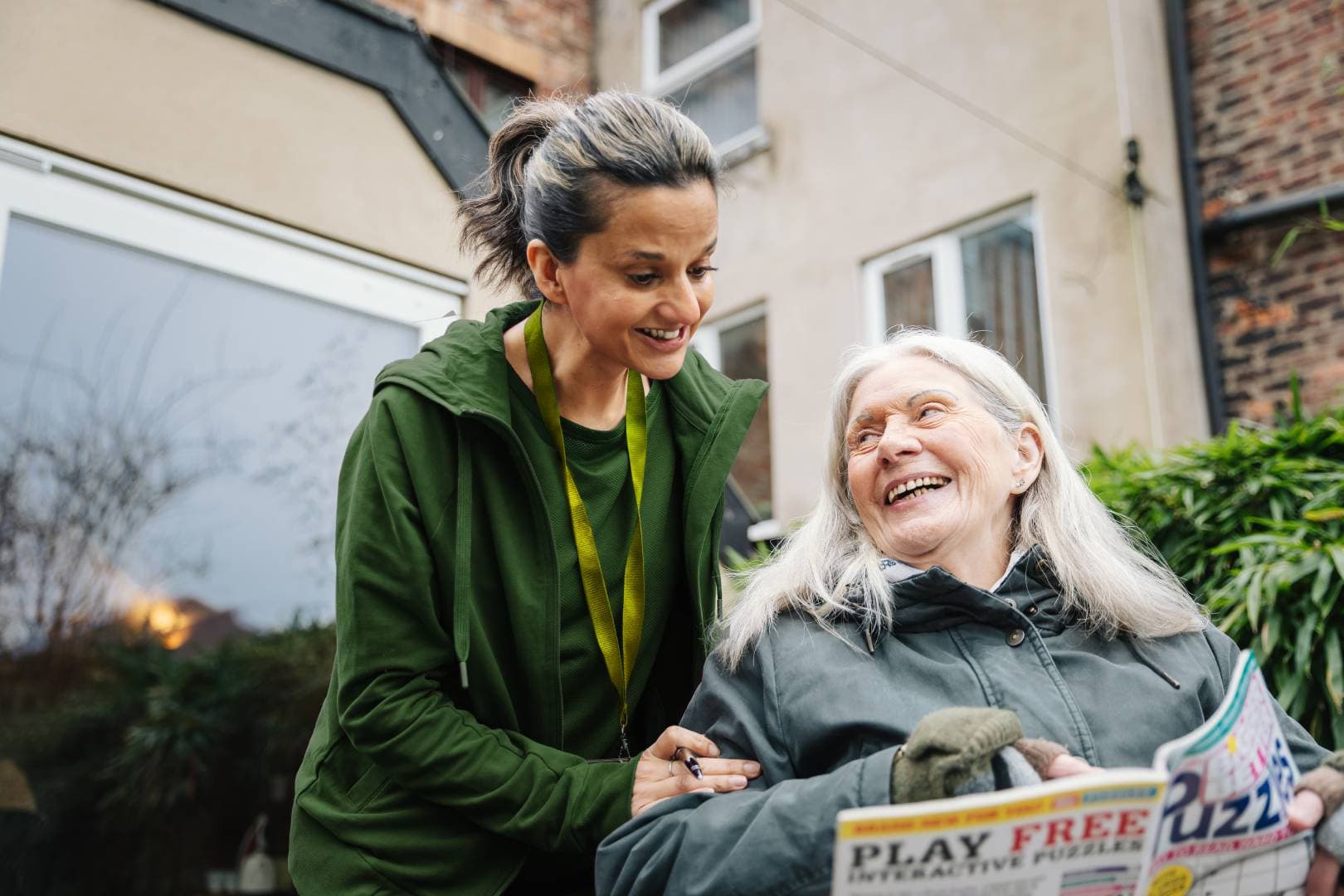
Falls are one of the most common concerns for families when a loved one comes home after a stroke, and it is one of the most practical things you can actually do something about. This World Stroke Day, 29 October 2026, feels like the right moment to look at preventing falls after a stroke honestly and in detail, because the advice that makes a real difference is often more specific than “keep the house tidy.”
In this post, we cover why strokes increase the risk of falling, what the therapy team’s guidance actually means in everyday terms, and the practical changes that matter most in each room. We also explain how home care can support fall prevention in a way that works alongside the rehabilitation your loved one is already receiving.
Why Strokes Increase The Risk of Falling
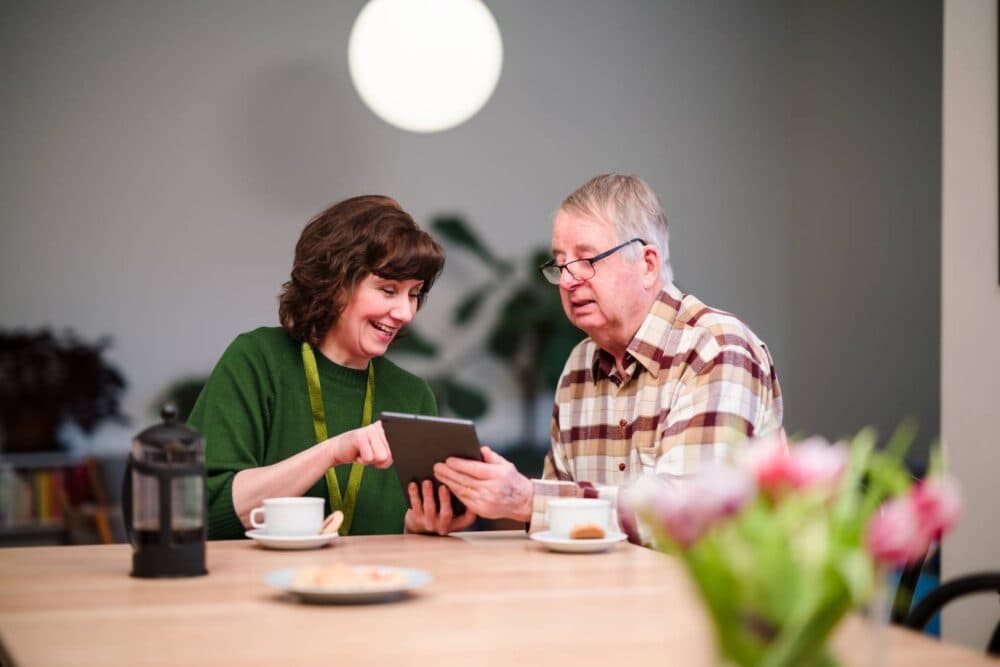
A stroke happens when the blood supply to part of the brain is interrupted, and depending on which area is affected, the impact on movement and balance can be significant. Weakness or paralysis down one side of the body is common, as is altered coordination, changed vision and difficulty judging distances. Any one of these effects can turn a walk to the kitchen into something that requires real concentration. Many stroke survivors are managing more than one at the same time.
According to the Stroke Association, around two thirds of stroke survivors leave hospital with a disability. Recovery continues at home, but the early weeks carry a particular risk because the body is still adjusting and fatigue can arrive quickly and without much warning. Stroke fatigue is different from ordinary tiredness. It can affect concentration and physical steadiness in the space of a few minutes, meaning someone who walks confidently to the sitting room after breakfast may be considerably less steady by mid-morning.
Some medications prescribed after a stroke, particularly those managing blood pressure, can also cause light-headedness when standing up. If your loved one mentions feeling dizzy on rising, that is worth raising with their GP rather than assuming it will settle on its own.
Follow The Physiotherapist’s Advice, Every Time
Follow the physiotherapist’s advice on walking aids and keep floors clear, well lit and free of trip hazards. That is where fall prevention starts and, in many cases, it is also where it quietly falls apart.
The most common pattern care teams see is people stopping using their walking frame or stick, either because it feels unnecessary on a good day or because using it is a daily reminder of what has changed. That feeling is entirely understandable. But the physiotherapist’s recommendation is based on what the body is actually doing right now, assessed in a clinical setting, not on how your loved one feels at their best. The walking aid should be used every single time, including trips to the bathroom at night and short journeys across a familiar room.
If the frame or stick feels uncomfortable, the wrong height, or simply hard to use on the flooring in your home, ask the physiotherapist to reassess. An aid that does not fit properly is a risk in itself.
Making The Home Safer, Room by Room
You do not need to transform the house. A handful of specific changes, done well, make far more difference than a wholesale rearrangement.
In the bedroom, check that the bed is at a height where your loved one’s feet rest flat on the floor when they are sitting on the edge. Getting up from a bed that is too low places a lot of demand on legs that may already be weakened. Put a lamp or small torch within arm’s reach so there is no walking in the dark to find a light switch. A non-slip mat beside the bed gives secure footing first thing in the morning, when the body is at its stiffest.
In the bathroom, a grab rail beside the toilet and inside the shower or bath is worth fitting securely into the wall rather than relying on suction-cup versions, which can come away under pressure. A non-slip mat on the shower or bath floor is essential. If getting in and out of the bath has become difficult, a bath board or a shower chair may be more practical, and an occupational therapist can advise on what would suit your loved one’s specific needs. The NHS has useful guidance on home adaptations following a stroke that is worth reading before any purchases.
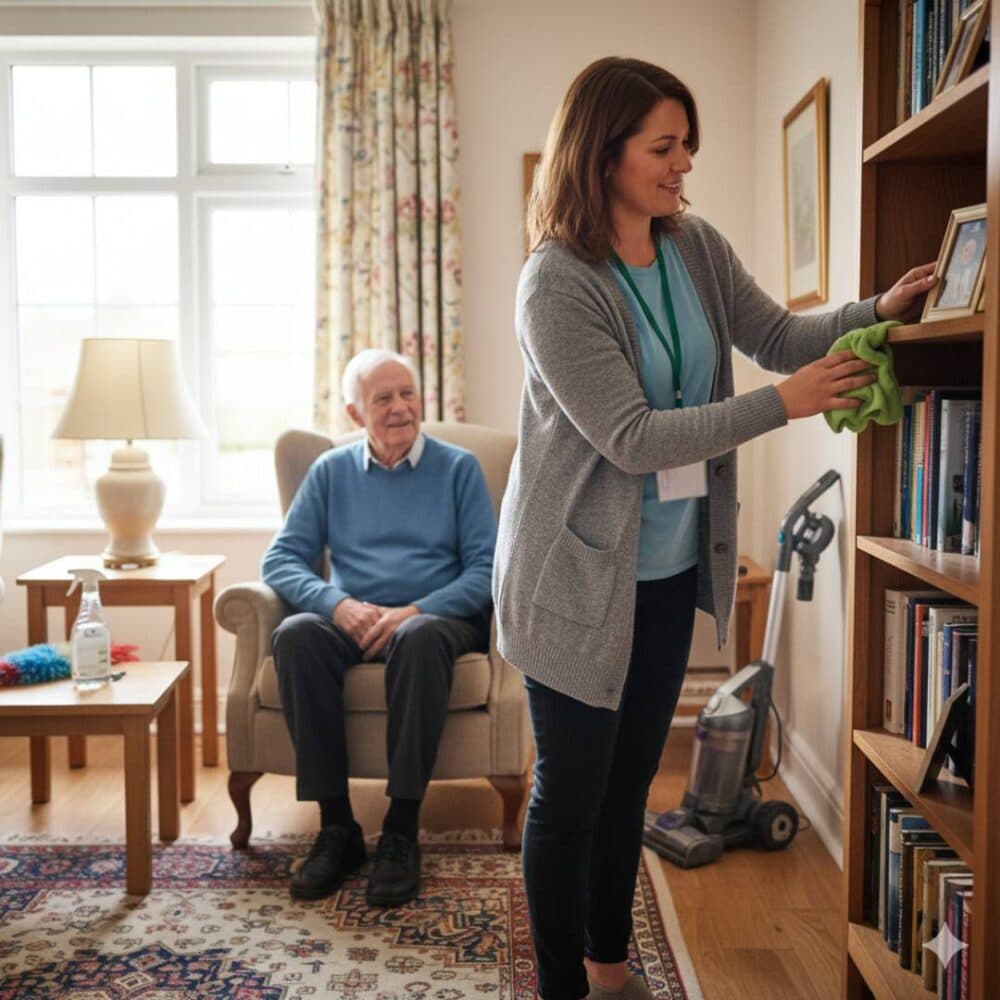
In the living room and hallway, clear a consistent path between the places your loved one moves between most often: their chair, the bathroom, the kitchen. Rugs with curling edges, trailing cables and bags left on the floor are all common hazards. Make sure any chair they use regularly is firm enough to push up from; deep, low sofas are harder to rise from safely when one side of the body is weaker.
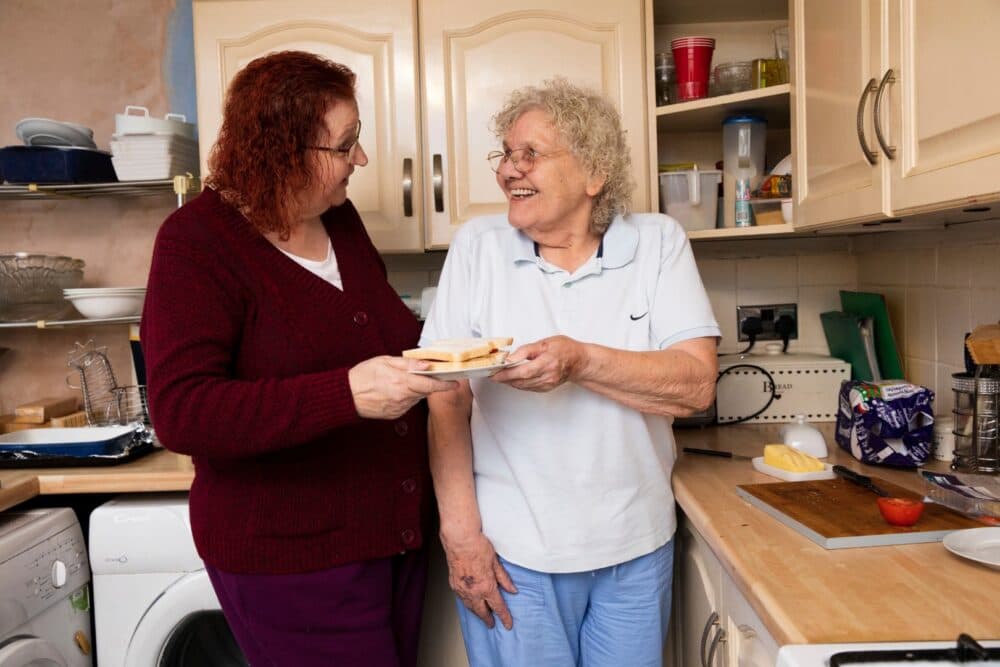
In the kitchen, move the items your loved one uses every day (the kettle, mugs, teabags, a plate) to waist height so there is no reaching up or bending down. A perch stool at the worktop means they can sit while preparing food rather than standing for extended periods. Standing in one place for too long can increase fatigue and reduce steadiness more quickly than people expect.
Throughout the home, lighting is one of the most practical changes you can make. Plug-in nightlights on the route to the bathroom catch the moments when someone wakes at two in the morning and moves on instinct rather than care. Falls happen disproportionately at night, and a well-lit path costs very little to put in place.
Recovery is Not a Straight Line, and That Matters For Safety
The honest thing to say about stroke recovery is that it takes longer than most people expect, it is not consistent from day to day, and what someone can do safely changes as rehabilitation progresses. Trying to do too much too soon is genuinely risky. But so is the opposite: becoming so cautious that movement is avoided. Reduced activity leads to weaker muscles, which in turn increases the risk of falling.
Encourage your loved one to do the exercises their physiotherapist has given them, including on the days when they feel well and think they probably don’t need to. Those exercises are rebuilding the connections between brain and body that the stroke disrupted. Progress is not always visible day to day, but it is happening, and consistency matters more than intensity.
Some falls will still happen, even in a well-prepared home. When they do, keeping the GP and stroke team informed is important. They need to know, both to review the rehabilitation plan and to check whether anything else is going on.
How Home Care Can Support Fall Prevention After a Stroke
Our Care Professionals work alongside the NHS therapy team, supporting the goals and routines they have set rather than replacing their input.
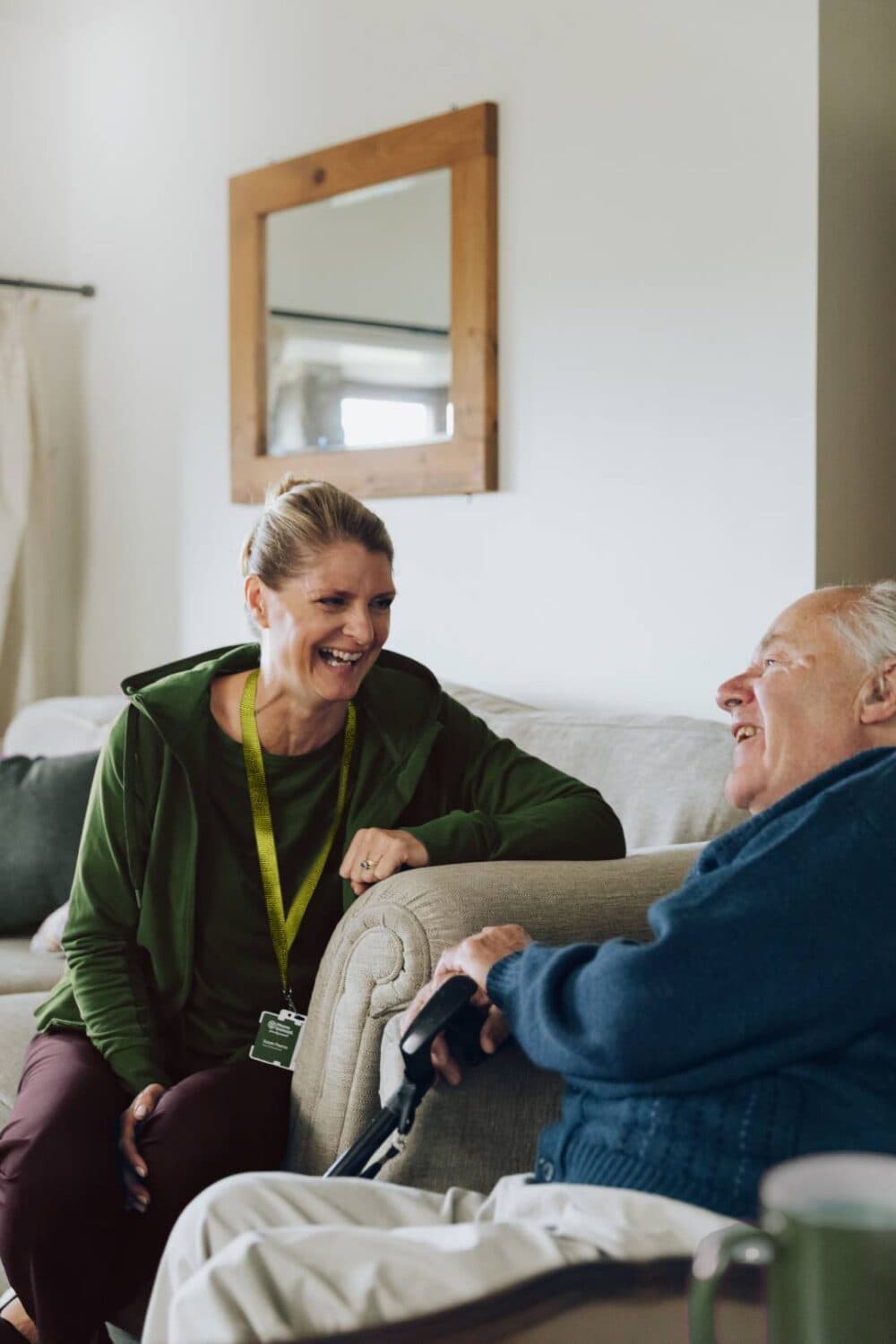
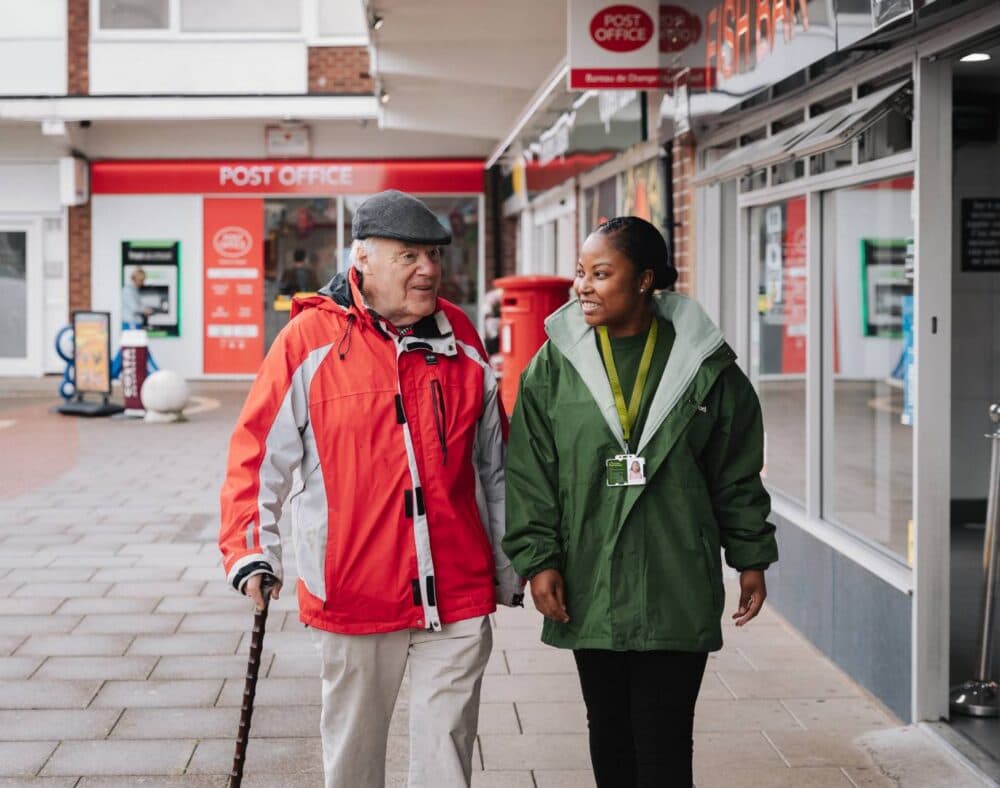
In practical terms, that might mean being present during the morning routine, when fatigue and stiffness are often at their highest and the risk of a fall is greatest. It might mean accompanying your loved one on a short walk outdoors so they can build confidence using their walking aid in a real environment, with someone steady beside them. It means keeping the home clear and organised as part of a daily routine, gently prompting the use of grab rails and walking aids, and noticing any changes in steadiness or confidence that the family or GP should know about.
Home Instead New Forest offers After Stroke Care At Home specifically designed to support independence and safety during recovery. Our team works to encourage what clients can do for themselves, offering the right level of support without doing more than is needed. That balance matters for confidence as much as it does for physical recovery.
Frequently Asked Questions
How common are falls after a stroke?
Falls are very common following a stroke, particularly in the first weeks and months at home. Weakness, changes in balance and altered vision all play a part, and fatigue can make the risk higher at specific times of day. Telling the physiotherapist or GP about any near-misses or falls, even those without injury, helps them adjust the rehabilitation plan appropriately.
What should I do if my loved one falls at home?
Stay calm and do not try to lift them immediately. Check whether they are in pain or injured. If they cannot get up or are in significant pain, call 999. If they are unhurt and want to try to get up, support them to do so slowly, using a sturdy chair for balance. Always let the GP or stroke team know about any falls, even if there was no injury. The Stroke Association’s advice on stroke recovery has further guidance for families managing these situations.
How will I know if my loved one needs more support at home after a stroke?
Signs that extra help may be needed include near-misses that your loved one mentions only in passing, a growing reluctance to move around the home, changes in how confident they seem with everyday tasks, or worsening fatigue. If you are unsure, speak to the GP or stroke team first. You are also welcome to get in touch with us for an informal conversation, with no obligation.
Talk to us about support after a stroke
If your loved one has recently had a stroke and you are thinking about what extra support at home might look like, we would love to have a friendly, no-pressure conversation with you.
Home Instead New Forest
5 Rashley Mews, High St, Lymington SO41 9AR
Call us on 01590 637 250 or visit our website at www.homeinstead.co.uk/office/new-forest/ to find out more about the support we offer.

How can we help?
We've helped thousands of families to stay safe, comfortable and happy at home. Whatever situation you're facing, or whatever the question is, Home Instead is here to help.
Are you in need of a little guidance right away?
Other non-care-related enquiries