Is Memory Loss Normal as You Get Older?
Is memory loss a normal part of getting older, or could it be a sign of something more serious?

Forgetting where you put your keys, struggling to remember a name or occasionally losing your train of thought are things that happen to all of us. But is memory loss a normal part of getting older, or could it be a sign of something more serious?
Some forgetfulness is a natural part of ageing. However, persistent or worsening memory loss that affects everyday life should never simply be dismissed as getting older. Understanding the causes of memory loss in older people and recognising the warning signs can help ensure the right support is available.
What Causes Memory Loss in Older People?
There are several possible causes of memory loss in older adults. Age-related changes can make recalling information slower, but other factors can also affect memory.
Common causes include:
- Poor sleep and tiredness: Lack of quality sleep can affect concentration and memory.
- Stress, anxiety and depression: Emotional wellbeing can have a significant impact on cognitive function.
- Medication side effects: Certain medicines can cause confusion or memory difficulties.
- Vitamin deficiencies: Low levels of vitamin B12 can affect memory.
- Infections and dehydration: These can sometimes cause sudden confusion, particularly in older people.
- Dementia: Conditions such as Alzheimer’s disease can cause progressive memory loss.
Some causes are treatable, which is why seeking medical advice is important.

Need more information?
Signs of Memory Loss to Look Out For
Knowing the early signs of memory problems can help families recognise when an older loved one may need additional support.
Look out for:
- Frequently repeating questions or conversations.
- Forgetting recent events or important appointments.
- Struggling with familiar everyday tasks.
- Becoming confused about time or familiar surroundings.
- Regularly misplacing belongings.
- Difficulty finding words or following conversations.
- Noticeable changes in mood, personality or confidence.
These symptoms do not necessarily mean someone has dementia, but they should be discussed with a GP.
How to Help Someone Experiencing Memory Loss
Supporting someone with memory difficulties requires patience, understanding and reassurance. Simple changes can make everyday life easier.
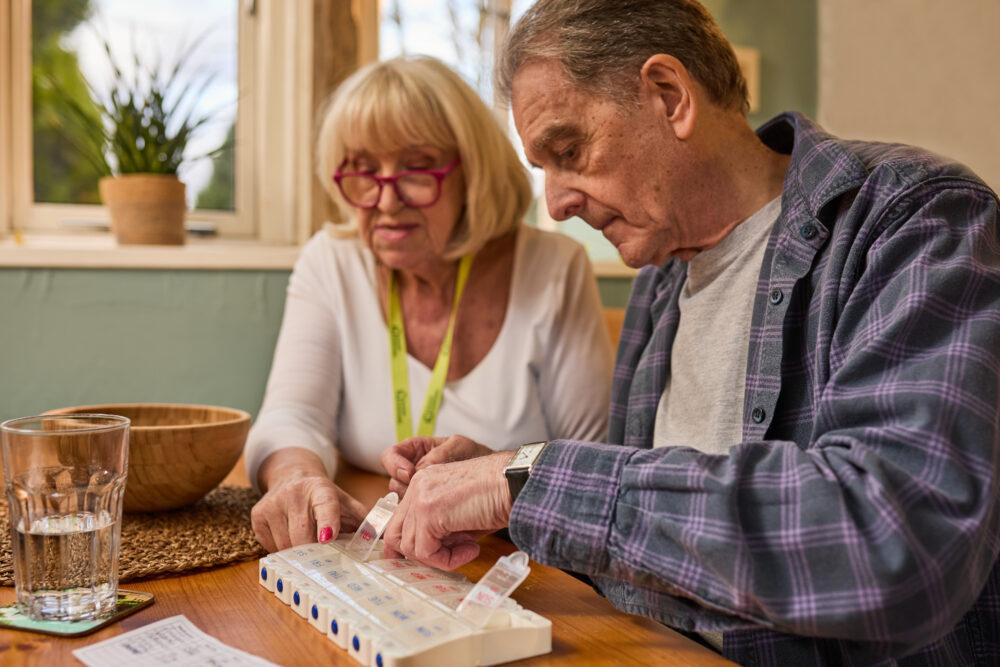
Try establishing a familiar daily routine, using calendars and reminder notes, keeping important belongings in consistent places and speaking slowly using clear, simple sentences.
Encourage regular social interaction, gentle exercise, healthy meals and plenty of fluids. Most importantly, allow the person time to complete tasks independently wherever possible.
What to Do If You’re Worried About Someone’s Memory
If you notice changes in an older relative’s memory, keep a record of specific examples and discuss your concerns sensitively. Encourage them to arrange a GP appointment and offer to attend with them.
A GP can investigate potential causes, review medication and arrange further assessments or a referral to a memory clinic if needed.
If confusion develops suddenly, seek urgent medical advice, as this can indicate an underlying illness or infection.
How Home Care Can Help with Memory Loss
Living with memory loss can make everyday activities more challenging, but the right support can help older people maintain their independence and quality of life.
At Home Instead Market Drayton, Newport & Wellington, our compassionate home care services can provide companionship, practical assistance and support with daily routines, helping older adults feel safe, comfortable and supported in their own homes.
If you’re concerned about an older loved one’s memory or would like to explore the support available, our friendly local team is here to help. Getting advice early can make a real difference, both to the person experiencing memory loss and to their family.