What to Do After a Dementia Diagnosis in Maidstone
What should you do after a dementia diagnosis in Maidstone? Find practical next steps, local support and advice for planning care at home.

A dementia diagnosis can bring relief at finally having some answers, but it can also leave families wondering what happens next. Who should you speak to? What practical things need sorting out? And what support is available locally in Maidstone?
You do not need to make every decision straight away. It can help to focus first on understanding the diagnosis, finding local support and making a few practical plans while continuing to involve the person living with dementia as much as possible.
Start with the immediate next steps
After diagnosis, there may be follow-up through a GP, memory service or other healthcare professionals, depending on the person’s needs.
This is a good time to ask questions about medication, symptoms, future appointments and who to contact if something changes.
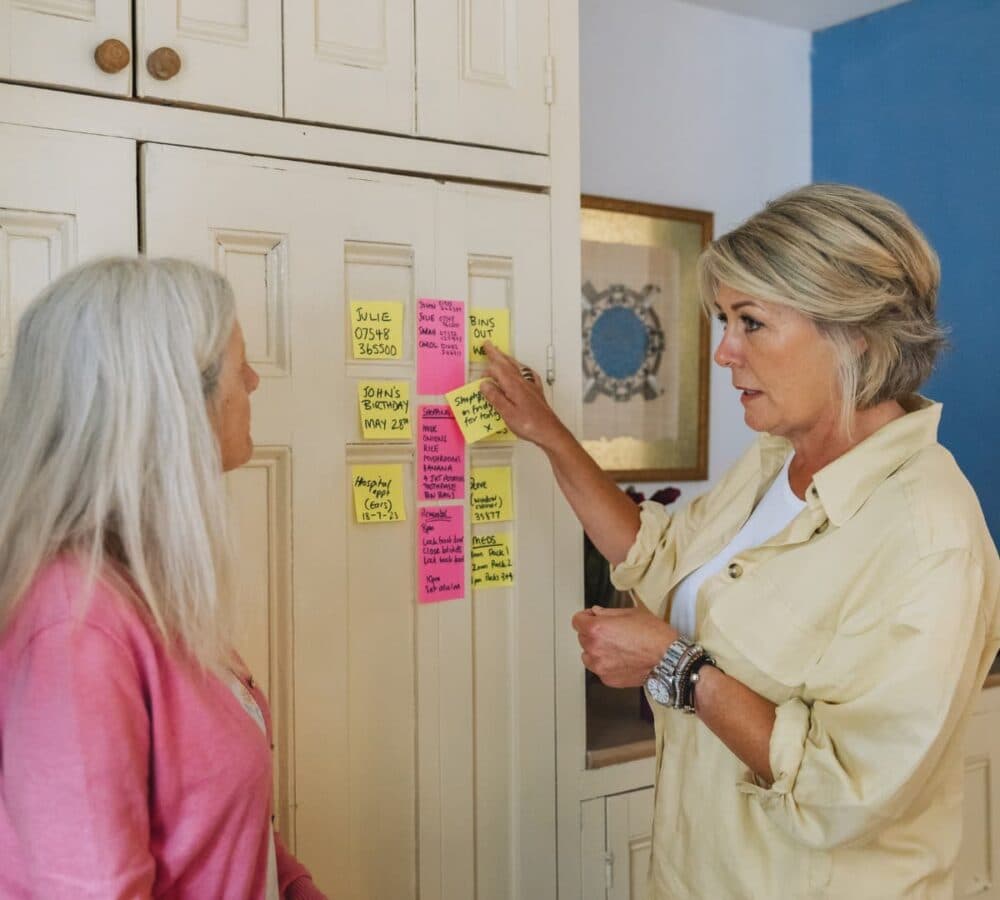
It can also help to keep important information together in one place, including medication lists, appointment details and contact numbers. If several family members are involved, agreeing who will coordinate appointments and information can prevent confusion later.
Find dementia support in Maidstone
You do not have to wait until things become difficult before looking for support.
Age UK Maidstone, Sevenoaks and Tonbridge runs Memory Cafés in the Maidstone area, where people living with memory difficulties and their carers can meet others, ask questions and find out about further local services. There is also a local Dementia Carers Group for people supporting someone living with dementia.
Finding these services early can make a real difference. It gives both the person diagnosed and their family somewhere to turn for information, reassurance and connection before a crisis develops.
Talk about future wishes while you can
A dementia diagnosis does not automatically mean someone has lost the ability to make decisions.
Where possible, involve the person in conversations about their home, routines, finances and future care. This may also be the right time to discuss arrangements such as a will or Lasting Power of Attorney.
These conversations can feel difficult, but making decisions together early can help preserve choice and reduce uncertainty for families later.
Think about what support is needed at home
Many people continue living independently at home after a diagnosis, particularly in the earlier stages.
Small changes may be enough at first: keeping routines consistent, helping with appointments, preparing meals or introducing reminders for medication. Over time, families may notice changes such as missed meals, difficulty with personal care, increasing anxiety, isolation or problems managing medication safely.
Kent County Council provides information about adult social care support and assessments. A care needs assessment can help identify what support might be appropriate and whether someone is eligible for council-arranged care.
Professional support at home is another option and does not necessarily mean giving up independence. The aim should be to provide help where it is needed while allowing the person to continue doing as much as possible for themselves.
Home Instead Maidstone provides dementia care at home in Maidstone, with support shaped around familiar routines, personal preferences and changing needs.

Keep reviewing what is working
Dementia changes over time, so the right level of support today may not be the right level six months from now.
Families can regularly ask: Is the person eating well? Are medications being managed safely? Are they still confident getting out and about? Is a family carer becoming exhausted?
These small check-ins can help support evolve gradually rather than only after something goes wrong.
If your family is beginning to consider extra support at home, the Home Instead Maidstone team can talk through what is becoming difficult and explain the different types of support available, without the conversation needing to begin with a commitment to care. Talk to our team today.
FAQs
What should we do first after a dementia diagnosis?
Start by understanding the diagnosis, asking healthcare professionals any immediate questions and finding out what local support is available.
Can someone with dementia continue living at home?
Yes. Many people remain at home for a long time, particularly with familiar routines, family support and additional care where needed.
Where can I find dementia support in Maidstone?
Support is available through healthcare services, Kent County Council, Age UK Maidstone and local dementia support organisations and care providers.