What to Do After a Dementia Diagnosis in Epping Forest
Find out what to do after a dementia diagnosis in Epping Forest, including local support, community activities and home care options.

A dementia diagnosis can bring a mixture of emotions, along with plenty of practical questions. Families may wonder what happens next, where to find reliable information or what support is available locally.
There is no need to work everything out at once. Taking things step by step and building the right support around the person living with dementia can make the months ahead feel more manageable.
Start with the information you need now
After a diagnosis, it can help to focus on the immediate questions rather than trying to plan too far ahead.
You may want to ask:
- What type of dementia has been diagnosed?
- What changes might we expect?
- Are there treatments or medications that may help?
- What support is available locally?
- How can we help the person remain independent?
Your GP, memory service or hospital team should be able to explain the diagnosis and talk through the next steps. Writing questions down before appointments can also be useful when there is a lot of new information to take in.
Find dementia support locally
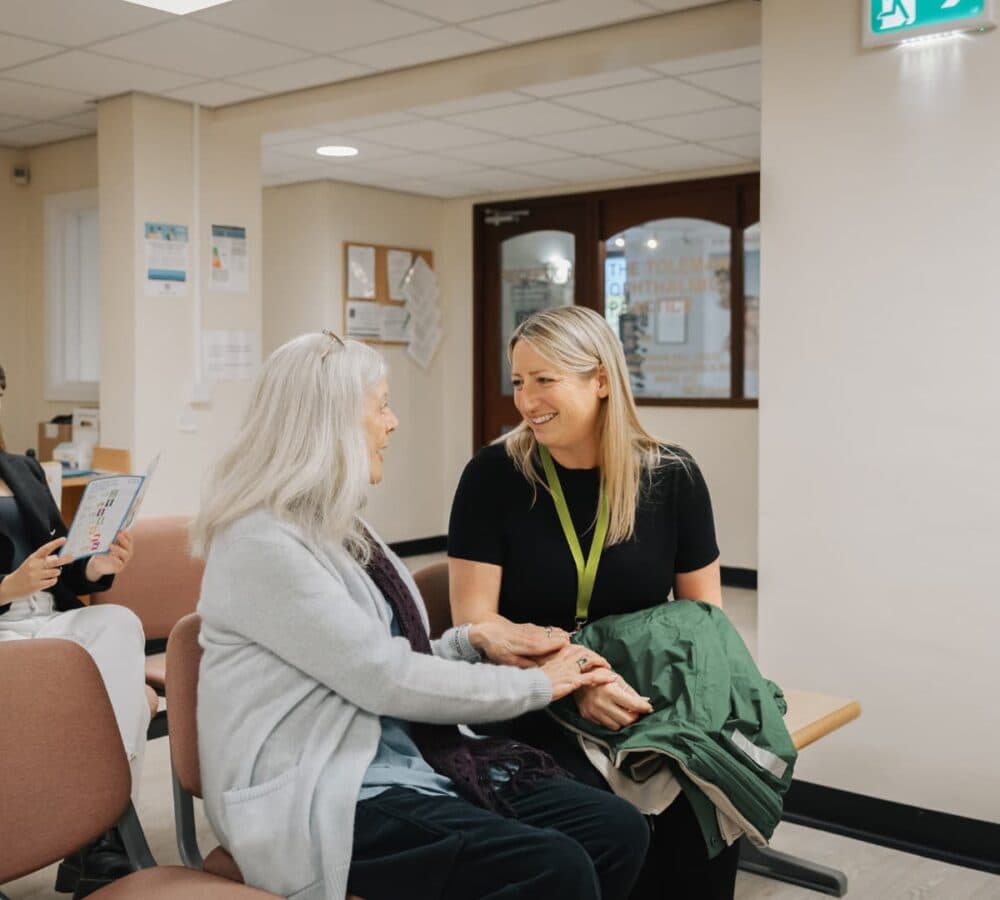
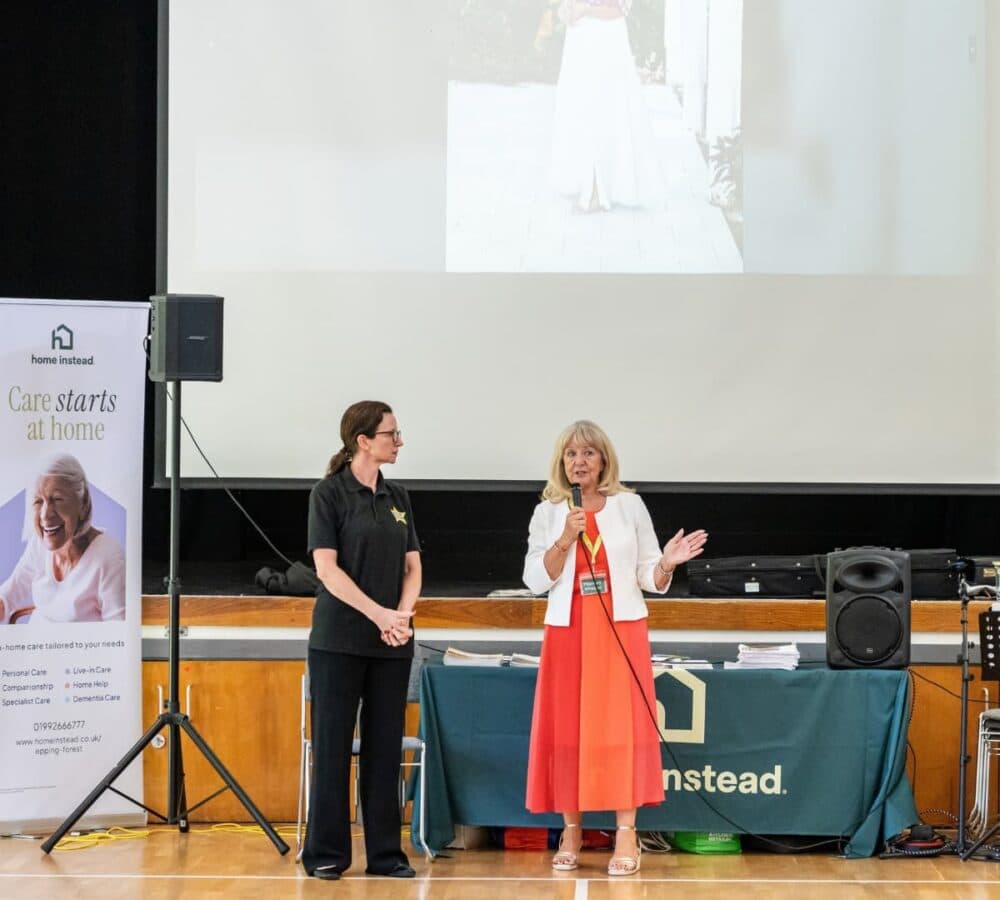
Local support can make a real difference while a family is adjusting to a diagnosis. In Epping Forest, the Home Instead team is involved in dementia awareness across the community, including Dementia Friends talks delivered by Debbie, the team’s Alzheimer’s Ambassador, and dementia information drop-ins at local libraries.
Home Instead Epping Forest also holds monthly dementia information drop-ins at Loughton Library on the second Tuesday of the month from 10am–12 noon, and at Ongar Library on the third Friday of the month from 10am–12 noon.
These informal sessions give families the chance to ask questions, pick up useful resources and find out more about local support and dementia-friendly activities.
Look for activities that support wellbeing
A dementia diagnosis does not mean giving up the activities, relationships and routines that matter. Staying socially connected and continuing familiar activities can help people maintain confidence and a sense of normality. This might include listening to favourite music, gardening, meeting friends, going for a familiar walk or attending a local group.
Some people may also be offered structured support such as Cognitive Stimulation Therapy (CST) through local health services. Home Instead Epping Forest’s Client Relationship Manager, Maureen, has been involved in CST programmes at St Margaret’s Mental Health Unit, sharing information about ongoing local support and activities with people who have recently received a diagnosis.
Local activities such as Memory Lane cafés and Singing for the Brain can also provide opportunities for music, social connection and familiar routines.
Think about practical support at home
Dementia does not automatically mean someone can no longer live independently. Many people continue living safely and comfortably at home, particularly when support is introduced gradually and adapted as their needs change.
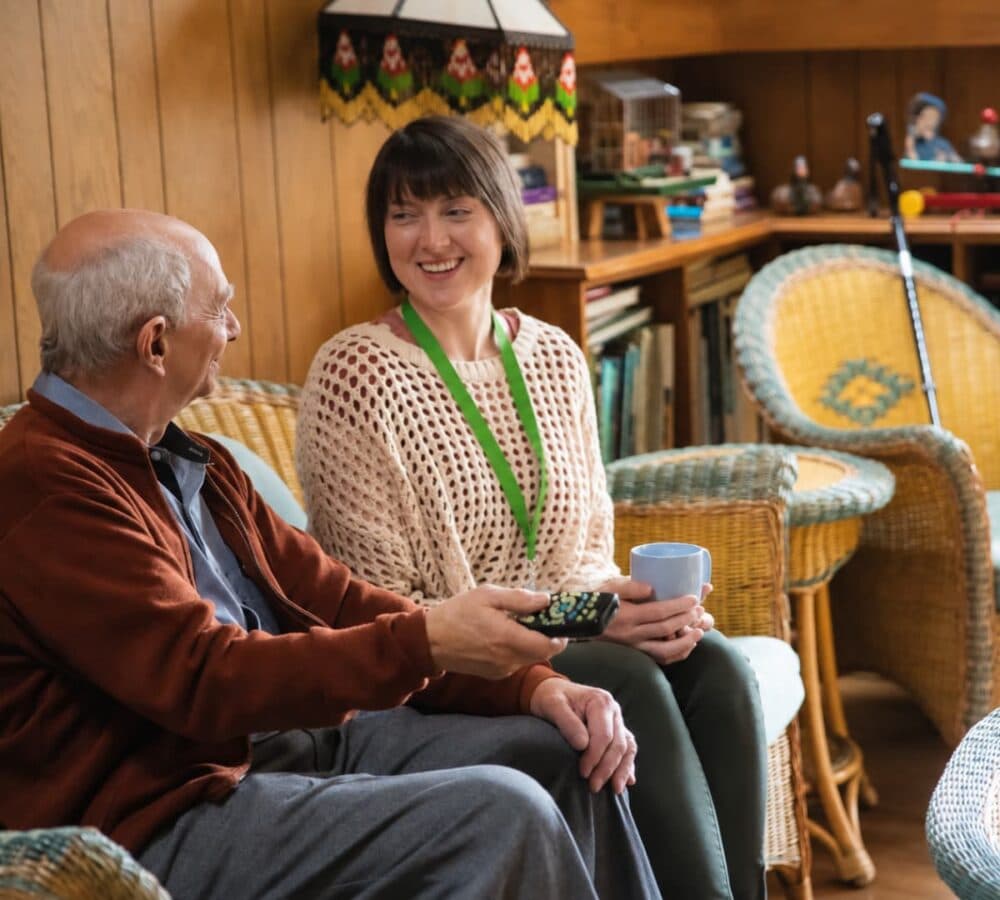
A little extra help might include support with meals, medication reminders, companionship care, attending appointments or getting out into the community. Rather than waiting until things become overwhelming, it can help to notice which everyday tasks are becoming more difficult and consider whether some additional support could make life easier.
Keep talking as a family
Needs can change over time, so conversations about support should continue too. Where possible, include the person living with dementia in decisions about their home, routines and future care.
It is also important to recognise the needs of family carers. Supporting someone with dementia can be rewarding, but it can also be tiring and emotionally demanding. Local groups, professional support and dementia charities can all help families feel less isolated.
Home Instead Epping Forest holds two carers support groups each month. The Abridge Carers Support Meeting takes place at Abridge Village Hall on the third Monday of every month at 2pm, while a second monthly carers chat group is held at Julie’s Café on Stonards Hill in Epping on the second Monday of every month, from 10am to 12 noon.
Dementia support in Epping Forest
World Alzheimer’s Month is an opportunity to raise awareness and encourage more conversations about dementia, but support is needed throughout the year. Healthcare services, community groups, local information sessions and specialist home care can all form part of that network.
Home Instead Epping Forest continues to work within the local community to increase dementia awareness, connect families with local activities and help people understand what support is available.
If you are supporting someone living with dementia in Epping Forest and would like to understand what help may be available at home or in the local community, the Home Instead Epping Forest team is here to offer advice and talk through the options with you. Please contact our team for more information.
Frequently asked questions
What should I do first after a dementia diagnosis?
Start by speaking with the healthcare professional or memory service involved in the diagnosis, asking any immediate questions and finding out what local support is available. It can help to focus on the next few steps rather than trying to plan everything at once.
Can someone with dementia continue living at home?
Many people with dementia continue living at home, particularly when the right support is introduced as their needs change. This may include companionship, help with routines, meals, appointments and support getting out into the community.