Rebuilding Independence After a Stroke, One Routine at a Time
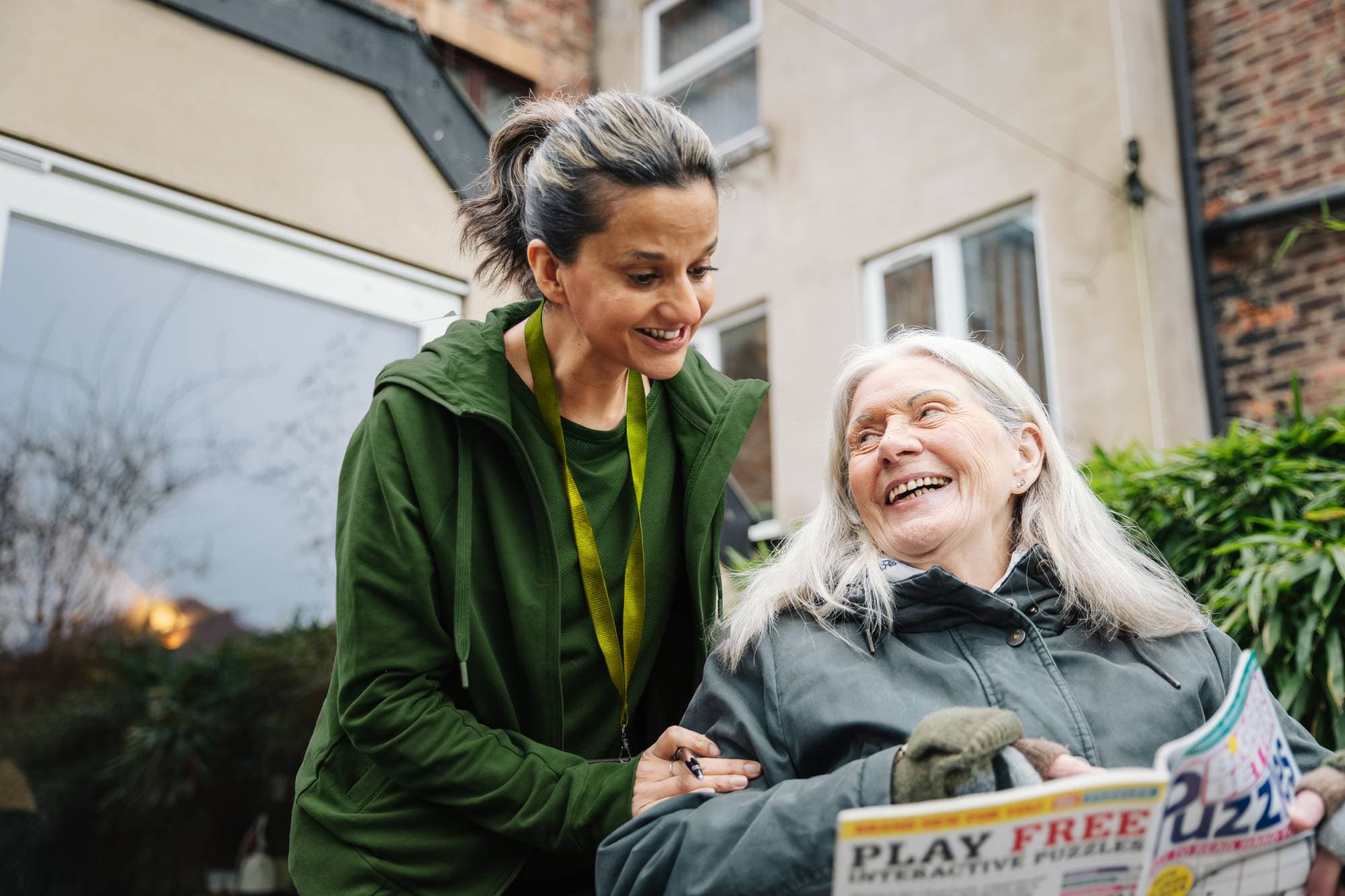
Rebuilding independence after a stroke is often the part of recovery that families find hardest to get right. Not because they don’t want to help, but because the line between supporting and doing too much can be genuinely difficult to see. This World Stroke Day, on 29 October 2026, we’re focusing on what that process actually looks like at home and what makes a real difference.
In this post, you’ll find practical guidance on supporting daily routines in a way that builds confidence, specific tips for the home environment, and an honest look at why recovery takes the time it takes. We’ll also share the story of someone whose life was changed by a stroke, and who has since become a valued part of our own team.
Why Everyday Routines Are at the Heart of Stroke Recovery
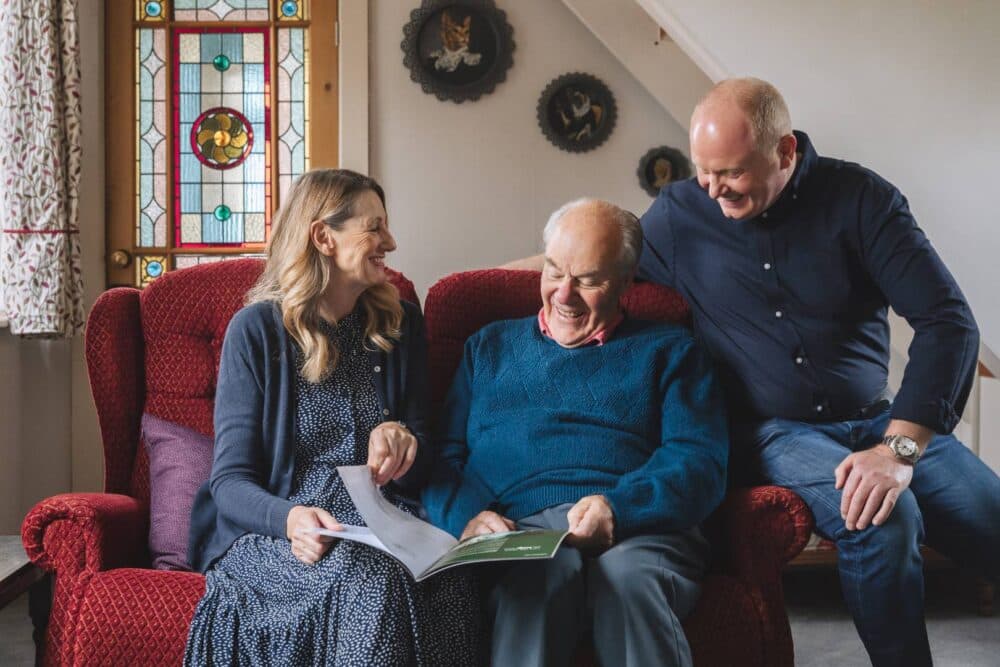
After a stroke (a sudden interruption to the blood supply to the brain), many people find that tasks they once did without thinking now take real effort. Getting dressed, making a drink, writing a message: the brain is working hard to repair and adapt, through a process called neuroplasticity, and everyday activities play a significant part in how that happens.
Encourage your loved one to do what they can for themselves, even if it takes longer. Small wins in daily routines are where confidence and independence begin to return.
This means stepping back is often the most helpful thing you can do, particularly when a task is manageable even if slow. The occupational therapist or physiotherapist working with your loved one will advise on what they should be doing independently. Following that guidance closely matters. Stepping in before it’s needed is a kind instinct, but it can slow recovery without anyone meaning it to.
For broader guidance on what to expect at each stage, the NHS stroke recovery pages are a helpful starting point.
Practical Ways to Support Independence at Home
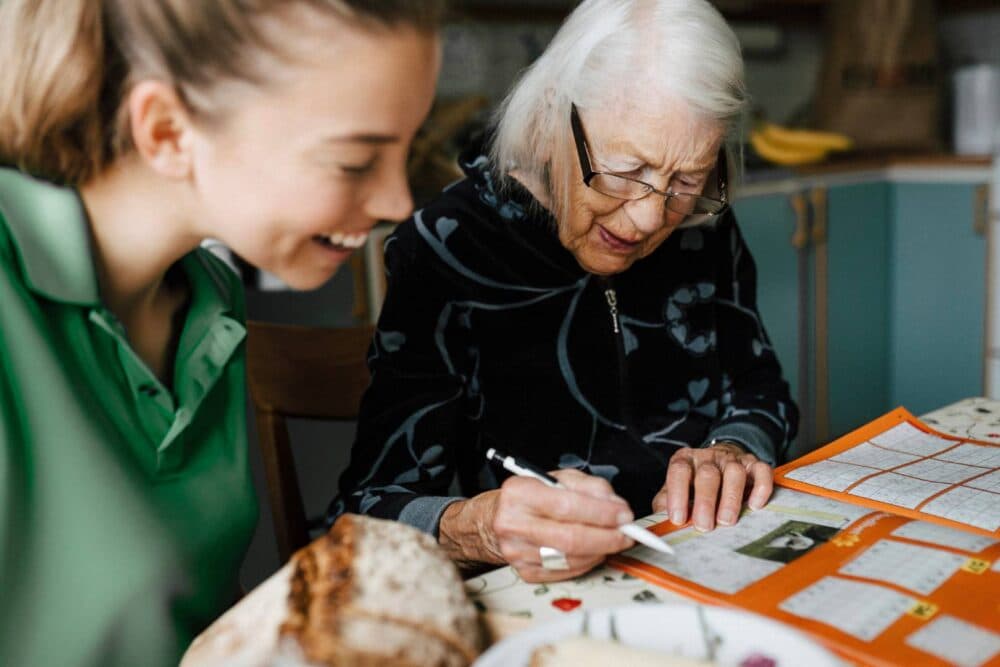
The aim here isn’t to make everything easy. It’s to remove barriers that genuinely get in the way.
Put commonly used items within easy reach. In the kitchen, keep the kettle, mugs and tea bags on one worktop shelf so making a drink doesn’t involve searching or stretching. In the bathroom, place a flannel, soap and toothbrush on the side of the basin rather than inside a cabinet.
Break tasks into stages. Getting dressed can be split across a short rest: sit on the bed to manage lower clothing, take a few minutes’ break, then stand to adjust. This makes the task possible without making it exhausting.
Keep familiar things in familiar places. Moving objects around the home, even with good intentions, adds unnecessary mental load. The brain after a stroke is working far harder than it appears to be, so consistency in the environment reduces effort that doesn’t need to be there.
Use a weekly pill organiser. It makes taking medication manageable independently and shows at a glance whether a dose has been missed. A small thing, but one that supports both safety and a genuine sense of control.
Plan rest before an activity, not just after it. Fatigue after a stroke is quite different from ordinary tiredness; it’s the brain signalling that it needs to pace itself. Building a short rest in before something demanding, like a shower or a brief walk outside, can make the difference between completing a task independently and needing support.
Name the achievement, not just the effort. Rather than a general “well done,” try “you made your own breakfast this morning.” Being specific about what was accomplished makes the progress feel real, because it is.
Recovery Takes the Time It Takes
The Stroke Association estimates that around two thirds of stroke survivors leave hospital with a disability, and for many people the process of rebuilding takes months, sometimes considerably longer. That’s not a reason to lose hope. It’s a reason to keep expectations grounded in where your loved one is right now, not where you hoped they’d be by a certain point.
Recovery isn’t a smooth, upward line. There are good days and harder ones, and the aim on a difficult day isn’t necessarily to push through but to keep the routine as steady as possible. It’s consistency that helps the brain form new connections over time.
It also means looking after yourself. Supporting someone through a long recovery is genuinely demanding. The quality of care you’re able to give is directly connected to how well you’re managing your own energy, and asking for help isn’t a step back from that.
From the Stroke Cafe to Our Team: Lene’s Story
One of the things that stays with us is seeing what rebuilding independence actually looks like in practice, and how different it can be from what anyone expected.
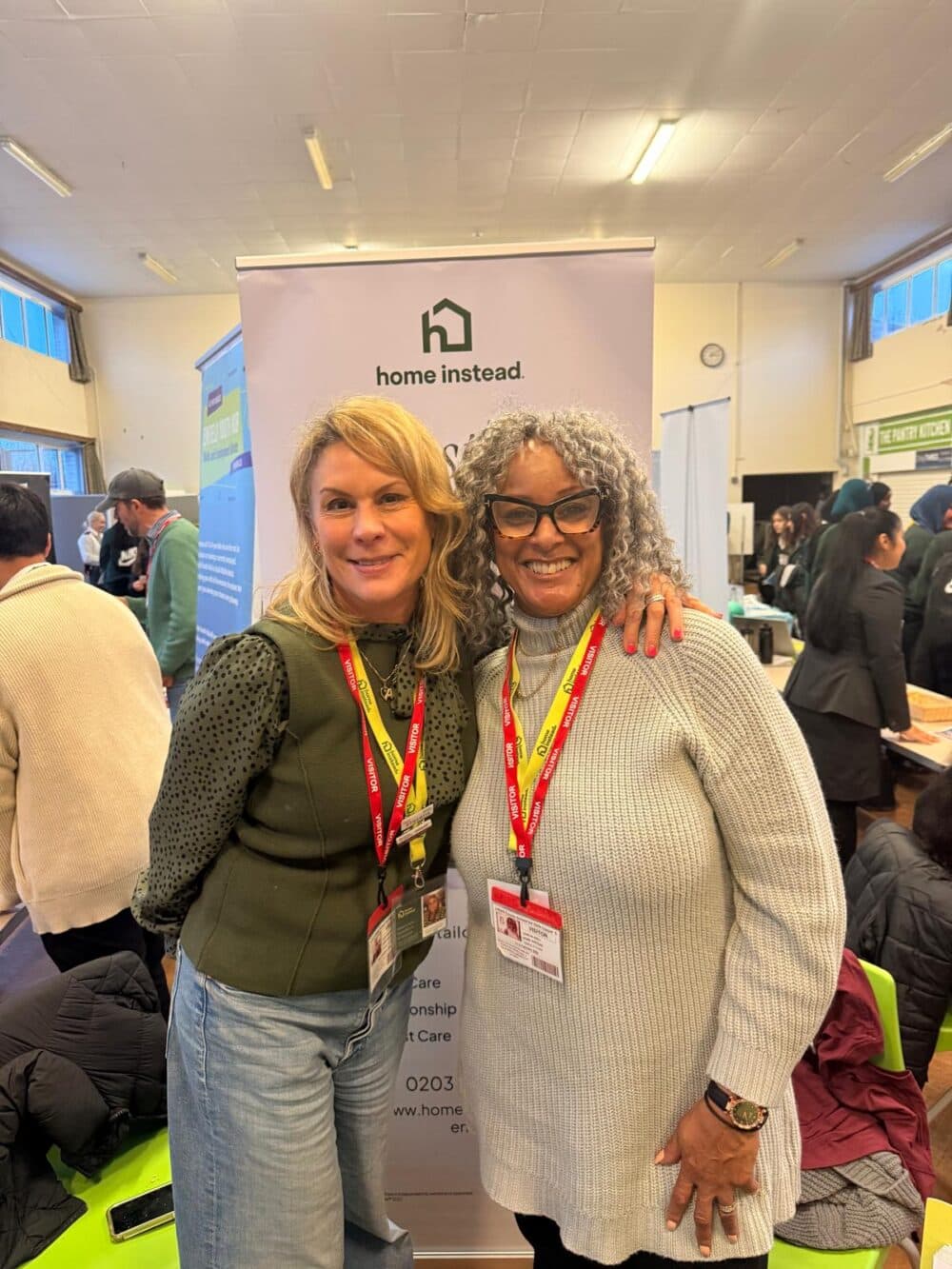
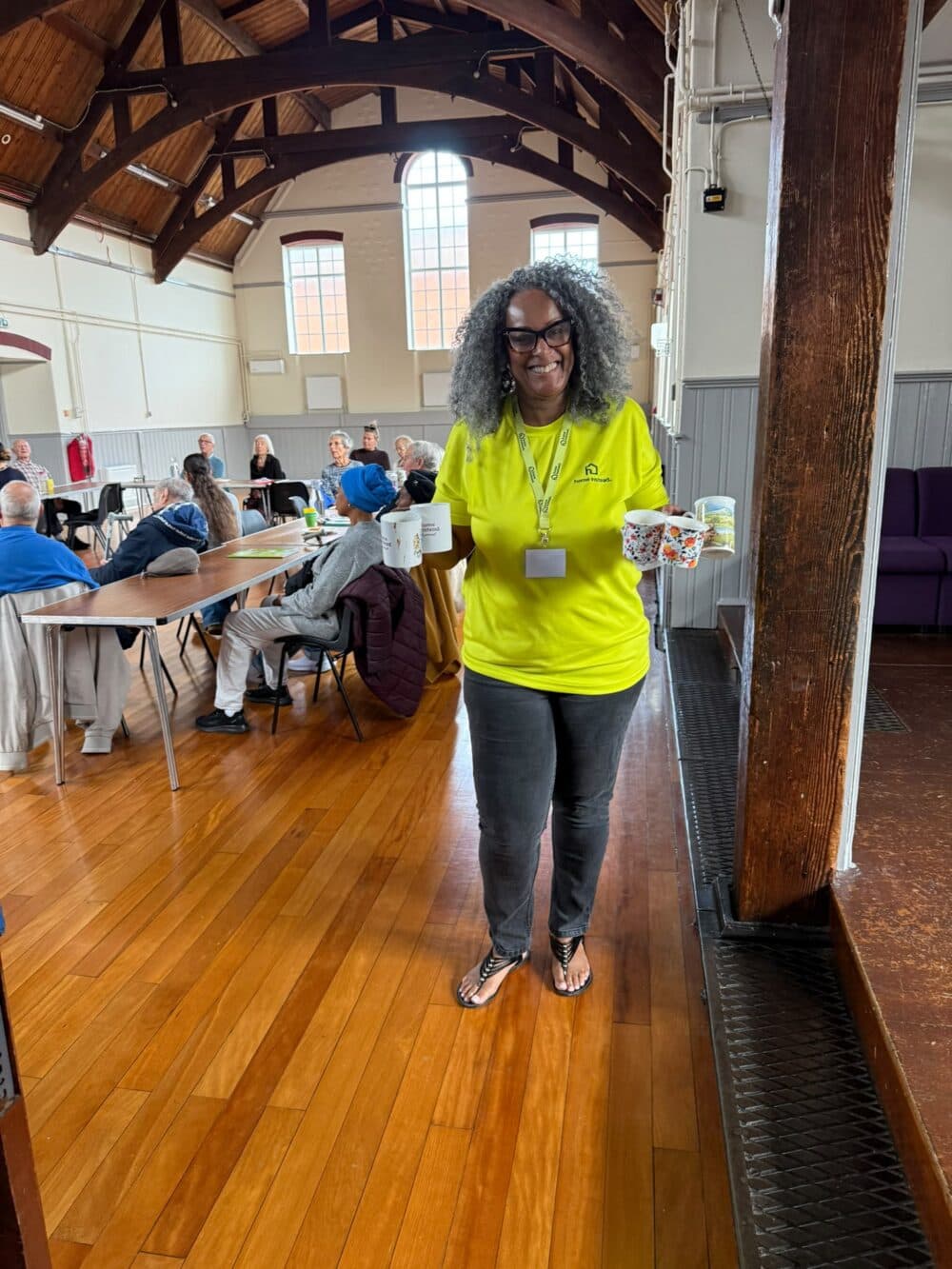
Alex, our local lead, has been visiting the Stroke Cafe over the years, building a strong relationship with the group who meet every Tuesday at a church hall in Enfield as they rebuild their lives. There she met Lene, a regular at the cafe. They got chatting and Alex found out that Lene was working for North Middlesex Hospital in the Therapies department when she had her stroke. It changed her life. She wasn’t able to return to her work, the recovery was slow and took its time, but she eventually bounced back, returning to much of her old life. With the exception of work. Continuing in admin was impossible as the stroke had affected her memory and thinking. She told Alex how frustrating this was; she wanted to work, but didn’t feel she could hold down a full-time job.
Alex offered Lene a few hours a week in the office to support the team and learn about Home Instead. As Lene’s dad has dementia, Home Instead’s work resonated with her immediately and she was really keen to get stuck in. Lene has been part of the team ever since, helping out at the Memory Lunch Club and supporting Alex with networking activities in schools and at the hospital.
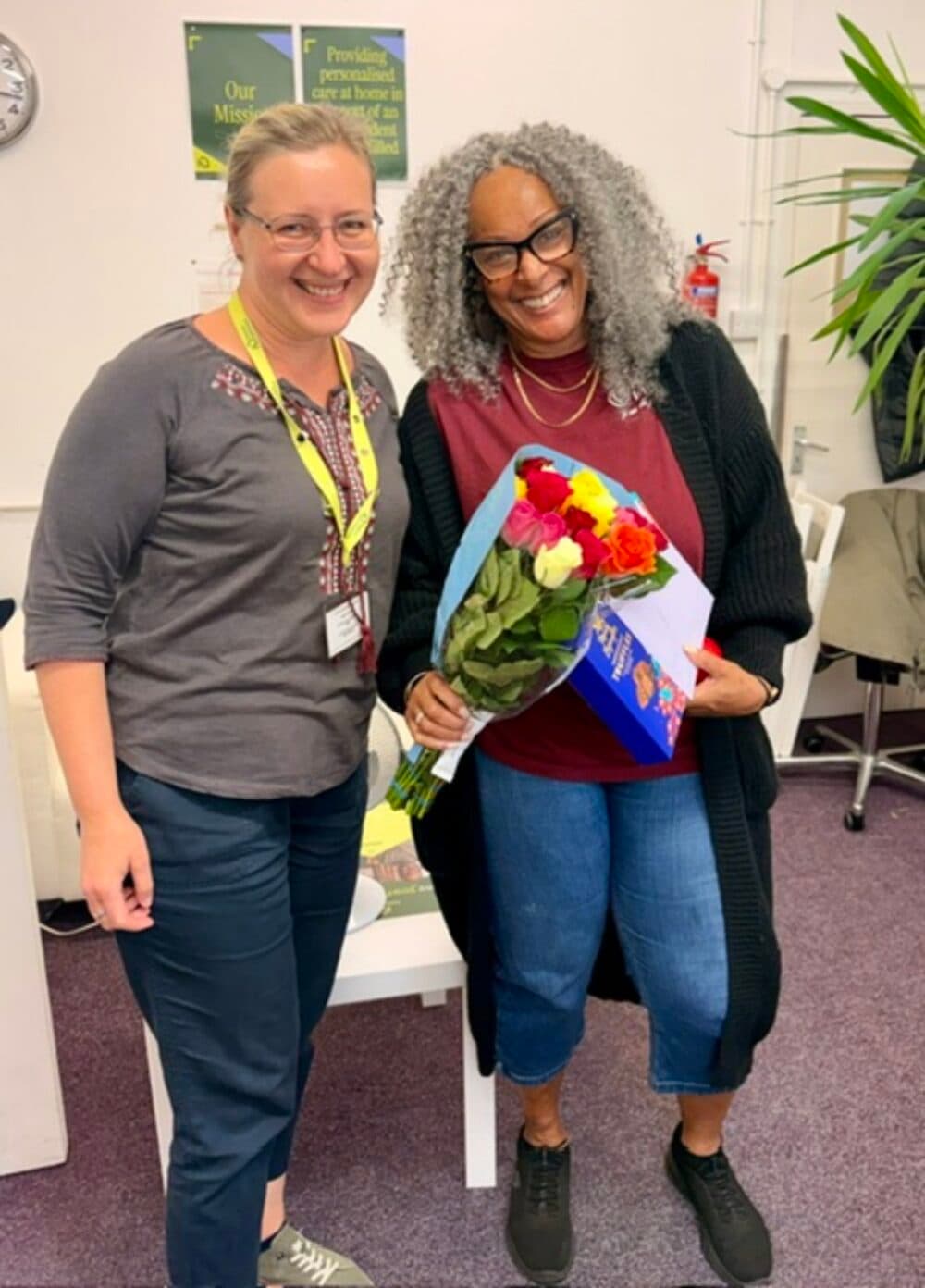
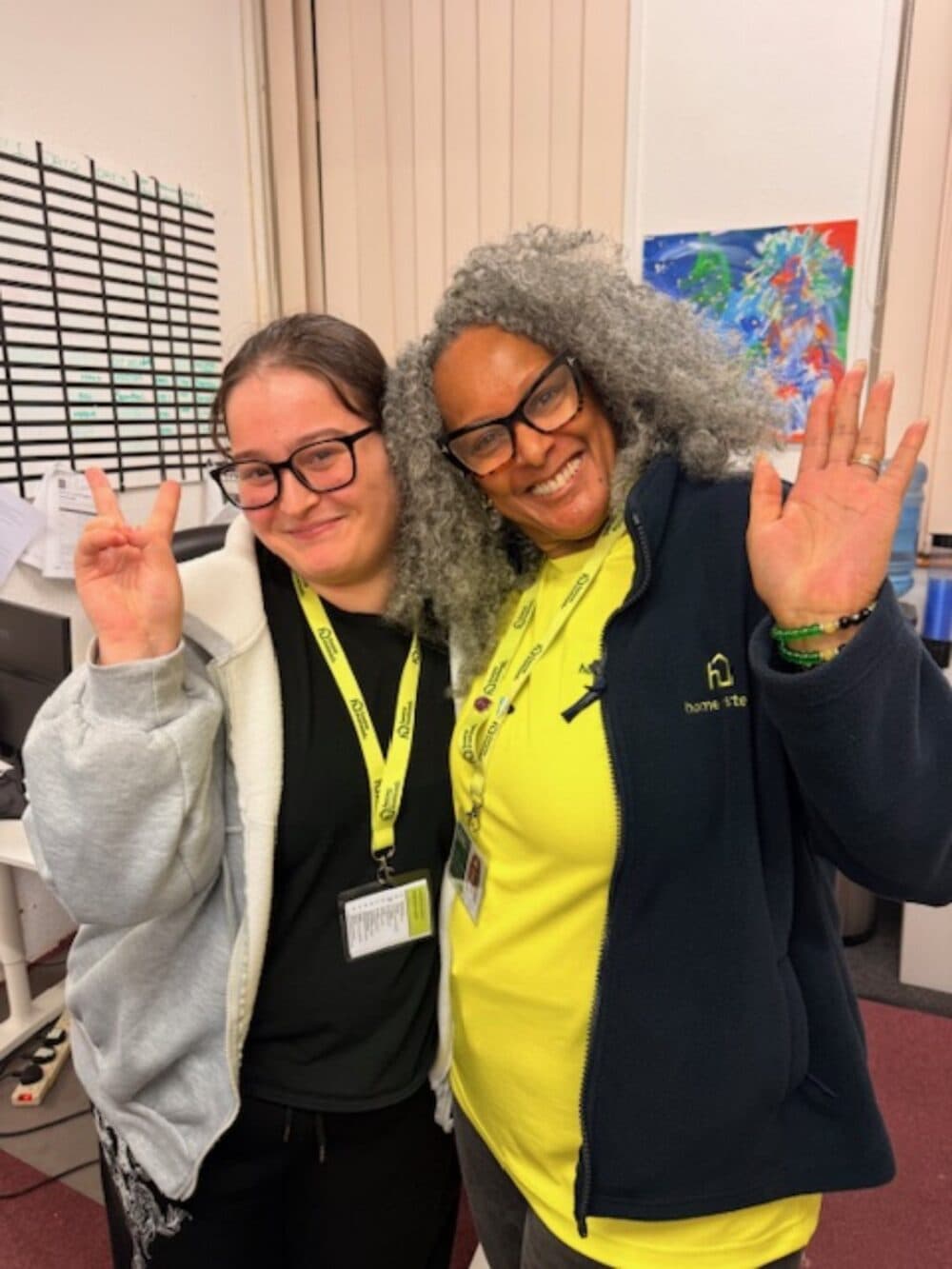
Lene has been with Home Instead Enfield for just over a year and has gone from strength to strength. Her confidence has grown, she feels valued and needed as part of our team, and her positive outlook and can-do attitude are a delight to be around.
Her story isn’t one of going back to exactly what she had before. It’s one of finding a new version of independence, on her own terms. That’s what recovery can look like.
How After Stroke Care at Home Can Help
Supporting someone through stroke recovery is much harder to sustain alone, particularly if you’re also working or balancing other commitments alongside it.
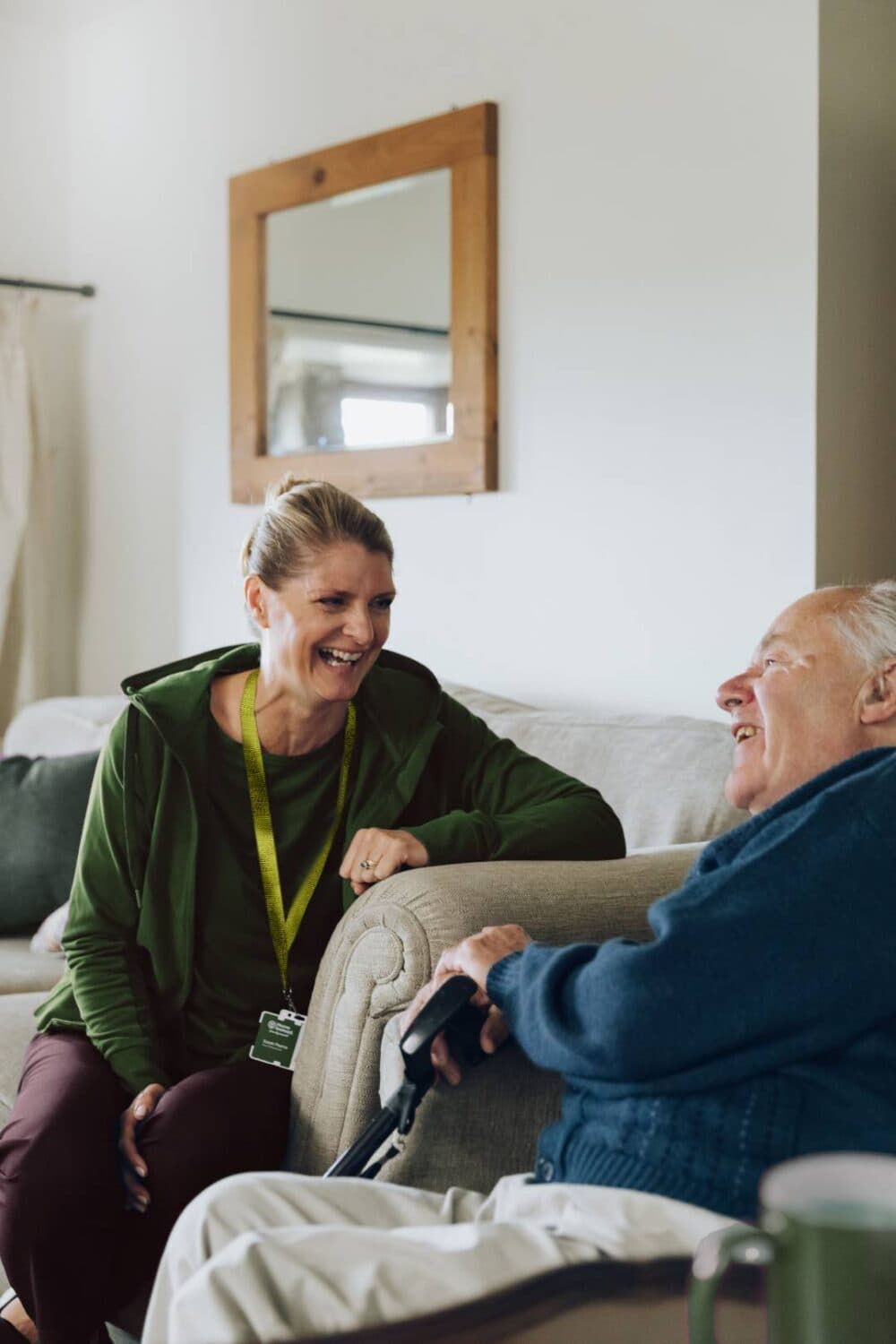
Our Care Professionals support stroke recovery at home in a way that encourages independence rather than creating reliance. That might mean being present while a client works through a task themselves, rather than stepping in. It might mean helping to build a consistent daily routine that supports the brain’s recovery. Or it might simply mean providing calm, familiar company during what can be an unsettling and tiring time.
Our After Stroke Care at Home service works alongside the goals set by your loved one’s NHS therapy team, not instead of them. In practice, that can include preparing meals, supporting personal care, prompting medication and keeping the home environment safe; all of which frees up your loved one’s energy for the recovery itself.
You’re welcome to find out more on our After Stroke Care at Home page.
Questions Families Ask About Rebuilding Independence After a Stroke
How long does it take to regain independence after a stroke?
There’s no single answer, and recovery looks genuinely different for everyone. Some people make significant progress in the weeks immediately after a stroke, while for others it takes much longer. What’s important to know is that recovery can continue for months, and in many cases for years. Keeping consistent with therapy exercises and daily routines makes a real difference over time.
How can I help without doing too much for my loved one?
Follow the guidance of the therapy team on what your loved one should be doing independently and where support is needed. As a general rule, offer help only when a task can’t be completed safely, or when it’s specifically asked for. If you’re unsure, the occupational therapist is exactly the right person to ask; they can advise on the appropriate level of support at each stage of recovery.
What if my loved one gets frustrated or gives up on tasks?
Frustration is completely normal after a stroke, and it’s worth remembering that the brain and body are working far harder than they appear to be. Keep goals small and short, acknowledge the effort rather than just the outcome, and speak to the GP or stroke team if low mood or withdrawal from daily activities becomes a consistent pattern. Emotional support is as much a part of recovery as physical rehabilitation.
Talk to Us About Support After a Stroke
If your loved one has recently had a stroke and you’re thinking about what support might help at home, we’d be glad to have a friendly, no-pressure conversation with you. There’s no obligation, and it’s simply a chance to talk through what’s possible.
You can reach the team at Home Instead Enfield in any of the following ways:
Phone: 0203 6418851
Contact page: www.homeinstead.co.uk/office/enfield/
Address: Unit 22, 26-28 Queensway, Ponders End, Enfield EN3 4SA
We’re here when you’re ready.
How can we help?
We've helped thousands of families to stay safe, comfortable and happy at home. Whatever situation you're facing, or whatever the question is, Home Instead is here to help.
Are you in need of a little guidance right away?
Other non-care-related enquiries