Mealtimes After a Stroke
Supporting Safe Eating and Drinking

Mealtimes after a stroke can become one of the most unexpectedly difficult parts of daily life. The stroke itself may last only minutes, but its effects on something as ordinary as eating breakfast or drinking a cup of tea can be far-reaching and long-lasting.
On World Stroke Day, 29 October 2026, we want to focus on something many families find themselves facing without much warning: how to support a loved one to eat and drink safely at home during recovery. This post covers what swallowing difficulties look like, what the right professional guidance involves, and how to make mealtimes feel calmer and more manageable day to day.
Always Start With What the Speech and Language Therapist Says
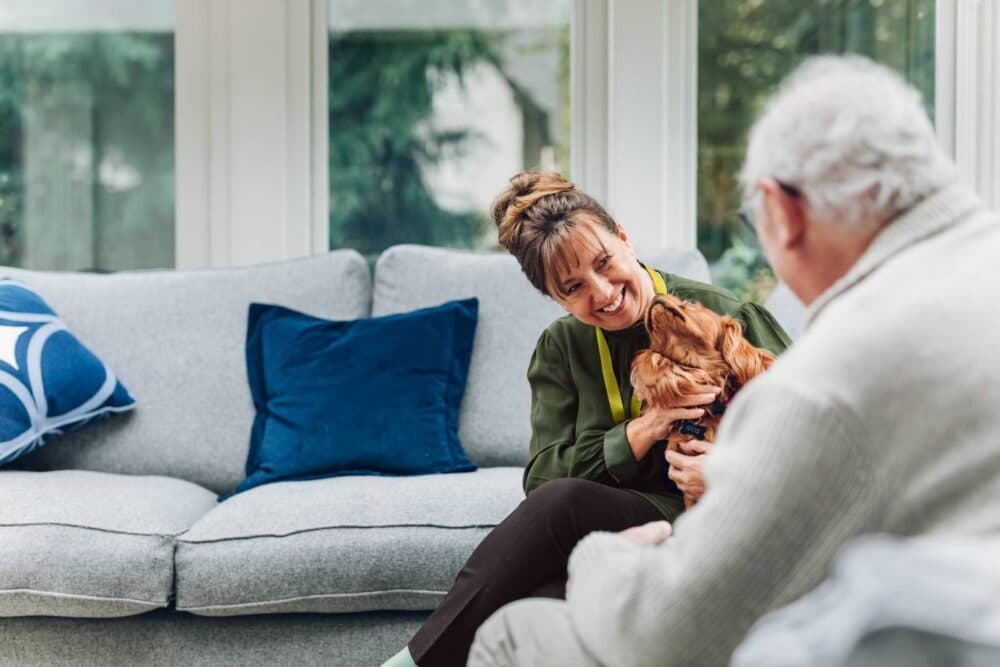
Always follow the guidance from the speech and language therapist on food textures and drinks. This is the single most important point in this post, and it is worth pinning somewhere you can refer to it easily.
A speech and language therapist (usually called an SLT) assesses how safely a person can swallow and sets out exactly what they can manage. Their advice is specific to your loved one, not a general recommendation. They may use the IDDSI framework, a standard set of food texture and drink consistency levels ranging from thin fluids through to regular food, to describe what is safe. They may recommend thickened drinks prepared to a particular consistency, or advise against certain food types altogether.
If any part of the guidance is unclear, call the SLT department directly or ask for a follow-up through the GP. Do not guess, and do not quietly go back to previous eating habits if swallowing remains difficult. NHS 111 can also help if you are worried between scheduled appointments.
How a Stroke Can Affect Eating and Drinking
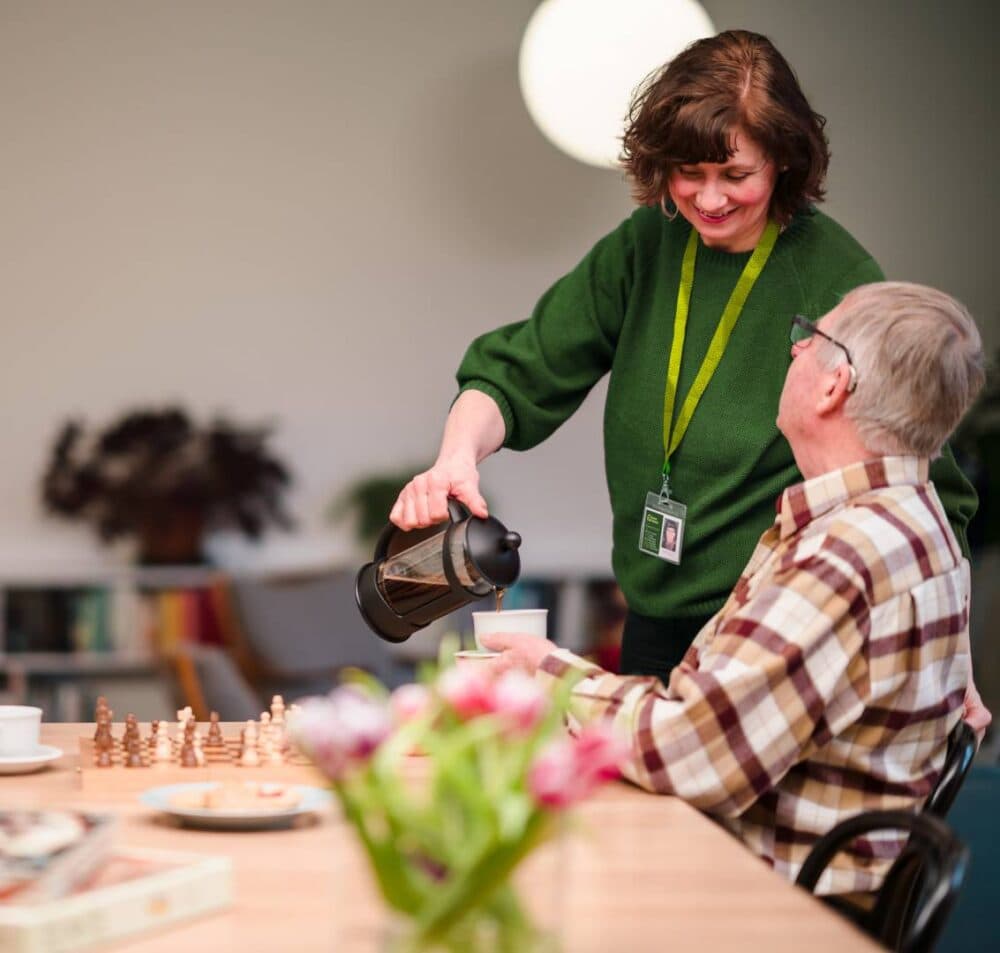
The medical term for swallowing difficulties is dysphagia (pronounced dis-FAY-jee-ah). It occurs because a stroke can damage the area of the brain that controls the muscles used for chewing, moving food around the mouth, and swallowing safely.
Signs to watch for include:
- Coughing or choking during or shortly after eating or drinking
- A wet, gurgling quality to the voice after swallowing
- Food or drink coming back up or escaping from the mouth
- Meals taking much longer than they used to
- Your loved one saying food feels stuck in the throat
- Quietly avoiding certain foods or refusing to eat without explaining why
If you notice any of these, tell the GP or stroke team. You do not need to diagnose anything yourself. Your job is to notice it and report it.

Practical Steps to Make Mealtimes Safer at Home
Setting mealtimes up thoughtfully costs very little but makes a real difference to safety and confidence.
Posture matters more than most families realise. Your loved one should always be sitting fully upright in a proper chair, not reclined on a sofa or propped up in bed. Sitting upright makes swallowing significantly easier and reduces the chance of food or liquid entering the airway. Allow at least 30 minutes after eating before lying down.
Remove distractions during the meal. Turn off the television and keep conversation light rather than involved. Swallowing safely after a stroke requires concentration, and distractions make it easier for a problem to go unnoticed. A calm table, even for a simple lunch, is worth the effort.
Think about equipment. If your loved one has weakness on one side, adapted cutlery with wider handles, a plate guard to stop food sliding, and a non-slip mat under the bowl can all reduce frustration and make eating more independent. The occupational therapist (OT) can advise on what would genuinely help for your loved one’s particular situation.
Offer smaller amounts at a time. A heavily loaded fork or a full glass gives less control and increases the risk of difficulty. Smaller bites and smaller sips are simply safer at this stage of recovery.
Check the temperature before serving. After a stroke, some people find it harder to tell whether food or a drink is too hot. Test it yourself before handing anything over, and use an insulated mug to keep drinks at a consistent, manageable warmth.
Stay nearby without making it feel like a procedure. Being present during meals means you can respond quickly if anything goes wrong. But sitting down at the table together, rather than standing and watching, keeps mealtimes feeling as normal as possible.
The Emotional Side of Eating Differently
Recovery from a stroke involves rebuilding confidence as much as physical ability, and mealtimes sit right at the centre of that.
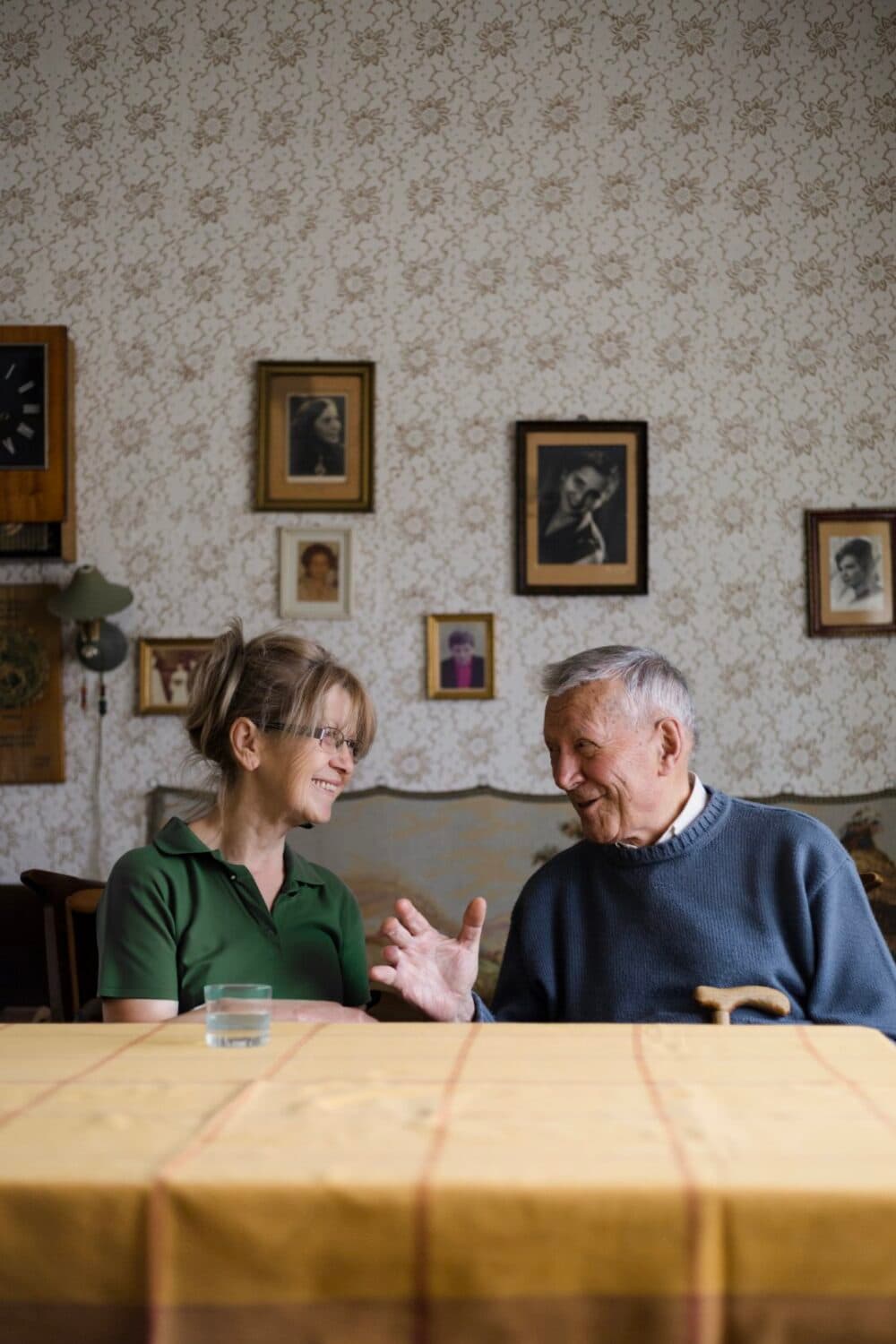
A changed diet can feel like a loss, both for the person living with it and for the family around them. Some people feel embarrassed eating in a different way or needing help at the table. Acknowledging openly that mealtimes feel different right now, rather than trying to make everything seem as it was, often helps more than cheerfulness that does not quite ring true.
Where you can, build meals around foods your loved one can manage safely and ask what they fancy rather than deciding for them. Small choices, such as which mug to use or whether to have a soft egg dish or a bowl of soup, keep a sense of independence and dignity in place. That matters a great deal.
Recovery looks different for everyone. The Stroke Association notes that around two thirds of stroke survivors leave hospital with some form of disability. Eating difficulties are part of that reality for many families. The good news is that swallowing often improves, sometimes significantly, in the weeks and months following a stroke. Progress is individual, but it does happen, and the SLT will reassess regularly as it does.
Recognising a Stroke With the FAST Signs
While this post focuses on life after a stroke, knowing the signs of one is always worthwhile, including for stroke survivors whose risk of a further stroke is higher.
Face: Has it fallen on one side? Is there drooping around the eye or mouth?
Arms: Can the person raise both arms and keep them there?
Speech: Is it slurred, muddled or hard to understand?
Time: Call 999 immediately.
Even if symptoms seem to pass quickly, call 999. What may appear to be a mini-stroke, known medically as a transient ischaemic attack or TIA, is a warning that requires urgent medical attention. Do not wait to see whether things improve on their own.
Local Support in East Hertfordshire and Uttlesford
Families supporting a loved one after a stroke in this area have access to some genuinely helpful local organisations.
Harlow Stroke Support-Rehab Centre offers rehabilitation activities, speech and language support, exercise sessions and social groups for stroke survivors and their carers. You can reach them on 01279 308313.
Saffron Walden Stroke Club supports stroke survivors and their carers through rehabilitation activities, social interaction and community connection. Their number is 01799 599210.
Headway Hertfordshire provides support for people affected by acquired brain injuries, including strokes, and runs peer support groups in Hertford and other areas of Hertfordshire. They can be contacted on 0300 330 1455. More information is also available at headway.org.uk.
Connecting with a local group can ease the isolation that stroke recovery sometimes brings, for both the survivor and the people caring for them.
For broader information and guidance, the Stroke Association and the NHS stroke pages are reliable, up-to-date starting points.

How a Care Professional Can Help at Mealtimes
Our Care Professionals work alongside the NHS stroke team and community therapists. At mealtimes, that means following the SLT’s guidance on food textures and drink consistency, preparing meals to the right specification, and sitting with your loved one so they have company and someone present if they need support.
We can also help with the practicalities surrounding meals: shopping for appropriate foods, preparing soft or modified-texture dishes that are still appealing, and setting the table in a way that works for your loved one’s specific needs. That kind of unhurried, familiar help makes a real difference to how mealtimes feel.
If you are working during the day or finding the lunchtime routine difficult to manage, a Care Professional visiting at that time can take pressure off you without removing your loved one’s sense of independence at home.

Frequently Asked Questions
How long does dysphagia last after a stroke?
Swallowing difficulties often improve in the weeks and months following a stroke, and some people recover full swallowing function in time. Others need longer-term support. A speech and language therapist will reassess regularly and update their recommendations as recovery progresses. Ask the SLT team what a realistic picture looks like for your loved one specifically.
Can someone with dysphagia still enjoy their food?
Yes, with the right preparation. Soft, moist dishes and foods that hold together well can be made to taste genuinely good. A dietitian can suggest ideas tailored to your loved one’s texture level, and some areas have modified-texture recipe resources available. Safety comes first, but enjoyment does not have to disappear.
What should I do if my loved one refuses to eat the recommended texture?
This is more common than families expect, and it is understandable. Speak to the SLT honestly rather than quietly reverting to unsafe foods. They may be able to suggest alternatives, adjust the approach, or refer your loved one to a dietitian or specialist who can help. Keeping the team informed is always the right step.
Talk to Us About Support After a Stroke
If you are supporting a loved one at home following a stroke and mealtimes, or any part of the daily routine, feels hard to manage, our team at Home Instead East Herts & Uttlesford would be glad to have a friendly conversation.
We offer after stroke care at home and can tailor support to work alongside the guidance already in place from your loved one’s therapy team. There is no pressure, no obligation. We are simply here if you need us.
Call us: 01279 721443
Contact us online: homeinstead.co.uk/office/east-herts-uttlesford
Find us at: Allen House, Business Centre, The Maltings, Station Rd, Sawbridgeworth CM21 9JX

How can we help?
We've helped thousands of families to stay safe, comfortable and happy at home. Whatever situation you're facing, or whatever the question is, Home Instead is here to help.
Are you in need of a little guidance right away?
Other non-care-related enquiries