Understanding Fatigue After a Stroke
Fatigue after a stroke is one of the most common effects of stroke recovery, and one of the least understood. Families often find it baffling: their loved one looks well, they have been home from hospital for weeks, yet they are exhausted by mid-morning and need to rest for an hour after something that seemed like a small task. This World Stroke Day (29 October 2026), we want to address this directly.
In this post we explain why post-stroke fatigue happens, what it looks like from day to day, and how planning rest into the routine, rather than pushing through, can make a real difference to recovery. You will find practical steps for families, guidance on when to go back to the GP, and an honest look at how home care can help.
Why Fatigue After a Stroke Isn’t Like Ordinary Tiredness
After a stroke, the brain is working to repair itself and find alternative routes for messages that used to travel through damaged tissue. That takes far more energy than most people expect. The fatigue that results is not the same as feeling tired after a poor night’s sleep. It can arrive without warning, it doesn’t always lift with rest, and it can affect people regardless of how mild or severe their stroke was.
Fatigue after a stroke is different from normal tiredness. Planning rest into the day helps more than pushing through.
This is worth saying clearly, because many people, including stroke survivors themselves, find it genuinely hard to accept. There is sometimes an unspoken pressure to recover at a certain pace, to be positive, to push on. But pushing through post-stroke fatigue typically makes it worse, not better. Building rest into the routine is not giving in: it is part of how recovery works.

What Post-Stroke Fatigue Can Look Like Day to Day
Post-stroke fatigue shows up differently for different people. Some find it mainly physical: heavy legs, a need to lie down by mid-morning, or a short walk that leaves them wiped out for the rest of the day. Others find it affects their thinking: concentrating becomes harder, words slip away more easily, and making simple decisions feels effortful in a way it never used to.
Some people feel relatively fine in the morning and then hit a wall after lunch. Others wake already exhausted despite a full night’s sleep. Noise, busy social situations, watching television, or holding a conversation can all add to fatigue on top of any physical activity, and the effect can be cumulative across the day.
It is also common for the person recovering to feel embarrassed or frustrated about this. They may downplay how tired they feel, or push themselves to appear fine when visitors call. Gentle reassurance that post-stroke fatigue is a recognised medical response, not a sign of weakness or low effort, can help more than encouragement to try harder.
How to Plan Rest Into the Day
The aim is not to rest all day. It is to structure the day so that energy is used thoughtfully and rest becomes part of the plan, rather than something that happens when things fall apart. Here are some practical steps that tend to help.
Work with the morning. Energy is often highest in the earlier hours. Plan therapy exercises, a short walk, or a meaningful activity for the morning and keep afternoons lighter. If your loved one needs to get washed and dressed before anything else can happen, factor that in: it uses real energy.
Keep a simple log. A small notepad tracking what your loved one did, when fatigue arrived, and how long recovery took can reveal patterns. You might notice that a shower is manageable at 9am but exhausting at 3pm, or that a phone call needs an hour’s rest afterwards. That kind of information is genuinely useful to share with the GP or stroke team.
Rest before the activity, not just after. If there is a hospital appointment or a family visit planned for the afternoon, a rest beforehand gives your loved one more to work with. Waiting until they are already worn out makes everything harder to manage.
Reduce background noise and busyness. The television left on, a busy kitchen, several people talking at once: all of these add to the mental effort of the day. A quieter environment for parts of the day can slow the rate at which fatigue builds.
Break tasks into smaller steps. Getting dressed, making a hot drink, reading a letter: each of these takes more concentration after a stroke than it did before. Building short pauses between steps, rather than treating a task as one continuous effort, helps your loved one pace their energy across the morning rather than spending it all in the first hour.
Be honest with visitors. Letting family and friends know in advance that visits may need to be shorter than they are used to, and that this is not personal, helps protect your loved one’s energy for the things they value most. A short visit your loved one can enjoy is better than a long one that exhausts them for two days.

When to Speak to the GP About Fatigue
Post-stroke fatigue is common, but it deserves proper attention from the medical team. It is worth raising with the GP if fatigue is getting worse rather than better over several weeks, if sleep is significantly broken or unusually long, if low mood or anxiety seems to be making exhaustion worse (the two often go together after a stroke), or if fatigue is preventing your loved one from taking part in their rehabilitation programme.
The GP may be able to refer to an occupational therapist, explore whether a specialist fatigue clinic could help, or look into whether other factors such as anaemia, thyroid problems or medication side effects are playing a part. Don’t assume nothing can be done: post-stroke fatigue is taken seriously by stroke teams and there are ways to manage it better.
The Stroke Association has a clear and practical resource on post-stroke fatigue that is well worth reading. The NHS stroke recovery pages also cover what families can expect in the months after a stroke.
How Home Care Can Help With Post-Stroke Fatigue
One of the quieter drains on a stroke survivor’s energy is the daily effort of managing at home. Preparing meals, managing personal care, keeping on top of household tasks: each of these takes effort that might otherwise go towards therapy exercises, a short walk, or time spent with people who matter.
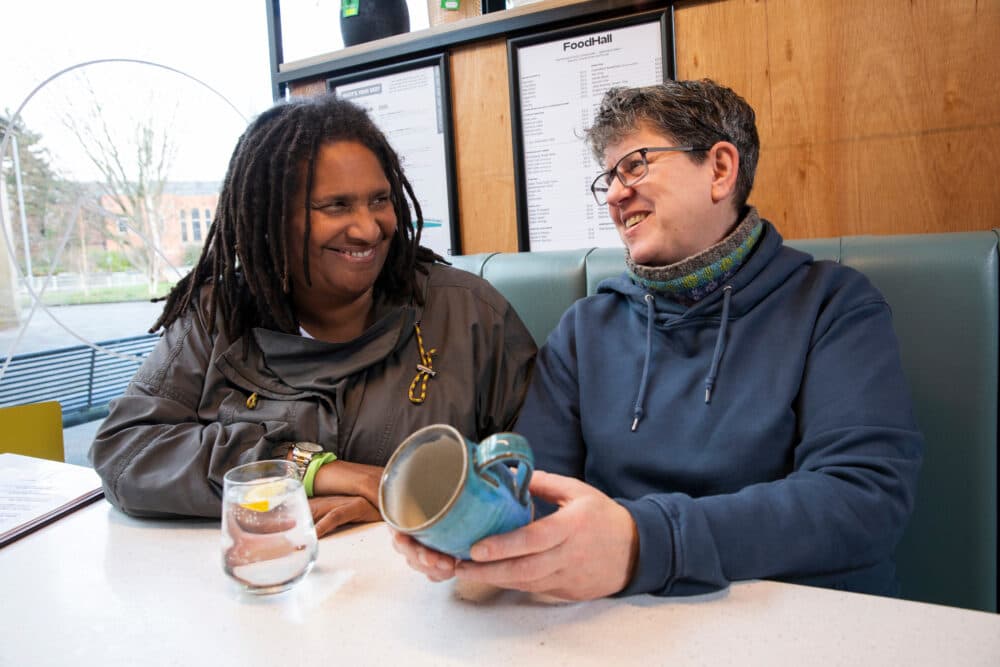
A Care Professional from Home Instead East Dorset can take on some of that practical load, so your loved one’s energy goes where it makes the most difference. That might mean preparing a light lunch so they don’t need to stand at the hob mid-morning, supporting personal care at a pace that doesn’t rush or tire them, or being there during a rest period so a family carer can step away and have a proper break.
Our Care Professionals work alongside the NHS stroke team and any therapy that is in place. We follow the guidance from occupational therapists and physiotherapists on what your loved one should be doing for themselves, and we support with the rest. After Stroke Care at Home is about helping someone get the most from their recovery, not doing everything for them.
Frequently Asked Questions About Fatigue After a Stroke
How long does fatigue after a stroke last?
Post-stroke fatigue is different for everyone. For some people it improves significantly in the first few months after a stroke. For others it continues for a year or more, particularly if the stroke was more severe or if other health conditions are present. Regular reviews with the GP or stroke team can help track progress and explore support options along the way.
Is post-stroke fatigue the same as depression?
No, although the two can occur together and each can make the other worse. Post-stroke fatigue is a physical response to brain injury. Depression after a stroke is a separate condition with its own signs, including persistent low mood, loss of interest in activities that used to matter, and changes in appetite or sleep. If you are concerned about either, speak to the GP sooner rather than later.
Can anything make post-stroke fatigue worse?
Yes. Overdoing activity on a good day, broken or irregular sleep, stress, infection, pain and some medications can all increase fatigue. Keeping a simple log, as described above, can help identify what affects your loved one most and give you useful information to share with the care team at the next appointment.
Talk to Us About Support at Home After a Stroke
If your loved one is recovering from a stroke and fatigue is making daily life more difficult, we are here for a friendly conversation. Home Instead East Dorset offers After Stroke Care at Home, providing warm, consistent support from Care Professionals who understand what recovery really involves.
There is no pressure and no obligation. We are happy to talk through what support might look like for your family.
Home Instead East Dorset
Phone: 01202 912826
Contact us: https://www.homeinstead.co.uk/office/east-dorset-blandford/
Address: 55b Cobham Road, Ferndown Industrial Estate, Wimborne, BH21 7RB
How can we help?
We've helped thousands of families to stay safe, comfortable and happy at home. Whatever situation you're facing, or whatever the question is, Home Instead is here to help.
Are you in need of a little guidance right away?
Other non-care-related enquiries