Emotional Changes After a Stroke
What Families Should Know
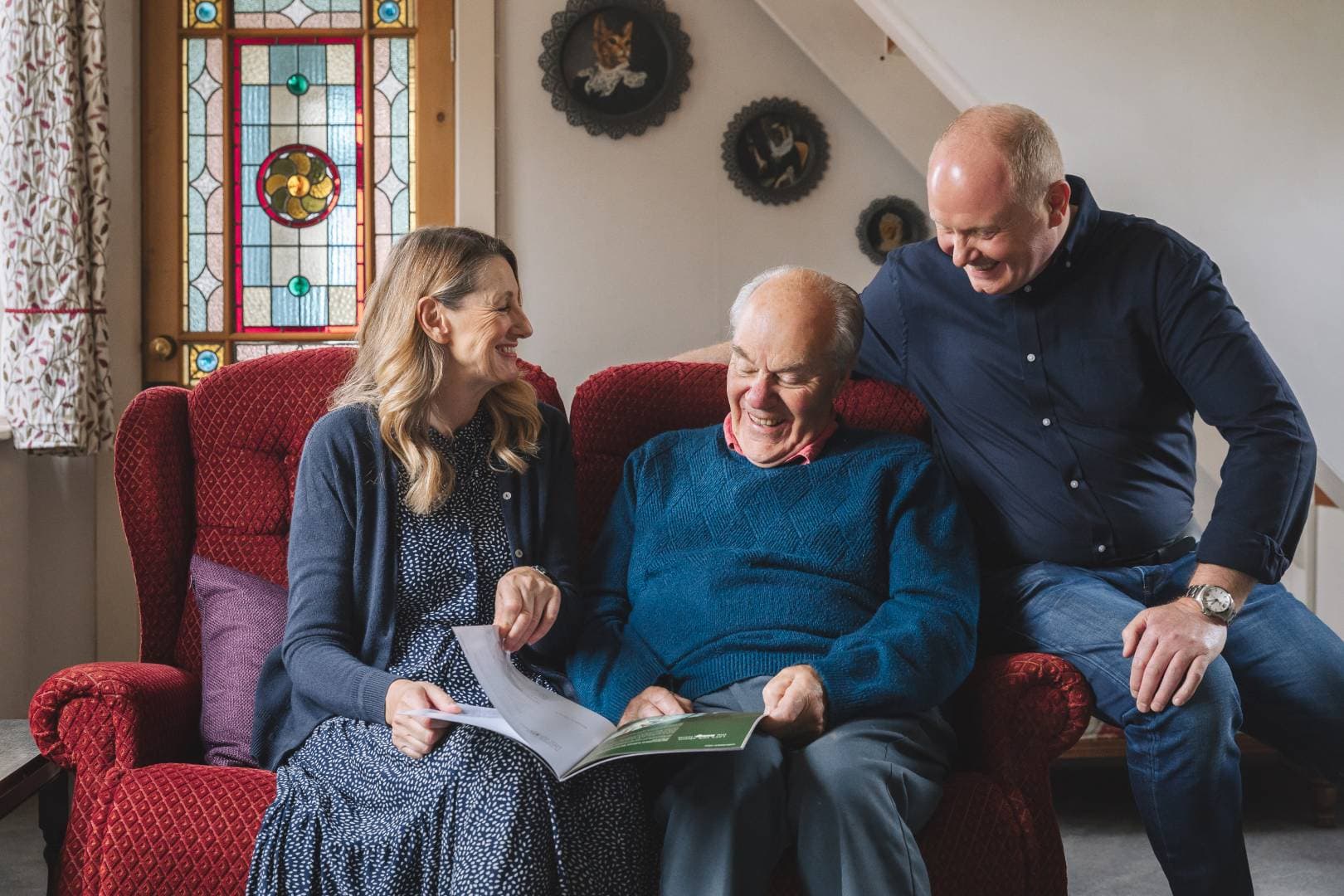
Emotional changes after a stroke can catch families completely off guard. You may have braced yourself for physical difficulties, but the sudden tearfulness, irritability or withdrawal that sometimes follows a stroke can feel harder to understand and harder to know how to respond to. On World Stroke Day, 29 October 2026, it feels like an important moment to talk honestly about this side of recovery, because it does not get nearly as much attention as it deserves.
This post covers the most common emotional and psychological changes that happen after a stroke, what tends to cause them, and what families can actually do to help. We also share some guidance on when to seek more support, and how a Care Professional at home can make a real difference day to day.
Why Does a Stroke Affect Emotions?
Mood changes are common after a stroke and are not a reflection of how your loved one feels about you. If they persist, mention them to the GP.
It helps to understand why these changes happen, because it makes them easier to respond to without taking them personally. A stroke affects the brain, and the brain controls everything: movement, speech, memory and emotion. When part of the brain is damaged, the way a person processes and expresses feelings can shift, sometimes quite dramatically.
Some emotional changes are a direct result of the brain injury itself. Others are a completely understandable response to what has happened: losing independence, feeling frightened about the future, or struggling to communicate thoughts that once came easily. Most people experience some combination of both, and the picture often shifts over time.
This is not your loved one choosing to be difficult. It is not a sign that they have given up. It is part of how a brain heals, and it can be supported.
What Emotional Changes Might You Notice?
The range of emotional changes after a stroke is wider than many families expect. Here are some of the most common, with a brief explanation of each.
Post-stroke depression is the most frequently seen emotional condition after a stroke. It goes beyond feeling sad or low. Signs include losing interest in things your loved one used to enjoy, withdrawing from conversations and company, changes in sleep or appetite, and speaking negatively about themselves or the future. If these signs continue for more than two weeks, ask the GP for an assessment. It is treatable, and the sooner it is picked up, the better.
Emotional lability is when someone cries or laughs suddenly and without warning, often in situations where the emotion does not seem to match what is happening. This can be distressing to witness, and confusing for the person experiencing it. It is caused directly by the brain injury rather than by how your loved one is feeling inside. Acknowledging it calmly, without drawing too much attention to the moment, usually helps more than asking what is wrong.
Anxiety and fear are very common too, particularly around the worry of having another stroke or of being left alone. Your loved one may become reluctant to try activities they used to do without thinking.
Irritability and frustration often surface when someone is working hard to do something and their body or speech is not responding the way it used to. This is understandable, and it usually has nothing to do with the people around them.
Apathy, a loss of motivation or interest, is different from depression, though the two can look similar from the outside. A person experiencing apathy after a stroke is not being lazy. The part of the brain that initiates activity may have been directly affected.
How to Respond to Emotional Changes After a Stroke
There is no perfect response to every difficult moment, but there are approaches that consistently help.
Give the moment space. If your loved one becomes tearful or upset, resist the urge to rush past it or talk them out of it. Sitting quietly beside them, or saying “I’m here,” often matters more than finding the right words.
Keep your own tone even. If your loved one becomes frustrated or says something hurtful in the moment, try not to respond sharply. Short, calm sentences and a steady manner reduce tension rather than escalate it.
Offer small choices where you can. A sense of control is something stroke recovery can strip away. Letting your loved one choose between two options, even small things like which cardigan to wear or what to have for lunch, can quietly support their confidence and reduce anxiety over time.
Do not avoid the subject of how they are feeling. Families sometimes worry that asking will make things worse. In most cases, the opposite is true. A simple, open question such as “how have you been feeling in yourself this week?” opens a door without putting pressure on anyone to have a particular answer.
Keep familiar routines where possible. Predictability is reassuring when so much feels uncertain. Regular mealtimes, familiar programmes on television, a short walk at the same time each day: these things anchor the day and reduce the anxiety that comes with too much uncertainty.
Look after yourself too. Witnessing these changes in someone you love is hard. Feeling helpless, frustrated or upset is a normal response. Speaking to your own GP, or connecting with a carer support group, is not a sign of weakness. It is a sensible and necessary thing to do.
When to Ask for Help
Some emotional changes are expected in the weeks after a stroke and do settle as the brain heals and routines return. But there are signs that suggest a conversation with the GP or stroke team should not wait.
Ask for a GP appointment if your loved one has seemed persistently low, withdrawn or tearful for more than two weeks, if they are expressing hopelessness or saying things like “what is the point,” if their sleep or appetite has changed significantly, or if you are worried about their safety.
The GP can assess whether post-stroke depression or another condition is present and can refer to a counsellor, psychologist or specialist stroke rehabilitation team. There is no need to wait until a scheduled appointment if you are concerned: NHS 111 can advise on urgency.
Recovery from emotional changes after a stroke is rarely quick or straightforward, but it is possible. Many people do find that things improve with the right combination of medical support, familiar company and a gentle return to daily life. It takes time, and progress may not always be obvious week to week, but it does happen.
How Home Care Supports Emotional Recovery After a Stroke
Practical support and emotional wellbeing are closely linked after a stroke. When your loved one is helped with the things they currently find difficult, they are more likely to feel calmer, more confident and more connected to the day.
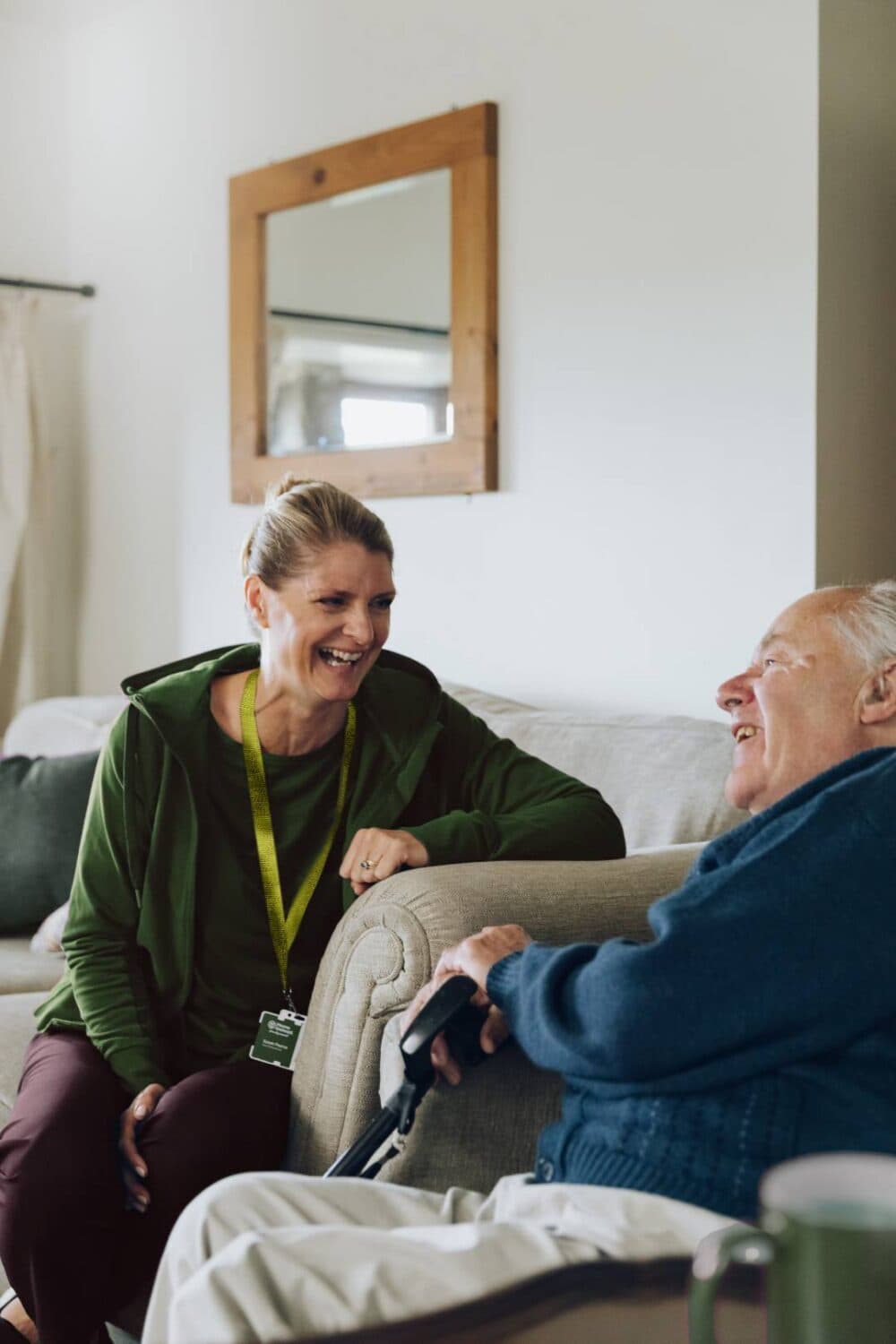
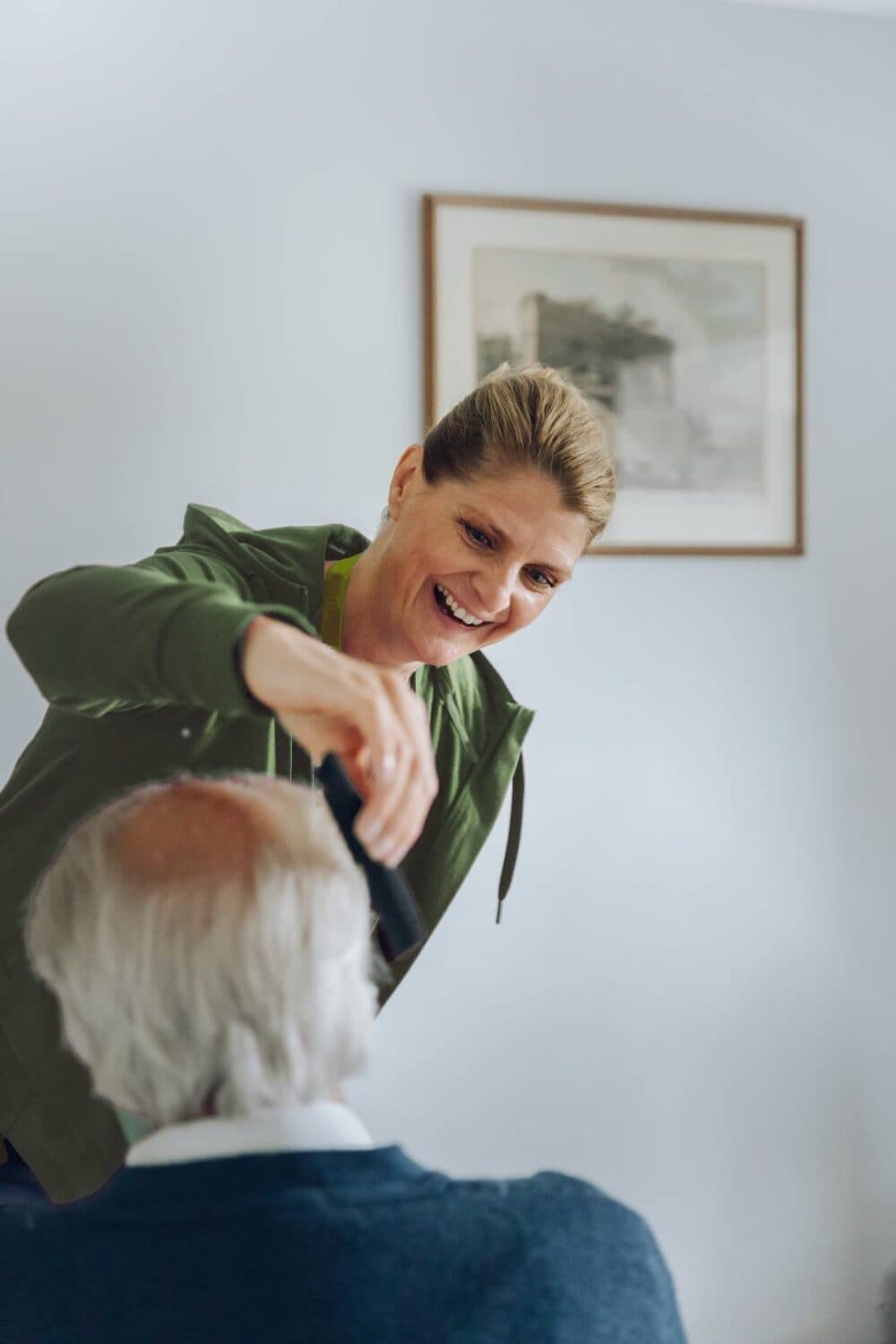
A Care Professional from our team provides regular, consistent company, which matters more than people often realise. Familiar faces and predictable routines help to ease anxiety. Gentle encouragement during daily activities, whether that is getting dressed, preparing a simple meal or taking a short walk, supports a gradual return to independence without pressure or hurry.
Our After Stroke Care at Home service works alongside the NHS stroke team and any therapists involved in your loved one’s care. We follow the goals and guidance set by the clinical team, and we let the team know if we notice changes in mood or behaviour that may be worth reviewing. We are not a replacement for medical support, but we can be a steady, familiar presence during what can be an unsettling time at home.

FAQ: Emotional Changes After a Stroke
Is it normal to cry a lot after a stroke?
Yes. Tearfulness is one of the most common emotional changes after a stroke and can have more than one cause. It may be emotional lability, which is a direct result of the brain injury, or it may reflect grief, fear or sadness about what has happened. Both are valid, and neither means your loved one is not coping. If it is affecting their daily life or you are worried about them, mention it to the GP.
How long do emotional changes last after a stroke?
This varies considerably from person to person. Some emotional changes settle within the first few months as the brain heals and daily routines return to normal. Others, particularly post-stroke depression, may need treatment to improve. Recovery rarely follows a straight line. If you are not seeing any improvement after a few weeks, speak to the GP or stroke nurse rather than waiting it out.
Can emotional changes after a stroke be treated?
Yes. Post-stroke depression often responds well to talking therapy and, where appropriate, medication. Emotional lability can also be treated medically. Your loved one’s GP or stroke team is the right starting point, and there is no benefit in waiting to raise it. The sooner help is sought, the better the outlook generally tends to be.
Useful resources:
Get in Touch With Our Team
If you are supporting a loved one recovering from a stroke and you would like to find out more about how we can help at home, we would be glad to hear from you. There is no pressure and no commitment: just a friendly conversation about your situation and what might make a difference.
Home Instead East Cheshire
Phone: 01625 860992
Contact us: https://www.homeinstead.co.uk/office/east-cheshire/
Address: Unit 1&2, Roadside Court, Alderley Road, Chelford, Cheshire, England, SK11 9AP

How can we help?
We've helped thousands of families to stay safe, comfortable and happy at home. Whatever situation you're facing, or whatever the question is, Home Instead is here to help.
Are you in need of a little guidance right away?
Other non-care-related enquiries