What to Expect From Your First Home Care Visit After Hospital
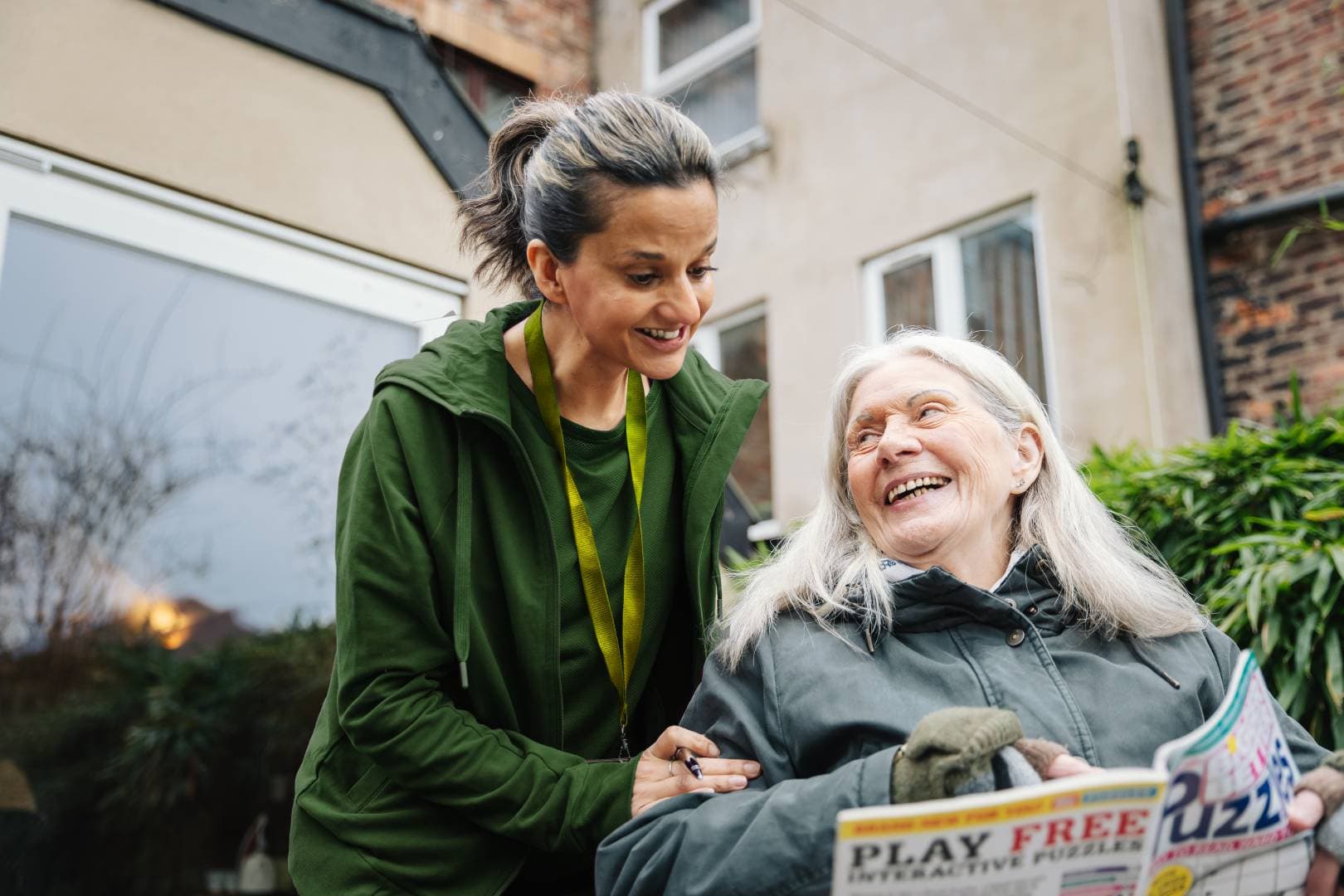
The first home care visit after hospital is one of the most significant moments in someone’s recovery at home. For the person who has just come back through their own front door, and for the family around them, it sets the tone: who will be supporting them, what that support will actually feel like, and whether they can trust it.
We walk through what that first visit involves, what we look for, and how the conversation we have then shapes the care that follows. You will also find practical steps to help you prepare, and what families often find most useful to have ready beforehand.
Why the First Visit Is About More Than Information Gathering
A clear, unhurried first visit helps everyone feel settled and shapes the support that follows. That is the principle the whole thing is built on.
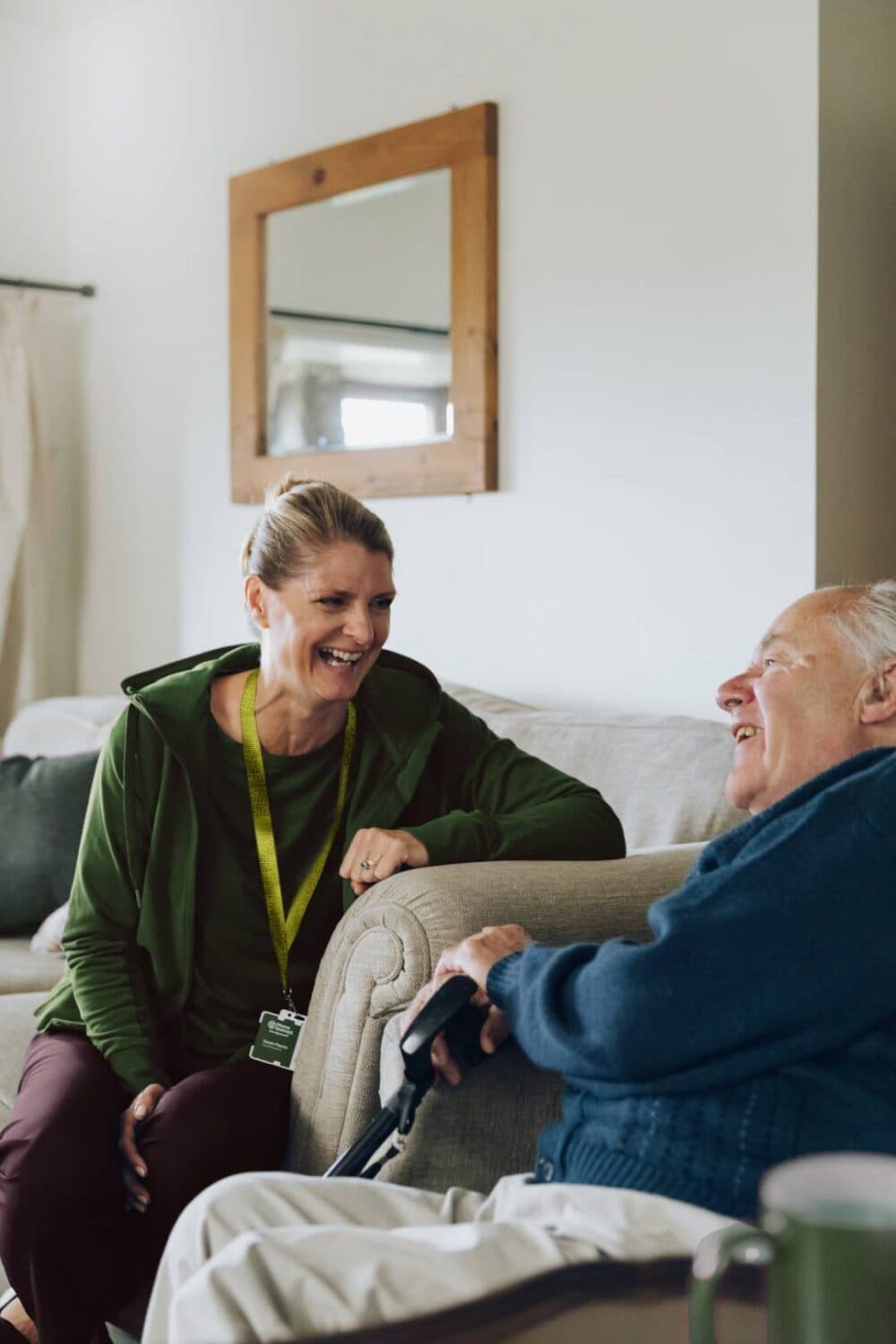
The word “assessment” gets used a lot in care, and it can make a first visit sound like a form-filling exercise, a tick-box process before the real care begins. That is not what it is. The person who has just come home from hospital may still be tired, uncertain about how they feel, and adjusting to being back in their own space. What they need most is a conversation that takes them seriously, not a checklist.
Our starting point is to understand what this person’s life looks like: what they value, what their days normally involve, what they would like them to look like again. That takes proper time and proper listening.
Before the visit, it helps to think about what your loved one’s normal day looks like. When do they usually get up? What do they like to eat? Are there routines they find reassuring, or things that have always mattered to them? Having this in mind makes the conversation more useful for everyone, because it means we can plan support around the life they actually want, rather than a generic version of recovery.
What We Do Before We Arrive
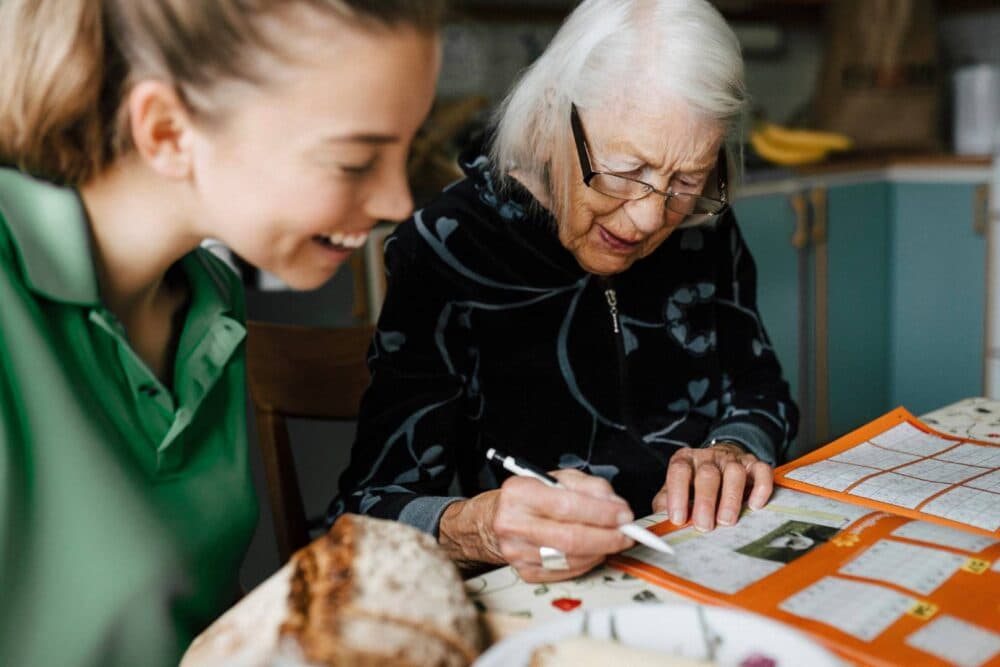
A good first visit does not begin at the front door. Before we come to the house, we will have spoken to the family or to the person themselves to build some understanding of their situation: what happened during the hospital stay, what any medical or therapy teams have recommended, and whether there are mobility aids, equipment or adaptations already in the home.
This means we arrive with some context, rather than starting from scratch. It also gives us the chance to make sure that the Care Professional doing the first visit is, wherever possible, the same person who will be providing the ongoing support. Building trust takes time, and it is easier when someone recognises the face at the door.
If your loved one has a discharge letter or any written instructions from the hospital, have these ready to share. A list of current medication is also useful. You do not need to have everything perfectly organised; we can work through things together.
What Happens During the Visit Itself
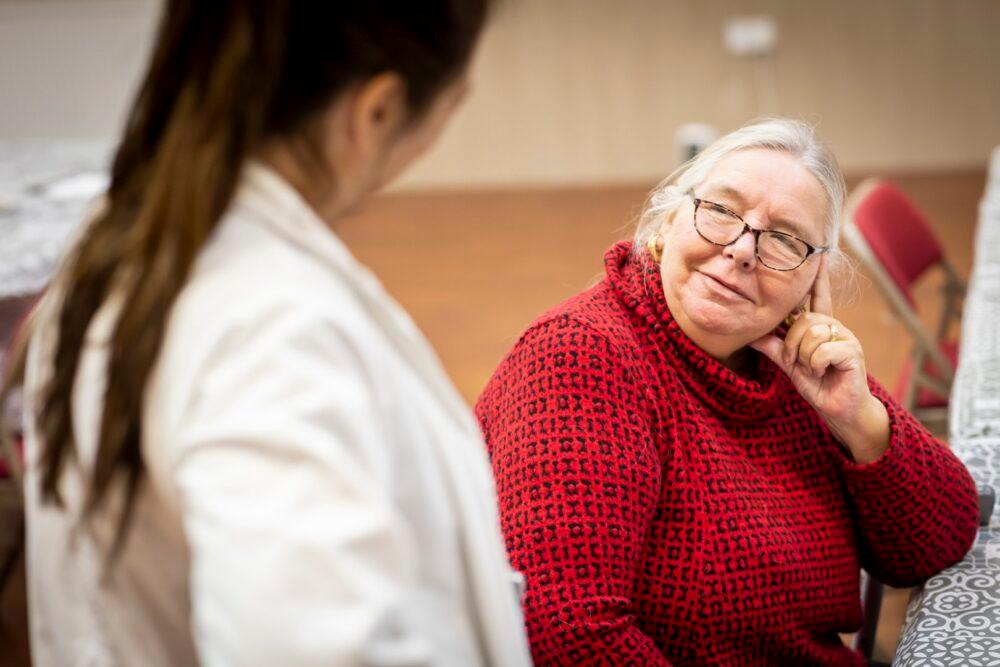
We arrive at a time that suits the person and their family, and we take our lead from them. If they are tired, we do not push through a long conversation. If they want to talk, we listen.
We will ask about practical things: how they are managing around the house, whether they have been eating and drinking well, whether they feel steady on their feet. We will also look at the space they are living in, not to pass judgement, but to understand it. Where are the things they use most? Are there any areas that could be made simpler to manage?
Just as importantly, we ask about the things that matter beyond the practical. What did they enjoy doing before they were in hospital? What would feel like a good day to them right now? Recovery looks different for everyone, and understanding what someone is working towards helps us support them in a way that feels meaningful.
Encourage your loved one to lead the conversation during the first visit. It is their home and their life, and what they say matters more than what anyone else thinks they need.
Do not worry if the first visit raises more questions than it answers. That is completely normal. It is far better to work through things carefully than to put a support plan in place based on assumptions.

How the First Visit Shapes the Care That Follows
What we learn during the first visit is used to build a care plan: a written record of what support looks like for this particular person, at this particular point in their recovery. It records not just the practical tasks, but what matters to them, what they want to do for themselves, and what kind of company they enjoy.
A care plan is not fixed. It changes as the person’s situation changes. Someone who needed a great deal of support in the first week home may want to do more independently as their confidence comes back. We adapt to that, rather than sticking to a plan that no longer fits. Recovery after a hospital stay rarely follows a straight line, and the support around it should reflect that honestly.
Ask us to explain anything in the care plan that is not clear. The plan is there to support your loved one, and everyone involved should understand what it says and why.
The first visit also shapes the match between client and Care Professional. If we learn during the conversation that someone loves a particular kind of music, has a dry sense of humour, or has strong feelings about how their home is kept, we take that into account. Good care is built on knowing the person, and that starts on the very first day.
How Our Team Can Help
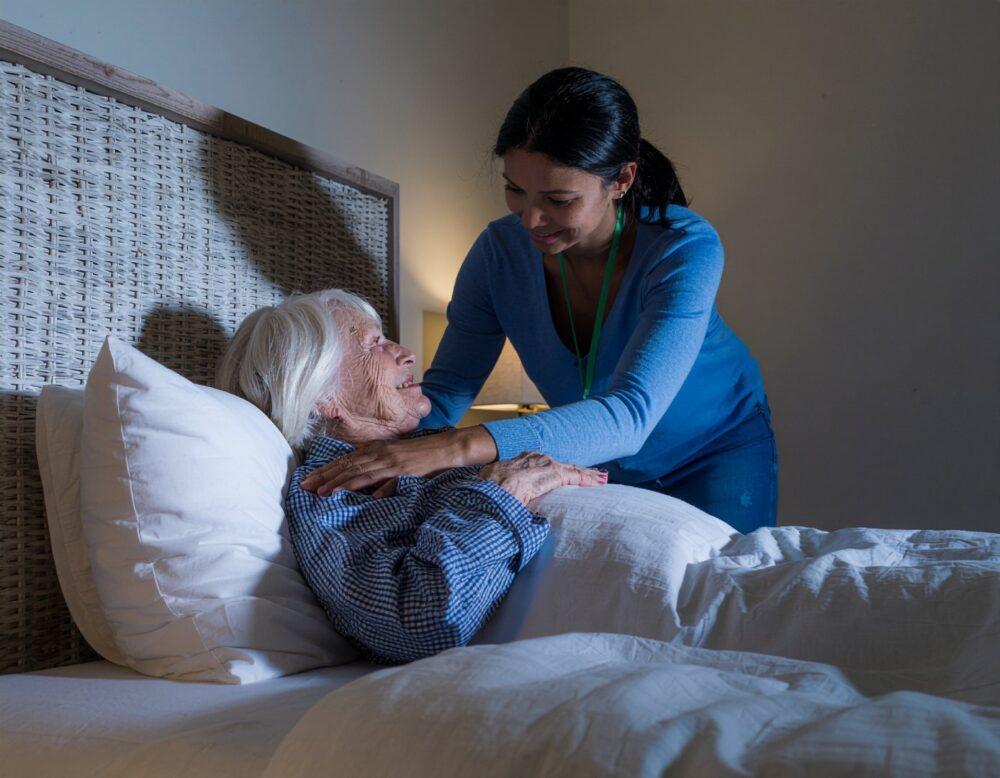
Our Care Professionals support people during recovery in ways that go beyond practical tasks. Companionship is central to what we offer: a consistent, familiar presence that someone can feel comfortable with as they find their feet again at home.
After the first visit, we stay in contact with the family, listen to how things are going and adjust the support as the picture changes. We work alongside NHS teams, district nurses and any therapists involved in your loved one’s care, following the guidance they have provided. The NHS has information on what to expect after a hospital stay at nhs.uk, and Age UK offers clear guidance on hospital discharge and ongoing support at ageuk.org.uk. If you are a family carer finding the adjustment difficult, Carers UK (carersuk.org) has practical advice on support available to you as well.
If you are not yet sure whether home care is the right step, the first conversation is completely free and there is no pressure to do anything further.
Frequently Asked Questions
What should I have ready before a first home care visit?
A list of current medication and any letters or written instructions from the hospital are helpful. Beyond that, it is useful to think about your loved one’s daily routines, any mobility aids in use, and what they most want help with. We will guide the conversation, so you do not need to have everything prepared in advance.
How long does the first visit take?
This varies depending on the person’s situation, but we allow enough time for a proper, unhurried conversation rather than a quick run-through. We will agree a rough timeframe with you before we arrive. If your loved one is tired or unwell on the day, we can follow up to cover anything we did not get through.
Can a family member be present during the first visit?
Yes, and many families prefer this, particularly if the person coming home from hospital feels uncertain or anxious. It is also helpful to have someone there who can share background that your loved one might not think to mention. The visit is for everyone involved in the care, not only the person being supported.
Talk to Our Team
If a loved one is coming home from hospital and you would like to understand what support could look like, we would be very glad to have a friendly, no-pressure conversation. There is no commitment involved and no question is too small.
Home Instead Dorchester
31 High W St, Dorchester DT1 1UP
Call us: 01305 239289
Contact us: homeinstead.co.uk/office/dorchester/

How can we help?
We've helped thousands of families to stay safe, comfortable and happy at home. Whatever situation you're facing, or whatever the question is, Home Instead is here to help.
Are you in need of a little guidance right away?
Other non-care-related enquiries