Communicating With a Loved One After a Stroke

Communicating with a loved one after a stroke is one of the things families tell us they find hardest, and one of the things spoken about least. This World Stroke Day, 29 October 2026, we want to address it directly, because the right information and a little confidence can make a real difference to everyday conversations for everyone involved.
When stroke affects speech or language, it changes the texture of family life in ways that can be difficult to put into words. In this post you’ll find an honest explanation of what’s happening and why, practical tips on how to adapt the way you communicate, and guidance on where to turn for more support.
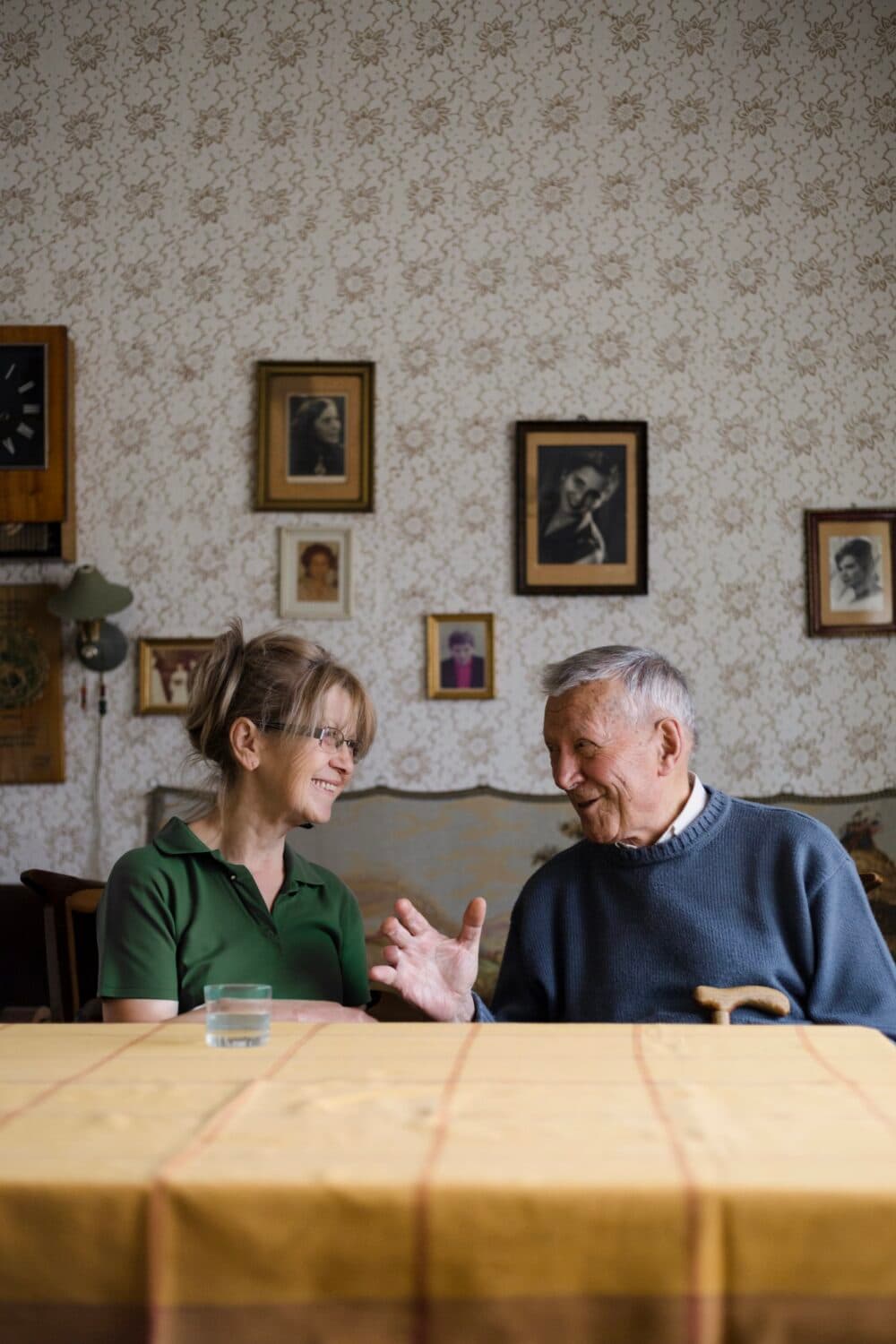
What Happens to Communication After a Stroke?
The term most commonly used is aphasia (af-AY-zhuh): a condition where damage to the brain affects a person’s ability to speak, understand speech, read or write. It doesn’t affect intelligence. Your loved one still has the same thoughts, feelings and personality. What has changed is the connection between thought and language, and that is a very different thing from having nothing to say.
Some people also experience dysarthria, where the muscles involved in speaking are weakened, making speech slow, slurred or quiet even when the right words are there. A speech and language therapist will assess exactly what is happening and set out a plan.
According to the Stroke Association, around two thirds of stroke survivors leave hospital with a disability, and for many people, communication is part of that picture. Recovery varies considerably. Some people see real improvement in the first weeks; for others, progress is slower and more gradual. Either way, how family members respond plays a bigger part in recovery than most people realise.
Give Time, and Mean It
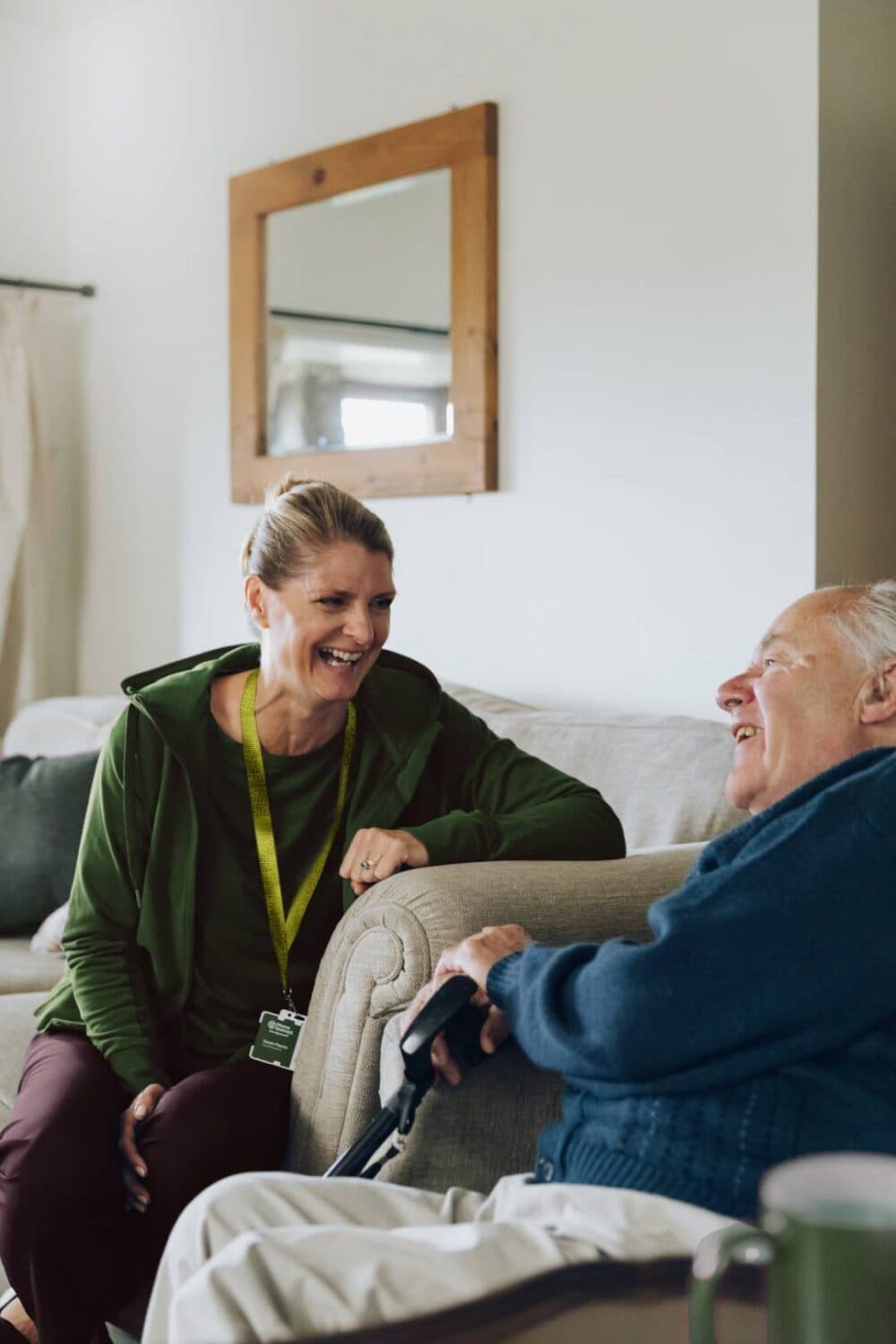
Give time, keep questions simple, and never finish your loved one’s sentences unless they ask you to. Patience is one of the most practical things you can offer.
That sounds straightforward, but in practice it asks more of us than we expect. We are used to conversation flowing, and when there is a long silence, the instinct is to fill it. Try not to. That pause is often your loved one working hard to find a word or build a sentence. Stepping in before they are ready, even kindly, sends a signal that you have stopped waiting for them, and that can quietly chip away at their confidence.
A few things that help in those moments:
- Count quietly to ten in your head before you offer any help. It gives enough time without the silence becoming uncomfortable.
- Ask yes or no questions wherever you can. “Are you cold?” is far easier to answer than “How are you feeling?”
- One question at a time, and then wait. Don’t follow it with another before the first has been answered.
- If you haven’t understood, say so honestly and simply: “I didn’t quite catch that. Can you try again?” This is kinder than nodding along, and it shows you are genuinely there.
Making Conversations Feel Like Less Hard Work
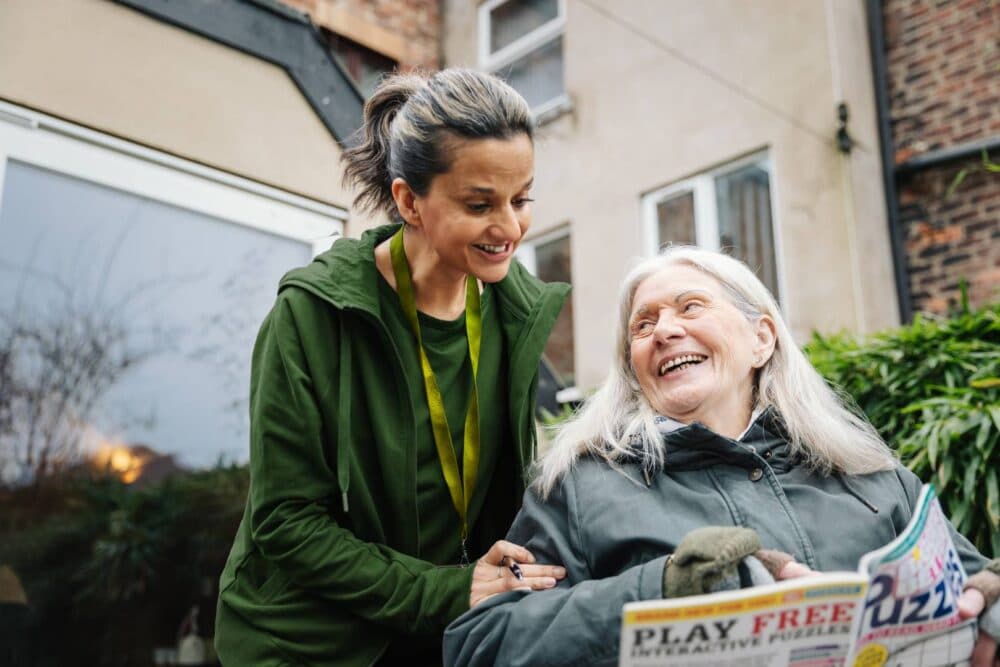
The setting matters more than people realise. Background noise, a television running in the corner or a busy room all make it harder for someone with aphasia to process and produce language. A quieter room and a calm time of day give conversation its best chance.
Some families find it helpful to keep a small notebook and pen nearby. A drawn picture, a written word or a pointed-to object can bridge a gap when speech is difficult. This isn’t about replacing conversation; it’s about finding another route through.
Celebrate what is getting through, not just what isn’t. A successful exchange, a shared laugh, or a moment of real mutual understanding deserves a warm response. Recovery is built in those small moments as much as in formal therapy sessions.
It’s also worth knowing that communication often varies from day to day, and even across a single day. Fatigue makes aphasia noticeably worse, so a good conversation in the morning may be followed by a harder one in the afternoon. That isn’t a setback; it’s how the brain behaves when it’s working hard to adapt. The NHS has a clear explanation of aphasia and the factors that affect it, which is worth a read if you want to understand more.

Looking After Yourself in This
Adapting how you communicate every single day is tiring, and it can feel isolating. You may feel guilty when frustration surfaces, or quietly grieve for the conversations you used to have easily. Those feelings are honest, and they are more common among family carers than most people admit.
The speech and language therapist can be a resource for the whole family, not only the person recovering. Ask whether they can offer any guidance for relatives on what helps and what doesn’t. The Stroke Association also provides information and telephone support for families, which is worth knowing about alongside the help your loved one is receiving.
How Home Care Can Support Communication After a Stroke
One thing that genuinely supports communication is familiarity. When someone becomes a known and expected presence, conversation requires less effort. There’s no need to establish trust, fill in background or keep up with an unfamiliar rhythm.
Our Care Professionals at Home Instead Dorchester offer After Stroke Care at Home, visiting regularly and building the kind of consistent relationship where communication can happen at your loved one’s pace. They work alongside the NHS stroke team and any therapy already in place, supporting the goals clinicians have set rather than working around them.
In practical terms, that might mean helping with daily tasks that take longer when communication is harder, so your loved one isn’t already exhausted when they want to talk. It might mean giving a family carer some time to step back without worrying. Or it might simply be steady, unhurried company in a world that often moves faster than recovery allows.

Frequently Asked Questions
Can aphasia improve over time?
Yes, for many people it does, though the pace and extent of recovery vary from person to person. The brain has a real capacity to adapt after injury, and improvement can continue over months and, in some cases, years. The speech and language therapist is the best person to discuss what progress might look like for your loved one specifically.
What is the difference between aphasia and dysarthria?
Aphasia affects the language system: finding words, understanding speech, reading and writing. Dysarthria affects the muscles used to speak, making speech sound slurred or quiet even when the words themselves are there. Some people experience both following a stroke. A speech and language therapist will assess and advise on each.
How can I support communication at home between therapy sessions?
Follow the guidance from the speech and language therapist closely, as the right approach depends on the individual. In general, relaxed conversation at a quiet time of day, reading aloud together or naming everyday objects can all be helpful. The important thing is to keep it low-pressure. Communication should feel like connection, not a test.
Talk to Our Team
If your loved one has had a stroke and you’re wondering how home care might support their recovery, we’d be very glad to have a friendly, no-pressure conversation with you. There’s no obligation and no rush.
Home Instead Dorchester
31 High W St, Dorchester DT1 1UP
Tel: 01305 239289
Contact us: www.homeinstead.co.uk/dorchester
We’re here when you’re ready.
How can we help?
We've helped thousands of families to stay safe, comfortable and happy at home. Whatever situation you're facing, or whatever the question is, Home Instead is here to help.
Are you in need of a little guidance right away?
Other non-care-related enquiries