Preparing the Home for a Loved One Returning After a Stroke
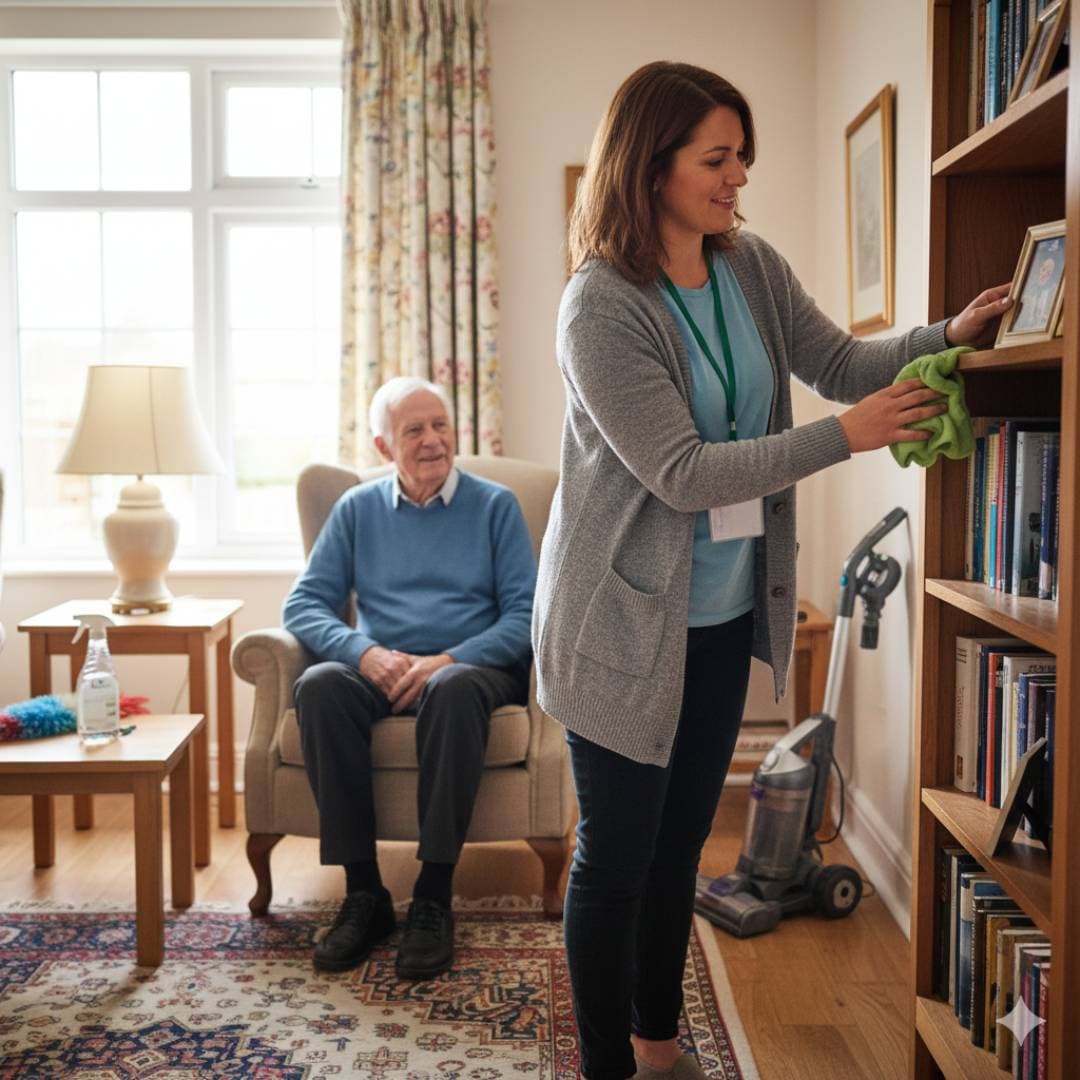
Preparing the home after a stroke is one of the most useful things a family can do before discharge day. It doesn’t require a complete renovation or specialist knowledge, but it does take some thought, and getting it right in advance can make the first weeks back genuinely safer and calmer. On World Stroke Day, 29 October 2026, we’re focusing on exactly this: the practical side of bringing someone home.
In this post, you’ll find room-by-room guidance on what to look at, what to change and what to ask the hospital team before your loved one leaves. We’ll also cover what support is available once they’re settled, including how our Care Professionals can help alongside the NHS.

Start Before Discharge Day, Not After
Small changes before discharge day, like clearing walkways and moving essentials within reach, make the first weeks safer. That’s the principle to hold on to, because the temptation is to wait and see how things go once your loved one is home. But it’s much easier to move furniture, sort out trip hazards or arrange equipment beforehand than when someone is already home, tired from the journey and trying to adjust.
The most important person to speak to before discharge is the occupational therapist (OT) on the ward. An OT is a specialist who looks at how the stroke has affected everyday tasks, things like getting dressed, making a drink, using the bathroom, and recommends specific changes to the home based on your loved one’s particular needs. If a home visit hasn’t already been arranged as part of the discharge plan, ask for one. NHS occupational therapy teams carry out these assessments, and the guidance they give will be far more tailored than any general list.
Ask the ward directly: has an OT assessment been completed? Has a home visit been arranged? Is any equipment being ordered before discharge? These are your starting questions.
Clearing the Routes Your Loved One Will Use Most
The paths through the house that will be used most often are the ones to focus on first: front door to living room, bedroom to bathroom, kitchen to sitting area. Even a small hazard on these routes, a loose rug, a flexed extension lead, a bag left on the floor, can become a real risk for someone whose balance or coordination has been affected.
Remove loose rugs or secure them with non-slip backing. Check that the lighting is good throughout the house, including at night. A simple plug-in night light on the route to the bathroom removes the need to turn on bright overhead lights in the early hours and costs very little. If your loved one will be using a walking frame or wheelchair, check that there’s enough space to pass through doorways comfortably. The OT can advise on minimum widths if you’re unsure.
The Bedroom: Rest, Reach and Getting Up Safely
Fatigue after a stroke is common and can be significant. Many people need more rest than before, and that rest is part of recovery, not a step backwards. The bedroom should make sleeping easy and getting up safe.
Check the bed height. If it’s low, getting up from it takes much more effort, particularly for someone with weakness on one side. Bed risers sit under the bed legs and bring the height up without replacing the bed itself. They’re inexpensive and available from most mobility equipment retailers.
Think about what your loved one needs when they first wake up: glasses, a phone, medication. Put those things on the side they find easiest to use, and make sure there’s a lamp nearby so they’re not getting up in the dark. If the bedroom is upstairs and mobility is significantly affected after discharge, ask the OT whether temporarily creating a sleeping space downstairs makes sense.
The Bathroom: Where Specific Equipment Makes a Real Difference
The bathroom is where falls are most likely, and the risk is higher for someone recovering from a stroke. A few specific changes matter here:
- A grab rail fixed to the wall next to the toilet (wall-fixed, not freestanding) gives something solid to hold when sitting down and standing up.
- A shower seat or bath board allows washing sitting down, which is safer and much less tiring than standing for the full duration.
- A non-slip mat secured properly in the shower or bath reduces the chance of slipping on wet surfaces.
- Lever-style taps are easier to use than round knobs if grip or hand strength has been affected on one side.
Your local council may offer a free home assessment for equipment like grab rails. The discharge team or your GP surgery can tell you whether this is available and how to access it.

The Kitchen: Bringing What’s Needed Within Reach
Even if your loved one can’t manage a full meal straight away, being able to make a cup of tea or find a snack independently matters. It’s part of feeling at home rather than being cared for in one.
A practical approach is to bring the most-used items to the most accessible spot. If tea is a regular part of the day, put the kettle, mugs, tea bags and a small jug of milk together on one clear surface at a comfortable height. That one rearrangement removes the need to open multiple cupboards or carry things across the kitchen.
If one hand or arm is weaker after the stroke, small adaptive tools make a difference: a kettle tipper holds the kettle in a frame so it pours without lifting; a suction-cup chopping board keeps food steady without needing two hands to hold it; a spike board allows bread or vegetables to be steadied with one hand. These are widely available from disability equipment retailers and some pharmacies. Keep the kitchen floor dry and clear, and if your loved one will be in the kitchen alone at times, make sure someone is aware of roughly when to expect them to be up and about.
An Honest Word on Recovery
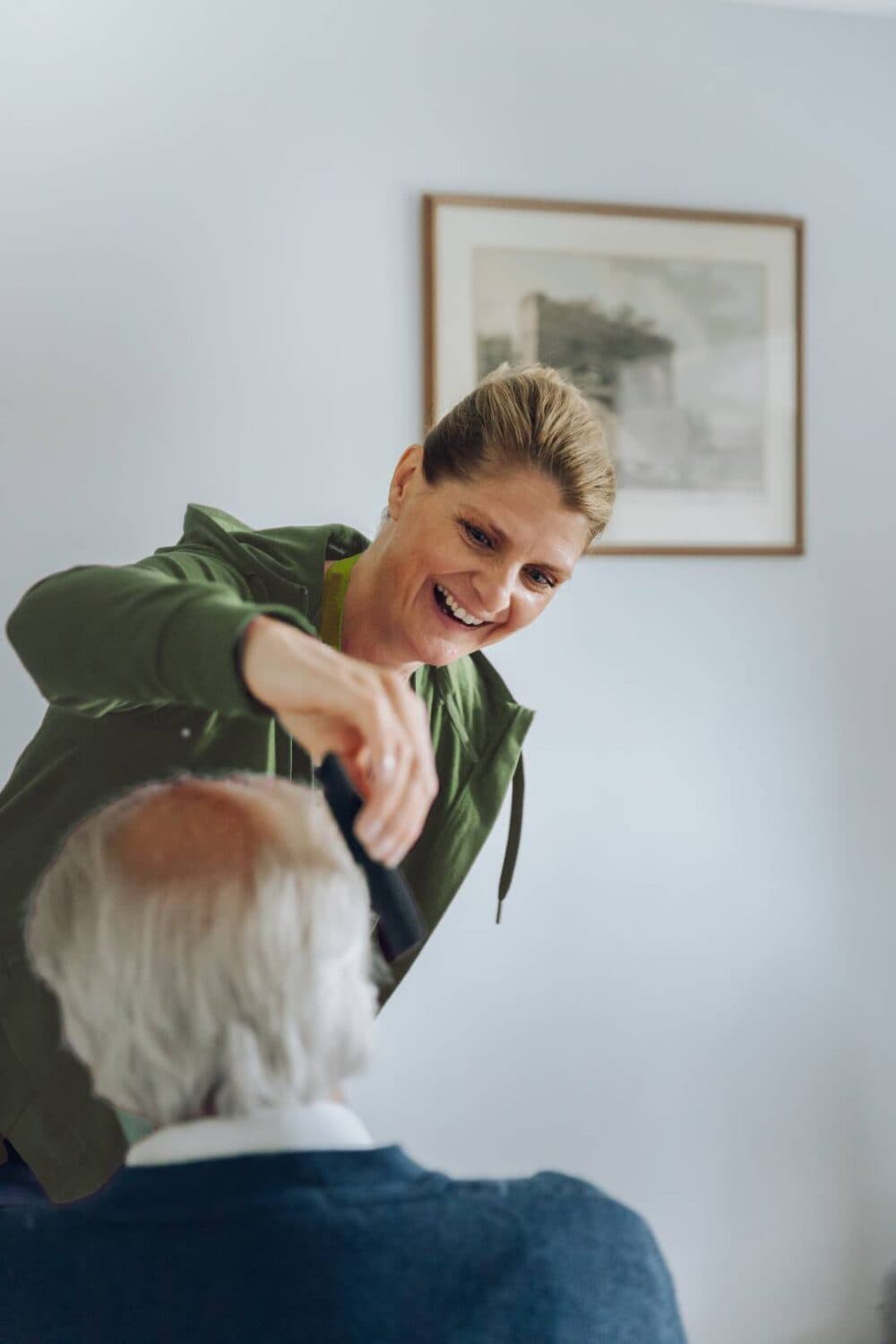
Recovery after a stroke looks different for everyone and takes time. Progress may come steadily, then plateau for a while, then continue. Some things that feel impossible in the first weeks become easier with time and therapy; others may need longer-term adaptations. The home changes you make now don’t have to be permanent, but they do need to be right for where your loved one is now.
According to the Stroke Association, around two thirds of stroke survivors leave hospital with a disability. That statistic doesn’t tell the whole story, but it does point to something important: most people will need some support at home, and planning for that isn’t giving up. It’s being realistic and kind.
How Home Care Can Help in the First Weeks Back
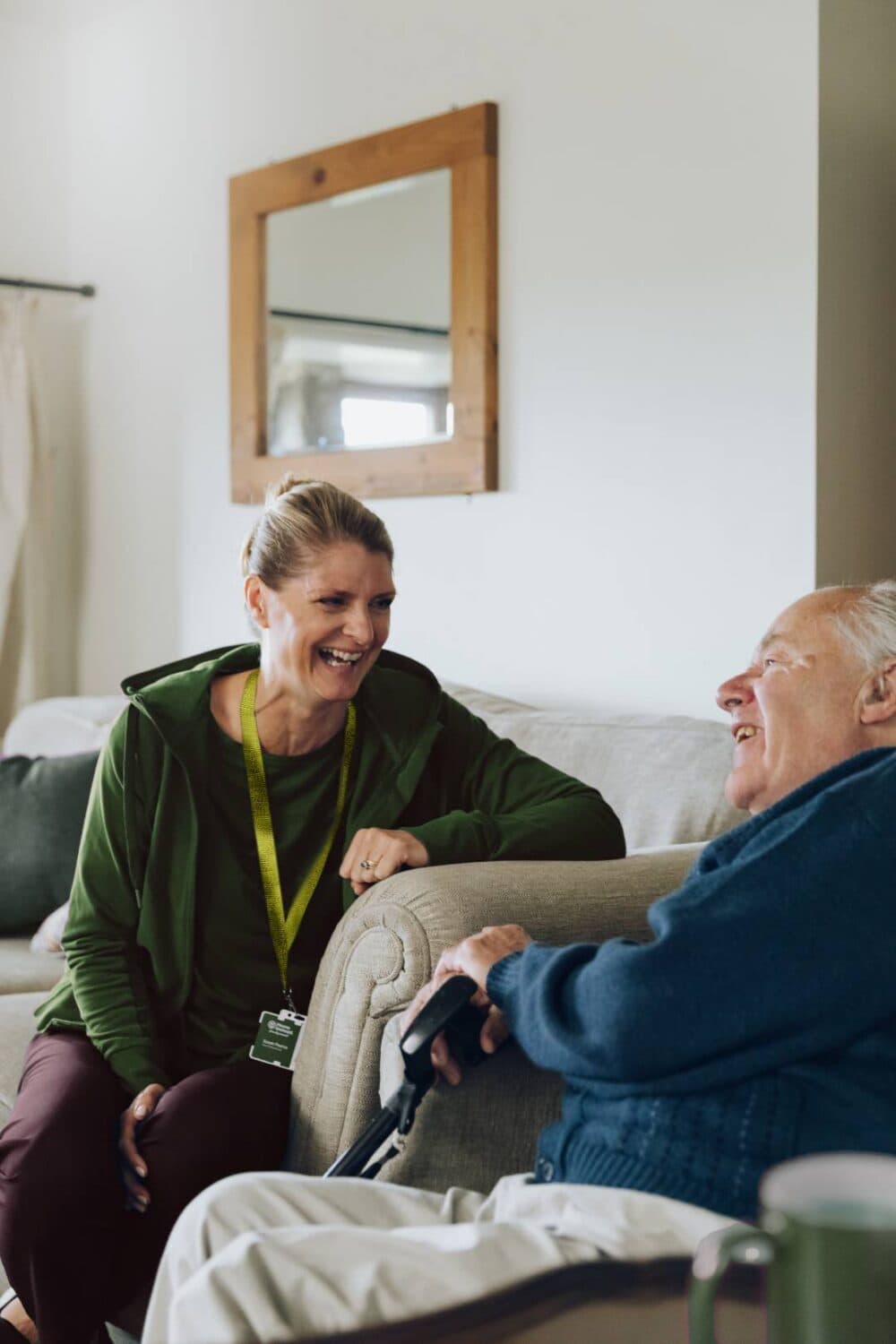
The weeks immediately after discharge are often the most demanding, for your loved one and for you. Our After Stroke Care At Home service is designed to work alongside the NHS stroke team and the goals they’ve set, not to replace them.
Our Care Professionals can help with morning and evening routines, support with meals, accompany your loved one to appointments, and be a consistent, familiar presence during a time that can feel unsettling. They also keep a close eye on the small things that can easily slip: whether medication has been taken, whether appetite seems to be dropping, or whether your loved one appears more fatigued or confused than usual. Those observations matter, and they’re shared with families and, where appropriate, with the clinical team.
Home care can begin before the full therapy programme is in place and adjust as recovery changes. It’s not about doing everything for someone. It’s about supporting what they’re already working towards.

Frequently Asked Questions
How do I know if the house is safe enough before my loved one comes home from hospital?
The best person to advise you is the occupational therapist on the ward. Ask whether a home visit or home assessment has been arranged as part of the discharge plan. If it hasn’t, ask for one. They can make recommendations based on how the stroke has affected your loved one specifically, rather than a general list. You can also contact your local council’s adult social care team, who may be able to arrange an independent assessment.
What equipment might my loved one need at home after a stroke?
This depends on how the stroke has affected them. Commonly needed items include grab rails in the bathroom and on stairs, a shower seat or bath board, a raised toilet seat and non-slip mats. Some equipment is available through the NHS or local council at no cost. The occupational therapist and discharge team will advise on what’s needed and how to obtain it. The Stroke Association’s website also has useful guidance on equipment and home adaptations: strokeassociation.org.uk.
How much notice will I get before my loved one is discharged from hospital?
In practice, discharge can sometimes happen quickly, so it’s worth starting to prepare as soon as you know your loved one is recovering. Speak to the ward team regularly and ask to be told as early as possible when discharge is being planned. Use any notice you do get to check the house, arrange equipment and, if needed, put care support in place. The NHS has guidance on hospital discharge at nhs.uk.
Talk to the Team at Home Instead Chingford
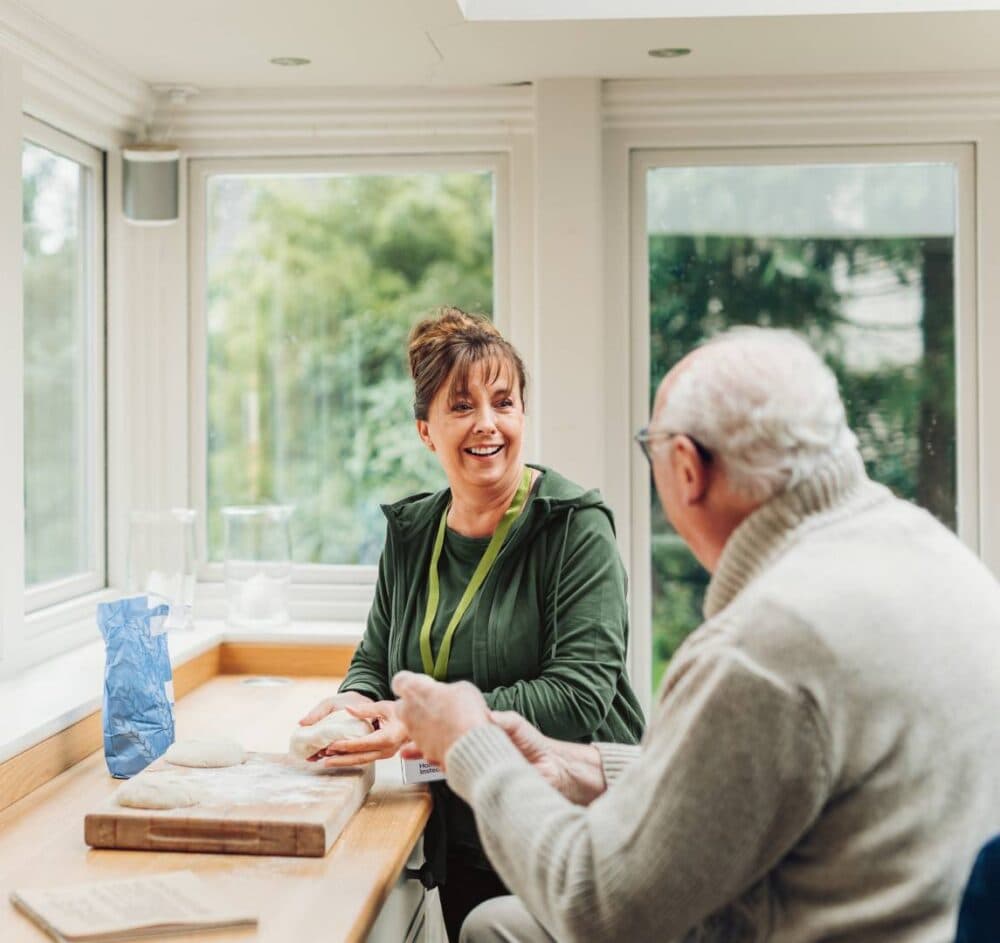
If you’d like to talk through what support might look like when your loved one comes home, we’d be glad to hear from you. There’s no pressure and no commitment; just a friendly conversation about what might help.
You can reach the team at Home Instead Chingford in any of these ways:
Phone: 0208 114 2000
Contact page: homeinstead.co.uk/office/chingford
Office address: Offices, 2nd & 3rd Floor, 35-37 Station Rd, London E4 7BJ
We’re here whenever you’re ready.

How can we help?
We've helped thousands of families to stay safe, comfortable and happy at home. Whatever situation you're facing, or whatever the question is, Home Instead is here to help.
Are you in need of a little guidance right away?
Other non-care-related enquiries