Supporting Mental Wellbeing as We Get Older
Looking after our mental wellbeing starts with recognising that we all need connection, purpose and support from time to time.
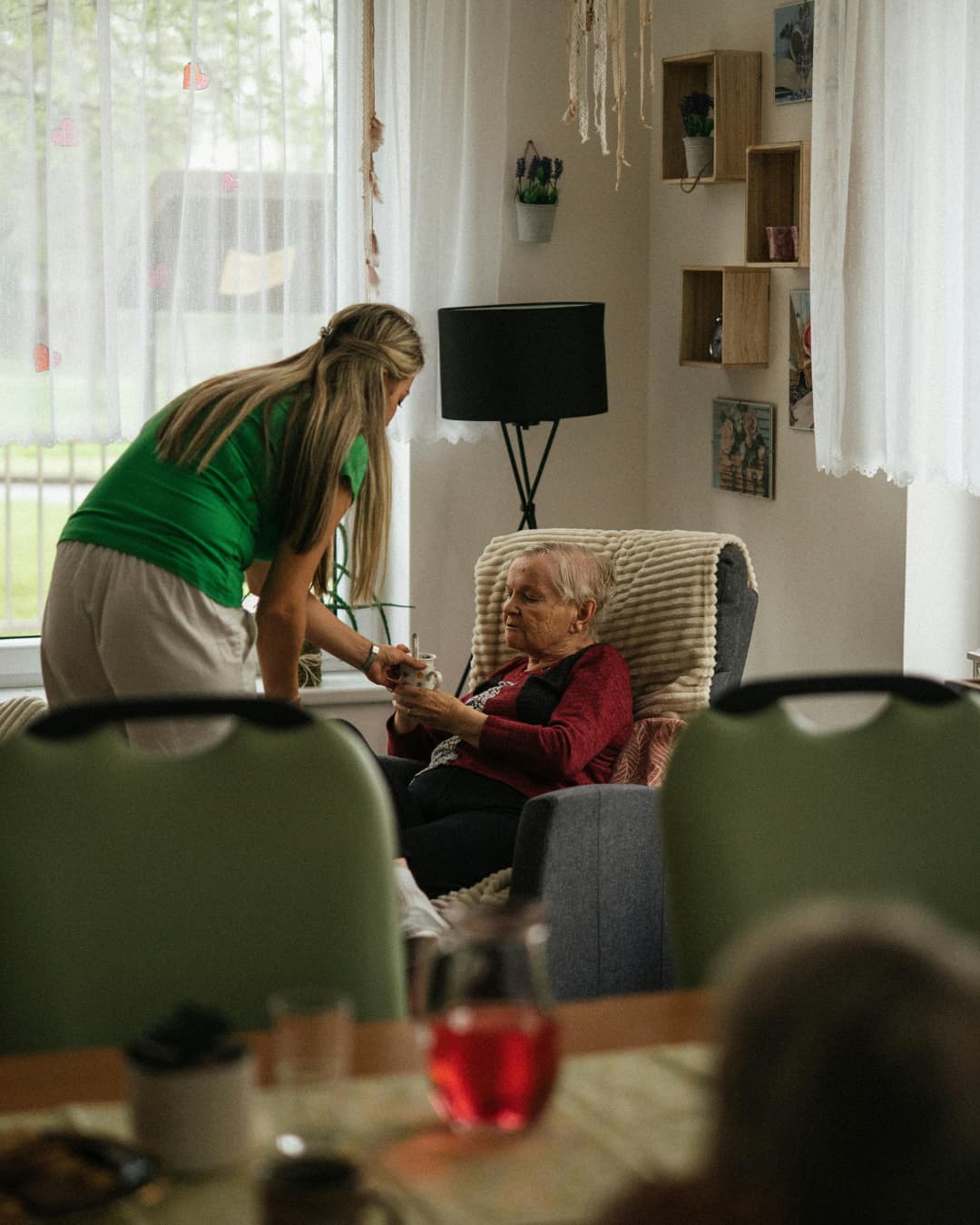
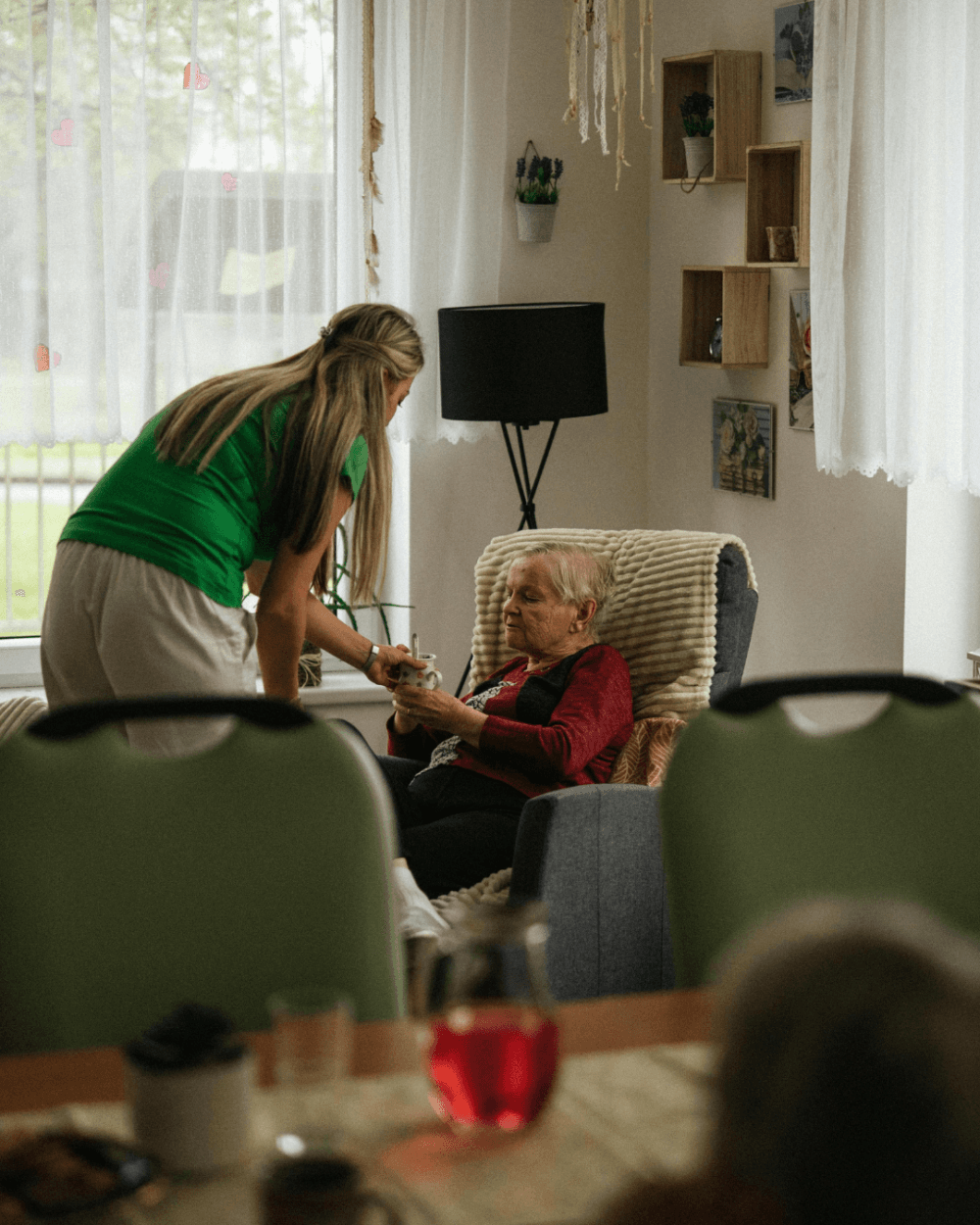
Looking after our mental wellbeing is just as important as looking after our physical health. As we get older, life can bring changes that affect how we feel, from retirement and bereavement to changes in our health, independence or social routines. Recognising these changes and finding the right support can make a meaningful difference to everyday life.
At Home Instead Central Hampshire, we understand that wellbeing means more than simply being physically well. Feeling connected, maintaining independence and having things to look forward to can all play an important role in helping people feel happier and more confident at home.
Why is mental wellbeing important?
Mental wellbeing influences how we think, feel and cope with everyday challenges. It can affect our motivation, confidence, relationships and ability to enjoy the activities we have always loved.
As we age, circumstances such as losing a loved one, experiencing reduced mobility or spending more time alone can affect our emotional wellbeing. This does not mean that feeling low or lonely is an inevitable part of getting older. With the right support and opportunities to stay connected, people can continue to enjoy fulfilling and meaningful lives.
It is also important to remember that mental wellbeing and physical health are closely linked. Poor sleep, ongoing pain, reduced activity and certain health conditions can affect our mood, while feeling anxious or low can sometimes make everyday tasks seem more difficult.

The importance of staying socially connected
Loneliness can affect anyone, but older adults may be particularly vulnerable when their circumstances change. Friends and family may live further away, driving may become more difficult, or health concerns may make it harder to attend social activities.
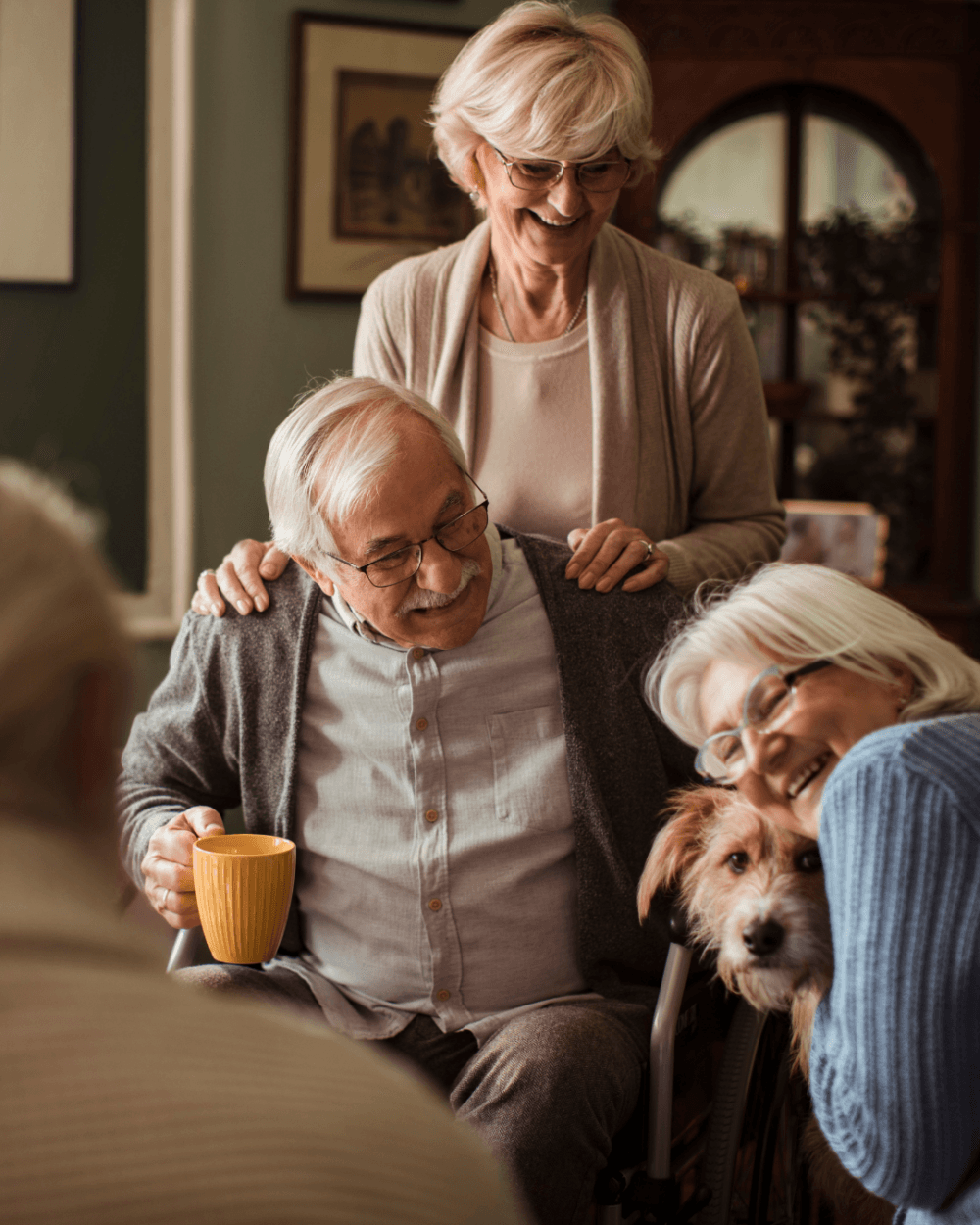
Regular social contact can help people feel valued, connected and included. This does not necessarily mean attending large gatherings or joining lots of groups. Sometimes, a friendly conversation over a cup of tea, a telephone call with a family member or a short walk with someone can make a real difference.
There are many ways to maintain social connections, including:
- Meeting friends for coffee or attending a local lunch group.
- Taking part in hobbies, crafts, gardening or gentle exercise.
- Visiting familiar places in the local community.
- Joining a friendship group or community activity.
- Arranging regular visits with family, friends or a companion.
At Home Instead Central Hampshire, our companionship care can help people remain socially active and connected. Our Care Professionals can spend time chatting, sharing hobbies, preparing a favourite meal or accompanying clients on outings and appointments. Having someone to look forward to seeing can bring structure, reassurance and enjoyment to the week.
Maintaining independence and a sense of purpose
Having a sense of purpose can be an important part of mental wellbeing. Everyday routines, familiar activities and being able to make our own choices can help us feel in control of our lives.
When tasks such as shopping, preparing meals or keeping the house tidy become more challenging, it can sometimes feel as though independence is slipping away. However, needing a little extra help does not mean giving up the things that matter.
Practical support can help people continue living in the surroundings they know and love, while maintaining their usual routines as much as possible.
Our home help services can assist with everyday tasks, including light housework, laundry, meal preparation and shopping. Personal care can provide support with washing, dressing and other daily routines in a respectful and dignified way.
By taking some of the pressure off everyday responsibilities, this support can help people preserve their energy for the activities and relationships they enjoy.
Recognising when someone may need extra support
Changes in mental wellbeing are not always easy to recognise, particularly when someone is reluctant to talk about how they feel.
You may notice that a loved one has become quieter than usual, lost interest in activities they previously enjoyed, stopped accepting invitations or seems less motivated. They may also appear more anxious, irritable or withdrawn.
These changes can have many causes, including bereavement, loneliness, physical health problems or depression. They should not automatically be dismissed as a normal part of ageing.
If you are concerned about someone, try starting a gentle, non-judgemental conversation. Give them time to explain how they feel, listen without rushing to offer solutions and ask what might help.
If changes persist, worsen or begin to affect daily life, encourage them to speak to their GP. A healthcare professional can help identify possible causes and discuss appropriate support.
Home care can complement this support by helping people maintain routines, stay connected and manage daily activities. Our Care Professionals may also notice changes in a client’s usual mood or behaviour and, in line with their role and care plan, communicate concerns to the appropriate people.
Supporting someone living with dementia
For people living with dementia, maintaining emotional wellbeing can require additional understanding and reassurance. Changes in memory, communication and familiar routines can sometimes lead to confusion, frustration or anxiety.
A calm environment, consistent routines and meaningful activities can help someone feel more comfortable. Activities should be tailored to the individual, taking account of their interests, abilities and preferences rather than focusing on what they can no longer do.
At Home Instead Central Hampshire, our Care Professionals receive training to support people living with dementia. Our approach focuses on understanding each person’s needs, preserving their dignity and helping them continue to enjoy familiar activities and relationships wherever possible.
We also recognise the importance of supporting family members, who may be balancing caring responsibilities alongside work and their own personal commitments. Respite care can give family carers valuable time to rest, recharge or attend to other responsibilities, knowing their loved one is receiving support.
Small steps that can make a difference
Looking after mental wellbeing does not have to involve making significant changes all at once. Small, achievable steps can help build a more positive routine.
Consider the following:
- Keep a routine: Regular mealtimes, a consistent sleep schedule and planned activities can provide structure.
- Get outdoors: Where possible, spending time outside and enjoying daylight can support overall wellbeing.
- Stay active: Gentle movement suited to individual abilities can support both physical and emotional health.
- Make time for enjoyable activities: Reading, music, gardening, puzzles or creative hobbies can bring pleasure and a sense of achievement.
- Keep in touch: Regular contact with friends, family and the wider community can help reduce feelings of isolation.
- Ask for help when needed: Accepting support is a positive step towards maintaining independence, not a sign of failure.
It is equally important to recognise that these steps are not a substitute for professional help when someone is experiencing ongoing emotional difficulties.
How Home Instead Central Hampshire can help
Everyone deserves to feel safe, valued and supported in their own home. Sometimes, a little additional help can make everyday life more manageable and create more opportunities to enjoy the things that matter.
At Home Instead Central Hampshire, we provide personalised home care designed around each client’s individual needs, preferences and routines. Depending on the support required, this may include companionship, home help, personal care, dementia care, respite care and assistance with appointments or community outings.
Our aim is to help people maintain their independence, remain connected to their communities and continue living life on their own terms.
If you are concerned about your own wellbeing or that of a loved one, you do not have to navigate the next steps alone.