The Questions Families Ask About Returning Home from Hospital

When someone you love goes into hospital, it can feel as though everything is out of your hands. The clinical team are doing what needs doing, and you are left waiting, trying to hold things together and work out what comes next.
What families ask most are rarely questions about the medical treatment itself. They are about what happens after: how returning home from hospital will work, what level of support will be needed, and how to get things ready in time. This post draws on what families ask our team most often, with practical steps you can take now and a clear sense of what good support at home can look like.
Why Families So Often Ask The Same Questions
It is reassuring, in its own way, to realise that the worries you are carrying are the same ones most families carry. The shape of the situation changes, but the questions are strikingly consistent. That matters, because it means there are real, practical answers.
The most useful thing you can do while your loved one is still in hospital is to ask questions early. The more you understand about the discharge plan and what support is in place, the more time you have to prepare. Waiting to be told what will happen, rather than asking, often leaves families scrambling at the last moment.
“How will we know when they are ready to leave?”
This is the question we hear most, and it often comes with a note of urgency. The NHS calls this hospital discharge, the point at which the clinical team is satisfied that your loved one is medically stable enough to leave. For many older people, that decision can come quickly once treatment is complete, sometimes sooner than families expect.
You have the right to be involved in discharge planning. If nobody has approached you yet, ask the ward nurse or the discharge coordinator directly. Find out whether an occupational therapist, often shortened to OT, has assessed your loved one. An OT looks at how someone manages everyday tasks and can recommend equipment, handrails or other adjustments before they go home. It is also worth asking whether a period of reablement has been arranged. Reablement is short-term, goal-focused support, usually from the local council, designed to help someone regain independence after illness or injury. It is a question worth raising before discharge, not after.

“Will they need ongoing help at home?”
This depends on the person, the reason for the admission, and how recovery unfolds. The honest answer is that most older people do find their feet again at home, though it usually happens gradually rather than all at once. The first few weeks are generally the most demanding, and the level of support needed often shifts as confidence returns.
A few things are worth thinking through before discharge day arrives:
- Can they manage their medication safely on their own?
- Are there daily tasks, preparing meals, washing or getting dressed, that will be tiring or difficult at first?
- Will they be alone overnight?
- Has their GP been informed of the admission and the discharge plan?
None of these have a single right answer, but working through them gives you a much clearer picture of what practical help would actually make a difference.

“What if the family cannot always be there?”
Families ask this with some reluctance, as though needing outside help reflects poorly on them. It does not. Recovery from a hospital stay takes time, and providing consistent support alongside work and other family commitments is genuinely demanding. Many families also find that an older person can be more resistant to accepting help from close relatives, not wanting to feel like a burden to the people they love most.
A Care Professional visiting regularly can offer companionship and a steady, familiar presence at a time when routine matters enormously. That consistency, the same face arriving at the same time, can help someone feel settled and less isolated during what is often an unsettling stretch. It also gives family members a chance to step back slightly, knowing someone is there.
What to do before they come home
If you have a discharge date, even a rough one, use the time well. A little preparation makes the first night home considerably calmer for everyone.
- Clear the route. Check that walkways are free of rugs, cables or clutter, particularly between the bedroom, bathroom and kitchen.
- Stock the basics. Make sure there is food in the fridge, medication to hand, and warmth in the room they will spend most time in.
- Ask for things in writing. Request written instructions from the ward team for anything your loved one needs to do or avoid at home, including any exercises a physiotherapist has given them.
- Book a GP appointment. Arrange a follow-up within a few days of coming home, especially if the admission involved a fall, infection or surgery.
- Think about the first evening. A quiet, prepared home with someone nearby they know well can make that first night feel far less daunting.

How our team can help
At Home Instead Bedford, we work with families at exactly this kind of uncertain, in-between stage. Our Care Professionals provide companionship visits to older people recovering at home, offering regular, friendly contact that helps someone feel less isolated and more themselves during a period that can knock confidence.
If you are trying to work out what support might look like before your loved one leaves hospital, we are happy to talk it through with you. There is no pressure involved, and no commitment needed just to have a conversation.
Frequently asked questions
What is hospital discharge planning and who is involved?
Hospital discharge planning is the process of preparing a patient to leave hospital safely. It usually involves the ward team, a discharge coordinator and, where relevant, a social worker or occupational therapist. Family members have the right to be included in these conversations. If nobody has spoken to you, ask the ward sister or discharge team directly. Age UK has clear guidance on what families can expect during this process.
Can I ask the hospital to delay discharge if I am not ready?
You can and should raise any concerns with the discharge team. The hospital has a duty to carry out a safe discharge, which includes checking that appropriate support is in place. If you feel the plan is not adequate, ask to speak with the ward sister or contact the hospital’s Patient Advice and Liaison Service (PALS). The NHS website has information on your rights around discharge and what a safe discharge plan should include.
When should someone see their GP after returning home from hospital?
A follow-up appointment within a few days of coming home is a sensible step, particularly after a fall, infection, surgery or any significant change in health. If you are worried before that appointment, NHS 111 can offer advice over the phone, or call 999 in an emergency.
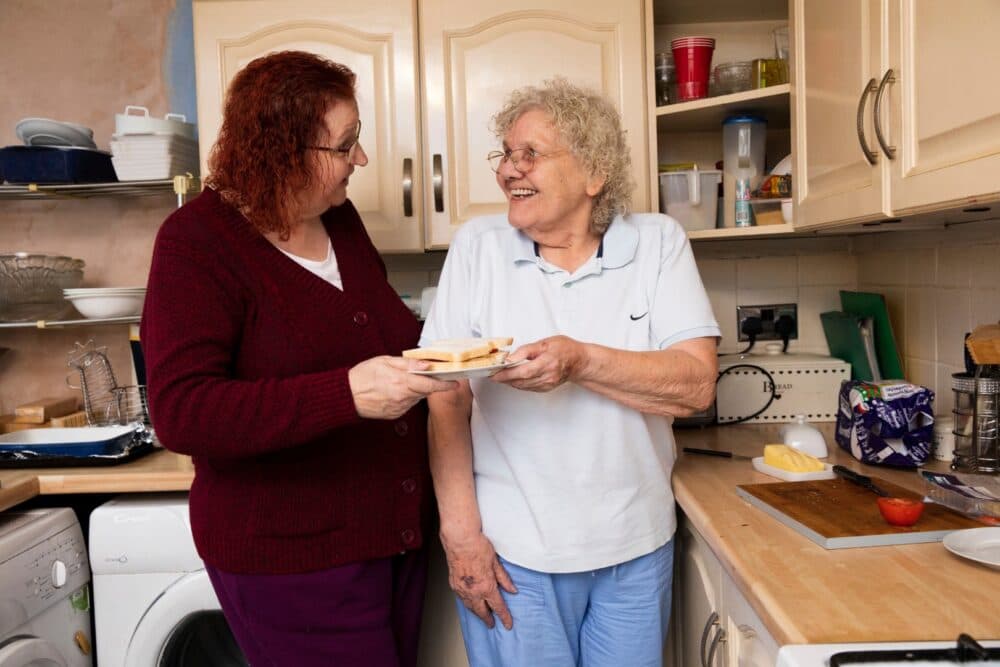
If your family is preparing for a loved one to return home from hospital, or you would simply like to know more about the support we offer, we would love to hear from you.
Home Instead Bedford offers a friendly, no-pressure conversation about what care at home could look like for your family. You can reach us on 01234 677693, through our contact page, or visit us at 106A Bedford Rd, Wootton, Bedford MK43 9JB.

How can we help?
We've helped thousands of families to stay safe, comfortable and happy at home. Whatever situation you're facing, or whatever the question is, Home Instead is here to help.
Are you in need of a little guidance right away?
Other non-care-related enquiries