Could Your Loved One Need a Little Extra Support at Home? Here’s How to Tell
Learn how to recognise when your loved one may need extra support at home and how professional care can help.

Caring for an ageing loved one is one of life’s most meaningful responsibilities. Balancing their independence with their need for support can feel overwhelming, especially when subtle changes begin to signal that help might be necessary. Recognising these signs early ensures your loved one’s well-being while easing the strain on family care professionals.
In this blog, we’ll explore common indicators that professional care may be beneficial and how to take the first steps towards providing the support your loved one deserves.

Recognising the Signs: When to Consider Additional Support
As parents or older relatives age, managing daily tasks can sometimes become more challenging. These changes often happen gradually, starting with small, subtle signs. By staying observant, you can recognise when a little extra support could make their daily life easier and more enjoyable.
Cognitive Changes and Memory Concerns
Forgetfulness is a natural part of life, but ongoing memory issues can sometimes signal conditions like dementia or Alzheimer’s. Signs to look out for include misplaced items, missed appointments, or increased confusion. While more significant challenges, such as leaving the oven on or wandering outside unattended, may arise, recognising these early signs allows for timely support. With the right care and guidance, individuals can continue living safely and comfortably at home. For more information and support, visit the Alzheimer’s Society.
How Care Can Help:
Specialist dementia care services, like those offered by Home Instead Dorchester, provide trained professionals who ensure your loved one’s safety while offering emotional support and a structured environment.
A Decline in Personal Hygiene or Cleanliness
Have you noticed changes in your loved one’s grooming habits or living environment? An unkempt appearance, skipped showers, or untidy spaces could indicate difficulty managing daily routines. This may stem from physical limitations, cognitive struggles, or even feelings of sadness or depression.
How Care Can Help:
Professional care professionals can assist with tasks like personal care, meal preparation, and light housekeeping, ensuring that your loved one stays comfortable and retains their dignity.
Chronic Health Issues and Mobility Challenges
Chronic conditions such as arthritis, diabetes, or heart disease often make everyday activities more difficult. Reduced mobility or recurring falls are clear signs that additional support is necessary. With the immune system weakening as we age, even minor illnesses can have significant consequences.
Key Facts:
Did you know that approximately 80% of older adults manage at least one chronic health condition, and over 70% live with two or more? This highlights the importance of proactive health monitoring.
How Care Can Help:
From mobility assistance to medication management, professional home care ensures that your loved one stays safe and well-supported. For those with complex medical needs, options such as live-in care or residential care may provide the round-the-clock help required.
Falls and Home Safety Concerns
Falls are one of the most significant risks for older adults. Hazards like loose rugs, poor lighting, or vision problems increase the likelihood of accidents. With millions of fall-related injuries reported annually, addressing safety concerns is critical.
How Care Can Help:
Occupational therapists and professional carers can recommend and implement safety measures like grab rails and better lighting. Mobility support from a trained care professional also reduces the risk of falls while ensuring confidence in daily movement.
Emotional Well-Being and Social Isolation
Loneliness and isolation can profoundly affect older adults, often leading to anxiety or depression. If your loved one avoids social interactions, appears withdrawn, or loses interest in activities they once enjoyed, additional companionship and support may be needed.
How Care Can Help:
Home care services not only provide practical assistance but also offer companionship. Many providers, like Home Instead Dorchester, organise activities and social opportunities that help older adults stay engaged and connected.
Struggles with Medication and Financial Responsibilities
Managing multiple prescriptions or staying on top of bills can become overwhelming. Missed doses or unpaid bills may point to difficulties keeping track of important tasks.
How Care Can Help:
Professional carers can assist with medication schedules, ensuring your loved one takes the correct dosage at the right time. They can also help with organising finances or monitoring expenses to safeguard against missed payments or financial mishaps.

Signs It’s Time to Consider Live-In Care
In some situations, 24/7 support becomes the best solution. Consider live-in care if your loved one exhibits:
- Persistent mobility or health challenges
- Memory loss or confusion
- Significant withdrawal from family and friends
- Unsafe living conditions
Next Steps:
If these signs resonate, have a compassionate conversation with your loved one. Seeking advice from a care professional can help identify the best approach to meet their needs.

Overcoming the Emotional Challenges of Seeking Care
It’s natural to feel apprehensive about introducing professional care, both for your loved one and yourself. Guilt, uncertainty, and sadness often accompany this decision. However, prioritising well-being and safety is always the right choice.
Tips for Starting the Conversation:
- Plan Early: Address potential care needs before an emergency arises, ensuring plenty of time to make informed decisions.
- Show Empathy: Listen to your loved one’s concerns and preferences to involve them in the process.
- Seek Professional Guidance: Consult with care providers to better understand available options and ease anxieties.
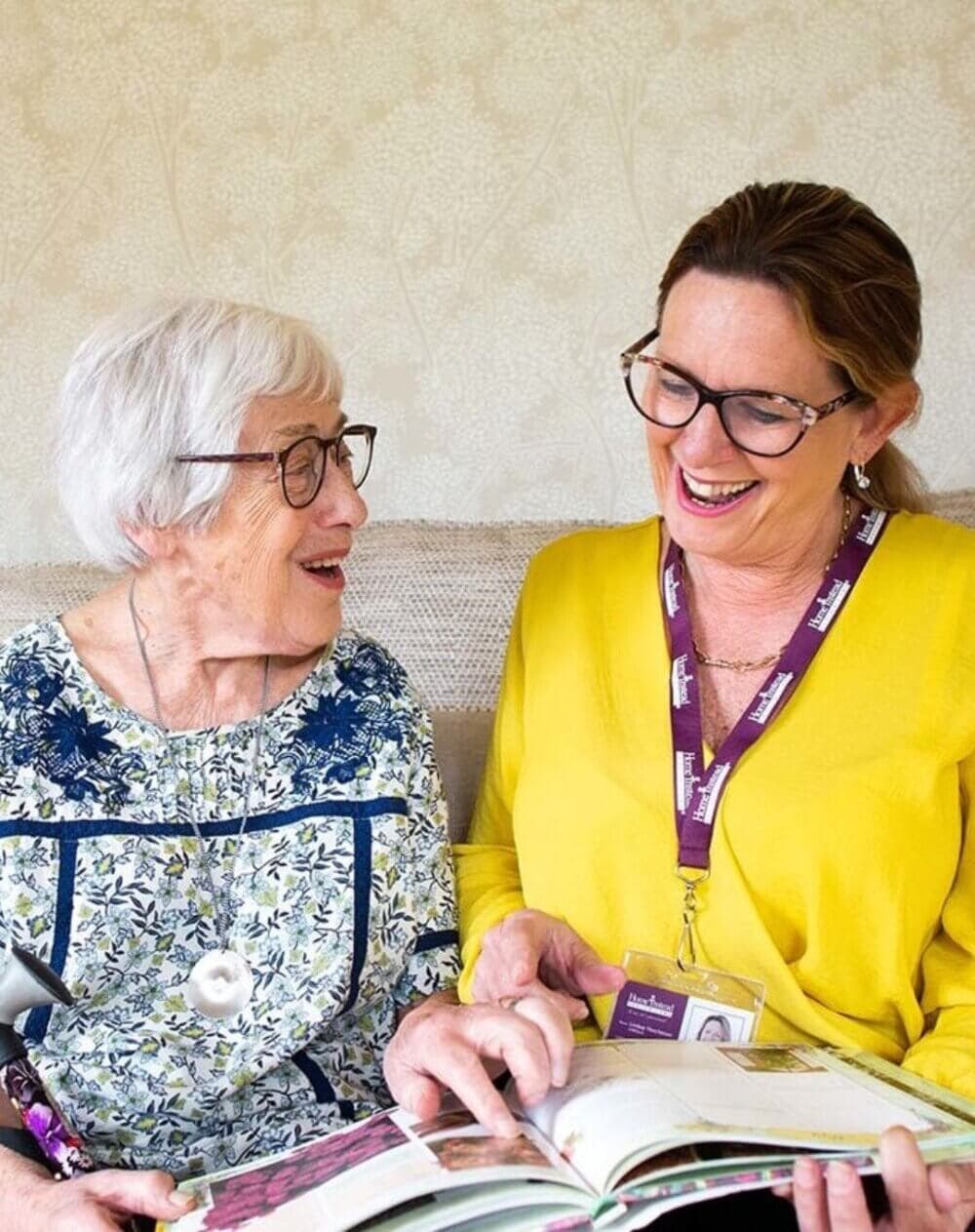
The Benefits of Professional Home Care
Personalised Support for Every Need
Every individual is unique, and so are their care requirements. Tailored support plans address specific needs, whether it’s managing chronic conditions or assisting with daily tasks.
Enhanced Safety and Peace of Mind
Trained professionals create a secure environment, minimising risks such as falls or medication errors. Families can feel secure in the knowledge that their loved ones are in capable hands.
Combating Loneliness
Companionship is often as valuable as practical assistance. Professional carers provide friendly, ongoing interaction, ensuring your loved one feels valued and connected.

Taking the First Steps
If you’ve noticed any of the signs mentioned, it may be time to explore professional care options. Home Instead Dorchester specialises in providing compassionate, reliable support tailored to the unique needs of each family.
Supporting an ageing loved one doesn’t mean facing it alone. By recognising the signs and reaching out for help, you can ensure they enjoy a safe, fulfilling, and independent life at home.