Companionship Care at Home: Enhancing Elderly Well-being
Discover how companionship care at home improves the quality of life for the elderly. Explore services near you that offer trusted companionship and elderly care.

As we age, maintaining social connections and a sense of community becomes increasingly important. For many elderly individuals, the feeling of isolation can be overwhelming, especially if they live alone. This is where companionship care at home comes into play. By offering not just physical support, but also emotional and social interaction, companionship care enhances the overall well-being of the elderly, ensuring they live not only longer but happier lives too. Let’s delve into what companionship care entails and how it can make a world of difference for your loved ones.
What is Companionship Care?
Companionship care is more than just assistance with daily chores; it’s about providing emotional and social support to those who may feel isolated or lonely. This type of care often involves activities that promote engagement and interaction, such as:
- Conversation and Social Interaction: Whether it’s chatting about old memories or discussing current events, companionship care focuses on keeping the mind active and engaged.
- Help with Daily Tasks: While companionship care isn’t as intensive as nursing care, it does involve helping with light household duties, meal preparation, and sometimes even assistance with personal grooming.
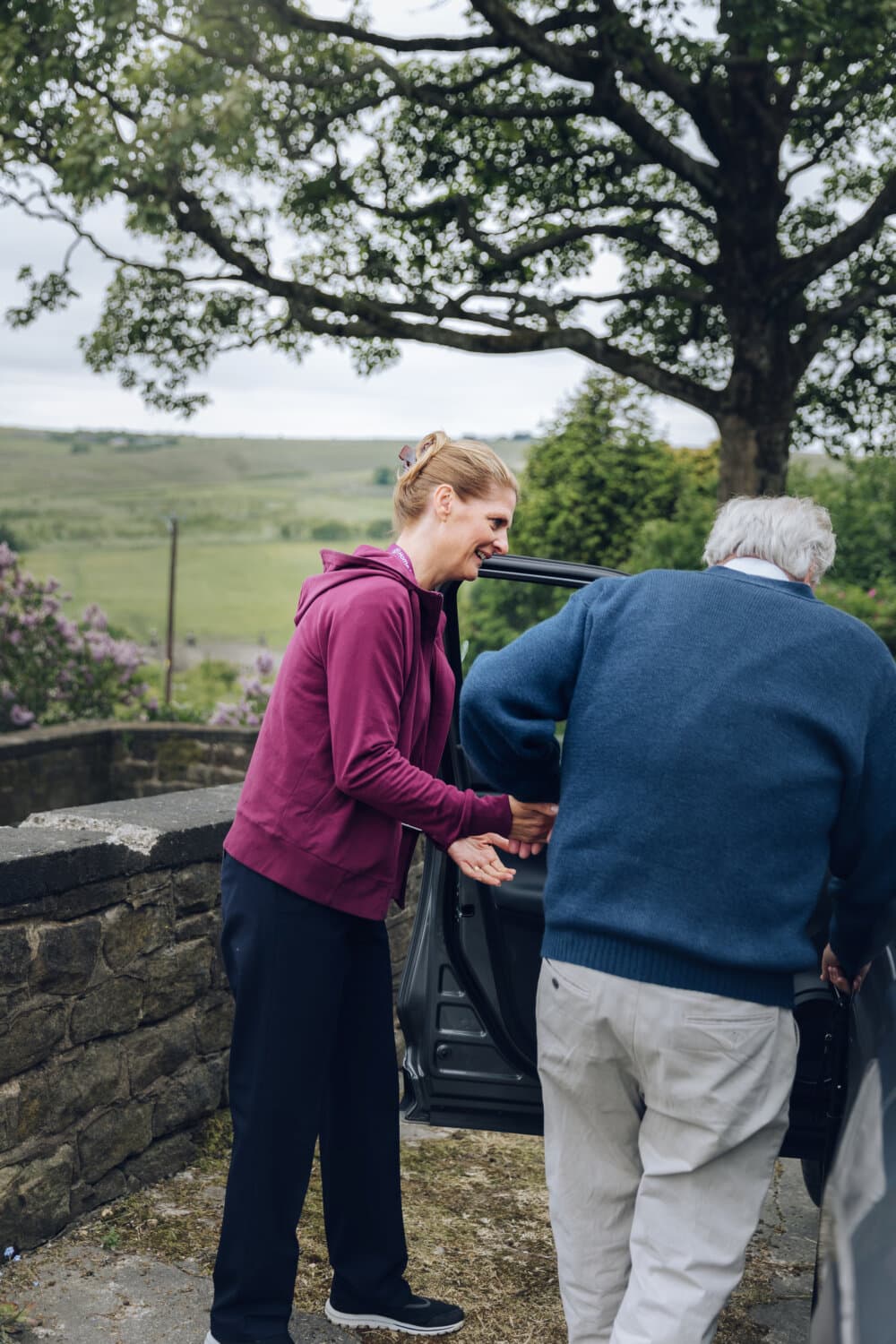
- Accompaniment on Outings: From trips to the park to attending local events, a companion can provide the elderly with the confidence and support needed to get out and enjoy life.

Why is Companionship Care So Important?
The benefits of companionship care for the elderly go beyond the surface. It’s not just about having someone to talk to; it’s about improving mental and emotional health, which in turn can lead to better physical health. Here’s how:
- Combating Loneliness: Elderly individuals who receive regular companionship care are less likely to feel isolated, which is crucial for their overall mental health.
- Boosting Cognitive Function: Engaging in regular conversation and activities can help maintain cognitive abilities, slowing down the onset of dementia or Alzheimer’s.
- Providing Emotional Support: Having someone to share feelings with, especially during tough times, can be a significant emotional boost.

Types of Companionship Care Services
When searching for companionship care near me, it’s important to understand the different services available:
- In-Home Companionship Care: This is the most common type, where a caregiver visits the elderly person’s home to provide support and companionship.
- Live-In Care: For those who require more constant attention, live-in care provides 24/7 support, ensuring that the elderly person never feels alone.
- Respite Care: This service is designed to give primary caregivers a break, with a companion stepping in to provide temporary care.
- Group Companionship Care: Sometimes, care providers arrange group activities or outings, allowing elderly individuals to socialise with their peers.

Choosing the Right Companionship Care Service
Finding the right companionship care for the elderly can seem daunting, but by considering a few key factors, you can make the right choice:
- Personal Needs: Assess the specific needs of your loved one. Do they need daily visits, or would they benefit more from live-in care?
- Caregiver Compatibility: The relationship between the caregiver and the elderly person is crucial. Ensure the caregiver’s personality and interests align with those of your loved one.
- Reputation and Reviews: Look for services with good reviews and a solid reputation. Ask for recommendations and don’t be afraid to request references.
How Home Instead Cleveland Can Help
If you’re in the Cleveland & Teesside area, Home Instead Cleveland offers a range of companionship care services tailored to meet the individual needs of the elderly. Whether your loved one needs occasional visits or full-time companionship, our trained caregivers are equipped to provide compassionate and professional care.
Home Instead Cleveland focuses on building lasting relationships, ensuring that each elderly person they care for feels valued, respected, and, most importantly, not alone. Our services include everything from daily conversation and help with hobbies to accompanying your loved one on outings and providing much-needed emotional support.
For more detailed information about our offerings, visit our companionship care page.

Conclusion
In today’s fast-paced world, it’s easy to overlook the emotional and social needs of the elderly. However, companionship home care is essential for maintaining their well-being. Whether through regular in-home visits or more intensive live-in care, the benefits of companionship care are immense, from improved mental health to a greater sense of purpose.
By choosing a reputable service like Home Instead Cleveland, you can ensure that your loved one receives the best possible care, allowing them to live out their golden years with dignity and joy. If you’re searching for companionship care near me, start by considering what your loved one truly needs and how these services can enhance their quality of life.

FAQs
What is the difference between companionship care and personal care?
Companionship care focuses on social and emotional support, while personal care includes assistance with daily activities like bathing and dressing.
How often should companionship care be provided?
The frequency depends on the elderly person’s needs. Some may benefit from daily visits, while others may only need weekly check-ins.
Can companionship care help with dementia?
Yes, regular social interaction and mental engagement through companionship care can help slow cognitive decline and provide emotional support for those with dementia.