Creating a Dementia-Friendly Home: Insights from Home Instead Chingford
How can you create a dementia-friendly home environment for your loved ones?
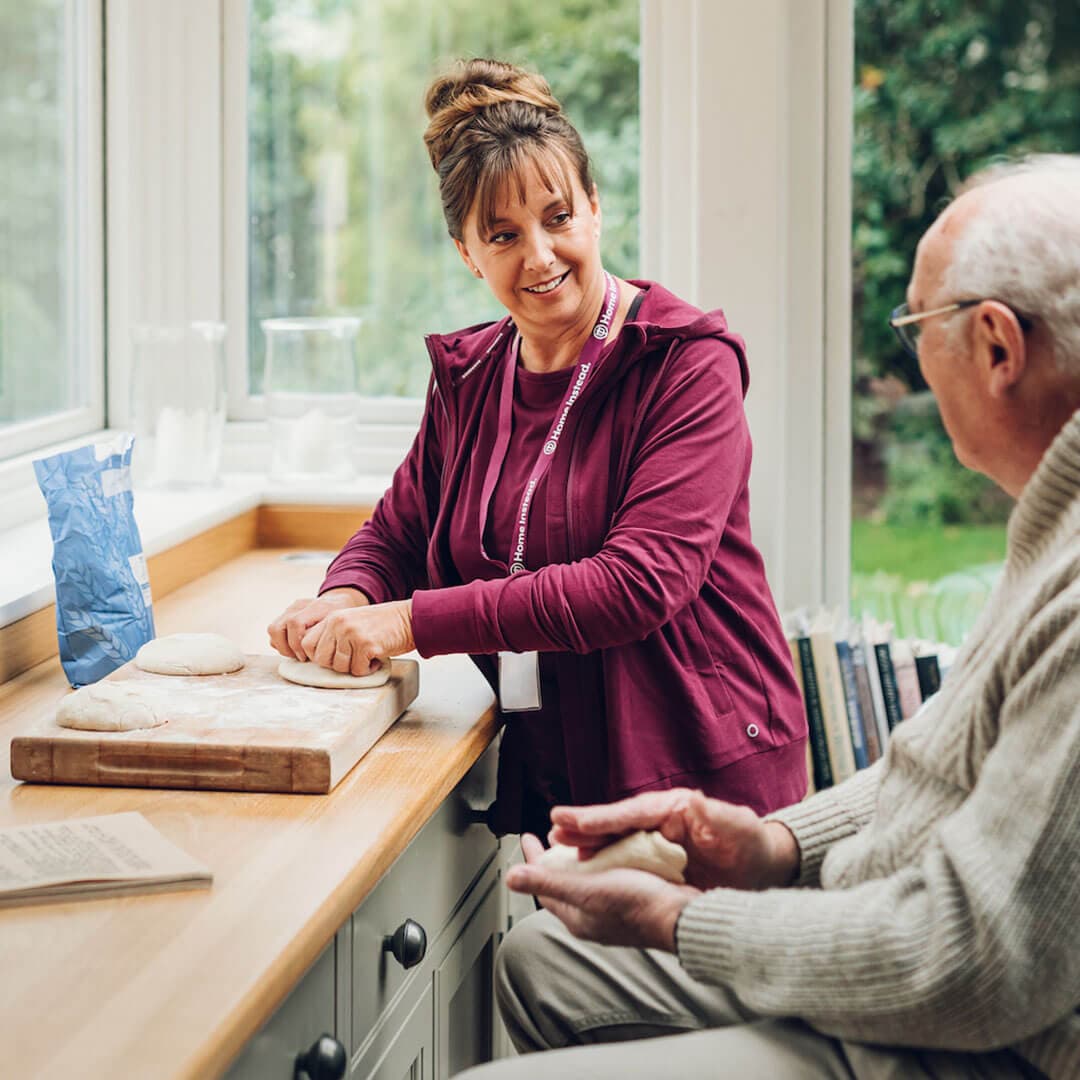
We understand the challenges that come with an early dementia diagnosis, whether it’s for yourself or a loved one at Home Instead Chingford. Adapting your living space to support this new phase of life can seem daunting. In this blog, we will share our top strategies for transforming your home into a safe, accessible, and comforting environment for those living with dementia.
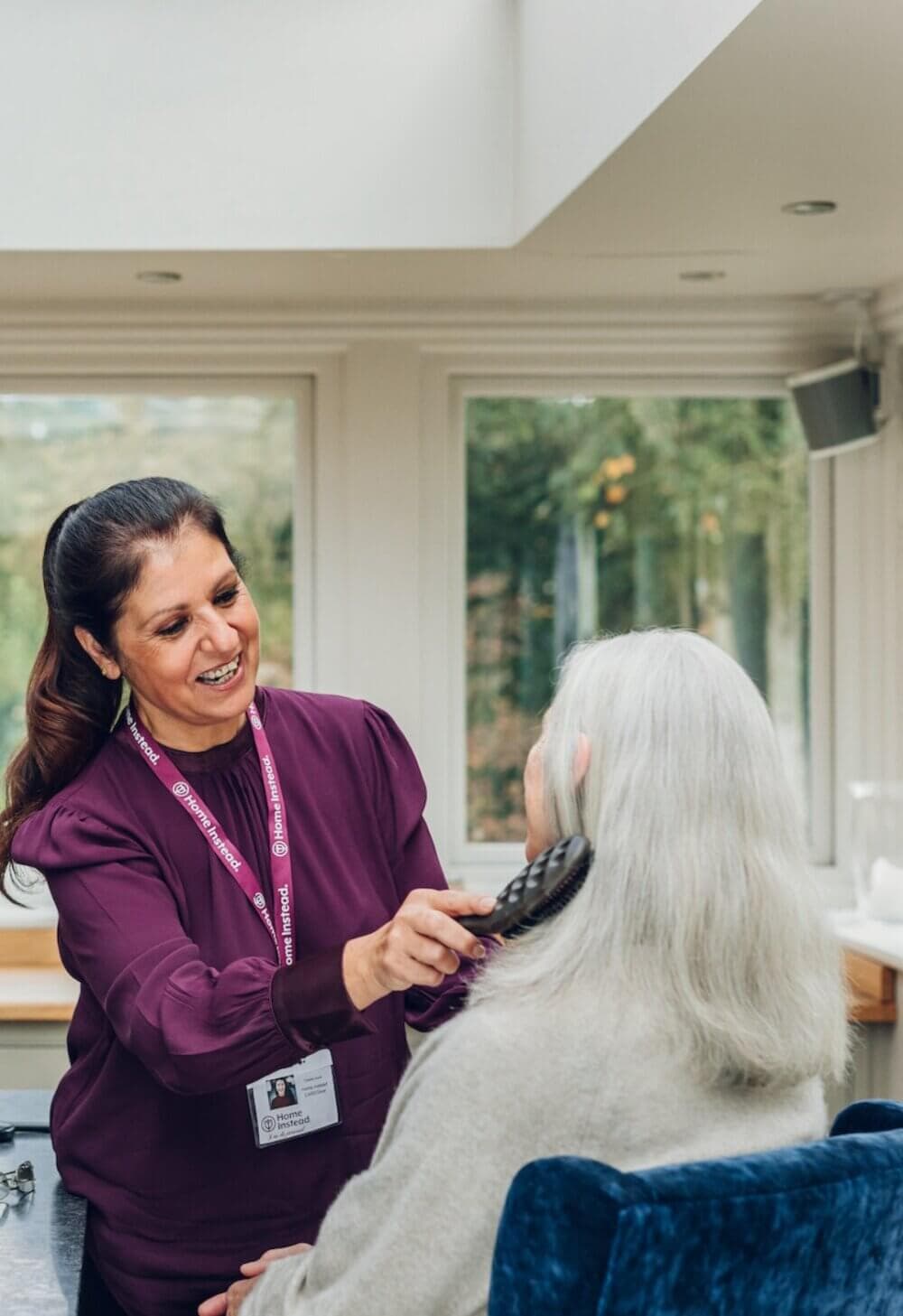
The Importance of Optimal Lighting in Dementia Care
One of the first steps in adapting your home for dementia care is to ensure that it is well-lit. Good lighting improves visibility and reduces confusion and accident risk for dementia patients. Here are some effective lighting strategies:
- Minimise shadows and glare: Position lighting in a way that reduces shadows and glare, which can be disorienting.
- Enhance natural light: Keep windows clear of obstructions to allow as much natural light as possible into the home. Open curtains during daylight hours to brighten the space.
- Focus on key areas: Ensure areas like bathrooms, hallways, and stairs are well-lit to prevent falls and improve navigation around the house.
Choosing the Right Flooring: Safety First
Flooring is a critical element in creating a dementia-friendly home. To minimise risks and enhance safety, consider the following:
- Remove tripping hazards: Clear away rugs and mats that could cause trips and falls.
- Avoid confusing patterns: Choose flooring that is simple and uniform. Avoid using shiny or reflective materials that might look wet or slippery.
- Use contrasting colours: Opt for floor colours that contrast with the walls to help delineate spaces clearly.

Thoughtful Colour Selection Enhances Dementia-Friendly Living
Colour can play a significant role in a dementia-friendly home by helping residents distinguish between different spaces and items:
- Use contrasting colours effectively: Apply contrasting colours to walls, floors, and key pieces of furniture to help your loved one identify different areas and objects.
- Modify fixtures for better visibility: Change the colours of door handles, toilet seats, and other fixtures to make them more visible.
- Keep patterns simple: Avoid complex patterns that can confuse or disorient. Simple, solid colours are best.

Effective Use of Signage and Labels
Clear signage and labels can make navigating a dementia-affected home easier.
- Install clear signs: To indicate room functions and contents, use bold, clear signage with simple imagery or icons.
- Label common items: Clearly label the contents of cupboards and drawers to aid in finding everyday items without confusion.

Managing Reflections and Mirrors
Mirrors can be particularly confusing for individuals with dementia. Here’s how you can manage them:
- Assess the use of mirrors: If mirrors cause confusion, consider removing them or covering them up.
- Control night-time reflections: Use curtains or blinds to cover windows during the night to prevent reflections that might cause disorientation.

Exploring Assistive Technologies
Assistive technology can be incredibly supportive in managing daily life with dementia:
- Simplify communication devices: Use phones and remotes with large buttons.
- Incorporate reminders: Devices that provide verbal reminders for daily tasks can be helpful.
- Maintain routine with digital clocks: Clocks that display the date and time clearly help maintain a sense of time and routine.

We are committed to supporting your family through the journey of dementia care at Home Instead Chingford. Our Care Professionals are here to help implement these tips and provide personalised care to ensure your loved one feels secure and comfortable in their own home. For more information on how we can assist in creating a dementia-friendly home environment in Chingford and surrounding areas, please get in touch.
Areas We Serve:
Chingford, Stoke Newington & surrounding areas
Visit Us:
We’re here to help make your loved one’s home a sanctuary of safety and comfort.
Areas We Serve
Chingford, Stoke Newington & the surrounding areas
E4 6, E4 7, E4 8, E4 9, N1 2, N15 3, N15 4, N15 5, N15 6, N16 0, N16 5, N16 6, N16 9, N17 0, N17 6, N17 7, N17 8, N17 9, N18 1, N18 2, N18 3, N22 5, N22 6, N22 8, N4 1, N4 2, N4 3, N4 4, N5 1, N5 2, N7 6, N7 7, N8 0, N8 9
Offices, 2nd & 3rd Floor, 35-37 Station Rd, London E4 7BJ, UK
0208 1142000